
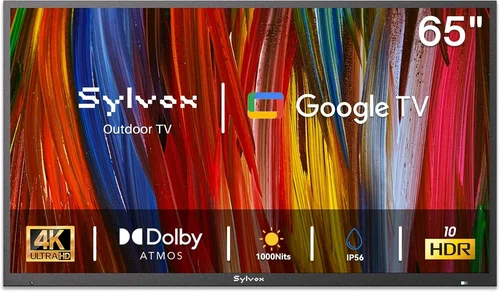
If you’re lucky enough to have a balcony or patio, you already know it’s more than just an outdoor space—it’s your personal retreat, a place to unwind with a morning coffee, host friends for evening drinks, or catch up on your favorite shows under the stars. But let’s be honest: trying to enjoy a movie or sports game on a regular indoor TV outdoors is a recipe for frustration. The glare from the sun, the lack of weather resistance, and the poor visibility in bright conditions can turn what should be a relaxing experience into a squinting, screen-peering ordeal.
That’s where a dedicated patio TV comes in. Designed specifically for outdoor use, these televisions are built to handle the elements while delivering crisp, vibrant picture quality—even in direct sunlight. Whether you’re watching the big game on your apartment balcony or streaming a movie night on your backyard deck, the right outdoor TV can transform your outdoor living space into a true entertainment hub. But with so many options on the market—ranging from weatherproof enclosures for indoor TVs to fully integrated outdoor models—it’s easy to feel overwhelmed. That’s exactly why this guide exists.
In this comprehensive buying guide, we’ll walk you through everything you need to know to choose the best TV for your balcony or patio in 2026. You’ll learn how to evaluate key factors like brightness, durability, and connectivity, understand the differences between various types of outdoor TVs, and avoid common pitfalls that could cost you time and money. We’ll also break down budget ranges, share expert tips for getting the best deal, and answer frequently asked questions based on real-world usage. By the end, you’ll have the confidence and knowledge to make a smart, informed decision—no matter your space, style, or streaming preferences.
The outdoor TV market has evolved significantly in recent years. What once consisted mostly of bulky, expensive commercial-grade displays has now expanded to include sleek, consumer-friendly models that blend performance with practicality. Brands like Samsung, LG, Sony, and specialized outdoor manufacturers such as SunBriteTV and Seura have stepped up their game, offering TVs that are not only built to withstand rain, dust, and temperature swings but also deliver the kind of picture quality you’d expect from a premium indoor set. At the same time, more affordable alternatives—like weatherproof enclosures that let you use your existing indoor TV outdoors—have made outdoor viewing accessible to a wider audience. With options spanning from under $500 to well over $5,000, there’s truly something for every need and budget. This guide will help you navigate that landscape with clarity and confidence.

What to Look for When Buying a Patio TV
1. Brightness & Screen Visibility
When it comes to outdoor TVs, brightness isn’t just a nice-to-have—it’s essential. Unlike indoor TVs, which are designed to perform well in controlled lighting, outdoor displays must contend with direct sunlight, reflections, and varying ambient light throughout the day. A standard indoor TV typically peaks at around 300–500 nits of brightness, which is fine for a dimly lit living room but completely inadequate for a sunny patio. For outdoor use, you’ll want a TV with a minimum brightness of 700 nits, but ideally 1,000 nits or higher. This level of luminance ensures that images remain clear and vibrant even when the sun is shining directly on the screen.
Look for TVs labeled as “high-brightness” or “outdoor-rated” with anti-glare coatings. These features reduce reflections and improve contrast in bright conditions. Some models also include ambient light sensors that automatically adjust brightness based on the time of day, which can help conserve energy and reduce eye strain during evening viewing. Additionally, consider the screen’s viewing angle. IPS (In-Plane Switching) panels offer wider viewing angles than VA (Vertical Alignment) panels, which is important if you’re watching from different spots around your balcony or patio. A narrow viewing angle can cause colors to wash out or contrast to drop when viewed from the side—defeating the purpose of having a shared outdoor space.
2. Weather Resistance & Durability
Outdoor TVs must endure a wide range of environmental challenges, from rain and humidity to extreme temperatures and dust. That’s why weather resistance is one of the most critical factors to consider. Look for TVs with an IP (Ingress Protection) rating, which indicates how well the unit is protected against solids and liquids. For outdoor use, an IP55 rating or higher is recommended—this means the TV is protected against dust and water jets from any direction. Some premium models go even further with IP65 or IP66 ratings, offering near-total protection against dust and powerful water sprays.
Beyond the IP rating, consider the materials used in the TV’s construction. Aluminum or powder-coated steel housings are ideal because they resist rust and corrosion. Avoid plastic enclosures unless they’re specifically rated for outdoor use, as standard plastics can degrade under UV exposure. Also, check the operating temperature range. Most outdoor TVs are designed to function between -22°F and 122°F (-30°C to 50°C), which covers most climates. If you live in an area with harsh winters or scorching summers, make sure the model you choose is rated for those extremes. Finally, look for sealed ports and connectors to prevent moisture from entering the internal components.
3. Size & Placement Flexibility
The size of your TV should match both your viewing distance and the physical constraints of your balcony or patio. A common mistake is choosing a screen that’s too large for the space, which can make viewing uncomfortable or impractical. As a general rule, your viewing distance should be about 1.5 to 2.5 times the diagonal screen size. For example, if you’re sitting 6 feet away, a 43- to 55-inch TV is ideal. On a small balcony, a 32- or 43-inch model may be more appropriate, while larger patios can accommodate 65-inch or even 75-inch displays.
Placement is equally important. Consider whether the TV will be wall-mounted, placed on a stand, or installed in a weatherproof enclosure. Wall mounting is often the best option for patios and balconies because it saves space and provides a clean, integrated look. Make sure the mounting location is shaded or covered to minimize direct sun exposure, which can overheat the TV and degrade the screen over time. If you’re using an outdoor-rated TV, ensure the mounting bracket is also weather-resistant and rated for the TV’s weight. For renters or those who want flexibility, portable outdoor TVs with built-in stands or wheels offer a great alternative—just remember to store them indoors during storms or extreme weather.
4. Connectivity & Smart Features
Modern outdoor TVs aren’t just about durability—they’re also packed with smart features that make streaming and connectivity seamless. Most outdoor models come with built-in Wi-Fi, Bluetooth, and support for popular streaming platforms like Netflix, YouTube, Hulu, and Disney+. Look for TVs with at least three HDMI ports to connect devices like gaming consoles, soundbars, or streaming sticks. USB ports are also useful for playing media files or updating firmware.
Smart TV platforms vary by brand. Samsung uses Tizen, LG uses webOS, and Sony uses Google TV—all of which offer intuitive interfaces and regular software updates. If you’re already invested in a particular ecosystem (like Apple or Google), choose a TV that integrates well with your existing devices. For example, Apple AirPlay 2 support allows you to stream content directly from your iPhone or iPad, while Google Cast enables easy mirroring from Android devices. Voice control via Alexa or Google Assistant is another convenient feature, especially when your hands are full with a drink or grill tongs.
Don’t forget about audio. While many outdoor TVs have built-in speakers, they’re often underpowered for open-air environments. Consider pairing your TV with a weather-resistant soundbar or outdoor speakers for richer, fuller sound. Some models even include audio output options like optical or RCA, making it easy to connect external audio systems.
5. Energy Efficiency & Power Consumption
Outdoor TVs tend to consume more power than their indoor counterparts due to higher brightness levels and additional cooling systems. While this may not be a major concern for occasional use, it can add up over time—especially if you leave the TV on for extended periods. Look for models with ENERGY STAR certification, which indicates they meet strict energy efficiency guidelines set by the U.S. Environmental Protection Agency.
LED-backlit LCDs are generally more energy-efficient than older plasma or CCFL-backlit models. OLED TVs, while offering superior contrast and color, tend to consume more power when displaying bright content, which is common in outdoor settings. Some outdoor TVs include power-saving modes that reduce brightness and turn off the screen after a period of inactivity. These features can help lower your electricity bill and extend the TV’s lifespan.
Also, consider how the TV will be powered. Most outdoor TVs require a standard 120V outlet, but if your balcony or patio lacks easy access to electricity, you may need to run an outdoor-rated extension cord or hire an electrician to install a dedicated outlet. For off-grid setups, solar-powered outdoor TVs are emerging as a niche but growing option—though they’re still limited in availability and performance.
6. Brand Reputation & Reliability
Not all outdoor TVs are created equal, and brand reputation plays a significant role in long-term satisfaction. Established brands like Samsung, LG, and Sony have a proven track record of quality and customer support, even in their outdoor lines. However, specialized outdoor TV manufacturers such as SunBriteTV, Seura, and Avid Power offer models specifically engineered for harsh environments, often with superior weather resistance and brightness.
When evaluating brands, look beyond marketing claims and focus on real-world performance. Check professional reviews from trusted sources like CNET, Wirecutter, or RTINGS.com, and read user reviews on retailer sites like Amazon or Best Buy. Pay attention to comments about build quality, reliability, and customer service. A TV that fails after a year of use—even if it was cheap—ends up costing more in the long run due to replacement and installation fees.
Also, consider the availability of replacement parts and service centers. If something goes wrong, you’ll want to be able to get it fixed quickly, especially if the TV is wall-mounted or difficult to access. Brands with strong service networks and extended warranties offer peace of mind, particularly for high-end models.
7. Warranty & Support
Outdoor TVs are an investment, and a solid warranty can protect that investment. Most reputable brands offer at least a one-year limited warranty, but many outdoor-specific models come with extended coverage—sometimes up to three years. Look for warranties that cover both parts and labor, and make sure they include protection against weather-related damage. Some manufacturers even offer on-site service, where a technician comes to your home to repair or replace the unit.
Read the fine print carefully. Some warranties are voided if the TV is installed incorrectly or used in conditions outside the specified range. For example, using an outdoor TV in a fully exposed area without a roof or awning might not be covered, even if the TV is weather-resistant. Also, check whether the warranty is transferable—this can be important if you sell your home or move.
Customer support is another key factor. A brand with responsive, knowledgeable support can make a big difference if you run into issues. Look for companies that offer multiple contact options (phone, email, live chat) and have a reputation for timely responses. Online resources like user manuals, installation guides, and FAQs are also helpful for troubleshooting common problems.
8. User Reviews & Real-World Performance
While specs and features are important, nothing beats real-world feedback from people who’ve actually used the TV in similar conditions. User reviews provide insights that you won’t find in product descriptions—like how the TV performs during a rainy afternoon, how easy it is to install, or whether the remote works from a distance.
When reading reviews, focus on patterns rather than individual complaints. If multiple users mention the same issue—like poor sound quality or difficulty connecting to Wi-Fi—it’s likely a genuine flaw. On the other hand, isolated negative reviews might be due to user error or unusual circumstances. Look for reviews from buyers in similar climates or living situations (e.g., apartment balconies vs. suburban patios) to get the most relevant feedback.
Also, pay attention to how long the reviewer has owned the TV. A review from someone who’s used it for six months or a year is more valuable than one from a first-week user. Long-term reviews can reveal durability issues, software bugs, or performance degradation over time. Platforms like Amazon, Best Buy, and Home Depot often include verified purchase badges, which help ensure the review is from a real buyer.
Different Types of Outdoor TVs
Common Buying Mistakes to Avoid
❌ Mistake: Using a Regular Indoor TV Outdoors
Why it’s bad: Indoor TVs are not designed to handle moisture, temperature fluctuations, or UV exposure. Even if you cover them, condensation can build up inside the screen, leading to permanent damage. Additionally, their low brightness makes them nearly unwatchable in daylight.
What to do instead: Invest in a TV specifically rated for outdoor use or use a certified weatherproof enclosure. These solutions are engineered to protect the electronics and maintain performance in outdoor conditions.
❌ Mistake: Ignoring Sun Exposure and Glare
Why it’s bad: Placing a TV in direct sunlight without proper shading or anti-glare features will result in a washed-out image, no matter how bright the screen is. Over time, UV exposure can also degrade the screen and housing materials.
What to do instead: Install the TV under an awning, pergola, or roof overhang. Choose a model with an anti-reflective coating and high brightness (1,000+ nits). Consider the sun’s path throughout the day when deciding on placement.
❌ Mistake: Overlooking Audio Needs
Why it’s bad: Built-in TV speakers are often weak and muffled, especially in open outdoor spaces where sound dissipates quickly. This leads to poor dialogue clarity and an unsatisfying viewing experience.
What to do instead: Pair your TV with weather-resistant outdoor speakers or a soundbar. Look for models with audio output options and consider wireless Bluetooth speakers for flexibility.
❌ Mistake: Choosing the Wrong Size
Why it’s bad: A TV that’s too small will be hard to see from a distance, while one that’s too large can overwhelm a small space and cause eye strain.
What to do instead: Use the 1.5x to 2.5x rule: multiply your viewing distance (in inches) by 1.5 to 2.5 to find the ideal screen size. Measure your space and consider seating layout before buying.
❌ Mistake: Skipping the Warranty
Why it’s bad: Outdoor TVs are exposed to harsh conditions, increasing the risk of malfunction. Without a solid warranty, repair or replacement costs can be high.
What to do instead: Always check the warranty terms. Opt for extended coverage if available, and ensure it includes weather-related damage. Register your product promptly after purchase.
❌ Mistake: Not Planning for Power and Cables
Why it’s bad: Running extension cords across a patio is unsafe and unsightly. Poor cable management can also lead to tripping hazards or water damage.
What to do instead: Hire a licensed electrician to install a dedicated outdoor outlet. Use cable covers or conduit to protect wires, and choose a TV with rear or side cable management features.
❌ Mistake: Buying Based on Price Alone
Why it’s bad: The cheapest option may lack essential features like weather resistance or smart capabilities, leading to frustration and the need for an early replacement.
What to do instead: Balance cost with features and durability. A mid-range outdoor TV often offers the best value, providing reliable performance without the premium price tag.
Budget Guidelines: How Much Should You Spend?
Entry-Level ($300 – $800): This range is ideal for renters or those on a tight budget. Options include weatherproof enclosures for existing indoor TVs or basic portable outdoor models. While they may lack advanced features like smart platforms or ultra-high brightness, they offer a functional solution for shaded patios or evening use. Expect simpler designs and shorter warranties.
Mid-Range ($800 – $2,000): This is the sweet spot for most buyers. TVs in this range typically offer 700–1,000 nits of brightness, IP55 weather resistance, and built-in smart features. Brands like SunBriteTV and Seura offer reliable models with good picture quality and durability. These are perfect for covered patios and balconies with partial sun exposure.
Premium ($2,000 – $4,000): For enthusiasts and homeowners looking for top-tier performance, premium outdoor TVs deliver exceptional brightness (1,000+ nits), advanced anti-glare technology, and robust build quality. Models from Samsung and LG’s outdoor lines fall here, often including OLED panels, voice control, and seamless smart home integration. These are ideal for large patios or commercial-style outdoor living spaces.
Luxury ($4,000+): At this level, you’re investing in commercial-grade durability, 24/7 operation capability, and cutting-edge display technology. These TVs are built for extreme environments and often include features like fanless cooling, modular designs, and custom mounting solutions. They’re best suited for high-end homes, luxury resorts, or permanent outdoor installations.
Expert Tips for Getting the Best Deal
– Shop During Seasonal Sales: The best time to buy an outdoor TV is during spring and early summer, when retailers promote outdoor living products. Black Friday and Cyber Monday also offer significant discounts, though selection may be limited.
– Compare Online and In-Store Prices: Online retailers like Amazon, Best Buy, and Crutchfield often have lower prices and better return policies than local stores. However, in-store purchases allow you to see the TV in person and ask questions.
– Look for Bundled Deals: Some manufacturers offer packages that include mounting hardware, cables, or soundbars at a discounted rate. These can save you money compared to buying items separately.
– Check for Rebates and Incentives: Utility companies and government programs sometimes offer rebates for energy-efficient appliances, including outdoor TVs. Check your local provider’s website for current offers.
– Read the Return Policy: Outdoor TVs can be difficult to return due to size and weight. Make sure the retailer offers a generous return window (at least 30 days) and covers return shipping.
– Test Before You Buy (If Possible): If you’re purchasing in-store, ask to see a demo unit. Check the brightness, color accuracy, and remote responsiveness under lighting conditions similar to your patio.
– Consider Refurbished or Open-Box Models: Certified refurbished TVs from reputable sellers often come with warranties and can save you 20–30% off the original price. Just ensure they’re inspected and tested.
– Invest in Professional Installation: While DIY installation is possible, hiring a professional ensures proper mounting, cable management, and safety—especially for wall-mounted units.

Frequently Asked Questions
Q: Can I use my regular TV outdoors with a cover?
A: While a cover can offer some protection, it’s not enough for long-term outdoor use. Indoor TVs lack the necessary weatherproofing, brightness, and ventilation for safe outdoor operation. Condensation, overheating, and UV damage are common issues. A certified outdoor TV or enclosure is the only reliable solution.
Q: Do outdoor TVs need to be plugged in all the time?
A: Yes, outdoor TVs require a constant power source to function. Unlike battery-powered devices, they don’t have internal batteries. Ensure your patio or balcony has access to a grounded outdoor outlet.
Q: How do I clean an outdoor TV screen?
A: Use a microfiber cloth and a mild cleaning solution designed for electronics. Avoid ammonia-based cleaners or abrasive materials, which can damage the anti-glare coating. Turn off the TV and unplug it before cleaning.
Q: Can I leave my outdoor TV on during rain?
A: Yes, as long as it’s rated for outdoor use and properly installed. IP55 or higher-rated TVs are designed to withstand rain, but it’s still wise to avoid direct downpours if possible. Never spray water directly on the screen.
Q: Will an outdoor TV work in winter?
A: Most outdoor TVs are rated for temperatures as low as -22°F (-30°C), so they can handle winter conditions. However, extreme cold can affect battery life in remotes and slow down startup times. Store remotes indoors when not in use.
Q: Do I need a special mount for an outdoor TV?
A: Yes. Use a mount rated for outdoor use and capable of supporting the TV’s weight. Look for rust-resistant materials like stainless steel or powder-coated aluminum. Ensure the mount is securely anchored to a wall or structure.
Q: Can I stream content on an outdoor TV?
A: Absolutely. Most modern outdoor TVs come with built-in Wi-Fi and support popular streaming apps. Just make sure your internet connection is strong enough to handle HD or 4K streaming.
Q: How long do outdoor TVs last?
A: With proper care, a quality outdoor TV can last 7–10 years or more. Regular maintenance, such as cleaning and checking connections, can extend its lifespan.
Q: Are outdoor TVs energy-efficient?
A: Many are ENERGY STAR certified and include power-saving features. However, higher brightness levels do increase power consumption. Use eco modes and turn off the TV when not in use to save energy.
Q: Can I use a projector instead of an outdoor TV?
A: Projectors can work for outdoor movie nights, but they require darkness and a flat surface. They’re less convenient for daily use and don’t perform well in daylight. An outdoor TV offers better reliability, brightness, and ease of use.
Our Final Recommendations
Best for Budget-Conscious Buyers: Seura UltraBright 43″ Outdoor TV – At around $1,200, this model offers excellent brightness (1,000 nits), IP55 rating, and smart features at a competitive price. Ideal for covered patios and balconies.
Best Overall Value: SunBriteTV Veranda Series 55″ – Priced around $2,000, this TV delivers outstanding picture quality, robust weather resistance, and a user-friendly interface. A top choice for most homeowners.
Best Premium Option: Samsung The Terrace 65″ QLED – With 2,000 nits of brightness, quantum dot technology, and seamless smart integration, this is the ultimate outdoor TV for luxury patios. Priced around $3,500.
Best for Beginners: Avid Power 40″ Portable Outdoor TV – Easy to set up and move, this model includes a built-in stand and weatherproof design. Great for small spaces and first-time buyers.
Best for Advanced Users: LG Outdoor OLED 55″ with webOS – Combines the deep blacks of OLED with outdoor durability and advanced smart features. Perfect for tech enthusiasts who want the best picture quality.
Conclusion: Making the Right Choice
Choosing the best TV for your balcony or patio doesn’t have to be overwhelming. By focusing on key factors like brightness, weather resistance, size, and smart features, you can narrow down your options and find a model that fits your lifestyle and budget. Avoid common pitfalls like using indoor TVs outdoors or ignoring audio needs, and always prioritize durability and long-term value.
Remember, the right outdoor TV isn’t just about watching content—it’s about enhancing your outdoor living experience. Whether you’re hosting a game night, enjoying a quiet evening under the stars, or simply catching up on your favorite show, a well-chosen patio TV can make all the difference. Take your time, do your research, and invest in a model that will deliver years of reliable performance.
Now that you’re equipped with expert knowledge and practical tips, it’s time to make your decision. Measure your space, assess your needs, and choose a TV that brings joy to your outdoor oasis. Happy viewing!

