
If you live in an apartment and dream of enjoying your favorite shows, movies, or live sports under the open sky, you’re not alone. The rise of outdoor entertainment has transformed how urban dwellers use their limited outdoor spaces—whether it’s a small balcony, a cozy rooftop corner, or a shared patio. But bringing the living room experience outside comes with unique challenges. Unlike indoor TVs, patio TVs must withstand sun glare, temperature swings, humidity, and even light rain. And in an apartment setting, space, noise, and building regulations add another layer of complexity.
That’s why choosing the right TV for your patio isn’t just about picture quality or smart features—it’s about finding a balance between performance, durability, and practicality. This guide is designed to help apartment residents make informed decisions when shopping for a patio TV in 2026. Whether you’re watching the sunset with a movie or catching the big game with friends, we’ll walk you through everything you need to know to pick the perfect outdoor display. You’ll learn what specs matter most, how to avoid common pitfalls, and which models offer the best value for your lifestyle and budget.
The market for outdoor TVs has evolved significantly in recent years. What was once a niche category dominated by bulky, expensive weatherproof enclosures now includes sleek, all-weather models from major brands like Samsung, LG, and Sony, as well as specialized outdoor manufacturers like SunBriteTV and Seura. At the same time, advancements in display technology—such as brighter panels, anti-reflective coatings, and improved HDR performance—have made it easier than ever to enjoy a great picture even in bright daylight. With options ranging from portable 32-inch models to full-featured 75-inch outdoor displays, there’s never been a better time to bring your entertainment outdoors.
What to Look for When Buying Buying Guide
1. Brightness & Display Technology
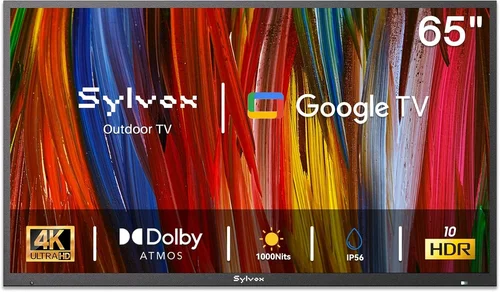
One of the most critical factors for any patio TV is brightness. Unlike indoor environments where lighting is controlled, outdoor spaces are exposed to direct sunlight, which can wash out even the best indoor TVs. For a TV to be truly usable on a patio, it needs a high peak brightness—measured in nits—to combat glare and maintain visibility during the day.
Look for models with a minimum of 700 nits, but ideally 1,000 nits or higher. Some premium outdoor TVs now offer up to 2,500 nits, making them readable even in full sun. This is especially important if your patio gets direct sunlight for several hours a day. Additionally, consider the type of display panel. OLEDs offer superior contrast and color accuracy but can struggle with brightness in daylight. QLED and Mini-LED panels, on the other hand, deliver higher brightness levels and are better suited for outdoor use.
Anti-reflective coatings and optically bonded glass are also essential. These features reduce glare by minimizing surface reflections, allowing you to see the image clearly without squinting. Some models even include built-in sunshades or adjustable tilt mounts to further optimize viewing angles.
2. Weather Resistance & Durability
Outdoor TVs must endure elements that indoor models never face: rain, snow, dust, extreme temperatures, and UV exposure. That’s why weather resistance is non-negotiable. Look for TVs with an IP (Ingress Protection) rating of at least IP55, which means they’re protected against dust and water jets from any direction. For harsher climates or uncovered patios, IP65 or higher is recommended.
But weather resistance isn’t just about the casing. Internal components must also be built to last. High-quality outdoor TVs use sealed cooling systems, rust-resistant screws, and conformal coatings on circuit boards to prevent corrosion. Some models are rated for operation in temperatures ranging from -22°F to 122°F (-30°C to 50°C), making them suitable for year-round use in most climates.
Durability also extends to the mounting hardware. Ensure the TV comes with a weatherproof wall mount or is compatible with one. Avoid using indoor mounts outdoors—they’re not designed to handle moisture or temperature fluctuations and can fail over time.
3. Size & Viewing Distance
Choosing the right screen size is crucial, especially in apartment patios where space is limited. A TV that’s too large can overwhelm a small balcony, while one that’s too small may be hard to see from a distance.
As a general rule, the optimal viewing distance is 1.5 to 2.5 times the diagonal screen size. For example, a 55-inch TV is best viewed from 6.5 to 11 feet away. On a typical apartment patio, where seating is often 6–8 feet from the wall, a 50- to 65-inch TV is usually ideal.
However, don’t forget about mounting height and angle. The screen should be mounted at eye level when seated, typically 42–48 inches from the ground. If your patio has overhead structures or railings, ensure the TV won’t be blocked or require awkward tilting.
Portability is another consideration. If you plan to move the TV between indoor and outdoor use, look for lighter models with built-in handles or optional rolling stands. Some outdoor TVs are designed to be easily removed and stored during winter months.
4. Smart Features & Connectivity
Just because a TV is outdoors doesn’t mean it should lack modern conveniences. Most outdoor TVs now come with smart platforms like Android TV, webOS, or Tizen, giving you access to streaming apps like Netflix, YouTube, and Disney+. This eliminates the need for external streaming devices and keeps your setup clean.
Check for built-in Wi-Fi and Bluetooth support. Wi-Fi 6 is becoming more common and offers faster, more reliable connections—important if your patio is far from your router. Bluetooth allows you to connect wireless headphones or speakers, which is great for late-night viewing without disturbing neighbors.
HDMI ports are essential for connecting gaming consoles, soundbars, or cable boxes. Look for at least two HDMI 2.1 ports to support 4K at 120Hz, especially if you’re a gamer. USB ports, Ethernet, and audio outputs (optical or 3.5mm) add further flexibility.
5. Audio Quality & Sound Solutions
Outdoor environments are inherently noisy—traffic, wind, birds, and neighbors can all interfere with audio clarity. Most outdoor TVs have built-in speakers, but they’re often underpowered and lack bass. For a truly immersive experience, you’ll likely need external audio.
Consider a weather-resistant soundbar or outdoor speakers. Many brands offer matching audio systems designed to pair with their TVs. Alternatively, wireless Bluetooth speakers can be placed strategically around the patio for surround sound.
If noise is a major concern, look for TVs with advanced audio processing, such as Dolby Atmos or DTS:X support. These technologies create a more spacious soundstage, helping dialogue cut through ambient noise.
For apartment dwellers, volume control is key. You don’t want to disturb neighbors, so choose a system with adjustable output or use wireless headphones for private listening.
6. Power Consumption & Energy Efficiency
Outdoor TVs often run for extended periods, especially during summer evenings or outdoor gatherings. High brightness and constant use can lead to significant energy consumption, so efficiency matters.
Look for models with ENERGY STAR certification, which indicates they meet strict energy efficiency guidelines. LED and Mini-LED backlighting are more efficient than older CCFL technologies. Some TVs also feature ambient light sensors that automatically adjust brightness based on surrounding light, saving power when full brightness isn’t needed.
Additionally, consider the TV’s sleep and standby modes. A good outdoor TV should power down quickly when not in use and resume instantly when activated. This not only saves energy but also extends the lifespan of the display.
7. Installation & Mounting Options
Proper installation is critical for both performance and safety. Most outdoor TVs require professional mounting, especially if you’re attaching them to a wall, ceiling, or railing. Improper installation can lead to water intrusion, structural damage, or even the TV falling.
Wall mounts should be rated for outdoor use and capable of supporting the TV’s weight. Tilt and swivel mounts offer flexibility in positioning, which is helpful if your seating arrangement changes. For railings, look for clamp-style mounts that don’t require drilling.
If you’re renting, check your lease agreement before making permanent modifications. Some landlords may allow temporary mounts or freestanding stands. In such cases, consider a portable outdoor TV with a built-in stand or a rolling cart.
8. Brand Reputation & Customer Support
Not all outdoor TVs are created equal. Brands like SunBriteTV, Seura, and Samsung have established reputations for building reliable, high-performance outdoor displays. These companies often offer better warranties, dedicated customer support, and replacement parts.
Avoid no-name brands or ultra-cheap models from unknown manufacturers. While they may seem like a bargain, they often lack proper weather sealing, use lower-quality components, and have poor after-sales support.
Research customer reviews and look for feedback on durability, brightness, and ease of use. Pay attention to how the company handles repairs and replacements—especially important if you live in a remote area or have a busy schedule.
Different Types of Buying Guide

Common Buying Mistakes to Avoid
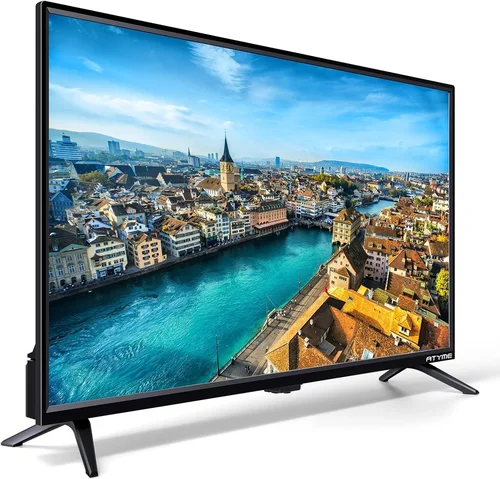
❌ Mistake: Buying a Regular Indoor TV for Outdoor Use
Why it’s bad: Indoor TVs are not designed to handle moisture, temperature changes, or UV exposure. Even if you place one in a covered area, humidity and condensation can damage internal components over time. Additionally, indoor TVs lack the brightness needed for daylight viewing, making them nearly unusable on a sunny patio.
What to do instead: Invest in a TV specifically built for outdoor use or use a high-quality weatherproof enclosure. If budget is tight, consider a portable outdoor model or a mid-range all-weather TV with at least IP55 rating.
❌ Mistake: Ignoring Sun Exposure and Glare
Why it’s bad: A TV that looks great indoors can be completely unreadable in direct sunlight. Without sufficient brightness and anti-glare features, you’ll spend more time squinting than enjoying your content.
What to do instead: Assess your patio’s sun exposure throughout the day. Choose a TV with high nits (1,000+ for full sun) and look for models with anti-reflective coatings or optically bonded glass. Consider mounting the TV under an awning or pergola for added shade.
❌ Mistake: Overlooking Audio Needs
Why it’s bad: Outdoor environments are noisy, and built-in TV speakers are rarely powerful enough to overcome wind, traffic, or distant conversations. Poor audio ruins the viewing experience, especially for dialogue-heavy content.
What to do instead: Plan for external audio from the start. Invest in weather-resistant speakers or a soundbar. Use Bluetooth headphones for quiet nights. Test audio quality before finalizing your setup.
❌ Mistake: Choosing the Wrong Size for the Space
Why it’s bad: A TV that’s too large can dominate a small balcony, making it feel cramped. One that’s too small may be hard to see from your seating area, especially if you have multiple viewers.
What to do instead: Measure your space and calculate the ideal screen size based on viewing distance. Use online size calculators or tape a cardboard outline to visualize the fit. Prioritize screen real estate over unnecessary features.
❌ Mistake: Skimping on Mounting and Installation
Why it’s bad: Improper mounting can lead to water leaks, structural damage, or the TV falling. Using indoor mounts outdoors is a common but dangerous mistake.
What to do instead: Use only outdoor-rated mounts and hardware. If you’re not confident in your DIY skills, hire a professional installer. Ensure all connections are sealed and cables are routed safely.
❌ Mistake: Not Checking Building Rules or Lease Agreements
Why it’s bad: Many apartment buildings have restrictions on modifications, drilling, or external installations. Installing a TV without permission could result in fines or eviction.
What to do instead: Review your lease or speak with your landlord or HOA before making any changes. Opt for non-permanent solutions like freestanding stands or clamp mounts if drilling isn’t allowed.
❌ Mistake: Forgetting About Power and Connectivity
Why it’s bad: Running long extension cords across a patio is unsafe and unsightly. Poor Wi-Fi signal can cause buffering and frustration during streaming.
What to do instead: Plan your power and network setup in advance. Use outdoor-rated extension cords or have an electrician install a weatherproof outlet. Boost your Wi-Fi with a mesh system or extender.
Budget Guidelines: How Much Should You Spend?
– Entry-Level ($600 – $1,200): This range includes portable outdoor TVs and basic all-weather models. Expect smaller screens (32–43 inches), lower brightness (500–700 nits), and limited smart features. Ideal for shaded balconies or occasional use. Brands like Vizio and TCL offer decent options in this tier, often in weatherproof enclosures.
– Mid-Range ($1,200 – $2,500): The sweet spot for most apartment dwellers. These TVs offer 50–65-inch screens, 1,000+ nits brightness, IP55 or higher weather resistance, and full smart functionality. Models from Samsung, LG, and SunBriteTV fall here, balancing performance and affordability. Great for covered patios with partial sun exposure.
– Premium ($2,500 – $5,000): For those who want the best outdoor experience. These TVs feature 75-inch+ screens, 1,500–2,500 nits brightness, advanced HDR, and commercial-grade durability. Built-in cooling systems, anti-glare coatings, and premium audio support are standard. Perfect for uncovered patios or year-round use in harsh climates.
– Luxury ($5,000+): Top-tier outdoor displays designed for luxury homes, hotels, or shared building amenities. These include ultra-bright commercial panels, 24/7 operation capability, and custom installation services. Often used in rooftop decks or large communal spaces. Brands like Seura and Peerless offer models in this category.
Expert Tips for Getting the Best Deal
– Shop During Off-Season: Outdoor TVs are in highest demand during spring and summer. Prices often drop in late fall and winter. Look for holiday sales around Black Friday, Cyber Monday, or post-Christmas clearance events.
– Compare Retailers: Don’t limit yourself to big-box stores. Check specialty outdoor electronics retailers, local AV shops, and online marketplaces. Some offer bundle deals with mounts, speakers, or installation.
– Look for Open-Box or Refurbished Models: Certified refurbished TVs from reputable sellers can save you 20–30% off retail. Ensure they come with a warranty and have been tested for outdoor use.
– Negotiate Installation Packages: Many retailers offer free or discounted installation with purchase. If you’re buying multiple items (TV, soundbar, mount), ask for a package discount.
– Check Return Policies: Outdoor TVs can be tricky to test before buying. Choose retailers with generous return windows (30 days or more) in case the TV doesn’t perform as expected.
– Test in Person When Possible: If you can, visit a showroom to see the TV’s brightness and color accuracy in a simulated outdoor environment. Pay attention to how it handles reflections.
– Consider Long-Term Costs: Factor in energy use, potential repairs, and replacement parts. A slightly more expensive TV with better efficiency and warranty may save money over time.
– Join Online Communities: Forums like AVS Forum or Reddit’s r/outdoortv have active communities where users share deals, reviews, and installation tips.

Frequently Asked Questions
Q: Can I use a regular TV on my apartment balcony if it’s covered?
A: Technically, yes—but it’s not recommended. Even covered areas can experience high humidity, temperature swings, and dust. Over time, these factors can damage internal components. For reliable, long-term use, an outdoor-rated TV or enclosure is the safer choice.
Q: Do outdoor TVs need special power outlets?
A: Not necessarily, but they should be plugged into a GFCI (Ground Fault Circuit Interrupter) outlet for safety, especially in wet conditions. If your patio doesn’t have one, consider having an electrician install a weatherproof GFCI outlet.
Q: How do I protect my outdoor TV from theft?
A: Use a lockable mount or security cable. Some models come with built-in security slots. For added protection, consider a TV with a removable design or store it indoors when not in use.
Q: Can I leave my outdoor TV on all the time?
A: Most outdoor TVs are designed for extended use, but leaving them on 24/7 can reduce lifespan. Use sleep timers or smart plugs to automate power cycles. Commercial-grade models are built for constant operation.
Q: What’s the difference between IP55 and IP65?
A: IP55 protects against dust and low-pressure water jets. IP65 offers the same dust protection but is also waterproof against powerful water jets. For most patios, IP55 is sufficient, but IP65 is better for uncovered or rainy areas.
Q: Do I need a streaming device if the TV is smart?
A: Not usually. Most outdoor smart TVs come with built-in apps. However, if you prefer a specific interface (like Roku or Apple TV), you can still connect an external device via HDMI.
Q: How often do outdoor TVs need maintenance?
A: Minimal. Wipe the screen and casing with a soft, damp cloth monthly. Check seals and mounts annually for wear. Avoid harsh cleaners or abrasive materials.
Q: Can I use my outdoor TV in the winter?
A: Yes, if it’s rated for low temperatures. Most outdoor TVs operate down to -22°F (-30°C). However, extreme cold can affect battery life in portable models and slow response times. Store portable units indoors during harsh winters.
Q: Are outdoor TVs worth the extra cost?
A: For frequent outdoor use, absolutely. The durability, brightness, and weather resistance justify the price. If you only watch occasionally, a portable model or indoor TV in an enclosure may be more cost-effective.
Q: What happens if my outdoor TV gets rained on?
A: If it’s properly rated (IP55 or higher) and installed correctly, rain shouldn’t damage it. However, avoid spraying it directly with a hose. Ensure all ports and seams are sealed.
Our Final Recommendations
– Best for Budget-Conscious Buyers: Vizio 43″ Outdoor Smart TV (VO430O1A) – A solid entry-level option with 700 nits brightness, IP55 rating, and built-in SmartCast. Great for shaded balconies and occasional use.
– Best Overall Value: Samsung The Terrace 55″ QLED Outdoor TV – Offers 1,500 nits brightness, anti-glare coating, and full smart features. Perfect for covered patios with partial sun exposure.
– Best Premium Option: SunBriteTV Veranda 3 Series 65″ – Built for full sun, with 2,000 nits brightness, IP65 rating, and commercial-grade durability. Ideal for uncovered patios and year-round use.
– Best for Beginners: Seura 43″ Portable Outdoor TV – Lightweight, easy to set up, and includes a built-in stand. Great for renters or those new to outdoor entertainment.
– Best for Advanced Users: LG 75″ Ultra Bright Outdoor Display (55UN7300) – Features 2,500 nits brightness, Dolby Vision, and advanced cooling. Designed for tech-savvy users who want top-tier performance.
Conclusion: Making the Right Choice
Choosing the best TV for your apartment patio is about more than just picture quality—it’s about creating a reliable, enjoyable outdoor entertainment space that fits your lifestyle, budget, and environment. From brightness and weather resistance to smart features and installation, every detail matters. By understanding your needs and avoiding common pitfalls, you can find a TV that delivers stunning visuals, withstands the elements, and enhances your outdoor living experience for years to come.
Remember, the best patio TV isn’t necessarily the most expensive or feature-packed—it’s the one that aligns with your specific situation. Whether you’re watching a quiet movie under the stars or hosting a lively game night, the right TV will make all the difference. Take your time, do your research, and don’t hesitate to invest in quality. Your future self—and your guests—will thank you.

