
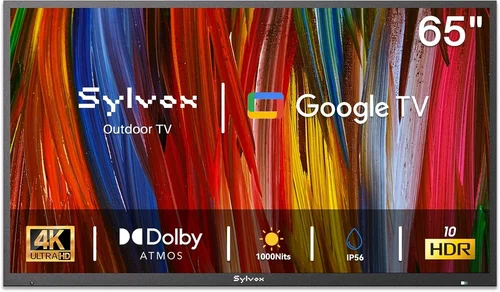
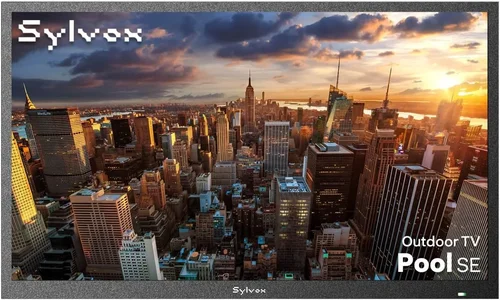
If you’ve ever tried watching your favorite show or live sports event from a lounge chair by the pool, you know how quickly glare, humidity, and unpredictable weather can ruin the experience. A standard indoor TV simply isn’t built to handle the unique challenges of a screened porch—especially one that opens up to a backyard pool area. That’s where a purpose-built poolside TV comes in. These specialized displays are engineered to deliver crisp visuals in bright, reflective environments while standing up to moisture, temperature swings, and dust. Whether you’re hosting summer barbecues, relaxing after a swim, or catching up on Netflix under the stars, the right outdoor TV transforms your screened porch into a true entertainment oasis.
This comprehensive buying guide is designed to help you navigate the growing market of outdoor and poolside televisions with confidence. We’ll walk you through every critical decision point—from screen brightness and weather resistance to smart features and installation logistics—so you can choose a model that fits your space, lifestyle, and budget. You’ll learn how to avoid common pitfalls, understand what specs truly matter outdoors, and discover which brands offer the best long-term value. By the end, you’ll have a clear roadmap to selecting a TV that not only survives but thrives in your screened porch environment.
The outdoor TV market has evolved rapidly over the past few years. What once consisted of bulky, expensive all-weather enclosures now includes sleek, fully sealed models from trusted consumer electronics brands. Companies like Samsung, LG, Sony, and specialized players such as SunBriteTV and Seura have introduced displays specifically engineered for covered outdoor spaces like screened porches, patios, and gazebos. These aren’t just indoor TVs shoved into plastic boxes—they feature enhanced optical coatings, anti-reflective screens, robust cooling systems, and IP-rated weatherproofing. With options ranging from budget-friendly 4K models to premium ultra-bright OLEDs, there’s never been a better time to upgrade your poolside viewing experience.

What to Look for When Buying Buying Guide
1. Screen Brightness & Anti-Glare Performance
When it comes to outdoor viewing, brightness isn’t just a nice-to-have—it’s essential. Standard indoor TVs typically range from 300 to 500 nits (a measure of luminance), but even on a shaded screened porch, ambient light can wash out the image. For comfortable daytime viewing near a pool, you’ll want a display that delivers at least 700 nits, with 1000+ nits being ideal. Higher brightness ensures colors stay vibrant and details remain visible when sunlight reflects off water or nearby surfaces.
But brightness alone isn’t enough. Glare is the real enemy of outdoor TVs. Look for models with anti-reflective coatings or optically bonded screens that minimize mirror-like reflections. Some premium outdoor TVs use direct-lit LED backlighting with local dimming to boost contrast in bright conditions, while others incorporate quantum dot technology for richer colors without sacrificing visibility. Avoid TVs with glossy, non-treated screens—they’ll turn into mirrors on sunny afternoons.
2. Weather Resistance & Environmental Durability
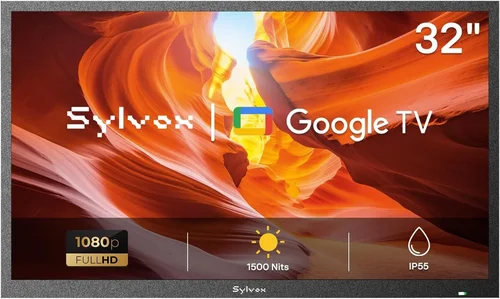
Even though your TV will be under a screened porch, it’s still exposed to humidity, temperature fluctuations, dust, and occasional wind-driven rain. Unlike indoor models, outdoor TVs must meet specific ingress protection (IP) ratings. Look for an IP55 or higher rating—this means the TV is protected against dust ingress and low-pressure water jets from any direction. Some high-end models boast IP66 or IP67 ratings, offering near-total protection against dust and temporary immersion.
Beyond IP ratings, consider the internal components. Outdoor TVs should have sealed cooling systems (no fans that suck in moisture), corrosion-resistant circuitry, and UV-stabilized casings that won’t yellow or crack over time. Pay attention to operating temperature ranges too—most quality outdoor models function reliably between -22°F and 122°F (-30°C to 50°C). Cheaper alternatives may claim “outdoor use” but lack proper thermal management, leading to overheating or premature failure.
3. Display Technology: LED vs. OLED vs. QLED
The type of display panel significantly impacts outdoor performance. Traditional LED-LCD TVs remain the most common choice for outdoor use due to their high brightness capabilities and lower cost. However, not all LED TVs are created equal. Full-array local dimming (FALD) models offer better contrast and black levels than edge-lit versions, which is helpful when watching movies at dusk.
QLED (Quantum Dot LED) TVs, like those from Samsung, enhance color volume and brightness without the burn-in risk of OLED. They’re excellent for bright environments and maintain color accuracy even at wide viewing angles—perfect for group gatherings around the pool. OLED TVs, while stunning indoors with perfect blacks and infinite contrast, struggle in direct or indirect sunlight because their peak brightness caps around 800 nits. Additionally, prolonged static content (like news tickers or sports scores) can cause image retention, a concern for outdoor setups where screens may display the same content for hours.
For most screened porch applications, a high-brightness QLED or FALD LED is the sweet spot. Reserve OLED for fully shaded or evening-only use.
4. Size & Viewing Distance
Choosing the right screen size depends on how far you’ll be sitting from the TV and the layout of your porch. A general rule of thumb: for every 1 inch of screen diagonal, sit about 1.5 to 2.5 feet away for optimal 4K viewing. So, a 55-inch TV is ideal for seating 7–12 feet away, while a 75-inch model shines at 10–15 feet.
However, don’t go oversized just because you can. On a screened porch, excessive size can overwhelm the space and create uncomfortable viewing angles, especially if people are lounging at varying distances. Measure your wall space carefully, accounting for mounting hardware and ventilation clearance (most outdoor TVs need 2–4 inches of airflow behind them). Also, consider whether the TV will be visible from multiple zones—like the pool deck, dining area, and hot tub—and choose a size that balances visibility with aesthetics.
5. Smart Features & Connectivity
Modern outdoor TVs come packed with smart platforms like Google TV, webOS, or Tizen, allowing access to streaming apps without external devices. This is crucial for poolside use, where running cables to a separate streaming box can be messy and impractical. Ensure the TV supports Wi-Fi 5 or Wi-Fi 6 for stable streaming, even if your router is indoors.
Look for multiple HDMI ports (at least 3), USB inputs for media playback, and Bluetooth for wireless audio to outdoor speakers. Some models include built-in voice assistants (Alexa, Google Assistant) for hands-free control—handy when your hands are wet or holding a drink. Avoid TVs with limited app stores or outdated operating systems; you’ll want regular software updates to keep security and functionality current.
6. Audio Quality & External Speaker Options
Most outdoor TVs have underpowered built-in speakers—fine for casual listening but inadequate for filling a pool area with sound. Wind, water splashes, and distance quickly drown out weak audio. While you can rely on external weatherproof speakers, it’s worth checking if the TV has a optical audio output, ARC (Audio Return Channel), or Bluetooth 5.0 for seamless pairing.
Some premium outdoor models include enhanced speaker systems with dedicated woofers or upward-firing drivers, but even these rarely match dedicated outdoor audio setups. Plan to invest in a separate soundbar or wireless speaker system designed for outdoor use. Ensure the TV’s audio settings allow you to disable internal speakers when using external audio to avoid echo.
7. Installation & Mounting Requirements
Proper mounting is critical for both performance and safety. Outdoor TVs are heavier than indoor models due to reinforced chassis and weatherproofing, so use a heavy-duty, tiltable wall mount rated for the TV’s weight and VESA pattern. Never mount directly to vinyl siding or thin wood—secure the bracket into wall studs or use masonry anchors for concrete walls.
Consider a full-motion articulating mount if you want to adjust the screen angle based on sun position or seating arrangement. Cable management is equally important: use waterproof conduit or raceways to protect power and HDMI cables from moisture and UV damage. Many homeowners run cables through the wall to a nearby indoor outlet, but always consult local electrical codes and consider hiring a licensed electrician for hardwired installations.
8. Brand Reputation & Warranty Coverage
Not all “outdoor” TVs are built to the same standard. Stick with reputable brands that specialize in or have proven outdoor product lines. SunBriteTV, for example, has been making all-weather displays for over a decade and offers comprehensive warranties. Samsung’s “The Terrace” series and LG’s “OLED Flex” (for semi-outdoor use) are backed by major manufacturers with strong service networks.
Check warranty terms carefully. A quality outdoor TV should come with at least a 2-year limited warranty covering parts and labor, with extended options available. Beware of brands that offer only 1-year coverage or exclude environmental damage—this is a red flag. Read customer reviews on retailer sites and forums like AVS Forum to gauge real-world reliability and post-purchase support.
Different Types of Buying Guide

Common Buying Mistakes to Avoid
❌ Mistake: Buying an Indoor TV for Outdoor Use
Why it’s bad: Indoor TVs lack weatherproofing, proper cooling, and sufficient brightness. Humidity can corrode internal components, and glare will make the screen unreadable during the day. Most indoor models also void warranties if used outdoors.
What to do instead: Invest in a TV specifically rated for covered or fully outdoor use. Even if your porch is screened, moisture and temperature swings demand specialized engineering.
❌ Mistake: Ignoring Viewing Angles and Sun Path
Why it’s bad: Mounting a TV where direct or reflected sunlight hits the screen creates unbearable glare, especially near water. Poor placement leads to constant squinting or turning the TV off during peak hours.
What to do instead: Observe your porch’s sun exposure throughout the day. Use a tilt or swivel mount to adjust the screen angle, and consider anti-glare screen protectors or external sunshades if needed.
❌ Mistake: Overlooking Audio Needs
Why it’s bad: Relying solely on built-in TV speakers results in tinny, distant sound that gets lost in outdoor noise. Guests end up straining to hear dialogue or music.
What to do instead: Pair your TV with weather-resistant outdoor speakers or a soundbar. Look for models with Bluetooth or wired audio outputs for easy integration.
❌ Mistake: Skimping on Mounting Hardware
Why it’s bad: Using flimsy or indoor-rated mounts risks the TV falling, especially in windy conditions. This poses a serious safety hazard and can damage the TV.
What to do instead: Purchase a heavy-duty, outdoor-certified wall mount with corrosion-resistant bolts. Ensure it’s anchored securely into structural elements, not just drywall or siding.
❌ Mistake: Neglecting Cable Management
Why it’s bad: Exposed cables are vulnerable to water damage, UV degradation, and tripping hazards. They also detract from the clean look of your setup.
What to do instead: Use waterproof cable conduits, in-wall raceways, or outdoor-rated extension cords. Label cables for easy troubleshooting later.
❌ Mistake: Choosing Based Solely on Price
Why it’s bad: The cheapest “outdoor” TVs often cut corners on brightness, sealing, and build quality, leading to early failure and frustration.
What to do instead: Prioritize value over absolute low cost. A mid-range covered outdoor TV often lasts longer and performs better than a budget all-weather model.
Budget Guidelines: How Much Should You Spend?
– Entry-Level ($800–$1,500): These are typically indoor TVs paired with third-party outdoor enclosures or basic covered models with 700–900 nits brightness. Suitable for shaded porches with minimal sun exposure. Expect limited smart features and shorter lifespans (3–5 years).
– Mid-Range ($1,500–$3,000): The sweet spot for most homeowners. Includes purpose-built covered outdoor TVs with 1,000+ nits brightness, IP55 rating, robust smart platforms, and reliable warranties. Models like the SunBriteTV Veranda series or Samsung The Terrace (smaller sizes) fall here. Expect 5–7 years of dependable service.
– Premium ($3,000–$5,000): For enthusiasts who want top-tier performance. Features include 1,500–2,000+ nits brightness, QLED or advanced LED panels, premium audio, and extended warranties. Ideal for porches with partial sun or high-end entertainment setups.
– Luxury ($5,000+): Reserved for all-weather, commercial-grade, or ultra-large displays (75″+). These offer IP67 ratings, 24/7 operation capability, and professional installation support. Best for luxury homes, vacation rentals, or hospitality settings.
Expert Tips for Getting the Best Deal
– Buy during off-season sales: Late fall and winter (October–February) offer the deepest discounts on outdoor electronics as demand drops. Retailers clear inventory before spring.
– Check manufacturer refurbished programs: Brands like SunBriteTV and Samsung sell certified refurbished outdoor TVs at 20–30% off with full warranties.
– Bundle with installation: Some retailers (e.g., Best Buy, Crutchfield) offer discounted professional installation when purchasing an outdoor TV—worth it for complex mounts or wiring.
– Read the fine print on warranties: Ensure environmental damage (humidity, temperature) is covered. Avoid extended warranties from third-party sellers—they’re often overpriced and restrictive.
– Test brightness in person if possible: Visit a showroom or dealer that displays outdoor TVs under simulated daylight conditions. Glare performance is hard to judge from specs alone.
– Consider energy efficiency: Outdoor TVs run longer hours. Look for ENERGY STAR certification or models with auto-dimming sensors to reduce power consumption.
– Plan for future upgrades: Choose a TV with HDMI 2.1 and eARC support if you plan to add a gaming console or high-end sound system later.

Frequently Asked Questions
Q: Can I use a regular TV on my screened porch?
A: Technically yes, but it’s not recommended. Indoor TVs aren’t sealed against moisture, lack sufficient brightness for daylight viewing, and may overheat without proper ventilation. Most warranties are voided if used outdoors, even under cover.
Q: Do I need a special outlet for an outdoor TV?
A: Yes. Use a GFCI (Ground Fault Circuit Interrupter) outlet installed by a licensed electrician. This protects against electrical shock in damp environments and is required by most building codes for outdoor use.
Q: How do I clean an outdoor TV screen?
A: Use a microfiber cloth slightly dampened with distilled water. Never spray liquid directly on the screen. Avoid ammonia-based cleaners or abrasive materials that can damage anti-reflective coatings.
Q: Will an outdoor TV work in winter?
A: Most quality outdoor TVs operate down to -22°F (-30°C). However, extreme cold can temporarily reduce brightness. Store the remote indoors and allow the TV to warm up gradually if moved from a cold garage.
Q: Can I mount an outdoor TV under a pergola?
A: Yes, as long as the pergola is fully covered and protected from rain. Ensure there’s adequate airflow around the TV and that the mounting surface is sturdy enough to support the weight.
Q: Are outdoor TVs compatible with streaming devices?
A: Absolutely. Most have built-in smart platforms, but you can also connect Fire Stick, Roku, or Apple TV via HDMI. Just use weatherproof cable covers to protect connections.
Q: How long do outdoor TVs typically last?
A: With proper installation and maintenance, a quality covered outdoor TV lasts 6–10 years. All-weather models can exceed 10 years in moderate climates.
Q: Do outdoor TVs come with remotes that work in sunlight?
A: Yes, most include IR remotes with extended range. Some premium models offer Bluetooth remotes or smartphone app control, which are less affected by bright light.
Our Final Recommendations
– Best for Budget-Conscious Buyers: TCL 55″ 5-Series QLED (with outdoor enclosure) – At around $900 total, this combo delivers 1,000 nits brightness, Dolby Vision, and Roku TV for a fraction of dedicated outdoor models. Ideal for fully shaded porches.
– Best Overall Value: SunBriteTV Veranda 55″ 4K UHD – Priced at ~$2,200, it offers IP55 rating, 1,000 nits brightness, Android TV, and a 2-year warranty. Perfect balance of performance, durability, and features.
– Best Premium Option: Samsung The Terrace 65″ Full Sun – At ~$4,500, this QLED beast delivers 2,000 nits, IP56 rating, and stunning color accuracy. Built for porches with significant sun exposure.
– Best for Beginners: LG 55″ UQ7500 (with Seura Outdoor Enclosure) – A user-friendly webOS interface, 800 nits brightness, and easy setup make this a great entry point for first-time outdoor TV owners.
– Best for Advanced Users: SunBriteTV Pro 2 75″ Direct Sun – For tech-savvy homeowners who want maximum brightness (2,600 nits), modular design, and commercial-grade reliability. Overkill for most—but unmatched for serious outdoor cinephiles.
Conclusion: Making the Right Choice
Choosing the best poolside TV for your screened porch isn’t just about picking the shiniest screen—it’s about matching technology to your environment, usage habits, and long-term expectations. Brightness, weather resistance, smart functionality, and proper installation are non-negotiable pillars of a successful outdoor setup. While it’s tempting to cut corners, investing in a purpose-built outdoor TV pays dividends in reliability, image quality, and peace of mind.
Remember: your screened porch is an extension of your living space, not just a transitional zone. The right TV turns casual hangouts into memorable experiences—whether you’re watching the big game with friends, enjoying a movie night under the stars, or simply unwinding with a podcast after a swim. Take the time to assess your space, prioritize your must-have features, and don’t hesitate to consult professionals for mounting and wiring. With the insights from this guide, you’re well-equipped to make a confident, informed decision that will keep your poolside entertainment shining bright for years to come.

