
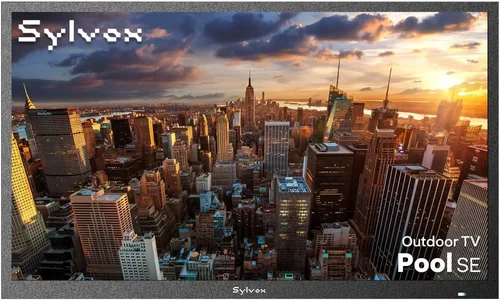
Transforming your small patio into a luxurious outdoor entertainment zone is easier than ever—thanks to modern poolside TVs designed specifically for compact, sun-drenched spaces. Whether you’re lounging by the water, hosting friends for a summer barbecue, or simply unwinding after a long day, having a high-quality outdoor TV nearby elevates the entire experience. But not all TVs are built to withstand the unique challenges of outdoor environments: intense sunlight, humidity, salt air, temperature swings, and even splashes from the pool. That’s why choosing the right poolside TV isn’t just about picture quality—it’s about durability, smart design, and seamless integration into your limited space.
This comprehensive buying guide is crafted for homeowners, renters, and outdoor living enthusiasts who want to make a smart, informed decision when selecting a TV for their small patio. You’ll learn exactly what to look for—from weather resistance and brightness levels to smart features and mounting options—so you can enjoy crystal-clear viewing without compromising on safety or style. We’ll walk you through the key factors that matter most, compare different types of outdoor TVs, highlight common pitfalls to avoid, and provide expert-backed recommendations tailored to various budgets and needs. By the end of this guide, you’ll have all the knowledge you need to pick a poolside TV that delivers both performance and peace of mind.
The market for outdoor TVs has evolved dramatically in recent years. Once dominated by bulky, expensive commercial-grade displays, today’s options include sleek, consumer-friendly models that blend aesthetics with rugged engineering. Brands like Samsung, LG, Sony, and specialized outdoor manufacturers such as SunBriteTV and Seura now offer solutions that are not only weatherproof but also optimized for bright daylight viewing—a critical factor for any poolside setup. With advancements in anti-glare coatings, IP-rated enclosures, and wireless connectivity, even small patios can now support a premium outdoor entertainment system. However, with so many choices available, it’s easy to get overwhelmed. This guide cuts through the noise, focusing specifically on compact, high-performance TVs ideal for intimate outdoor spaces where every inch counts.

What to Look for When Buying Buying Guide
1. Weather Resistance & IP Rating
When placing a TV outdoors—especially near a pool—weather resistance isn’t optional; it’s essential. Unlike indoor TVs, outdoor models must endure rain, humidity, dust, and temperature extremes without failing. The first thing to check is the TV’s Ingress Protection (IP) rating, which indicates how well the device resists solid particles (like dust) and liquids (like water). For poolside use, look for an IP55 or higher rating. IP55 means the TV is protected against dust ingress (limited) and low-pressure water jets from any direction—perfect for splashes or light rain. If you live in a coastal area or expect heavy rainfall, consider IP65 or IP66 ratings for added security.
Beyond the IP rating, examine the materials used in the TV’s construction. Aluminum housings are common because they resist corrosion and dissipate heat efficiently. Avoid plastic enclosures unless explicitly rated for outdoor use, as they can warp or degrade under UV exposure. Also, ensure all ports and connectors are sealed or covered. Some premium models include built-in ventilation systems that prevent overheating while keeping moisture out—a smart feature for hot climates.
2. Brightness & Anti-Glare Performance
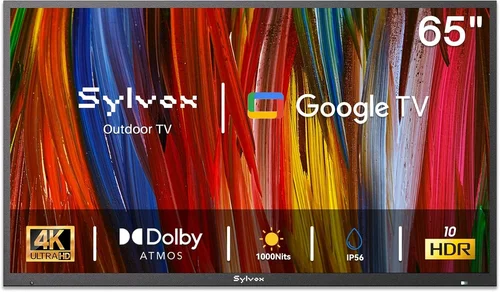
Sunlight is the enemy of screen visibility. Even the best indoor TV will appear washed out when placed in direct sunlight. That’s why brightness—measured in nits—is one of the most critical specs for a poolside TV. For small patios with partial shade, a minimum of 700 nits is recommended. However, if your TV will be exposed to full sun for extended periods, aim for 1,000 nits or more. High-brightness panels use advanced backlighting and optical filters to maintain color accuracy and contrast even under harsh lighting.
Equally important is anti-glare technology. Look for TVs with matte or anti-reflective coatings that diffuse ambient light rather than reflecting it. Some models feature optically bonded glass, which reduces internal reflections and improves clarity. Additionally, consider the screen’s viewing angle. Wide-angle panels (178 degrees or more) ensure everyone around the pool can see the screen clearly, even from oblique positions. OLED screens, while stunning indoors, often struggle in bright conditions due to lower peak brightness—so QLED or high-end LED/LCD panels are generally better suited for outdoor use.
3. Size & Space Optimization
Small patios demand smart space planning. A TV that’s too large can overwhelm the area, block airflow, or interfere with furniture layout. Conversely, a screen that’s too small may not deliver an immersive experience. For most compact patios, a 43-inch to 55-inch TV strikes the ideal balance between visibility and proportion. Measure your intended mounting spot carefully—including clearance for ventilation, cable routing, and access to controls—before making a purchase.
Consider how the TV will be mounted. Wall mounts save floor space and create a clean, modern look, but require sturdy attachment points. Ceiling mounts offer flexibility and keep the area below unobstructed, though they may need professional installation. Some models come with slim-profile designs or detachable stands that allow tabletop placement on a weatherproof console. If your patio has limited wall space, look for ultra-thin bezels or frameless designs that maximize screen real estate without increasing overall dimensions.
4. Smart Features & Connectivity
Today’s outdoor TVs aren’t just displays—they’re full-fledged smart entertainment hubs. Built-in Wi-Fi, Bluetooth, and streaming platforms like Android TV, webOS, or Tizen let you access Netflix, YouTube, Disney+, and more without needing external devices. This is especially useful on small patios where clutter should be minimized. Look for models with voice control compatibility (Google Assistant or Alexa) so you can change channels or adjust volume without fumbling for remotes near the water.
Connectivity options matter too. Ensure the TV has enough HDMI ports for gaming consoles, soundbars, or streaming sticks. USB ports are handy for playing media files directly from a flash drive. Some outdoor TVs include weatherproof cable glands or rear access panels to keep connections dry and organized. Wireless screen mirroring (via Miracast or AirPlay) allows you to share content from phones or tablets—great for showing vacation photos or playing music videos during parties.
5. Audio Quality & Sound Solutions
Outdoor acoustics are tricky. Wind, water noise, and open spaces can drown out built-in speakers, even on high-end models. While many outdoor TVs include decent audio systems, they’re rarely sufficient for poolside entertainment. Consider pairing your TV with a weather-resistant soundbar or wireless outdoor speakers. Look for audio outputs (optical or HDMI ARC) that support external audio systems.
If you prefer an all-in-one solution, some premium outdoor TVs integrate powerful, directional speakers designed to project sound toward seating areas while minimizing echo. Others offer Bluetooth pairing for portable speakers you can place strategically around the patio. Remember: audio quality directly impacts your viewing experience, so don’t overlook this factor—even if it means investing in a separate sound system.
6. Brand Reputation & Reliability
Not all outdoor TV brands are created equal. Established names like Samsung and LG offer reliable smart platforms and strong customer support, but their standard models aren’t always built for outdoor use. Specialized brands like SunBriteTV, Seura, and Avid Power focus exclusively on outdoor displays and often include enhanced durability features, longer warranties, and better after-sales service.
Research user reviews and professional ratings before buying. Pay attention to reports about long-term performance in humid or sunny climates. A brand with a proven track record in outdoor electronics is more likely to deliver a product that lasts 5–7 years or more—even in challenging conditions. Avoid unknown brands with vague specifications or no clear warranty policy.
7. Warranty & Support
Outdoor electronics come with higher risks, so a robust warranty is non-negotiable. Most reputable manufacturers offer at least a 2-year limited warranty covering defects and workmanship. Premium brands may extend this to 3–5 years, sometimes with optional extended coverage. Check what’s included: Does the warranty cover accidental damage? Is on-site service available? Are replacement parts readily accessible?
Customer support responsiveness is equally important. Can you reach a human quickly? Is there a dedicated outdoor product line support team? Read forums and review sites to gauge real-world experiences. A strong warranty and responsive support can save you hundreds in repair costs and downtime.
8. Installation & Maintenance Requirements
Even the best TV won’t perform well if installed incorrectly. Professional installation is highly recommended for outdoor setups, especially if wiring needs to be run through walls or under decks. Improper sealing around mounts or cables can lead to water intrusion and electrical hazards. Many manufacturers partner with certified installers who understand local building codes and safety standards.
Maintenance is another consideration. While outdoor TVs are designed to be low-maintenance, they still benefit from occasional cleaning. Use a soft, dry cloth to wipe down the screen and housing—avoid harsh chemicals or abrasive materials. Check seals and gaskets annually for wear. Some models include self-diagnostic tools that alert you to potential issues before they become serious.
Different Types of Buying Guide

Common Buying Mistakes to Avoid
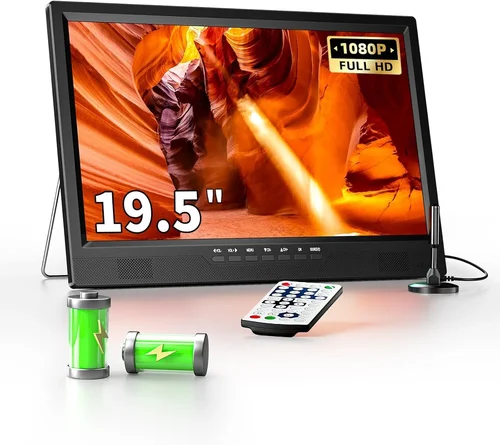
❌ Mistake: Using an Indoor TV Outdoors
Why it’s bad: Indoor TVs lack weatherproofing, corrosion-resistant components, and adequate brightness for outdoor use. Exposure to moisture can cause immediate electrical failure, while sunlight will render the screen unreadable. Repair costs often exceed the TV’s original price.
What to do instead: Invest in a purpose-built outdoor TV or use a certified weatherproof enclosure if budget is tight. Never compromise on safety—electrical hazards near water are extremely dangerous.
❌ Mistake: Ignoring Sunlight Conditions
Why it’s bad: A TV with only 300–400 nits brightness will look dim and washed out in daylight, ruining your viewing experience. You’ll constantly adjust seating or shade, which defeats the purpose of outdoor entertainment.
What to do instead: Assess your patio’s sun exposure throughout the day. Choose a TV with at least 700 nits for partial shade and 1,000+ nits for full sun. Test brightness specs under real-world conditions if possible.
❌ Mistake: Overlooking Audio Needs
Why it’s bad: Built-in speakers on outdoor TVs are often muffled by ambient noise from water features, wind, or traffic. Poor audio makes movies, sports, and music frustrating to enjoy.
What to do instead: Plan for external audio from day one. Pair your TV with weather-resistant speakers or a soundbar. Use wireless options to reduce cable clutter.
❌ Mistake: Skimping on Installation
Why it’s bad: DIY installations without proper sealing or grounding can lead to water damage, electrical shorts, or structural issues. Incorrect mounting may also void your warranty.
What to do instead: Hire a certified outdoor AV installer. They’ll ensure safe wiring, proper ventilation, and compliance with local codes—especially critical near pools.
❌ Mistake: Choosing Based on Price Alone
Why it’s bad: The cheapest option often lacks essential features like adequate brightness, weather sealing, or smart functionality. You may end up replacing it within a year.
What to do instead: Focus on total value—not just upfront cost. Consider longevity, energy efficiency, and included features. A mid-range TV with strong reviews often outperforms a budget model long-term.
❌ Mistake: Neglecting Cable Management
Why it’s bad: Exposed cables are tripping hazards, attract pests, and degrade faster outdoors. They also detract from your patio’s aesthetic.
What to do instead: Use conduit, cable raceways, or in-wall wiring (if permitted). Choose TVs with rear access panels or built-in cable management systems.
❌ Mistake: Forgetting About Future Upgrades
Why it’s bad: Buying a TV with outdated ports or no smart platform limits your ability to add new devices or streaming services later.
What to do instead: Opt for future-proof features: HDMI 2.1, Wi-Fi 6, voice control, and regular firmware updates. This extends the TV’s useful life.
Budget Guidelines: How Much Should You Spend?
Entry-Level ($500–$900): This tier includes indoor TVs in basic weatherproof enclosures or older partial-shade outdoor models. Expect 550–700 nits brightness, limited smart features, and shorter warranties (1–2 years). Best for covered patios with minimal sun exposure or temporary setups. Brands like Avid Power offer decent value here, but don’t expect premium durability.
Mid-Range ($900–$1,800): The sweet spot for most small patio owners. These TVs offer 700–1,000 nits brightness, IP54 or IP55 ratings, reliable smart platforms (Android TV or webOS), and 2–3 year warranties. Models from SunBriteTV’s Veranda series or LG’s outdoor-ready displays fit here. You’ll get excellent picture quality, solid build, and room for external audio upgrades.
Premium ($1,800–$3,000): Designed for enthusiasts who want top-tier performance and longevity. Expect 1,000+ nits brightness, IP65+ ratings, ultra-thin designs, advanced anti-glare coatings, and 3–5 year warranties. Brands like Seura and SunBriteTV’s Pro series dominate this space. Ideal for full-sun patios, coastal homes, or those who entertain frequently.
Luxury ($3,000+): For those who demand the absolute best. These include custom-built outdoor displays, integrated heating/cooling systems, 4K HDR with local dimming, and concierge-level support. Often used in high-end resorts or luxury homes. While overkill for most, they offer unmatched reliability and aesthetics.
Expert Tips for Getting the Best Deal
- Buy during off-season: Prices drop significantly in fall and winter (October–February) when demand for outdoor electronics declines. Many retailers clear inventory before spring.
- Check manufacturer rebates: Brands like SunBriteTV often run promotions or bundle deals with mounts or speakers. Sign up for newsletters to stay informed.
- Compare total cost of ownership: Factor in installation, cables, audio systems, and potential repairs. A slightly pricier TV with better efficiency and warranty may save money long-term.
- Read professional reviews: Sites like CNET, Wirecutter, and Outdoor Electronics Review test TVs in real outdoor conditions—more reliable than specs alone.
- Negotiate installation packages: Some dealers offer discounts when you bundle TV purchase with professional setup. Ask about package deals.
- Verify return policies: Ensure you can return or exchange the TV if it doesn’t perform as expected outdoors. Some retailers only accept returns for indoor use.
- Consider refurbished units: Certified refurbished outdoor TVs from reputable sellers often come with full warranties at 20–30% off retail.
- Test brightness in person: If possible, visit a showroom or request a demo. Screen visibility varies greatly between models—even with similar nit ratings.

Frequently Asked Questions
Q: Can I use a regular TV outdoors if I cover it?
A: Technically yes, but it’s not recommended. Even with a cover, indoor TVs lack proper ventilation, corrosion protection, and brightness for outdoor use. Moisture can seep in, and overheating is common. For safety and performance, choose an outdoor-rated model.
Q: Do outdoor TVs consume more power?
A: Not necessarily. Modern outdoor TVs use energy-efficient LED backlighting and smart power management. Many are ENERGY STAR certified. However, higher brightness settings do increase consumption slightly—still far less than older plasma or CRT models.
Q: How do I protect my TV from pool chemicals?
A: Saltwater and chlorine can corrode electronics over time. Choose a TV with a sealed aluminum chassis and avoid placing it directly downwind of splash zones. Rinse the housing occasionally with fresh water if exposed to salt spray.
Q: Can I mount an outdoor TV on a pergola?
A: Yes, but ensure the structure is sturdy enough to support the weight (typically 30–60 lbs). Use corrosion-resistant mounting hardware and seal all penetrations. Consult a contractor if unsure about load capacity.
Q: Are outdoor TVs compatible with streaming devices?
A: Absolutely. Most include HDMI ports for Fire Stick, Roku, Apple TV, or Chromecast. Some even have built-in streaming apps, eliminating the need for external devices.
Q: What’s the average lifespan of an outdoor TV?
A: With proper care, 5–7 years is typical. Premium models with robust cooling and sealing can last 8+ years. Avoid leaving the TV on 24/7 to extend component life.
Q: Do I need a special remote for outdoor use?
A: Not usually. Most outdoor TVs come with standard IR or Bluetooth remotes. For better range in bright light, consider a remote with backlighting or voice control.
Q: Can outdoor TVs be used in winter?
A: Yes, if rated for cold climates. Check the operating temperature range (usually -22°F to 122°F for premium models). Avoid turning on the TV immediately after bringing it in from extreme cold—let it acclimate first.
Q: Is professional installation worth the cost?
A: For most users, yes. Proper installation ensures safety, optimal performance, and warranty validity. DIY attempts risk water damage, electrical issues, or voided coverage.
Q: Can I connect my outdoor TV to a home theater system?
A: Definitely. Use HDMI ARC, optical audio, or Bluetooth to link to receivers, soundbars, or wireless speaker systems. Just ensure all components are weather-resistant or placed in protected areas.
Our Final Recommendations
Best for Budget-Conscious Buyers: Avid Power 50″ Partial-Shade Outdoor TV – At under $900, this model offers 750 nits brightness, IP54 rating, and Android TV for streaming. Ideal for covered patios with limited sun exposure. While not as rugged as premium options, it delivers solid value for the price.
Best Overall Value: SunBriteTV Veranda Series 55″ – Priced around $1,600, this TV combines 1,000 nits brightness, IP55 weather resistance, and a sleek design. It includes built-in Wi-Fi, voice control, and a 3-year warranty. Perfect for small patios that see mixed sun and shade.
Best Premium Option: Seura 55″ Ultra-Thin Outdoor Display – At $2,800, this is a luxury choice with 1,200 nits brightness, IP65 rating, and a nearly bezel-less design. Its optically bonded screen eliminates glare, and it supports 4K HDR. Ideal for modern, sun-drenched patios where aesthetics and performance matter most.
Best for Beginners: LG 50″ Outdoor-Ready Smart TV (with optional enclosure) – LG’s reputation for reliability shines here. Pair their high-brightness indoor model with a certified weatherproof case (sold separately) for a customizable, user-friendly setup. Great for renters or those new to outdoor AV.
Best for Advanced Users: SunBriteTV Pro Series 55″ with Integrated Cooling – Designed for extreme environments, this $3,200 TV features active cooling, 1,500 nits brightness, and military-grade durability. Includes advanced diagnostics and 5-year warranty. Best for coastal homes or full-sun patios requiring maximum resilience.
Conclusion: Making the Right Choice
Choosing the right poolside TV for your small patio is about more than just picking a screen—it’s about creating a safe, enjoyable, and lasting outdoor entertainment experience. From weather resistance and brightness to smart features and installation, every detail matters when you’re blending technology with nature. By prioritizing your specific needs—whether that’s budget, sun exposure, or aesthetic preferences—you can find a TV that enhances your space without compromising on quality or safety.
Remember, the cheapest option isn’t always the best value, and the most expensive model may be overkill for your setup. Focus on the factors that align with your lifestyle: if you entertain often, invest in audio and smart features; if you live in a sunny climate, prioritize brightness and anti-glare tech. And never skip professional installation—it’s a small price to pay for peace of mind near water and electricity.
With the insights from this guide, you’re now equipped to make a confident, informed decision. Take your time, compare options, and don’t hesitate to reach out to manufacturers or installers with questions. Your perfect poolside TV is out there—ready to turn sunny afternoons and starry evenings into unforgettable moments with family and friends.

