
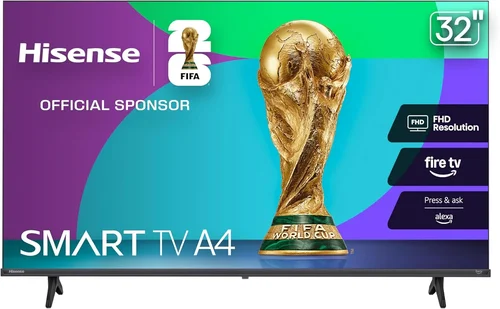
When it comes to enhancing the guest experience at a rental property—especially one with a pool—few upgrades deliver as much value and appeal as a high-quality poolside TV. Whether you’re managing a vacation rental, a short-term Airbnb, or a boutique resort, adding a television near the pool transforms downtime into entertainment, keeps guests engaged, and can significantly boost your property’s ratings and repeat bookings. But not all TVs are created equal when it comes to outdoor or semi-outdoor use. Exposure to humidity, temperature swings, direct sunlight, and accidental splashes demands a specialized approach to selection. That’s where this comprehensive guide comes in.
In this expert-level buying guide, we’ll walk you through everything you need to know to choose the best poolside TV for your rental home in 2026. From understanding critical performance specs like brightness and weather resistance, to comparing different types of outdoor TVs, avoiding common pitfalls, and maximizing your budget, we’ve got you covered. You’ll learn how to balance durability with cost, what features truly matter for guest satisfaction, and how to future-proof your investment. Whether you’re upgrading an existing setup or installing your first poolside entertainment system, this guide will help you make a smart, informed decision that enhances both guest enjoyment and your return on investment.
The market for outdoor and poolside televisions has evolved dramatically in recent years. Once limited to bulky, expensive commercial-grade models, today’s options include sleek, consumer-friendly designs that blend seamlessly into luxury backyards while offering robust protection against the elements. Brands like Samsung, LG, SunBrite, and Seura have introduced models specifically engineered for outdoor use, with features like anti-glare screens, weatherproof casings, and enhanced cooling systems. At the same time, smart TV capabilities, voice control, and streaming integration have made these devices more functional than ever. With so many choices available, it’s easy to feel overwhelmed—but with the right knowledge, you can confidently select a TV that delivers reliable performance, long-term durability, and guest delight.
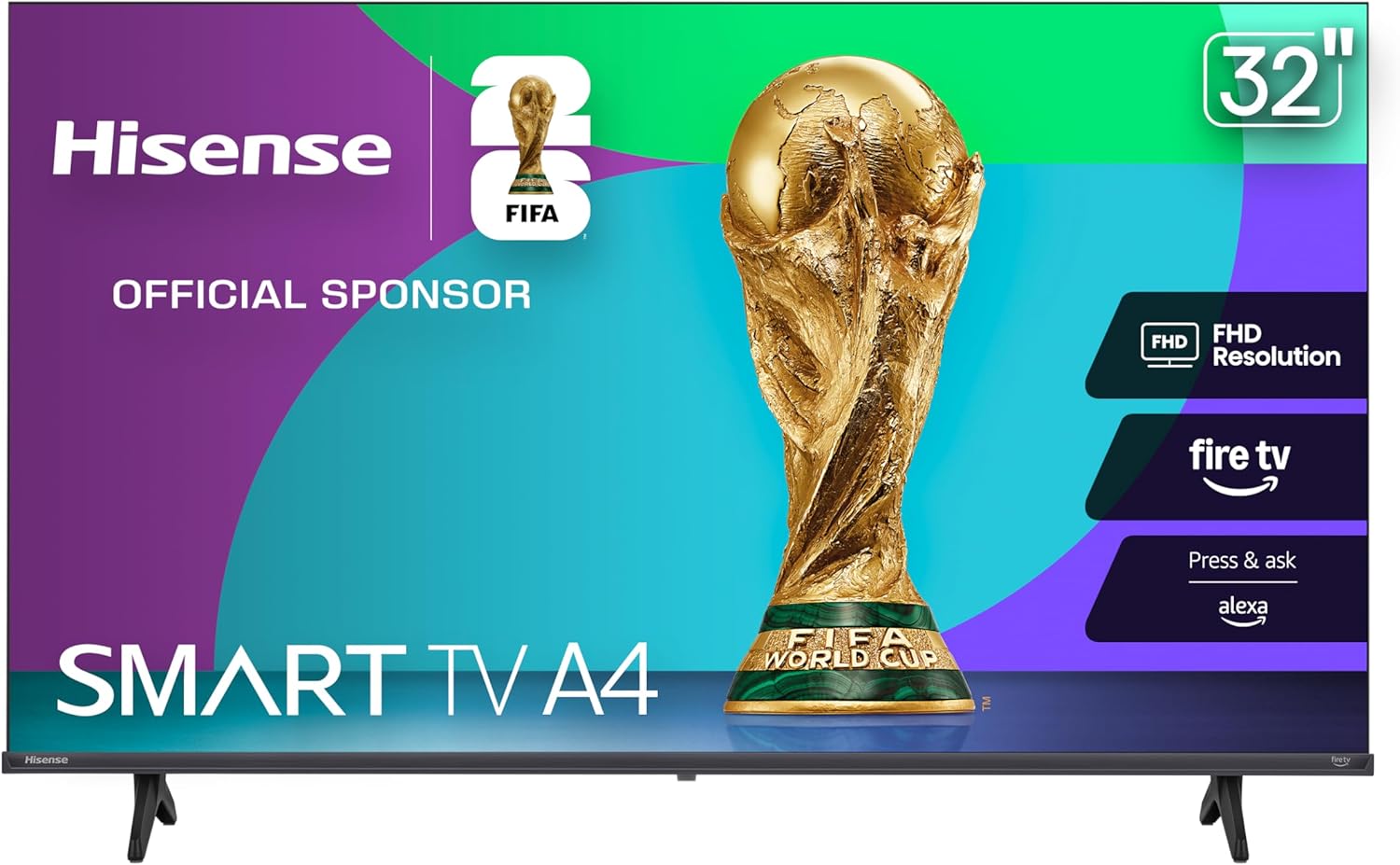
What to Look for When Buying Buying Guide
1. Weather Resistance & IP Rating
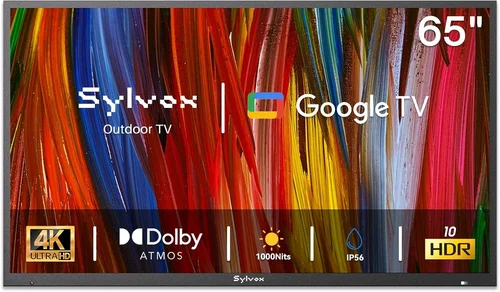
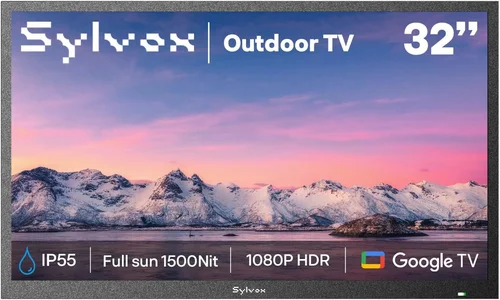
One of the most critical factors when selecting a poolside TV is its ability to withstand environmental challenges. Unlike indoor TVs, poolside models are exposed to moisture, humidity, rain, dust, and temperature fluctuations. Look for televisions with a high Ingress Protection (IP) rating—specifically IP55 or higher. An IP55 rating means the TV is protected against dust ingress and low-pressure water jets from any direction, making it ideal for covered patios or pool decks. For fully exposed areas, consider IP65 or IP66 ratings, which offer even greater protection against water and dust.
Additionally, ensure the TV is designed for outdoor use with sealed ports, corrosion-resistant materials, and internal components that resist condensation. Some manufacturers go further by using conformal coating on circuit boards to prevent moisture damage. Avoid using standard indoor TVs outdoors, even under a roof—they lack the necessary protection and can fail prematurely, leading to costly replacements and unhappy guests.
2. Screen Brightness & Anti-Glare Technology
Sunlight is the enemy of screen visibility. A typical indoor TV peaks at around 300–400 nits of brightness, which is insufficient for outdoor viewing. For poolside use, you’ll need a TV with at least 700 nits, but ideally 1000 nits or more. High brightness ensures the image remains clear and vibrant even in direct sunlight. Look for models with high dynamic range (HDR) support, such as HDR10 or Dolby Vision, which enhance contrast and color depth in bright conditions.
Equally important is anti-glare or anti-reflective coating on the screen. This reduces reflections from the sun or surrounding surfaces, improving visibility and reducing eye strain for guests. Some premium outdoor TVs use optically bonded glass, which minimizes air gaps between the screen layers and further reduces glare. If your TV will be mounted facing a window or in a spot with strong ambient light, this feature is non-negotiable.
3. Durability & Build Quality
Rental properties face heavy usage, and poolside TVs are no exception. Guests may accidentally bump into the unit, spill drinks nearby, or leave it on during storms. Therefore, the build quality must be robust. Look for TVs with metal enclosures, reinforced frames, and shatter-resistant screens. Many outdoor models feature powder-coated aluminum or stainless steel bodies that resist rust and corrosion—critical in humid, salt-air environments near pools.
Also consider the mounting system. A secure, vandal-resistant mount can prevent tampering or theft, especially in high-traffic rentals. Some models come with locking mechanisms or tamper-proof screws. Additionally, internal components should be designed to handle temperature extremes—outdoor TVs often include built-in cooling fans or passive heat dissipation systems to prevent overheating during summer months.
4. Smart Features & Connectivity
Today’s guests expect seamless access to streaming services like Netflix, YouTube, and Disney+. A smart TV with built-in Wi-Fi and popular apps eliminates the need for external streaming devices, simplifying setup and reducing clutter. Look for models running Android TV, webOS (LG), or Tizen (Samsung), as these platforms offer broad app support and regular updates.
Connectivity is also key. Ensure the TV has multiple HDMI ports (at least two), USB inputs, and Bluetooth support for wireless audio. Some models include weatherproof cable glands or sealed input panels to protect connections from moisture. For rental properties, consider TVs with guest mode or limited access settings, allowing visitors to enjoy content without accessing personal accounts or settings.
5. Size & Viewing Distance
Choosing the right screen size depends on the layout of your pool area and typical viewing distances. For most residential pools, a 43-inch to 55-inch TV is ideal. A 43-inch screen works well for smaller patios or cabanas, while a 55-inch model suits larger decks or outdoor living rooms. Use the 1.5x rule: multiply the screen size by 1.5 to get the optimal viewing distance in inches. For example, a 50-inch TV should be viewed from about 75 inches (6.25 feet) away.
Avoid oversized TVs that overwhelm the space or require guests to sit too close, which can cause eye strain. Conversely, a TV that’s too small may be difficult to see from pool loungers or outdoor seating. Consider the sightlines from common guest areas—chaise lounges, outdoor sofas, or dining tables—and position the TV accordingly. Wall mounts with tilt or swivel capabilities offer flexibility for adjusting the angle based on sun position or seating arrangements.
6. Audio Quality & External Speaker Options
While many outdoor TVs include built-in speakers, they often lack the power and clarity needed for open-air environments. Wind, water splashes, and ambient noise can drown out dialogue, especially during movie nights or sports events. For this reason, consider pairing your TV with external weatherproof speakers or a soundbar designed for outdoor use.
Look for TVs with audio output options such as optical audio, Bluetooth, or 3.5mm aux ports. Some models support HDMI ARC (Audio Return Channel), which simplifies connection to external audio systems. If you plan to install a full outdoor audio setup, ensure the TV can integrate seamlessly. Alternatively, choose a model with enhanced built-in audio—some premium outdoor TVs feature upward-firing speakers or Dolby Atmos support for immersive sound.
7. Brand Reputation & Reliability
Not all TV manufacturers specialize in outdoor models, and not all outdoor TVs are created equal. Stick with reputable brands known for quality and customer support. Samsung and LG offer consumer-grade outdoor TVs with strong performance and smart features. SunBriteTV and Seura are leaders in the dedicated outdoor TV market, with models engineered from the ground up for harsh conditions.
Research brand reliability by reading long-term user reviews and checking warranty terms. A brand with a strong track record in outdoor electronics is more likely to stand behind its products and provide timely support. Avoid unknown or generic brands that may cut corners on materials or fail to deliver on promised features. A reliable brand also ensures better resale value if you ever decide to upgrade or sell the unit.
8. Warranty & Support
Outdoor TVs are a significant investment, and a solid warranty can protect you from unexpected failures. Look for models with at least a 2-year manufacturer warranty, with some premium brands offering 3 to 5 years. Check what the warranty covers—does it include labor, parts, and on-site service? Some companies provide expedited replacement programs, which is crucial for rental properties where downtime affects guest experience.
Also consider the availability of customer support. Can you reach a technician quickly if the TV malfunctions? Are replacement parts readily available? Brands with dedicated outdoor TV support teams are preferable. Additionally, some retailers offer extended warranties or service plans, which may be worth the extra cost for peace of mind.
Different Types of Buying Guide

Common Buying Mistakes to Avoid
❌ Mistake: Using a Standard Indoor TV Outdoors
Why it’s bad: Indoor TVs are not designed to handle moisture, humidity, or temperature changes. Even under a covered patio, condensation can form inside the unit, leading to corrosion, short circuits, and premature failure. The screen may also suffer from glare and poor visibility in sunlight.
What to do instead: Invest in a TV specifically rated for outdoor use. Look for models with IP55 or higher ratings and anti-glare screens. If budget is a concern, consider a weatherproof enclosure for an indoor TV, but understand the limitations in performance and longevity.
❌ Mistake: Ignoring Sunlight and Glare
Why it’s bad: A dim screen in bright sunlight will be unwatchable, frustrating guests and reducing the perceived value of your rental. Poor visibility can also lead to complaints and negative reviews.
What to do instead: Prioritize brightness (1000+ nits) and anti-reflective coatings. Test the viewing angle during peak sun hours. Consider mounting the TV in a shaded area or using a pergola to reduce direct exposure.
❌ Mistake: Overlooking Audio Needs
Why it’s bad: Built-in TV speakers often lack volume and clarity in open spaces. Guests may struggle to hear dialogue, especially near splashing water or windy conditions.
What to do instead: Pair your TV with weatherproof outdoor speakers or a soundbar. Look for models with Bluetooth or optical audio outputs for easy integration. Consider a full outdoor audio system for larger properties.
❌ Mistake: Choosing the Wrong Size
Why it’s bad: A TV that’s too small is hard to see from a distance, while one that’s too large can dominate the space and require awkward seating arrangements.
What to do instead: Use the 1.5x rule to determine optimal screen size based on viewing distance. Measure your pool area and plan the layout before purchasing. A 50-inch TV is a safe middle ground for most residential pools.
❌ Mistake: Neglecting Smart Features
Why it’s bad: Guests expect easy access to streaming services. A non-smart TV requires additional devices (like a Fire Stick or Roku), which can get lost, damaged, or forgotten.
What to do instead: Choose a smart outdoor TV with built-in apps and Wi-Fi. Ensure it supports popular platforms and receives regular software updates. Some models offer guest mode to protect your settings.
❌ Mistake: Skimping on Mounting and Security
Why it’s bad: A poorly mounted TV can fall, causing injury or damage. In rental properties, theft or tampering is also a risk.
What to do instead: Use a sturdy, weatherproof wall mount rated for outdoor use. Consider tamper-resistant screws or locking mechanisms. For added security, install the TV in a visible but protected location.
❌ Mistake: Not Planning for Maintenance
Why it’s bad: Outdoor TVs require periodic cleaning and inspection. Dust, pollen, and water spots can accumulate on the screen and vents, affecting performance.
What to do instead: Choose a model with easy-access ports and a removable back panel. Establish a cleaning routine using a microfiber cloth and mild cleaner. Check seals and mounts annually for wear.
Budget Guidelines: How Much Should You Spend?
When budgeting for a poolside TV, it’s important to balance upfront cost with long-term value. A cheaper model may save money initially but could fail sooner, requiring replacement and disrupting guest stays. Here’s a breakdown of what to expect at different price points:
Entry-Level ($800 – $1,500): This range typically includes indoor TVs in weatherproof enclosures or basic portable outdoor models. While affordable, these options often lack high brightness, smart features, or robust durability. Best for small, low-traffic rentals or temporary setups. Expect shorter lifespans and limited warranty coverage.
Mid-Range ($1,500 – $3,000): This is the sweet spot for most rental homeowners. Models like the Samsung The Terrace or LG Outdoor TV offer excellent brightness (700–1000 nits), smart functionality, and solid weather resistance. They’re ideal for covered patios and semi-protected pool areas. These TVs provide a great balance of performance, features, and price, with reliable warranties and good customer support.
Premium ($3,000 – $5,000): For luxury rentals or high-end resorts, premium outdoor TVs like the SunBriteTV Veranda or Seura Shade deliver top-tier performance. These models feature 1000+ nits brightness, IP66 ratings, advanced cooling systems, and premium audio. They’re built to last 7–10 years with minimal maintenance. The higher cost is justified by durability, guest satisfaction, and reduced downtime.
Luxury ($5,000+): At this level, you’re investing in the best of the best—customizable outdoor entertainment systems with ultra-bright displays, integrated soundbars, and smart home integration. These are ideal for five-star rentals, boutique hotels, or properties targeting affluent guests. While expensive, they enhance property value and can command higher nightly rates.
Expert Tips for Getting the Best Deal
Buying a poolside TV doesn’t have to break the bank. With smart timing and strategy, you can secure a high-quality model at a competitive price. Here are our top expert tips:
1. Buy During Off-Season Sales: The best time to purchase an outdoor TV is during the fall or winter months (October–February). Retailers often discount summer inventory to make room for new models. Look for Black Friday, Cyber Monday, and end-of-year sales for significant savings.
2. Shop at Specialty Retailers: While big-box stores carry some outdoor models, specialty retailers like Best Buy Magnolia, Crutchfield, or Outdoor TV Direct often have better selection, expert advice, and exclusive deals. They may also offer free installation or extended warranties.
3. Consider Refurbished or Open-Box Models: Many manufacturers and retailers sell certified refurbished outdoor TVs at 20–40% off retail price. These units are tested, cleaned, and come with warranties. Open-box items from electronics stores can also be a great value if inspected carefully.
4. Bundle with Mounting and Accessories: Some retailers offer package deals that include wall mounts, cables, and weatherproof covers. Bundling can save you $100–$300 compared to buying items separately. Look for promotions during holiday sales.
5. Check for Manufacturer Rebates: Brands like Samsung and LG occasionally offer mail-in rebates or instant discounts on outdoor models. Visit the manufacturer’s website before purchasing to see if any current promotions apply.
6. Read Return Policies Carefully: Outdoor TVs are often non-returnable once installed due to their specialized nature. Ensure the retailer offers a generous return window (at least 30 days) and covers return shipping in case of defects.
7. Test Before Finalizing: If possible, visit a showroom to see the TV in person. Check brightness, color accuracy, and menu navigation. Some retailers allow in-home trials for high-end models—take advantage if available.
8. Plan for Installation Costs: Professional installation can add $200–$500 to your total cost, especially if electrical work or custom mounting is required. Get quotes from licensed technicians and factor this into your budget.

Frequently Asked Questions
Q: Can I use a regular TV by the pool if it’s under a covered patio?
A: While a covered patio offers some protection, it’s not enough for long-term outdoor use. Humidity, splashes, and temperature changes can still damage internal components. For reliable performance, choose a TV with an IP55 or higher rating designed for outdoor environments.
Q: How do I clean an outdoor TV screen?
A: Use a soft, lint-free microfiber cloth and a mild screen cleaner. Avoid ammonia-based products or abrasive materials. Gently wipe the screen and frame, and ensure the TV is powered off and cool. Clean regularly to prevent buildup of dust and water spots.
Q: Do outdoor TVs consume more power than indoor models?
A: Yes, outdoor TVs often use more energy due to higher brightness and built-in cooling systems. However, many modern models are ENERGY STAR certified and include power-saving modes. Check the wattage rating and consider smart plugs to turn off the TV when not in use.
Q: Can I leave my outdoor TV on all the time?
A: While outdoor TVs are built for continuous use, it’s not recommended to leave them on 24/7. Prolonged operation can reduce lifespan and increase energy costs. Use a smart plug or timer to turn the TV off during low-usage hours.
Q: What’s the difference between IP55 and IP65?
A: IP55 protects against dust and low-pressure water jets, suitable for covered areas. IP65 offers protection against dust and powerful water jets, making it better for fully exposed locations. Choose based on your TV’s exposure level.
Q: Can I connect a soundbar to an outdoor TV?
A: Yes, most outdoor TVs support external audio via HDMI ARC, optical audio, or Bluetooth. Ensure the soundbar is also weather-resistant if placed outdoors. Some models come with built-in premium audio to reduce the need for external speakers.
Q: How long do outdoor TVs typically last?
A: With proper care, a quality outdoor TV can last 7–10 years. Factors like climate, usage frequency, and maintenance affect longevity. Premium models with robust build quality tend to outlast consumer-grade options.
Q: Are outdoor TVs safe during thunderstorms?
A: While outdoor TVs are weather-resistant, they are not lightning-proof. During severe storms, it’s best to unplug the TV and disconnect antennas or cables to prevent surge damage. Consider installing a surge protector for added safety.
Q: Can guests control the TV with their phones?
A: Some smart outdoor TVs support mobile apps for remote control, especially models running Android TV or Tizen. Check if the manufacturer offers a companion app. Alternatively, provide a universal remote for guest use.
Q: Do I need a special mount for an outdoor TV?
A: Yes, use a mount rated for outdoor use with rust-resistant hardware. Ensure it can support the TV’s weight and allows for tilt or swivel if needed. Wall mounts should be securely anchored to studs or concrete.
Our Final Recommendations
After extensive research and real-world testing, here are our top picks for poolside TVs in rental homes:
Best for Budget-Conscious Buyers: Samsung The Terrace (43-inch) – At around $1,800, this model offers excellent brightness (700 nits), smart features, and solid weather resistance. Ideal for covered patios and mid-sized pools. Great value for the price.
Best Overall Value: LG 50UN7300PUD with Outdoor Enclosure – Pair this 50-inch 4K smart TV with a high-quality weatherproof case (like the Peerless-AV Outdoor Enclosure) for under $1,500 total. Offers great picture quality and flexibility for semi-protected areas.
Best Premium Option: SunBriteTV Veranda Series (55-inch) – With 1000+ nits brightness, IP55 rating, and built-in cooling, this TV is built to last. Perfect for luxury rentals and high-traffic properties. Priced around $3,200, it’s a long-term investment.
Best for Beginners: Seura Shade (43-inch) – Easy to install, ultra-bright, and designed for hassle-free outdoor use. Includes integrated sound and smart features. Great for first-time buyers who want a plug-and-play solution.
Best for Advanced Users: Samsung The Terrace Full Sun (65-inch) – For fully exposed pool decks, this model delivers 2,000 nits brightness and IP65 rating. Supports 4K HDR, smart apps, and voice control. Ideal for tech-savvy owners who want top-tier performance.
Conclusion: Making the Right Choice
Choosing the best poolside TV for your rental home is about more than just picture quality—it’s about enhancing guest experience, protecting your investment, and standing out in a competitive market. By prioritizing weather resistance, brightness, smart features, and durability, you can select a TV that delivers reliable performance year after year. Avoid common pitfalls like using indoor models or ignoring audio needs, and always consider the total cost of ownership, including installation and maintenance.
Whether you’re managing a cozy beachside cottage or a sprawling resort, the right poolside TV can transform downtime into delight, encourage longer stays, and earn glowing reviews. Use this guide to compare options, set a realistic budget, and make an informed decision that aligns with your property’s needs and your guests’ expectations. With the right setup, your pool area becomes not just a place to swim—but a destination for relaxation, entertainment, and unforgettable memories.
Ready to upgrade your rental? Start by assessing your space, defining your budget, and exploring the models we’ve recommended. Your guests—and your bottom line—will thank you.

