
[FEATURED_IMAGE_PLACEGOER]
Outdoor sports viewing has evolved dramatically over the past decade. What once meant huddling around a small, sun-glared tablet or relying on a neighbor’s Wi-Fi signal from across the yard has transformed into a full-fledged backyard entertainment experience—complete with high-definition visuals, weather-resistant hardware, and immersive audio. Whether you’re hosting a Super Bowl party, cheering on your favorite soccer team during the World Cup, or catching every play of March Madness from your pool deck, having the right poolside TV can make all the difference.
This comprehensive buying guide is designed for homeowners, outdoor entertainers, and sports enthusiasts who want to elevate their alfresco viewing experience without compromising on quality, durability, or value. We’ll walk you through everything you need to know—from understanding key technical specifications to navigating price ranges, avoiding common pitfalls, and selecting the perfect model for your unique setup. By the end of this article, you’ll have the confidence and knowledge to choose a poolside TV that delivers crystal-clear action, withstands the elements, and keeps your guests coming back season after season.
The market for outdoor televisions has grown significantly, driven by advances in display technology, increased demand for outdoor living spaces, and the rise of streaming services that make live sports more accessible than ever. Today’s poolside TVs aren’t just regular indoor sets slapped in a waterproof box—they’re purpose-built for brightness, contrast, and resilience in challenging environments. From fully sealed 4K HDR models with anti-glare coatings to portable smart displays with built-in streaming apps, there’s never been a better time to invest in an outdoor viewing solution. But with so many options available, it’s easy to feel overwhelmed. That’s where this guide comes in.

What to Look for When Buying Buying Guide
1. Brightness & Sunlight Readability
One of the most critical—and often overlooked—factors when choosing a poolside TV is brightness. Unlike indoor TVs, which typically operate in dimly lit rooms, outdoor screens must contend with direct sunlight, reflections off water, and shifting ambient light throughout the day. A standard indoor TV might offer 300–500 nits of brightness, but that’s woefully inadequate for daytime viewing near a pool.
Look for outdoor TVs rated at 1,000 nits or higher, with premium models reaching 2,000+ nits. These high-brightness displays use advanced backlighting and anti-reflective coatings to maintain image clarity even under harsh midday sun. Additionally, consider TVs with matte or anti-glare screens, which reduce mirror-like reflections that can wash out the picture. Some manufacturers also incorporate ambient light sensors that automatically adjust brightness based on surrounding conditions—a handy feature for all-day viewing.
2. Weather Resistance & IP Rating
Your poolside TV isn’t just exposed to sun—it’s also vulnerable to humidity, splashes, rain, dust, and temperature swings. That’s why weather resistance is non-negotiable. Unlike indoor electronics, outdoor TVs must meet stringent ingress protection (IP) standards to ensure long-term reliability.
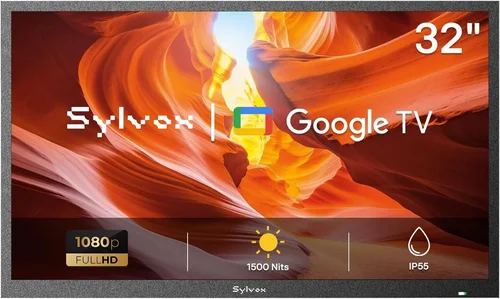
The IP rating (Ingress Protection) tells you how well a device resists solid particles (like dust) and liquids. For poolside use, aim for at least IP55 (protected against dust and water jets from any direction). Premium outdoor TVs often carry IP65 or IP66 ratings, meaning they’re dust-tight and can withstand powerful water jets—ideal for areas prone to heavy rain or frequent pool splashing.
Beyond the rating, examine the TV’s construction. Look for fully sealed enclosures, stainless steel hardware, and corrosion-resistant coatings. Avoid models with ventilation grilles or exposed ports, as these can allow moisture ingress over time. Also, check whether the TV includes a weatherproof cover or hood—many high-end models come with one, or offer it as an optional accessory.
3. Display Technology & Picture Quality
Not all outdoor TVs are created equal when it comes to image performance. While brightness and weatherproofing are essential, you still want vibrant colors, deep blacks, and smooth motion handling—especially for fast-paced sports like football, basketball, or motorsports.
Most premium outdoor TVs use LED-LCD panels with full-array local dimming (FALD) or OLED technology. OLED offers superior contrast and true blacks but is less common in outdoor models due to cost and burn-in concerns under constant bright conditions. LED-LCD remains the dominant choice, particularly those with quantum dot enhancement (QLED) for richer color gamut.
Resolution matters too. 4K Ultra HD (3840 x 2160) is the sweet spot for screens 55 inches and larger, delivering crisp detail even from close viewing distances. Avoid 1080p models unless you’re on a tight budget—they look noticeably softer in daylight. Also, ensure the TV supports HDR10, Dolby Vision, or HLG for enhanced dynamic range, which brings out details in both shadowy and sunlit scenes during outdoor broadcasts.
4. Smart Features & Connectivity
Modern poolside TVs aren’t just dumb screens—they’re connected entertainment hubs. Look for models with built-in smart platforms like Android TV, Roku TV, or webOS, which give you direct access to Netflix, YouTube, ESPN+, Peacock, and other streaming services without needing an external box.
Connectivity is equally important. Ensure the TV has:
– Multiple HDMI 2.0 or 2.1 ports (for cable boxes, game consoles, or soundbars)
– USB ports (for media playback or firmware updates)
– Wi-Fi 5 or Wi-Fi 6 (for stable streaming)
– Bluetooth (for wireless headphones or speakers)
– Optical audio output (if connecting to an external sound system)
Some outdoor TVs also include weatherproof cable glands or pass-through ports, allowing you to route cables safely without compromising the seal. This is especially useful if you plan to connect a streaming stick or external antenna.
5. Size & Viewing Distance
Choosing the right screen size depends on your seating arrangement and viewing distance. For poolside setups, viewers are often closer than in a living room—sometimes just 6–10 feet away—so you don’t need an 85-inch behemoth to enjoy immersive visuals.
As a general rule:
– 40–50 inches: Ideal for small patios or intimate gatherings (viewing distance: 5–8 ft)
– 55–65 inches: Best for most backyard setups (viewing distance: 8–12 ft)
– 70+ inches: Reserved for large decks or commercial installations (viewing distance: 12+ ft)
Keep in mind that larger screens require more robust mounting solutions and may need additional structural support, especially in windy areas. Also, consider viewing angles—if your seating wraps around the pool, choose a TV with wide viewing angles (178° horizontal/vertical) to avoid color shift for off-axis viewers.
6. Audio Performance
While picture quality grabs headlines, audio is equally vital for sports viewing. The roar of the crowd, commentator banter, and stadium ambiance all contribute to the experience. Unfortunately, many outdoor TVs skimp on speakers to save space and cost.
Look for models with built-in 20W or higher stereo speakers with bass enhancement or virtual surround sound. Even better, choose a TV that supports external audio output so you can connect a weather-resistant soundbar or outdoor speaker system. Some premium models even include Bluetooth audio streaming, letting you sync wireless speakers around the pool area for a truly immersive soundscape.
7. Mounting & Installation Flexibility
How and where you mount your TV affects both safety and usability. Poolside installations must account for wind load, corrosion, and ease of access for maintenance.
Most outdoor TVs support VESA mounting standards (e.g., 200×200, 400×400), compatible with standard wall or ceiling mounts. However, standard indoor mounts won’t cut it—you need heavy-duty, corrosion-resistant outdoor mounts made from powder-coated steel or aluminum. Look for mounts rated for your TV’s weight plus a safety margin (usually 1.5x).
Consider tilt and swivel capabilities if your viewing angle changes throughout the day. Ceiling mounts work well under pergolas or covered patios, while wall mounts are better for open decks. Always consult a professional installer if drilling into stucco, tile, or concrete, and ensure all wiring is routed through waterproof conduits.
8. Brand Reputation & Warranty
Not all outdoor TV brands are equal. Stick with manufacturers known for durability and customer support, such as SunBriteTV, Seura, Samsung Terrace, or LG Pro:Idiom. These companies specialize in outdoor displays and understand the unique challenges of poolside environments.
Pay close attention to the warranty terms. A standard 1-year warranty is common, but premium brands often offer 2–3 years of coverage, sometimes with on-site service. Check whether the warranty covers accidental damage, humidity-related failures, or power surges—common issues in outdoor settings. Also, verify if the warranty is voided by DIY installation; some require professional setup for full coverage.
Different Types of Buying Guide

Common Buying Mistakes to Avoid
❌ Mistake: Using a Standard Indoor TV Outdoors
Why it’s bad: Indoor TVs lack the brightness, weather sealing, and thermal management needed for outdoor use. Even under a covered patio, humidity and temperature fluctuations can cause condensation inside the panel, leading to permanent damage or electrical failure.
What to do instead: Invest in a TV specifically designed for outdoor environments. If budget is tight, consider a weatherproof enclosure for an indoor TV—but understand that this is a compromise and may void warranties.
❌ Mistake: Ignoring Viewing Angles and Glare
Why it’s bad: A TV mounted directly opposite the sun or near reflective pool water will suffer from blinding glare, making it unwatchable during peak hours—even with high brightness.
What to do instead: Assess your space at different times of day. Use pergolas, awnings, or strategic landscaping to create shade. Choose a TV with an anti-glare screen and consider mounting it at an angle that minimizes reflections.
❌ Mistake: Overlooking Audio Needs
Why it’s bad: Most outdoor TVs have weak built-in speakers that can’t compete with ambient noise from splashing water, wind, or distant traffic. Poor audio ruins the excitement of live sports.
What to do instead: Plan for external audio from day one. Pair your TV with weather-resistant speakers or a Bluetooth soundbar. Test audio setup during a trial run before a big game.
❌ Mistake: Skimping on Mounting Hardware
Why it’s bad: Standard indoor mounts aren’t built to withstand wind, rust, or constant vibration. A poorly mounted TV can detach, causing injury or property damage.
What to do instead: Purchase a certified outdoor mount from a reputable brand. Have it installed by a professional, especially if drilling into masonry or tile.
❌ Mistake: Not Planning for Power and Cables
Why it’s bad: Running extension cords across wet surfaces is a tripping and electrocution hazard. Exposed cables degrade quickly in UV light and moisture.
What to do instead: Hire an electrician to install a dedicated outdoor GFCI outlet near the TV. Use UV-resistant, outdoor-rated cables and route them through waterproof conduits or raceways.
❌ Mistake: Choosing Based Solely on Price
Why it’s bad: The cheapest option often lacks essential features like adequate brightness, smart capabilities, or proper weatherproofing—leading to frustration and premature replacement.
What to do instead: Define your must-have features first (e.g., 4K, 1,500+ nits, IP65), then find the best model within your budget. Sometimes spending 20% more saves you 100% in replacement costs.
❌ Mistake: Neglecting Software Updates and Support
Why it’s bad: Smart TVs require regular firmware updates for security, app compatibility, and performance. Brands with poor support leave you stranded with outdated software.
What to do instead: Research the brand’s update history and customer service reputation. Choose models with automatic updates and responsive support teams.
Budget Guidelines: How Much Should You Spend?
– Entry-Level ($800–$1,500): These are typically weatherproof indoor TVs or basic portable displays. Expect 1080p or entry-level 4K resolution, 800–1,000 nits brightness, and limited smart features. Best for covered patios with minimal sun exposure. Brands like TCL and Hisense offer decent options in this range, but verify outdoor suitability.
– Mid-Range ($1,500–$3,500): The sweet spot for most homeowners. You’ll find fully sealed 4K TVs with 1,200–1,800 nits brightness, IP55+ ratings, robust smart platforms, and better audio. Models from SunBriteTV’s Veranda series or Samsung’s Terrace line fall here. Ideal for uncovered pool decks with moderate sun.
– Premium ($3,500–$6,000): Designed for serious outdoor entertainers. These TVs boast 2,000+ nits brightness, OLED or QLED panels, IP65/66 ratings, advanced HDR support, and premium build quality. Expect longer warranties, professional installation options, and seamless integration with home automation systems.
– Luxury ($6,000+): For resorts, luxury homes, or commercial venues. These include commercial-grade screens with 24/7 operation capability, custom enclosures, integrated sound systems, and remote monitoring. Brands like Planar and Peerless-AV dominate this space.
Expert Tips for Getting the Best Deal
– Buy During Off-Season: Prices drop significantly in late fall and winter (October–February) when demand for outdoor electronics is lowest. Retailers often clear inventory before spring.
– Check Manufacturer Rebates: Companies like SunBriteTV and Seura occasionally offer rebates or bundle deals (e.g., free mount with TV purchase). Sign up for newsletters to stay informed.
– Consider Refurbished Models: Certified refurbished outdoor TVs from authorized dealers can save 20–30% off retail while retaining full warranty coverage.
– Bundle with Installation: Some retailers offer discounted professional installation when you buy the TV and mount together. This ensures safety and preserves your warranty.
– Read Real User Reviews: Look beyond star ratings. Search for reviews mentioning “poolside,” “sunlight,” or “humidity” to see how the TV performs in real-world conditions.
– Test Before Committing: If possible, visit a showroom or friend’s setup to view the TV in bright daylight. Pay attention to color accuracy, motion blur, and audio clarity.
– Verify Return Policies: Outdoor TVs are expensive and hard to return. Ensure the seller offers at least a 30-day return window with no restocking fees.
– Invest in Surge Protection: Outdoor electronics are vulnerable to lightning-induced power surges. Use a high-quality outdoor surge protector or whole-home surge suppressor.

Frequently Asked Questions
Q: Can I use a regular TV outdoors if it’s under a covered patio?
A: Technically yes, but it’s not recommended. Even covered areas experience humidity, temperature swings, and indirect moisture. Over time, this can damage internal components. If you must, use a weatherproof enclosure and avoid direct splash zones.
Q: Do outdoor TVs consume more power than indoor ones?
A: Yes, due to higher brightness levels and additional cooling systems. However, modern LED outdoor TVs are still energy-efficient. Look for ENERGY STAR certification to minimize electricity costs.
Q: How do I clean my outdoor TV screen?
A: Use a microfiber cloth and distilled water only. Avoid ammonia-based cleaners, paper towels, or abrasive materials, which can scratch anti-glare coatings. Turn off and cool the TV before cleaning.
Q: Will my outdoor TV work in winter or cold climates?
A: Most outdoor TVs operate safely from -22°F to 122°F (-30°C to 50°C). However, extreme cold can temporarily reduce brightness. Store portable models indoors during harsh winters.
Q: Can I stream live sports without cable?
A: Absolutely. With a strong Wi-Fi connection, you can use apps like YouTube TV, Hulu + Live TV, FuboTV, or ESPN+ to watch live games directly on your smart outdoor TV.
Q: Do I need a special antenna for over-the-air broadcasts?
A: If you want local channels (CBS, NBC, FOX), a high-gain outdoor antenna is recommended. Indoor antennas rarely work well for outdoor TVs due to signal attenuation.
Q: How long do outdoor TVs typically last?
A: With proper care, a quality outdoor TV should last 7–10 years. Fully sealed models with robust build quality tend to outlast weatherproof indoor TVs.
Q: Are outdoor TVs safe around water?
A: The TV itself is safe if properly installed and sealed, but never place it where it can be splashed directly. Keep all electrical components (outlets, cables) away from water sources and use GFCI protection.
Q: Can I control my outdoor TV with my phone?
A: Yes, most smart outdoor TVs support mobile apps for remote control, voice commands (via Alexa or Google Assistant), and screen mirroring.
Our Final Recommendations
– Best for Budget-Conscious Buyers: SunBriteTV Veranda Series (55″) – Offers excellent 4K clarity, 1,500 nits brightness, and IP55 rating at a competitive price. Great for covered or semi-covered patios.
– Best Overall Value: Samsung The Terrace (65″) – Combines QLED color, 2,000 nits brightness, IP55 weather resistance, and a sleek design. Includes built-in Alexa and seamless smart features.
– Best Premium Option: Seura Shade 4K Ultra Bright (75″) – Boasts 3,000 nits brightness, IP65 rating, and a motorized shade system that reduces glare. Ideal for open pool decks with intense sun.
– Best for Beginners: LG Pro:Idiom Outdoor Display (50″) – User-friendly interface, reliable performance, and strong customer support. Perfect for first-time outdoor TV buyers.
– Best for Advanced Users: Planar Luxe Outdoor Display (86″) – Commercial-grade build, 24/7 operation, and customizable mounting. Suited for luxury homes or hospitality venues.
Conclusion: Making the Right Choice
Choosing the right poolside TV isn’t just about picking the biggest or brightest screen—it’s about finding a balance between performance, durability, and your specific environment. From understanding the critical role of brightness and weather resistance to avoiding common installation pitfalls, this guide has equipped you with the knowledge to make a confident, informed decision.
Remember: your poolside TV should enhance your outdoor lifestyle, not become a source of frustration. Prioritize your must-have features, stick to reputable brands, and don’t cut corners on mounting or audio. Whether you’re watching a championship game with friends or enjoying a quiet evening under the stars, the right TV will turn your backyard into a true entertainment destination.
Take your time, compare options, and invest wisely. Your future self—and your guests—will thank you when that winning touchdown unfolds in stunning 4K clarity, right beside the sparkling water.

