
Transforming your outdoor kitchen into a true backyard oasis means more than just grilling steaks and mixing cocktails—it’s about creating an immersive entertainment experience that blends comfort, style, and functionality. Whether you’re hosting summer barbecues, watching the big game with friends, or unwinding with a movie under the stars, having a reliable poolside TV elevates every moment. But not all TVs are built to withstand the unique challenges of outdoor environments: intense sunlight, humidity, temperature swings, and even accidental splashes from the pool. That’s why choosing the right outdoor TV isn’t just about picture quality—it’s about durability, visibility, and smart design tailored for open-air living.
This comprehensive buying guide is designed to help you navigate the crowded market of outdoor televisions and find the perfect model for your poolside setup. We’ll walk you through everything you need to know—from understanding critical performance specs like brightness and weather resistance to comparing different types of outdoor TVs, avoiding common pitfalls, and maximizing your budget. Whether you’re a first-time buyer or upgrading from an older model, this guide arms you with expert insights, real-world advice, and actionable tips so you can make a confident, informed decision. By the end, you’ll know exactly what to look for, what to avoid, and how to get the best value for your investment in outdoor entertainment.
The outdoor TV market has evolved dramatically over the past few years. What once meant bulky, expensive “weatherproof” displays mounted in sealed enclosures has now given way to sleek, purpose-built outdoor TVs that rival their indoor counterparts in picture quality, smart features, and design. Leading brands like Samsung, LG, Sony, and specialized outdoor manufacturers such as SunBriteTV and Seura have introduced models specifically engineered for partial or full sun exposure, offering anti-glare screens, enhanced brightness, and ruggedized casings. At the same time, consumer demand for integrated outdoor living spaces has surged, pushing innovation in both hardware and installation solutions. With options ranging from budget-friendly partial-shade models to ultra-premium full-sun 8K displays, there’s never been a better time to invest in a poolside TV—but also never a more confusing one without proper guidance.

What to Look for When Buying Buying Guide
1. Brightness & Sunlight Readability
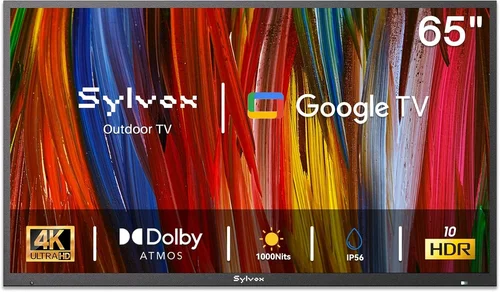
One of the most critical factors when selecting a poolside TV is its ability to remain visible in direct sunlight. Standard indoor TVs typically output between 300–500 nits of brightness—adequate for a dimly lit living room but nearly useless outdoors where ambient light can exceed 10,000 lux. For outdoor use, especially near pools where glare from water and surrounding surfaces is intense, you’ll want a TV with a minimum brightness of 700 nits, though 1,000 nits or higher is ideal for full-sun locations. Look for models labeled as “outdoor-rated” or “high-brightness” with anti-reflective coatings and optically bonded screens that minimize glare and improve contrast in bright conditions. Some premium outdoor TVs even feature automatic brightness sensors that adjust based on ambient light, ensuring optimal visibility whether it’s midday sun or twilight.
2. Weather Resistance & IP Rating
Outdoor TVs must endure rain, humidity, dust, and temperature extremes—conditions that would quickly destroy a standard indoor display. Always check the TV’s Ingress Protection (IP) rating, which indicates its resistance to solids and liquids. For poolside installations, an IP55 rating or higher is recommended: IP55 means the TV is protected against low-pressure water jets from any direction and limited dust ingress. If your TV will be fully exposed to the elements (e.g., no roof or awning), consider models with IP65 or IP66 ratings for superior protection. Additionally, ensure the TV is built with corrosion-resistant materials like aluminum chassis and stainless-steel hardware, especially in coastal areas where salt air accelerates wear. Never assume a TV labeled “weather-resistant” is fully waterproof—always verify the IP rating and manufacturer specifications.
3. Screen Size & Viewing Distance
Choosing the right screen size depends on your seating arrangement and viewing distance. For most poolside setups, where viewers may be seated 8–15 feet away, a 55-inch to 65-inch TV offers an immersive experience without overwhelming the space. However, if you have a larger deck or plan to watch from multiple angles (e.g., lounging by the pool and sitting at the outdoor kitchen island), consider stepping up to a 75-inch model. Use the 1.5x rule as a guideline: multiply your viewing distance (in inches) by 1.5 to determine the ideal screen diagonal. For example, at 12 feet (144 inches), a 70–75 inch TV is optimal. Also, consider the TV’s bezel design—slim bezels create a more seamless look and maximize screen real estate, which is especially important in outdoor settings where visual clutter should be minimized.
4. Smart Features & Connectivity
Modern outdoor TVs aren’t just about durability—they’re also packed with smart capabilities that enhance usability. Look for models running popular platforms like Android TV, webOS (LG), or Tizen (Samsung), which offer access to streaming services like Netflix, YouTube, and Disney+ without needing an external device. Built-in Wi-Fi and Bluetooth are essential for wireless audio streaming to outdoor speakers or soundbars. HDMI ports (at least two, preferably three) allow you to connect gaming consoles, cable boxes, or media players. Some high-end models even include USB ports for media playback and firmware updates. Voice control via Alexa or Google Assistant adds convenience, letting you change channels or adjust volume without touching the remote. Ensure the TV supports the latest HDMI standards (e.g., HDMI 2.1 for 4K/120Hz) if you plan to use it for gaming or future-proofing.
5. Build Quality & Durability
Unlike indoor TVs, outdoor models are subjected to constant environmental stress. A well-built outdoor TV should feature a robust, sealed chassis that prevents moisture and dust from entering internal components. Look for TVs with fanless cooling systems—fans can suck in humid air and fail prematurely in outdoor conditions. Instead, passive cooling via heat-dissipating materials ensures silent operation and longevity. The mounting hardware should also be outdoor-rated; standard indoor mounts may rust or loosen over time. Many manufacturers include specialized outdoor brackets designed to withstand wind, vibration, and corrosion. Additionally, check if the TV is certified for outdoor use by independent labs (e.g., UL Listed for outdoor electronics), which provides added assurance of safety and reliability.
6. Audio Performance
While many homeowners pair their outdoor TV with external speakers or a soundbar, built-in audio quality still matters—especially for casual viewing or when external audio isn’t practical. Most outdoor TVs come with downward-firing or side-firing speakers that can struggle in open spaces where sound dissipates quickly. Look for models with at least 20W of total power output and support for audio technologies like Dolby Audio or DTS Studio Sound. Some premium outdoor TVs feature front-facing speakers or even integrated subwoofers for richer bass. If audio is a priority, consider a TV with optical audio output or HDMI ARC (Audio Return Channel) to easily connect to a dedicated outdoor audio system. Remember: in windy or noisy pool environments, even good built-in speakers may not suffice, so plan for supplemental audio from the start.
7. Brand Reputation & Ecosystem Compatibility
Not all brands are created equal when it comes to outdoor TVs. Established consumer electronics giants like Samsung and LG offer strong smart platforms, reliable customer support, and wide service networks. However, specialized outdoor brands such as SunBriteTV (now part of Sylvane), Seura, and Avid Power have spent years refining designs specifically for harsh environments and often outperform mainstream brands in durability and sunlight readability. Consider your existing ecosystem: if you already use Samsung phones or LG appliances, sticking with the same brand can simplify integration and control via apps or voice assistants. Read professional reviews and user feedback to gauge long-term reliability—some brands may look great on paper but have higher failure rates in real-world outdoor use.
8. Warranty & Support
Outdoor TVs represent a significant investment, so robust warranty coverage is non-negotiable. Most reputable manufacturers offer 2–3 years of limited warranty, but some outdoor-specific brands provide up to 5 years of coverage, reflecting confidence in their build quality. Check what the warranty includes: does it cover labor, parts, and on-site service? Is accidental damage or weather-related failure included? Also, verify the availability of local service centers—shipping a 75-inch TV back for repairs can be costly and time-consuming. Look for brands with responsive customer support and clear return policies. A strong warranty not only protects your purchase but also signals that the manufacturer stands behind its product in demanding conditions.
Different Types of Buying Guide

Common Buying Mistakes to Avoid
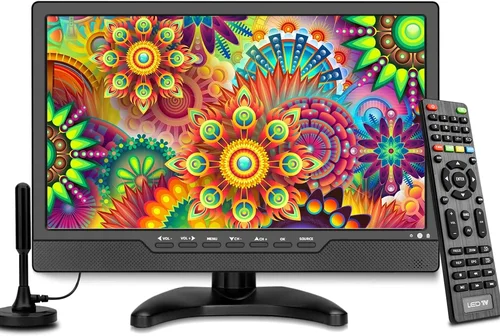
❌ Mistake: Using an Indoor TV Outdoors
Why it’s bad: Indoor TVs lack the necessary weatherproofing, brightness, and thermal management for outdoor use. Exposure to humidity, rain, or temperature swings can cause immediate damage, void warranties, and create safety hazards like electrical shorts.
What to do instead: Always choose a TV specifically designed for outdoor use. If budget is a concern, opt for a partial-shade model or use a high-quality outdoor enclosure—but never assume an indoor TV will survive outside.
❌ Mistake: Ignoring Viewing Angle and Glare
Why it’s bad: Even with high brightness, a TV mounted in the wrong spot can suffer from reflections off water, glass, or nearby surfaces, making the image unwatchable during peak sun hours.
What to do instead: Assess your pool area for glare sources and choose a mounting location that minimizes direct reflections. Consider TVs with wide viewing angles (178°) and anti-reflective coatings. Use a tilt or swivel mount to fine-tune the screen angle throughout the day.
❌ Mistake: Overlooking Audio Needs
Why it’s bad: Built-in TV speakers often sound tinny and get drowned out by pool noise, wind, or distance. Relying solely on them leads to a frustrating viewing experience.
What to do instead: Plan for an outdoor audio system from day one. Invest in weather-resistant speakers or a soundbar with Bluetooth connectivity. Many outdoor TVs support wireless audio output, making integration seamless.
❌ Mistake: Choosing the Wrong Size for the Space
Why it’s bad: A TV that’s too small feels underwhelming; one that’s too large overwhelms the area and strains the eyes at close range.
What to do instead: Measure your viewing distance and use the 1.5x rule to determine ideal screen size. Sketch a layout of your outdoor kitchen and pool area to visualize proportions before buying.
❌ Mistake: Skimping on Mounting Hardware
Why it’s bad: Standard indoor mounts aren’t built for outdoor conditions. Rust, loosening bolts, or inadequate weight capacity can lead to TV failure or injury.
What to do instead: Purchase a mount specifically rated for outdoor use with corrosion-resistant materials. Ensure it’s compatible with your TV’s VESA pattern and can handle wind loads if installed on a freestanding pole.
❌ Mistake: Not Checking Local Regulations
Why it’s bad: Some homeowners’ associations (HOAs) or municipalities restrict outdoor electronics due to noise, visibility, or electrical codes. Installing without approval can result in fines or forced removal.
What to do instead: Review HOA guidelines and local ordinances before purchasing. If restrictions apply, consider low-profile designs or models with silent operation.
❌ Mistake: Forgetting About Power and Connectivity
Why it’s bad: Running cables across a pool deck is unsafe and unsightly. Without proper conduit or wireless solutions, you risk tripping hazards or signal loss.
What to do instead: Plan cable routing during installation—use in-ground conduits or wireless HDMI transmitters. Ensure your outdoor outlet is GFCI-protected and meets electrical codes for wet locations.
Budget Guidelines: How Much Should You Spend?
– Entry-Level ($800–$1,500): Ideal for covered patios or shaded areas, these partial-shade outdoor TVs offer 700–1,000 nits of brightness, basic IP54 or IP55 ratings, and standard smart features. Brands like TCL and Hisense have begun offering outdoor-compatible models in this range, though build quality may vary. Expect plastic casings and limited warranty coverage. Best for casual viewers who prioritize affordability over extreme durability.
– Mid-Range ($1,500–$3,500): This is the sweet spot for most homeowners. Models in this tier, such as the SunBriteTV Veranda series or LG’s outdoor-ready OLEDs, deliver 1,000–1,500 nits, robust aluminum builds, and full smart functionality. They’re suitable for partial to full sun exposure with proper shading and come with 2–3 year warranties. You’ll also find better audio, more HDMI ports, and improved thermal management.
– Premium ($3,500–$7,000): Designed for full-sun environments, these TVs boast 1,500+ nits, advanced anti-glare technology, and commercial-grade components. Examples include the Seura Shadow Series and Samsung’s outdoor QLED models. They often feature modular designs for easy servicing, extended warranties, and compatibility with home automation systems. Perfect for luxury outdoor kitchens and frequent entertainers.
– Luxury ($7,000+): Reserved for high-end installations, these are essentially commercial displays repurposed for residential use. They support 24/7 operation, extreme temperature ranges (-30°C to 50°C), and offer modular repair options. Brands like Peerless-AV and Planar specialize in this space. While overkill for most homes, they’re ideal for resort-style properties or those seeking maximum longevity.
Expert Tips for Getting the Best Deal
– Buy During Off-Season: Outdoor TVs see peak demand in spring and summer. Shop in late fall or winter (October–February) when retailers clear inventory. You can save 15–25% on last year’s models.
– Compare Online and In-Store: Online retailers like Amazon, Crutchfield, and Sylvane often have better prices and detailed specs. However, visiting a specialty outdoor living store lets you see brightness and build quality firsthand.
– Look for Bundled Deals: Some sellers offer TV + mount + soundbar packages at a discount. These can be more cost-effective than buying separately.
– Check Manufacturer Refurbished Programs: Brands like Samsung and LG sell certified refurbished outdoor TVs with full warranties at 20–30% off retail. These are rigorously tested and often indistinguishable from new units.
– Negotiate Installation Services: If hiring a pro, ask if they’ll discount labor when you purchase the TV through them. Many integrators offer package deals.
– Read the Fine Print on Warranties: Some warranties require professional installation to remain valid. Confirm this before DIY mounting.
– Test Before Finalizing: If possible, request a demo or short-term trial. Brightness and glare performance can vary significantly between models in real-world conditions.
– Consider Future-Proofing: Invest in a TV with HDMI 2.1 and Wi-Fi 6 if you plan to upgrade your media sources in the next few years. It extends the TV’s usable lifespan.

Frequently Asked Questions
Q: Can I use a regular TV outdoors if I cover it?
A: While possible with a high-quality outdoor enclosure, it’s not recommended for long-term use. Enclosures can trap heat, reduce brightness, and complicate cooling. Purpose-built outdoor TVs are engineered for these challenges and offer better performance, safety, and warranty support.
Q: How do I protect my outdoor TV from rain?
A: Choose a TV with an IP55 or higher rating and ensure it’s mounted under a roof, awning, or pergola. Even weatherproof TVs benefit from overhead protection to extend lifespan and maintain optimal performance.
Q: Will an outdoor TV work in winter?
A: Yes, most outdoor TVs are rated for temperatures as low as -22°F (-30°C). However, extreme cold can temporarily affect screen responsiveness. Avoid turning the TV on immediately after exposure to freezing temps—allow it to acclimate first.
Q: Do outdoor TVs consume more power?
A: High-brightness models do use more energy than indoor TVs, especially at maximum brightness. Look for ENERGY STAR-certified outdoor TVs or use automatic brightness sensors to reduce consumption during overcast days or evening viewing.
Q: Can I mount an outdoor TV on a pole near the pool?
A: Yes, but use a marine-grade stainless steel pole mount rated for outdoor use. Ensure the pole is securely anchored and the TV is positioned to avoid water splash. Always consult local electrical codes for grounding requirements.
Q: How often do outdoor TVs need maintenance?
A: Minimal—most require only occasional cleaning with a microfiber cloth and mild cleaner. Avoid abrasive materials. Check seals and mounting hardware annually for signs of wear or corrosion.
Q: Are outdoor TVs compatible with streaming devices?
A: Absolutely. Most come with built-in smart platforms, but you can also connect external devices like Apple TV, Roku, or Fire Stick via HDMI. Ensure the device is stored in a dry, ventilated location.
Q: What’s the difference between partial-shade and full-sun TVs?
A: Partial-shade models are designed for covered areas with indirect light and typically offer 700–1,000 nits. Full-sun TVs handle direct sunlight with 1,500+ nits, advanced anti-reflective coatings, and superior thermal management.
Q: Can I control my outdoor TV with my phone?
A: Yes, most smart outdoor TVs support manufacturer apps (e.g., Samsung SmartThings, LG ThinQ) for remote control, content casting, and system monitoring—even when you’re away from home.
Q: Is professional installation worth it?
A: Highly recommended, especially for full-sun models or complex setups. Professionals ensure proper grounding, cable management, and compliance with safety codes—reducing the risk of damage or injury.
Our Final Recommendations
– Best for Budget-Conscious Buyers: SunBriteTV Veranda Series (55″) – At around $1,200, this partial-shade model delivers 1,000 nits, IP54 rating, and solid smart features. Ideal for covered outdoor kitchens with occasional sun exposure.
– Best Overall Value: LG 65″ OLED evo G3 Outdoor Edition – Priced near $3,200, it combines stunning picture quality, 1,500 nits brightness, and webOS smart platform. Perfect for those who want indoor-like visuals with outdoor durability.
– Best Premium Option: Seura 75″ Shadow Series Ultra Bright – At $5,800, this full-sun beast offers 2,000 nits, fanless cooling, and a sleek black finish that blends into any design. Built to last decades in harsh conditions.
– Best for Beginners: Samsung 55″ The Terrace Partial Sun – User-friendly Tizen OS, excellent app ecosystem, and reliable performance make this a great entry point for first-time outdoor TV owners.
– Best for Advanced Users: Peerless-AV Xtreme 86″ Commercial Outdoor Display – For tech-savvy homeowners who demand 24/7 reliability, modular repair, and integration with Crestron or Control4 systems. A true investment piece.
Conclusion: Making the Right Choice
Choosing the best poolside TV for your outdoor kitchen is about balancing performance, durability, and budget—all while aligning with your lifestyle and environment. From understanding the critical role of brightness and weather resistance to avoiding common installation pitfalls, this guide has equipped you with the knowledge to make a smart, long-term investment. Remember, the goal isn’t just to add a screen to your backyard—it’s to create a seamless, enjoyable entertainment hub that enhances every gathering, quiet evening, and sunny afternoon by the pool.
Prioritize your specific needs: if you’re under a covered patio, a partial-shade model may suffice; if you’re fully exposed, don’t compromise on full-sun capabilities. Factor in audio, mounting, and future upgrades early to avoid costly changes later. And always buy from reputable sources with strong warranties and support.
Your outdoor space is an extension of your home—it deserves the same attention to detail and quality. With the right TV, you’ll transform your poolside area into a destination, not just a backdrop. So take your time, compare options, and invest wisely. The perfect outdoor entertainment experience is within reach—and it starts with the right screen.

