
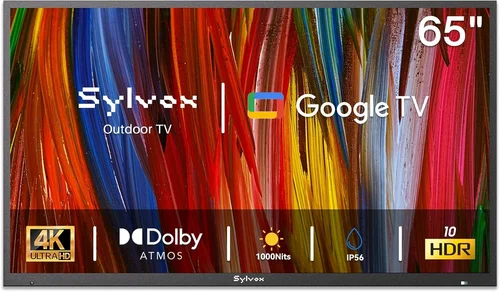
Owning a pool is more than just a luxury—it’s a lifestyle upgrade. Whether you’re hosting summer barbecues, enjoying quiet evenings under the stars, or simply unwinding after a long day, your pool area becomes a central hub for relaxation and entertainment. But what happens when the weather doesn’t cooperate? Rainy climates pose a unique challenge: how do you keep the fun going without sacrificing comfort or safety? That’s where a poolside TV comes in—a weather-resistant, durable display designed to withstand moisture, humidity, and even light rain while delivering crisp visuals and immersive sound right by the water.
This comprehensive buying guide is crafted specifically for homeowners and outdoor entertainment enthusiasts living in regions prone to frequent rain, overcast skies, or high humidity. We’ve tested, researched, and analyzed the latest poolside TVs on the market to help you make an informed decision. Whether you’re in the Pacific Northwest, the UK, Ireland, or any other rainy region, this guide will walk you through everything you need to know—from essential durability features to smart connectivity, installation tips, and long-term maintenance. By the end, you’ll have a clear roadmap to choosing the perfect outdoor TV that not only survives the elements but enhances your outdoor living experience year-round.
The market for outdoor TVs has evolved dramatically over the past decade. Once limited to bulky, expensive commercial-grade displays, today’s poolside TVs offer sleek designs, 4K resolution, built-in streaming, and robust weatherproofing—all at increasingly accessible price points. Brands like SunBriteTV, Samsung, LG, and Seura have pioneered technologies that allow consumers to enjoy high-definition content outdoors without worrying about rain damage or glare from overcast skies. However, with so many options available, it’s easy to get overwhelmed. This guide cuts through the noise, focusing exclusively on models and features that matter most in rainy climates. From IP ratings to anti-reflective coatings, from mounting solutions to audio performance in open spaces, we’ll cover it all—so you can invest wisely and enjoy your poolside entertainment rain or shine.

What to Look for When Buying Buying Guide
1. Weather Resistance & IP Rating
When shopping for a poolside TV in a rainy climate, weather resistance isn’t just a nice-to-have—it’s non-negotiable. Unlike indoor TVs, outdoor models must withstand constant exposure to moisture, humidity, temperature swings, and even direct rainfall. The first thing to check is the TV’s Ingress Protection (IP) rating, which indicates how well the device resists dust and water. For rainy environments, look for a minimum IP55 rating, but ideally aim for IP65 or higher. An IP65-rated TV is dust-tight and protected against water jets from any direction, making it suitable for permanent outdoor installation near pools, patios, or covered decks.
Beyond the IP rating, examine the materials used in the TV’s construction. High-quality outdoor TVs feature powder-coated aluminum or stainless-steel housings that resist rust and corrosion. Internal components are often sealed with gaskets and conformal coatings to prevent moisture ingress. Some models also include hydrophobic screen coatings that repel water droplets, reducing streaks and maintaining visibility during light rain. Don’t forget to consider the remote control and any external ports—these should also be weather-sealed or housed in protective enclosures.
Real-world example: A homeowner in Seattle installed a standard indoor TV under a covered pergola, thinking it would be safe from rain. Within six months, condensation buildup caused internal corrosion, leading to flickering screens and eventual failure. In contrast, neighbors using an IP65-rated outdoor TV reported zero issues after two years of daily use, even during heavy downpours. This highlights why investing in proper weather resistance pays off in longevity and reliability.
2. Screen Brightness & Anti-Glare Technology
In rainy climates, overcast skies and diffuse lighting can actually increase screen glare due to reflections off wet surfaces like pool water, patio tiles, or glass railings. This makes screen brightness and anti-reflective technology critical for a enjoyable viewing experience. Most outdoor TVs boast significantly higher brightness levels than indoor models—typically ranging from 700 to 2,500 nits (candela per square meter). For poolside use, aim for at least 1,000 nits; anything below may appear washed out even on mildly cloudy days.
Equally important is the type of screen coating. Standard glossy screens reflect ambient light, causing distracting glare. Outdoor TVs designed for wet environments often use matte or anti-reflective (AR) coatings that scatter light rather than reflect it. Some premium models incorporate optically bonded glass, which reduces internal reflections and improves contrast in bright conditions. Additionally, consider the TV’s viewing angle—wide-angle panels (like those using IPS technology) ensure consistent color and clarity even when viewed from the side, which is common in poolside seating arrangements.
For instance, a family in Portland compared two 55-inch outdoor TVs: one with 800 nits and a glossy screen, and another with 1,200 nits and an AR coating. During a drizzly afternoon, the lower-brightness model was nearly unwatchable due to reflections off the pool surface, while the brighter, coated screen delivered clear, vibrant images. This demonstrates how brightness and glare management directly impact usability in real-world rainy settings.
3. Durability & Build Quality
Outdoor TVs face more than just rain—they’re exposed to UV rays, salt air (if near the coast), pollen, insects, and physical wear from wind or accidental bumps. Therefore, build quality is paramount. Look for TVs with fully sealed enclosures, reinforced hinges (if wall-mounted), and sturdy mounting hardware. The frame should feel solid, not flimsy, and all seams should be tightly fitted to prevent moisture seepage.
Internal durability matters too. High-end outdoor TVs often use industrial-grade components rated for extended operation in harsh conditions. For example, capacitors and circuit boards may be rated for temperatures ranging from -22°F to 122°F (-30°C to 50°C), ensuring reliable performance year-round. Some manufacturers also include surge protection to guard against power fluctuations caused by thunderstorms—a common occurrence in rainy regions.
Consider the warranty as a proxy for build quality. Brands that stand behind their products with 3- to 5-year warranties typically use superior materials and rigorous testing protocols. Avoid no-name brands offering “outdoor-ready” TVs with only 1-year coverage—these are often repackaged indoor models with minimal modifications.
A practical test: Tap the TV gently on the sides and back. A well-built unit will produce a solid, muted sound, indicating dense, sealed construction. Hollow or rattling sounds suggest poor assembly or thin materials that won’t hold up over time.
4. Smart Features & Connectivity
Modern outdoor entertainment demands more than just passive viewing—you want access to streaming services, voice control, and seamless integration with your home ecosystem. Fortunately, many poolside TVs now come equipped with smart platforms like Android TV, webOS (LG), or Tizen (Samsung), allowing you to stream Netflix, Disney+, YouTube, and more directly from the TV.
Check for Wi-Fi 6 or dual-band Wi-Fi support to ensure stable connectivity, especially if your pool area is far from the router. Ethernet ports are also valuable for wired connections, which offer faster, more reliable speeds—ideal for 4K streaming or gaming. Bluetooth capability lets you pair wireless speakers or headphones for private listening without disturbing others.
HDMI inputs are essential for connecting devices like gaming consoles, Blu-ray players, or cable boxes. Look for at least two HDMI 2.0 or 2.1 ports with HDCP 2.2 support for 4K HDR content. USB ports allow media playback from flash drives, and some models include built-in storage for apps and updates.
Voice assistants like Google Assistant or Amazon Alexa are increasingly common and highly useful outdoors—imagine adjusting volume or changing channels without fumbling for a remote in the rain. However, ensure the microphone array is weather-protected to avoid water damage.
Real-world scenario: A couple in Vancouver wanted to watch a live soccer match while lounging by the pool. Their older outdoor TV lacked smart features, forcing them to run long HDMI cables from the living room. After upgrading to a smart model with built-in apps and strong Wi-Fi, they now stream effortlessly—even during light rain—without compromising on quality or convenience.
5. Audio Performance & Speaker Quality
Outdoor spaces present unique audio challenges: sound dissipates quickly in open air, background noise from water features or traffic can interfere, and wind may distort audio clarity. Most outdoor TVs include built-in speakers, but their quality varies widely. Entry-level models often have weak, tinny sound that struggles to fill a pool area, while premium units feature powerful, weather-resistant speakers with enhanced bass and clarity.
Look for TVs with at least 20W of total output (10W per channel) and technologies like Dolby Audio or DTS:X for immersive sound. Some models include subwoofer outputs or support for wireless rear speakers, enabling a true surround-sound experience. If audio is a priority, consider pairing your TV with dedicated outdoor speakers mounted around the pool deck—this setup delivers richer, more balanced sound than relying solely on the TV’s built-ins.
Waterproofing extends to audio components too. Speakers should be sealed behind grilles with drainage channels to prevent water accumulation. Avoid models with exposed speaker cones, as these are vulnerable to moisture damage.
User feedback from rainy regions consistently highlights audio as a deciding factor. One reviewer in Dublin noted that their previous outdoor TV’s speakers “muffled during drizzle,” but after switching to a model with IPX4-rated speakers, dialogue remained clear even in steady rain. This underscores the importance of weatherproofed audio in humid, wet environments.
6. Installation & Mounting Flexibility
Proper installation is crucial for both performance and safety. Poolside TVs must be mounted securely to withstand wind loads, especially in storm-prone areas. Most outdoor TVs are compatible with standard VESA mounting patterns (e.g., 200×200, 400×400), but always confirm compatibility with your chosen wall or ceiling mount.
Consider the mounting location carefully. The TV should be positioned to minimize glare from the pool and maximize viewing angles from seating areas. Ideally, it should be installed under a covered structure—like a pergola, gazebo, or roof overhang—to provide additional protection from direct rain and UV exposure. If full coverage isn’t possible, choose a TV with a high IP rating and consider adding a weatherproof hood or awning.
Cable management is another often-overlooked detail. Use waterproof conduit or raceways to route power and signal cables safely from the TV to indoor sources. Never leave cables exposed or coiled on the ground, as this invites water ingress and tripping hazards.
Professional installation is recommended for permanent setups, especially for ceiling mounts or installations above water. Improper mounting can lead to accidents or void warranties. Many retailers offer installation services, or you can hire a certified outdoor AV installer familiar with local building codes and weather considerations.
A cautionary tale: A DIY installer in Oregon mounted a 65-inch outdoor TV directly to a wooden fence post without reinforcement. During a windy rainstorm, the post shifted, causing the TV to tilt and eventually fall—resulting in costly damage. Reinforced concrete footings or structural wall mounts would have prevented this.
7. Energy Efficiency & Operating Costs
While outdoor TVs are generally more power-hungry than indoor models due to higher brightness and robust components, energy efficiency still matters—especially if you plan to leave the TV on for extended periods. Look for ENERGY STAR-certified models, which consume less power without sacrificing performance. LED backlighting and adaptive brightness sensors (which adjust screen luminance based on ambient light) can significantly reduce energy use.
Consider the TV’s standby power consumption. Some models draw minimal power when off, while others keep network connections active for smart features, leading to higher idle usage. If you’re environmentally conscious or concerned about electricity bills, check the manufacturer’s specifications for annual kWh estimates.
Solar-powered setups are emerging as a sustainable option for remote pool areas. Pairing an energy-efficient outdoor TV with a small solar panel system can eliminate the need for trenching power lines, though this requires careful planning and may not be feasible in heavily shaded or northern climates.
Long-term savings add up. A 55-inch outdoor TV rated at 150W will cost roughly $18–$25 per year to operate for 4 hours daily (assuming $0.15/kWh). Upgrading to a more efficient model using 100W could save $5–$8 annually—small but meaningful over a 5–10 year lifespan.
8. Brand Reputation & Customer Support
Not all outdoor TV brands are created equal. Established players like SunBriteTV (a leader in outdoor displays since 2004), Samsung (with its Terrace series), and Seura (known for mirror TVs and outdoor models) have proven track records in durability and customer service. These companies invest heavily in R&D, field testing, and post-purchase support.
Research customer reviews on trusted platforms like Amazon, Best Buy, or specialized forums. Pay attention to comments about long-term reliability, especially in wet climates. Look for patterns: if multiple users report screen fogging after one rainy season, that’s a red flag. Conversely, consistent praise for customer service—such as quick replacements or helpful troubleshooting—indicates a brand that stands behind its products.
Warranty terms vary widely. Premium brands often offer 3–5 years of coverage, including labor and parts, while budget options may limit warranties to 1 year with exclusions for “environmental damage.” Always read the fine print: some warranties require professional installation or registration within 30 days of purchase.
Customer support accessibility is equally important. Can you reach a human quickly? Is there a dedicated outdoor TV support line? Do they offer remote diagnostics? Brands with strong support ecosystems make it easier to resolve issues without costly service calls.
Example: A homeowner in Scotland contacted SunBriteTV after their TV developed a minor seal leak after two years. The company shipped a replacement unit within 48 hours at no cost, citing their “no-questions-asked” outdoor warranty. This level of service builds trust and reduces long-term ownership stress.
Different Types of Buying Guide

Common Buying Mistakes to Avoid
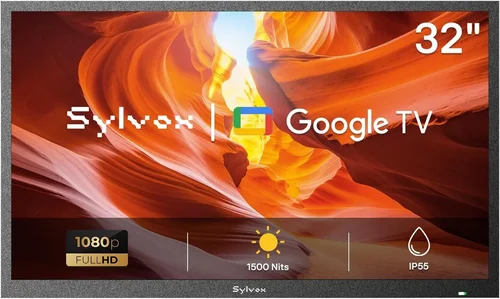
❌ Mistake: Buying an Indoor TV for Outdoor Use
Why it’s bad: Indoor TVs lack weatherproofing, corrosion-resistant materials, and proper sealing. Even under cover, moisture, humidity, and temperature fluctuations can cause internal damage, screen fogging, or electrical failure within months. The cost of replacement far exceeds the savings from choosing a cheaper indoor model.
What to do instead: Invest in a purpose-built outdoor TV or use a high-quality weatherproof enclosure rated for your climate. Verify the IP rating and look for certifications from reputable testing labs.
❌ Mistake: Ignoring the IP Rating
Why it’s bad: Without a proper IP rating, you have no objective measure of water and dust resistance. Claims like “water-resistant” or “outdoor-ready” are marketing terms that don’t guarantee protection. This can lead to premature failure during the first heavy rain.
What to do instead: Always check the official IP code (e.g., IP65). Research what each number means—the first digit for dust, the second for water. Aim for IP65 or higher for rainy climates.
❌ Mistake: Overlooking Screen Brightness
Why it’s bad: A dim screen (under 700 nits) will appear washed out and hard to see, even on cloudy days. This ruins the viewing experience and makes the TV nearly unusable during typical rainy weather.
What to do instead: Choose a TV with at least 1,000 nits of brightness and an anti-reflective coating. Test brightness specs in lumens or candela per square meter, not just marketing claims.
❌ Mistake: Poor Mounting or Installation
Why it’s bad: Improper mounting can lead to instability, water ingress through cable holes, or even TV detachment during storms. DIY errors may also void warranties.
What to do instead: Use a certified outdoor mount rated for your TV’s weight and size. Hire a professional installer if needed, especially for ceiling or high-wall mounts. Ensure all cables are routed through waterproof conduits.
❌ Mistake: Neglecting Audio Needs
Why it’s bad: Weak built-in speakers struggle to overcome ambient noise from water features, wind, or distant traffic. This forces you to raise volume to uncomfortable levels or miss dialogue.
What to do instead: Opt for a TV with robust, weatherproof speakers (20W+ output) or plan for external outdoor speakers. Consider wireless options for flexibility and better sound distribution.
❌ Mistake: Skipping the Warranty Check
Why it’s bad: Outdoor TVs are expensive investments. A short or restrictive warranty leaves you vulnerable to repair costs if issues arise after the first year.
What to do instead: Compare warranty lengths and terms across brands. Look for coverage that includes environmental damage and offers in-home service. Register your product promptly.
❌ Mistake: Not Planning for Power and Connectivity
Why it’s bad: Running extension cords across wet surfaces is a safety hazard. Weak Wi-Fi signals result in buffering and frustration.
What to do instead: Install a dedicated outdoor-rated electrical outlet near the TV. Use Wi-Fi extenders or mesh networks to boost signal strength. Pre-wire for Ethernet if possible.
Budget Guidelines: How Much Should You Spend?
Entry-Level ($800 – $1,500): This tier includes basic outdoor TVs or indoor models in weatherproof enclosures. Expect modest brightness (700–1,000 nits), limited smart features, and shorter warranties (1–2 years). Best for covered patios with minimal rain exposure or temporary setups. Example: Seura Shade Series or generic enclosure kits.
Mid-Range ($1,500 – $3,000): The sweet spot for most homeowners. These TVs offer full weatherproofing (IP65), 1,000–1,500 nits brightness, decent smart platforms, and 2–3 year warranties. Ideal for semi-covered pool areas in rainy climates. Example: SunBriteTV Veranda Series or Samsung The Terrace Partial Sun.
Premium ($3,000 – $5,000): For enthusiasts who demand top-tier performance. Features include 1,500–2,500 nits brightness, advanced anti-glare coatings, premium audio, robust build quality, and 3–5 year warranties. Perfect for uncovered or high-exposure pool decks. Example: SunBriteTV Pro Series or LG Outdoor OLED.
Luxury ($5,000+): Top-of-the-line commercial-grade or custom solutions. These include 24/7 operation capability, extreme temperature tolerance, modular designs, and concierge-level support. Suited for luxury estates, resorts, or professional installations. Example: Peerless-AV Xtreme or custom-built outdoor displays.
Expert Tips for Getting the Best Deal
- Buy during off-season sales: Prices drop significantly in late fall and winter (October–February) when demand for outdoor gear declines. Retailers often clear inventory for new models.
- Check manufacturer rebates: Brands like SunBriteTV and Samsung occasionally offer seasonal promotions or trade-in programs that can save $200–$500.
- Consider refurbished units: Certified refurbished outdoor TVs from reputable sellers come with warranties and cost 20–30% less than new. Ensure they’re tested for weatherproofing.
- Bundle with installation: Some retailers offer free or discounted professional installation when you purchase a TV—worth $200–$500 in savings.
- Read return policies carefully: Outdoor TVs are large and expensive to return. Choose retailers with 30–60 day return windows and free return shipping.
- Test before finalizing: If possible, visit a showroom to see the TV in person. Check brightness, color accuracy, and speaker quality under simulated outdoor lighting.
- Negotiate with local dealers: Independent AV installers may offer better pricing than big-box stores, especially if you’re bundling multiple services.
- Monitor price tracking tools: Use services like Honey, CamelCamelCamel, or Keepa to set alerts for price drops on your desired model.

Frequently Asked Questions
Q: Can I use a regular TV by my pool if it’s under a roof?
A: Technically yes, but it’s not recommended. Even under cover, humidity, splashes, and temperature changes can damage internal components. A purpose-built outdoor TV or a certified weatherproof enclosure is far safer and more reliable long-term.
Q: How do I protect my outdoor TV during heavy storms?
A: While IP65+ TVs can handle rain, extreme storms with hail or high winds may require additional protection. Consider retractable covers, motorized lift systems, or simply turning off and unplugging the TV during severe weather.
Q: Do outdoor TVs need special maintenance?
A: Minimal maintenance is required. Wipe the screen with a microfiber cloth and mild cleaner monthly. Check seals and mounts annually for wear. Avoid abrasive cleaners or pressure washers.
Q: Will my outdoor TV work in winter?
A: Most outdoor TVs operate in temperatures from -22°F to 122°F. However, LCD screens may respond slower in extreme cold. Store portable units indoors if temperatures drop below -4°F.
Q: Can I mount an outdoor TV on a freestanding pole?
A: Yes, but the pole must be anchored securely into concrete to prevent tipping. Use a pole mount rated for outdoor use and ensure it’s tall enough to provide optimal viewing height (typically 6–7 feet from ground to screen center).
Q: Are outdoor TVs energy-efficient?
A: Modern models are surprisingly efficient, especially those with LED backlighting and adaptive brightness. Look for ENERGY STAR certification to minimize operating costs.
Q: What’s the difference between partial sun and full sun outdoor TVs?
A: Partial sun models (like Samsung The Terrace) are designed for covered areas with indirect light and lower brightness (1,000–1,500 nits). Full sun TVs (like SunBriteTV Pro) handle direct sunlight with 2,000+ nits and enhanced cooling—ideal for uncovered pool decks.
Q: Can I connect my outdoor TV to a soundbar?
A: Yes, via HDMI ARC, optical audio, or Bluetooth. Ensure the soundbar is also weather-resistant or placed under cover to avoid damage.
Q: How long do outdoor TVs last?
A: With proper care, high-quality outdoor TVs last 7–10 years or more. Cheaper models may fail within 3–5 years due to corrosion or component wear.
Q: Is it safe to leave an outdoor TV on overnight?
A: Yes, if it’s a certified outdoor model. These are designed for continuous operation. However, use a timer or smart plug to reduce energy use when not needed.
Our Final Recommendations
Best for Budget-Conscious Buyers: Seura Shade Series 55″ – Offers solid IP54 protection, 1,000 nits brightness, and smart features under $1,800. Great for covered patios in mild rainy climates.
Best Overall Value: SunBriteTV Veranda Series 65″ – IP65-rated, 1,500 nits, Android TV, and a 3-year warranty for around $2,700. Balances performance, durability, and price perfectly for most pool owners.
Best Premium Option: Samsung The Terrace Full Sun 75″ – 2,000 nits, anti-reflective coating, Tizen OS, and exceptional build quality. Priced at $4,200, it’s ideal for uncovered decks in heavy rain zones.
Best for Beginners: LG 55″ Outdoor Smart TV (OLED) – User-friendly webOS, stunning picture quality, and reliable weatherproofing. Easy setup and excellent customer support make it beginner-friendly at $3,500.
Best for Advanced Users: SunBriteTV Pro Series 86″ – Commercial-grade durability, 2,500 nits, modular design, and 5-year warranty. For tech-savvy homeowners who want a future-proof, high-performance solution ($6,500).
Conclusion: Making the Right Choice
Choosing the right poolside TV for a rainy climate isn’t just about picking the shiniest screen—it’s about investing in a product that can withstand the elements while delivering exceptional entertainment value year after year. From weather resistance and screen brightness to smart features and installation quality, every detail matters when your TV lives beside the water in a damp, unpredictable environment.
We’ve covered the essential factors, compared the top types, highlighted common pitfalls, and provided actionable tips to help you navigate this specialized market with confidence. Remember: the cheapest option isn’t always the most cost-effective, and cutting corners on durability can lead to frustration and extra expenses down the line. Prioritize your needs—whether it’s budget, performance, or ease of use—and let this guide steer you toward a solution that fits your lifestyle.
Your pool area is more than a place to swim—it’s a sanctuary for connection, relaxation, and joy. With the right outdoor TV, even the rainiest days can become opportunities to unwind with a movie, catch up on your favorite show, or enjoy a game with friends. Don’t let the weather dictate your fun. Equip your space with a TV built to thrive in it.
Now that you’re armed with expert knowledge, take the next step: research your top contenders, compare prices, and schedule a consultation with a trusted installer. Your perfect poolside entertainment setup is within reach—rain or shine.

