
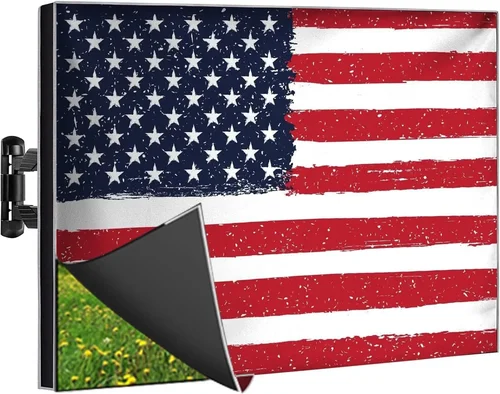
Outdoor living spaces have evolved far beyond simple patios and balconies. Today, they’re fully integrated entertainment zones—complete with outdoor kitchens, fire pits, and yes, high-definition televisions. Whether you’re hosting a summer barbecue, enjoying a quiet evening under the stars, or catching the big game from your fifth-floor balcony, a weatherproof TV can transform your outdoor experience. But not all outdoor TVs are created equal. Choosing the right one requires more than just picking a screen size and hoping it survives a rainstorm. That’s where this comprehensive buying guide comes in.
This guide is designed for homeowners, renters, and outdoor enthusiasts who want to invest wisely in a TV built to withstand the elements. We’ll walk you through every critical factor—from durability and display performance to smart features and installation considerations—so you can make an informed decision that matches your lifestyle, budget, and environment. Whether you live in a humid coastal city, a snowy mountain town, or a sun-baked desert region, we’ll help you find a TV that delivers stunning visuals year-round, rain or shine.
The market for weatherproof TVs has grown significantly in recent years, driven by advances in display technology and increased demand for outdoor entertainment. Major brands like Samsung, LG, Sony, and specialized outdoor manufacturers such as SunBriteTV and Seura now offer models specifically engineered for outdoor use. These aren’t just regular TVs slapped in a weather-resistant case—they’re purpose-built with enhanced cooling, anti-glare screens, and ruggedized components. In this guide, you’ll learn how to distinguish between marketing hype and real performance, avoid costly mistakes, and ultimately choose a TV that enhances your outdoor space without compromising on picture quality or longevity.

What to Look for When Buying Buying Guide
1. Weather Resistance Rating (IP Rating)
One of the most critical factors when selecting a weatherproof TV is its Ingress Protection (IP) rating. This standardized code indicates how well the TV resists dust and moisture. For outdoor use, you’ll want a minimum IP55 rating, which means the TV is protected against dust ingress (limited) and water jets from any direction. However, for balconies exposed to heavy rain or coastal areas with salt spray, aim for IP65 or higher. An IP65-rated TV is dust-tight and protected against low-pressure water jets, making it ideal for most outdoor environments.
Don’t confuse IP ratings with “weather-resistant” marketing claims. A TV labeled as “weather-resistant” without a certified IP rating may only offer minimal protection and could fail prematurely in harsh conditions. Always verify the IP rating through the manufacturer’s technical specifications or third-party certifications. For example, SunBriteTV’s Veranda series carries an IP55 rating, while their premium Pro series boasts IP65, making them suitable for fully exposed locations.
2. Display Technology & Brightness
Outdoor visibility is a major challenge. Sunlight, glare, and ambient light can wash out even the best indoor TVs. That’s why outdoor TVs must use high-brightness displays. Look for models with at least 700 nits of brightness, but ideally 1000 nits or more. For example, the Samsung The Terrace delivers up to 2000 nits, ensuring crisp, vibrant images even at noon on a sunny day. In contrast, most indoor TVs max out around 400–600 nits.
The type of display also matters. OLED TVs offer superior contrast and color accuracy but are generally not recommended for full sun exposure due to potential burn-in and reduced lifespan under constant high brightness. Instead, LED-LCD panels with full-array local dimming (FALD) are the gold standard for outdoor use. They provide excellent brightness, good contrast, and long-term reliability. Some premium models also feature anti-reflective coatings or optically bonded screens that reduce glare by minimizing the air gap between the glass and display layer.
Consider the viewing angle as well. If your seating area is off-center or you plan to watch from multiple positions, choose a TV with wide viewing angles (178 degrees or more). VA panels offer deeper blacks but narrower viewing angles, while IPS panels maintain color accuracy at wider angles—ideal for group viewing on a patio.
3. Build Quality & Durability
A weatherproof TV isn’t just about the screen—it’s about the entire enclosure. Look for rugged, powder-coated aluminum or stainless steel housings that resist corrosion, UV degradation, and temperature extremes. Internal components should be sealed to prevent moisture ingress, and ventilation systems must be designed to allow heat dissipation without letting in water. Some models use passive cooling (no fans), which reduces noise and maintenance but may limit performance in extreme heat.
Temperature tolerance is another key durability factor. Most outdoor TVs operate between -22°F and 122°F (-30°C to 50°C), but verify this range based on your local climate. If you live in a region with harsh winters or scorching summers, ensure the TV can handle those extremes. For instance, Seura’s Outdoor TVs are rated for -40°F to 140°F, making them suitable for nearly any environment.
Also, consider the mounting system. The TV should come with a compatible outdoor-rated wall mount or be compatible with VESA-standard mounts designed for outdoor use. Avoid using indoor mounts, as they may not withstand wind loads or corrosion over time. Some manufacturers offer integrated mounting solutions that simplify installation and improve stability.
4. Smart Features & Connectivity
Modern outdoor TVs aren’t just dumb screens—they’re full-fledged smart platforms. Look for models running popular operating systems like Android TV, webOS (LG), or Tizen (Samsung), which give you access to streaming apps like Netflix, YouTube, Disney+, and more. This eliminates the need for external streaming devices and keeps your setup clean and cable-free.
Connectivity is equally important. Ensure the TV has multiple HDMI ports (preferably HDMI 2.1 for future-proofing), USB ports, and Ethernet for wired internet. Wi-Fi 6 support is a bonus for faster, more reliable streaming, especially if your outdoor area is far from your router. Some models also include built-in Bluetooth for wireless audio to outdoor speakers or headphones.
Voice control integration with Alexa, Google Assistant, or Siri can enhance convenience, allowing you to change channels or adjust volume without reaching for a remote. However, note that voice assistants may struggle in noisy outdoor environments, so a physical remote or smartphone app control is still essential.
5. Size & Viewing Distance
Choosing the right screen size depends on your viewing distance and available space. For balconies, a 43-inch to 55-inch TV is usually ideal, offering a cinematic experience without overwhelming the area. On larger patios, you can go up to 75 inches or more. Use the 1.5x rule: multiply your viewing distance (in inches) by 1.5 to get the recommended screen size. For example, if you’re sitting 8 feet (96 inches) away, a 55-inch TV (96 ÷ 1.5 ≈ 64) would be comfortable, but a 50-inch might be more practical for a balcony.
Also, consider the TV’s depth and weight. Outdoor TVs are often thicker than indoor models due to their protective enclosures. Ensure your mounting surface can support the weight—most outdoor TVs weigh 20–40 lbs, but larger models can exceed 60 lbs. Check the product specs and consult a professional installer if you’re unsure.
Portability is another consideration. If you plan to move the TV between indoor and outdoor use (e.g., bringing it inside during winter), look for lighter models or those with optional indoor conversion kits. However, frequent moving can compromise the weather seals, so it’s generally better to keep the TV permanently installed outdoors.
6. Audio Quality & Sound Solutions
Built-in speakers on outdoor TVs are often underpowered due to space and weatherproofing constraints. While they may suffice for casual listening, they rarely deliver the immersive sound needed for movies or sports. Most outdoor TVs include audio outputs (optical, RCA, or HDMI ARC) to connect to external sound systems.
Consider investing in weatherproof outdoor speakers or a soundbar designed for outdoor use. Brands like Polk, Bose, and Sonos offer outdoor audio solutions that pair well with weatherproof TVs. For balconies, compact wireless speakers or a slim outdoor soundbar can provide excellent sound without cluttering the space.
Some high-end models, like the Sony X95L Outdoor, feature enhanced built-in audio with Dolby Atmos support, but even these benefit from supplemental speakers. Always test audio quality during the day and night—outdoor acoustics can vary significantly with temperature and humidity.
7. Brand Reputation & Reliability
Not all brands are equal when it comes to outdoor TVs. Established electronics giants like Samsung, LG, and Sony have entered the outdoor market with reliable, high-performance models. However, specialized manufacturers like SunBriteTV, Seura, and Aviditi offer deeper expertise in weatherproofing and outdoor durability.
Research customer reviews, professional installer feedback, and third-party testing. Look for brands with a proven track record in outdoor environments. For example, SunBriteTV has been designing outdoor TVs since 2004 and is widely trusted by contractors and homeowners alike. Their TVs undergo rigorous testing for thermal cycling, humidity, and UV exposure.
Avoid generic or off-brand “outdoor TVs” sold on online marketplaces without clear specifications or support. These often lack proper certification and may fail within a year. Stick to reputable retailers and manufacturers with transparent warranties and customer service.
8. Warranty & Support
A weatherproof TV is a significant investment, so robust warranty coverage is essential. Most reputable brands offer 2–3 years of limited warranty, but some extend coverage to 5 years for outdoor-specific models. For example, Seura provides a 3-year warranty, while SunBriteTV offers a 2-year warranty with optional extended plans.
Check what the warranty covers: does it include labor, parts, and on-site service? Is accidental damage or power surge protection included? Some manufacturers offer free replacement units during repairs to minimize downtime. Also, verify if the warranty is valid only if installed by a certified professional—many require this to maintain coverage.
Customer support responsiveness is equally important. Look for brands with dedicated outdoor TV support lines, online resources, and local service networks. Reading user forums and installer reviews can give you insight into real-world support experiences.
Different Types of Buying Guide

Common Buying Mistakes to Avoid
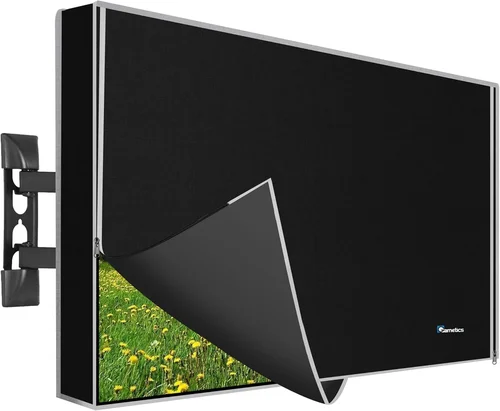
❌ Mistake: Buying a Regular Indoor TV and Putting It in a Weatherproof Enclosure
Why it’s bad: While third-party outdoor enclosures exist, they often trap heat, reduce airflow, and can void the TV’s warranty. Indoor TVs aren’t designed for constant temperature swings or high ambient light, leading to overheating, screen burn-in, or premature failure.
What to do instead: Invest in a TV specifically engineered for outdoor use. These models have internal cooling systems, high-brightness displays, and sealed components that regular TVs lack. The long-term reliability and performance justify the higher upfront cost.
❌ Mistake: Ignoring the IP Rating
Why it’s bad: A TV without a certified IP rating may claim to be “weather-resistant” but offer minimal actual protection. This can lead to water damage, corrosion, or electrical failure during the first heavy rain.
What to do instead: Always check the IP rating and match it to your environment. For balconies with partial cover, IP55 is acceptable. For full exposure, demand IP65 or higher. Don’t rely on marketing language—look for technical specs.
❌ Mistake: Overlooking Brightness Requirements
Why it’s bad: A TV with only 500 nits will appear dim and washed out in daylight, making it unusable for most of the day. You’ll end up watching only at night, defeating the purpose of an outdoor TV.
What to do instead: Choose a model with at least 1000 nits for covered areas and 2000+ nits for full sun. Test brightness in similar lighting conditions if possible, or rely on verified reviews and manufacturer data.
❌ Mistake: Skimping on Installation
Why it’s bad: Improper mounting can lead to instability, water leakage, or even the TV falling. DIY installations without proper tools or knowledge risk damage to both the TV and your property.
What to do instead: Hire a certified outdoor TV installer. They’ll ensure secure mounting, proper cable management, and weatherproof sealing. Many manufacturers require professional installation to maintain warranty coverage.
❌ Mistake: Neglecting Audio Needs
Why it’s bad: Relying solely on built-in speakers results in poor sound quality, especially in open outdoor spaces where sound dissipates quickly.
What to do instead: Plan for external audio from the start. Pair your TV with weatherproof speakers or a soundbar. Consider wireless options to reduce cable clutter and simplify setup.
❌ Mistake: Not Checking Wi-Fi Signal Strength
Why it’s bad: Weak Wi-Fi leads to buffering, app crashes, and frustration—especially during live events or 4K streaming.
What to do instead: Test your signal at the installation site using a smartphone or Wi-Fi analyzer app. Upgrade to a mesh network or install an outdoor Wi-Fi extender if needed.
❌ Mistake: Forgetting About Power and Cable Management
Why it’s bad: Exposed cables are unsightly, prone to damage, and can become tripping hazards. Improper power sources may not support the TV’s energy needs.
What to do instead: Use outdoor-rated conduits or cable raceways to protect wires. Ensure your power outlet is GFCI-protected and capable of handling the TV’s wattage. Consider a dedicated circuit for larger models.
Budget Guidelines: How Much Should You Spend?
Entry-Level ($1,200 – $2,000): These TVs are ideal for covered balconies or screened patios with minimal sun exposure. Expect IP55 ratings, 700–1000 nits brightness, and basic smart features. Models like the SunBriteTV Veranda series or Samsung The Terrace (smaller sizes) fall into this range. While affordable, they may lack advanced cooling or ultra-high brightness, limiting use in direct sun.
Mid-Range ($2,000 – $3,500): This is the sweet spot for most buyers. These TVs offer IP65 ratings, 1000–2000 nits brightness, robust build quality, and full smart functionality. Examples include the LG Outdoor TV (OLED-based, with anti-glare coating) and Seura’s standard outdoor models. They’re suitable for partially exposed patios and deliver excellent performance in most conditions.
Premium ($3,500 – $6,000): Designed for full sun exposure and extreme climates, these models feature 2000+ nits brightness, advanced thermal management, and premium materials. The SunBriteTV Pro series and Sony X95L Outdoor are top contenders. They’re built for longevity and performance, with extended warranties and professional-grade durability.
Luxury ($6,000+): These are commercial-grade or custom solutions for large patios, luxury homes, or public venues. Expect features like 24/7 operation, vandal-resistant casings, centralized control systems, and ultra-high brightness (3000+ nits). Brands like Aviditi and custom integrators offer these solutions, often with bespoke installation and support.
Expert Tips for Getting the Best Deal
1. Buy During Off-Season: Outdoor TVs are in highest demand during spring and summer. Shop in late fall or winter (October–February) for discounts, clearance sales, and bundle deals. Retailers often offer 10–20% off to clear inventory.
2. Compare Retailers: Check prices at specialty outdoor electronics stores (e.g., Outdoor TV Direct, Seura, SunBriteTV), big-box retailers (Best Buy, Costco), and online marketplaces (Amazon, Crutchfield). Specialty stores often include free installation consultations.
3. Look for Bundles: Some retailers offer TV + mount + speaker bundles at a discounted rate. These can save you $200–$500 compared to buying separately.
4. Negotiate Installation: If hiring a professional, ask for package deals on TV purchase and installation. Many installers offer discounts when you buy the TV through them.
5. Check for Rebates: Some manufacturers or utility companies offer rebates for energy-efficient outdoor electronics. While rare, it’s worth checking local programs.
6. Read Return Policies: Ensure the retailer offers a 30-day return window and covers return shipping. Outdoor TVs are heavy and expensive to return, so verify this before buying.
7. Test Before Finalizing: If possible, visit a showroom or ask for a demo unit. Check brightness, color accuracy, and audio quality in conditions similar to your outdoor space.
8. Consider Refurbished Models: Certified refurbished outdoor TVs from reputable brands can save 20–30% off retail. Ensure they come with a full warranty and have been tested for weather resistance.
Frequently Asked Questions
Q: Can I use a regular TV outdoors if I cover it?
A: While possible, it’s not recommended. Regular TVs lack the brightness, cooling, and sealing needed for outdoor use. Even with a cover, heat buildup, humidity, and glare can cause damage or poor performance. A purpose-built outdoor TV is a safer, longer-lasting investment.
Q: Do outdoor TVs consume more power?
A: Yes, due to higher brightness and cooling systems, outdoor TVs typically use 20–50% more power than indoor models. However, many are ENERGY STAR certified and include power-saving modes. Check the wattage rating and consider a smart plug to monitor usage.
Q: How do I clean an outdoor TV?
A: Use a microfiber cloth and mild, non-abrasive cleaner. Avoid spraying liquid directly on the screen—apply it to the cloth first. Never use ammonia-based cleaners or paper towels, which can scratch the anti-glare coating.
Q: Can I leave my outdoor TV on during a storm?
A: It’s best to turn it off during severe weather, especially lightning storms. While the TV is weatherproof, power surges from lightning can damage internal components. Use a surge protector or unplug during storms.
Q: Do outdoor TVs work in winter?
A: Yes, most are rated for temperatures as low as -22°F. However, extreme cold can temporarily reduce brightness or slow startup. Allow the TV to acclimate if moved from a warm indoor space.
Q: Can I mount an outdoor TV on a balcony railing?
A: Only if the railing is structurally sound and the mount is designed for it. Most installations require a wall or ceiling mount. Consult a professional to assess load capacity and safety.
Q: Are outdoor TVs compatible with streaming devices?
A: Yes, most have HDMI ports for devices like Roku, Apple TV, or Fire Stick. However, built-in smart platforms often provide a better, more integrated experience.
Q: How long do outdoor TVs last?
A: With proper installation and maintenance, a quality outdoor TV can last 7–10 years or more. Regular cleaning, avoiding extreme temperature shocks, and using surge protection extend lifespan.
Q: Can I use an outdoor TV indoors?
A: Yes, but it’s overkill. Outdoor TVs are heavier, thicker, and more expensive than indoor models. They’re optimized for outdoor conditions, so using them indoors wastes their capabilities.
Q: What’s the difference between IP55 and IP65?
A: IP55 protects against dust and water jets from any direction. IP65 is dust-tight and offers the same water protection. IP65 is better for full exposure, while IP55 suits covered areas.
Our Final Recommendations
Best for Budget-Conscious Buyers: SunBriteTV Veranda 55-inch – At around $1,800, it offers excellent brightness (1000 nits), IP55 rating, and reliable performance for covered balconies. A great entry point into outdoor viewing.
Best Overall Value: Samsung The Terrace 65-inch – Priced around $2,800, it delivers 2000 nits brightness, Tizen OS, and a sleek design. Ideal for partial sun patios with strong smart features and durability.
Best Premium Option: Sony X95L Outdoor 75-inch – At $4,500, it combines Sony’s superior picture processing, 2000+ nits brightness, and robust build. Perfect for full sun exposure and audiophiles wanting top-tier performance.
Best for Beginners: Seura Outdoor TV 50-inch – User-friendly setup, clear documentation, and excellent customer support make this a great choice for first-time buyers. Around $2,200 with solid IP65 protection.
Best for Advanced Users: SunBriteTV Pro Series 75-inch – For those who demand maximum durability and performance, this $5,500 model offers 3000 nits brightness, extreme temperature tolerance, and professional-grade construction.
Conclusion: Making the Right Choice
Choosing a weatherproof TV for your balcony or patio is more than a purchase—it’s an investment in your outdoor lifestyle. By focusing on key factors like IP rating, brightness, build quality, and smart features, you can find a TV that delivers stunning visuals and reliable performance year-round. Avoid common pitfalls like using indoor TVs or ignoring installation needs, and always prioritize your specific environment and usage patterns.
Remember, the best TV isn’t necessarily the most expensive—it’s the one that fits your space, budget, and viewing habits. Whether you’re watching sunset movies on a small balcony or hosting large gatherings on a sprawling patio, the right weatherproof TV will enhance every moment. Take your time, do your research, and consult professionals when needed. With the insights from this guide, you’re well-equipped to make a confident, informed decision that brings entertainment outdoors—rain or shine.

