
Outdoor movie nights have evolved from backyard novelty to a beloved staple of modern home entertainment. Whether you’re hosting a family film night under the stars, entertaining friends for a summer blockbuster, or simply unwinding after a long day with your favorite show al fresco, having a reliable outdoor TV can transform your experience. But unlike indoor televisions, outdoor TVs face real-world challenges—rain, snow, humidity, extreme temperatures, dust, and even curious wildlife. That’s why choosing the right weatherproof TV isn’t just about picture quality; it’s about durability, performance in unpredictable conditions, and long-term value.
This comprehensive buying guide is designed to help you navigate the complex world of weatherproof televisions with confidence. Whether you’re a first-time buyer or upgrading from an older outdoor display, we’ll walk you through every critical decision point—from understanding IP ratings and build materials to evaluating brightness, smart features, and installation requirements. You’ll learn how to avoid costly mistakes, identify hidden value in mid-range models, and make an informed choice that fits your budget, space, and entertainment goals. By the end of this guide, you’ll know exactly what to look for, what to avoid, and how to get the most out of your investment.
The market for outdoor TVs has grown significantly in recent years, driven by increased demand for outdoor living spaces and advancements in display technology. Today’s weatherproof TVs aren’t just ruggedized versions of indoor models—they’re purpose-built for outdoor use, featuring sealed enclosures, anti-glare screens, high brightness levels, and thermal management systems. Major brands like SunBriteTV, Samsung, LG, and Seura now offer dedicated outdoor lines, while newer entrants bring innovative features like ultra-thin designs and modular mounting. With options ranging from basic 32-inch models under $1,000 to premium 85-inch 4K HDR displays exceeding $10,000, there’s never been a better time to go outdoor. But with such variety comes complexity—and that’s where this expert guide comes in.

What to Look for When Buying a Weatherproof TV
1. IP Rating and Weather Resistance
The Ingress Protection (IP) rating is the most critical specification when evaluating a weatherproof TV. This two-digit code tells you exactly how well the TV resists dust and moisture. The first digit ranges from 0 to 6 and measures protection against solid particles like dust and debris. The second digit ranges from 0 to 9 and indicates resistance to liquids, including rain, splashes, and even high-pressure water jets.
For outdoor use, you should look for a minimum IP55 rating—this means the TV is protected against limited dust ingress and low-pressure water jets from any direction. However, for full outdoor exposure—especially in areas with heavy rain, snow, or coastal humidity—an IP65 or IP66 rating is strongly recommended. IP65 offers complete dust protection and resistance to water jets, while IP66 adds protection against powerful water jets and temporary immersion.
It’s important to note that not all “weather-resistant” TVs are created equal. Some manufacturers market indoor TVs with outdoor enclosures as “weatherproof,” but these setups often lack the thermal management and internal sealing of true outdoor models. Always verify the IP rating and look for certifications from independent testing labs. A TV with an IP65 rating will have sealed ports, gaskets around the screen, and a fully enclosed chassis designed to prevent moisture from reaching internal components.
2. Brightness and Anti-Glare Performance
Brightness is arguably the second most important factor after weather resistance. Indoor TVs typically operate at 300–500 nits of brightness, which is fine for dimly lit living rooms but completely inadequate for outdoor use. Sunlight, even on overcast days, can easily wash out a dim screen, making content unwatchable.
Outdoor TVs are engineered for high ambient light conditions. Look for models with a minimum brightness of 700 nits, but ideally 1,000 nits or higher. Premium outdoor TVs often reach 2,000 nits or more, ensuring vivid, clear images even in direct sunlight. This is especially important for daytime viewing or early evening movie nights when the sun hasn’t fully set.
Equally important is anti-glare technology. Outdoor TVs use specialized screen coatings and optically bonded glass to reduce reflections from the sun, sky, or nearby lights. Optically bonded screens fuse the LCD panel directly to the outer glass, eliminating the air gap that causes glare and improving contrast. Some models also feature matte finishes or polarizing filters to further reduce reflections.
When evaluating brightness, don’t rely solely on manufacturer specs. Look for real-world reviews that test the TV in outdoor conditions. A TV rated at 1,500 nits may still struggle if the screen coating isn’t optimized for glare reduction. Also, consider the viewing angle—some high-brightness panels sacrifice off-axis clarity, which can be problematic if viewers are seated at an angle.
3. Build Quality and Durability
Outdoor TVs are subjected to environmental stressors that indoor models never encounter. Temperature fluctuations, UV exposure, humidity, and physical impacts all take a toll over time. That’s why build quality is non-negotiable.
Start with the chassis material. High-quality outdoor TVs use powder-coated aluminum or stainless steel enclosures that resist rust, corrosion, and fading. Avoid plastic housings, which can become brittle under UV exposure and are more prone to cracking. The internal components should also be rated for extended outdoor use, with conformal coatings on circuit boards to protect against moisture and dust.
Thermal management is another critical aspect. Outdoor TVs generate heat from both the display and ambient conditions. Without proper ventilation or active cooling, internal temperatures can rise to dangerous levels, leading to premature failure. Look for models with built-in cooling fans, heat sinks, or passive ventilation systems. Some premium TVs even feature dual cooling zones—one for the display and one for the electronics—to ensure stable operation in extreme heat.
Durability also extends to the screen itself. Tempered glass or reinforced polycarbonate protects against impacts from branches, hail, or accidental bumps. Some models include shatter-resistant coatings or anti-vandal features for added security.
4. Display Technology and Picture Quality
While durability is essential, you still want a TV that delivers excellent picture quality. The display technology you choose will impact color accuracy, contrast, motion handling, and energy efficiency.
LED/LCD is the most common technology in outdoor TVs due to its brightness, affordability, and reliability. Full-array local dimming (FALD) models offer better contrast by controlling backlighting zones, resulting in deeper blacks and more dynamic images. However, FALD can increase cost and complexity.
OLED TVs provide superior contrast, perfect blacks, and wide viewing angles, but they are rarely used in outdoor models due to lower peak brightness and potential burn-in risks in static outdoor environments. If you find an outdoor OLED, expect a premium price tag and verify its brightness capabilities.
QLED (Quantum Dot LED) is another option, offering vibrant colors and high brightness. Samsung’s outdoor QLED models, for example, combine quantum dot technology with anti-reflective coatings for excellent daylight visibility.
Resolution is another consideration. 4K UHD (3840 x 2160) is the standard for new outdoor TVs and provides four times the detail of Full HD. For screens 55 inches and larger, 4K is highly recommended. Some models even support 8K, though content availability and viewing distance limit its practicality for most users.
HDR (High Dynamic Range) support enhances contrast and color depth. Look for HDR10, HDR10+, or Dolby Vision compatibility. While HDR is less impactful in bright daylight, it significantly improves evening and nighttime viewing.
5. Smart Features and Connectivity
Modern outdoor TVs come equipped with smart platforms that allow streaming, app access, and voice control. However, outdoor environments present unique challenges for connectivity and usability.
Wi-Fi performance is crucial. Outdoor TVs should support dual-band Wi-Fi (2.4 GHz and 5 GHz) with strong antennas or external Wi-Fi extenders. Some models include built-in cellular modems or Ethernet ports for wired connections, which are more reliable in areas with weak signals.
Smart platforms vary by brand. Samsung uses Tizen, LG uses webOS, and some outdoor specialists like SunBriteTV offer Android TV or Roku TV integration. Consider which ecosystem you’re already using indoors—compatibility with your existing devices and voice assistants (like Alexa or Google Assistant) can streamline the experience.
App availability is another factor. Ensure the TV supports popular streaming services like Netflix, Disney+, Hulu, and YouTube. Some outdoor TVs also include weather apps, outdoor activity trackers, or even integration with smart home systems.
Connectivity ports should include HDMI 2.0 or 2.1 for 4K/60Hz content, USB ports for media playback, and audio outputs for external speakers or soundbars. Look for at least three HDMI ports to accommodate a streaming device, gaming console, and cable box.
6. Size and Viewing Distance
Choosing the right screen size depends on your seating arrangement and viewing distance. A TV that’s too small will be hard to see from a distance, while one that’s too large can overwhelm the space and strain the eyes.
As a general rule, the optimal viewing distance is 1.5 to 2.5 times the diagonal screen size. For example, a 65-inch TV should be viewed from 8 to 13 feet away. Use this formula: Viewing Distance (in feet) = Screen Size (in inches) × 1.5 to 2.5.
Consider the layout of your outdoor space. If viewers will be seated on a patio, deck, or lawn, ensure the TV is mounted at eye level and angled slightly downward. Avoid placing the TV where it will be directly exposed to sunlight for long periods, as this can cause overheating and screen damage.
Portability is another factor. Some outdoor TVs are designed for permanent installation, while others are lighter and easier to move. If you plan to relocate the TV seasonally or between locations, look for models with lightweight frames and compatible mounting systems.
7. Brand Reputation and Reliability
Not all outdoor TV brands are equal. Some specialize exclusively in outdoor displays, while others adapt indoor models for outdoor use. Research the brand’s track record for durability, customer service, and innovation.
SunBriteTV is a pioneer in the outdoor TV market, known for rugged, high-brightness models with excellent weather resistance. Samsung and LG offer premium outdoor lines with advanced smart features and sleek designs. Seura focuses on design-forward outdoor TVs that blend with outdoor décor.
Check customer reviews on trusted platforms like Amazon, Best Buy, and specialized outdoor electronics forums. Look for patterns in feedback—consistent complaints about overheating, poor Wi-Fi, or short lifespans are red flags.
Also consider the brand’s presence in your region. A brand with local service centers and authorized dealers will make warranty claims and repairs much easier.
8. Warranty and Support
Outdoor TVs are a significant investment, so a strong warranty is essential. Most reputable brands offer at least a one-year limited warranty, but premium models often include two to three years of coverage.
Look for warranties that cover both parts and labor, and verify what’s included. Some warranties exclude damage from extreme weather, improper installation, or power surges. Extended warranties or protection plans may be worth considering, especially in areas prone to lightning or storms.
Customer support is equally important. Check if the brand offers phone, email, or chat support, and whether technicians are available for on-site service. Some companies provide installation guides, mounting hardware, and even remote diagnostics.
Different Types of Weatherproof TVs

Common Buying Mistakes to Avoid
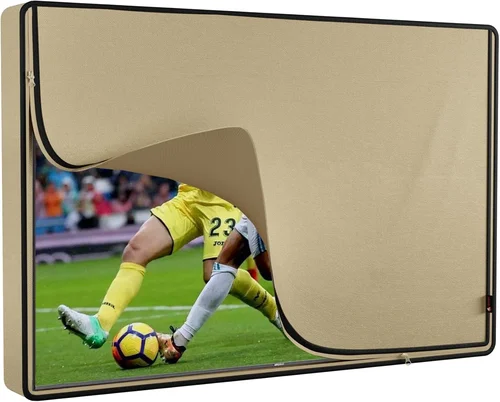
❌ Mistake: Buying an Indoor TV for Outdoor Use
Why it’s bad: Indoor TVs lack weatherproofing, thermal management, and brightness required for outdoor environments. Exposure to moisture, temperature swings, and UV light can cause rapid failure, void warranties, and create safety hazards.
What to do instead: Invest in a purpose-built outdoor TV with verified IP rating, high brightness, and outdoor-rated components. If budget is tight, consider a partial-shade model or use a weatherproof enclosure—but never assume an indoor TV will survive outdoors.
❌ Mistake: Ignoring Brightness Specs
Why it’s bad: A dim screen will be unwatchable in daylight, even under cover. Many buyers focus on resolution or smart features but overlook brightness, resulting in a disappointing viewing experience.
What to do instead: Prioritize brightness—aim for at least 700 nits, but 1,000+ nits is ideal. Check real-world reviews and consider your typical viewing times. If you watch mostly at night, you can get away with lower brightness, but daytime viewing demands high output.
❌ Mistake: Overlooking Installation Requirements
Why it’s bad: Outdoor TVs require proper mounting, power supply, and cable management. Improper installation can lead to water ingress, electrical issues, or structural damage.
What to do instead: Plan your installation in advance. Use outdoor-rated mounts, conduit for cables, and GFCI outlets for safety. Consider hiring a professional installer, especially for permanent setups or complex wiring.
❌ Mistake: Skipping the Warranty Check
Why it’s bad: Outdoor TVs are expensive, and repairs can be costly. A weak or unclear warranty leaves you vulnerable to out-of-pocket expenses for common issues like screen burn-in or cooling fan failure.
What to do instead: Read the warranty terms carefully. Look for coverage of both parts and labor, and verify what’s excluded. Register your TV immediately and keep all documentation.
❌ Mistake: Choosing the Wrong Size
Why it’s bad: A TV that’s too small forces viewers to squint, while one that’s too large can dominate the space and cause eye strain. Size affects both usability and aesthetics.
What to do instead: Measure your viewing distance and use the 1.5–2.5x rule. Test with a temporary setup if possible. Consider the room’s layout and seating arrangement before finalizing size.
❌ Mistake: Neglecting Audio Quality
Why it’s bad: Outdoor environments have ambient noise—wind, traffic, birds—that can drown out built-in TV speakers. Poor audio ruins the movie experience.
What to do instead: Pair your TV with outdoor-rated speakers or a soundbar. Look for models with optical audio output or Bluetooth for wireless audio. Consider weatherproof speaker systems designed for patios and decks.
❌ Mistake: Buying Based on Price Alone
Why it’s bad: The cheapest option often cuts corners on durability, brightness, and support. You may save upfront but pay more in repairs or replacements.
What to do instead: Focus on value, not just price. A mid-range TV with strong build quality and good reviews often outperforms a budget model with hidden flaws. Use our budget breakdown below to find the right tier.
Budget Guidelines: How Much Should You Spend?
Entry-Level ($500 – $1,200): These are typically partial-shade or convertible models designed for covered areas. Expect basic weather resistance (IP54), brightness around 500–700 nits, and limited smart features. Ideal for occasional use in screened porches or garages. Brands like Seura and some Samsung models offer good entry options.
Mid-Range ($1,200 – $3,500): This is the sweet spot for most buyers. These TVs offer full weatherproofing (IP65), brightness of 1,000+ nits, 4K resolution, and robust smart platforms. Look for models from SunBriteTV, LG, and Samsung’s outdoor lines. They balance performance, durability, and price.
Premium ($3,500 – $7,000): Designed for enthusiasts and frequent outdoor entertainers. These TVs feature ultra-high brightness (1,500–2,000 nits), advanced cooling, premium materials, and enhanced smart features. Ideal for full sun exposure and luxury outdoor spaces.
Luxury ($7,000+): Top-tier models with 85-inch screens, 8K resolution, commercial-grade durability, and custom design options. These are for high-end homes, hotels, or public venues where performance and aesthetics are paramount.
Expert Tips for Getting the Best Deal
– Buy during off-season sales: Outdoor TVs are often discounted in winter (January–March) when demand is low. Look for holiday sales around Presidents’ Day or Black Friday.
– Compare retailers: Check prices at Best Buy, Amazon, Crutchfield, and specialty outdoor electronics stores. Some offer price matching or bundle deals with mounts and cables.
– Consider refurbished models: Certified refurbished outdoor TVs from reputable sellers can save 20–30% and often include full warranties.
– Check for rebates: Some manufacturers offer mail-in rebates or trade-in programs for old TVs.
– Read return policies: Ensure you can return the TV if it doesn’t meet expectations. Outdoor setups can be hard to test before installation.
– Test before finalizing: If possible, view the TV in person or watch demo videos in bright conditions.
– Bundle with accessories: Some retailers offer discounts when you buy a TV, mount, and weatherproof cover together.
Frequently Asked Questions
Q: Can I use a regular TV outdoors with a cover?
A: While possible, it’s not recommended for permanent use. Covers can trap moisture, reduce airflow, and don’t provide full protection. For occasional use in covered areas, a high-quality outdoor enclosure can work, but a purpose-built outdoor TV is safer and more reliable.
Q: How do I protect my outdoor TV from theft?
A: Use a locking mount, install the TV in a visible but secure location, and consider a security cable. Some models include anti-theft features or can be integrated with home security systems.
Q: Do outdoor TVs consume more power?
A: Yes, due to higher brightness and cooling systems. Look for ENERGY STAR-certified models to reduce electricity use. LED technology is more efficient than older plasma or CCFL displays.
Q: Can I leave my outdoor TV on all the time?
A: Most outdoor TVs are designed for continuous use, but it’s best to turn them off when not in use to extend lifespan. Use a smart plug or timer for convenience.
Q: What’s the difference between partial-shade and full-outdoor TVs?
A: Partial-shade models are for covered areas with minimal direct exposure. Full-outdoor TVs are built for open-air environments with full weather protection, higher brightness, and enhanced durability.
Q: How do I clean my outdoor TV screen?
A: Use a microfiber cloth and a mild cleaner designed for electronics. Avoid ammonia-based cleaners or abrasive materials. Clean gently to avoid scratching the anti-glare coating.
Q: Can I use streaming devices with outdoor TVs?
A: Yes, most outdoor TVs support external streaming devices via HDMI. This is a great way to access more apps and ensure software updates.
Q: What happens if my outdoor TV gets rained on?
A: If it’s a true weatherproof model with a proper IP rating, rain should not damage it. However, avoid spraying water directly on ports or vents. Always follow the manufacturer’s guidelines.
Our Final Recommendations
Best for Budget-Conscious Buyers: Seura 43″ Partial-Shade Outdoor TV – Offers solid weather resistance, 700 nits brightness, and smart features at an accessible price. Ideal for covered patios.
Best Overall Value: SunBriteTV Veranda Series 55″ – Combines IP65 rating, 1,000+ nits brightness, 4K HDR, and excellent build quality. A reliable choice for most outdoor setups.
Best Premium Option: Samsung The Terrace 75″ – Features QLED technology, 2,000 nits brightness, anti-reflective coating, and a sleek design. Perfect for luxury outdoor entertainment.
Best for Beginners: LG 50″ Outdoor Smart TV – User-friendly webOS platform, good brightness, and strong customer support. Great for first-time outdoor TV owners.
Best for Advanced Users: SunBriteTV Pro Series 85″ – Commercial-grade durability, extreme brightness, and customizable mounting. Built for demanding environments and professional use.
Conclusion: Making the Right Choice
Choosing the right weatherproof TV for your backyard movie nights is about more than just picking a screen that survives the rain. It’s about creating a reliable, high-quality entertainment experience that enhances your outdoor living space year after year. From understanding IP ratings and brightness to evaluating build quality and smart features, every decision you make contributes to long-term satisfaction.
Remember to prioritize your specific needs—whether that’s budget, screen size, or exposure level—and don’t compromise on core durability features. Use this guide as your roadmap, avoid common pitfalls, and take advantage of expert tips to get the best value. With the right TV, your backyard can become the ultimate destination for movie nights, sports events, and unforgettable gatherings under the stars.
Now that you’re equipped with expert knowledge, it’s time to make your choice. Start by assessing your space, setting a realistic budget, and comparing models that meet your criteria. And when you’re ready, invest in a weatherproof TV that delivers not just performance, but peace of mind—so you can focus on what matters most: enjoying the show.

