
Outdoor living spaces have evolved far beyond simple patios with a grill and a few folding chairs. Today’s outdoor kitchens are fully equipped entertainment hubs—complete with premium appliances, ambient lighting, sound systems, and yes, high-performance outdoor TVs. Whether you’re hosting game nights under the stars, catching up on your favorite shows while grilling, or simply enjoying a quiet evening outdoors, an outdoor TV can transform your patio into a true extension of your home.
But choosing the right TV for your outdoor kitchen isn’t as simple as grabbing the biggest screen from your local electronics store. Outdoor environments present unique challenges: intense sunlight, humidity, temperature swings, dust, and even occasional rain. A standard indoor TV simply won’t cut it—it could overheat, suffer screen glare, or fail prematurely due to environmental exposure. That’s why investing in a purpose-built outdoor TV is essential for long-term enjoyment and reliability.
This comprehensive buyer’s guide is designed to help you navigate the growing market of outdoor televisions with confidence. You’ll learn what features matter most, how to balance performance with budget, which brands deliver real durability, and how to avoid common pitfalls that lead to buyer’s remorse. Whether you’re building a new outdoor kitchen or upgrading an existing setup, this guide will equip you with the knowledge to make a smart, informed decision that enhances your outdoor lifestyle for years to come.
The outdoor TV market has matured significantly over the past decade. What once consisted of bulky, expensive specialty models has now expanded into a diverse ecosystem offering options for nearly every budget and use case. From weatherproof 4K displays to ultra-bright screens optimized for daylight viewing, today’s outdoor TVs rival—and in some cases surpass—their indoor counterparts in both picture quality and resilience. However, with so many choices available, it’s easy to get overwhelmed by marketing claims or misled by products that aren’t truly built for the elements.
That’s where this guide comes in. We’ve tested, researched, and analyzed the latest models to bring you actionable insights based on real-world performance, not just specs on a spec sheet. You’ll discover the critical differences between partial-shade and full-sun models, understand why brightness (measured in nits) matters more outdoors than resolution alone, and learn how to evaluate build quality beyond surface-level weather resistance ratings. By the end, you’ll know exactly what to look for—and what to avoid—when selecting the perfect TV for your patio or outdoor kitchen.

What to Look for When Buying Buying Guide
1. Brightness & Screen Visibility
When it comes to outdoor TVs, brightness isn’t just a nice-to-have—it’s non-negotiable. Unlike indoor environments where ambient light is controlled, your patio is constantly exposed to natural sunlight, which can wash out even the best indoor displays. Look for outdoor TVs with a minimum brightness of 700 nits, but ideally 1,000 nits or higher for areas with direct sun exposure. Some premium models now reach 2,500+ nits, making them readable even at midday.
Beyond raw brightness, consider anti-glare coatings and optically bonded screens. These technologies reduce reflections and improve contrast in bright conditions. Also, check if the TV uses direct-lit or full-array local dimming (FALD) backlighting—these provide better black levels and dynamic range outdoors, where shadows and highlights are more pronounced.
💡 Pro Tip: If your seating area is partially shaded (under a pergola or awning), you might get away with a 700–1,000 nit model. But for full sun, go for 1,500+ nits to ensure consistent visibility.
2. Weather Resistance & IP Rating
Not all “outdoor” TVs are created equal when it comes to weatherproofing. The key metric here is the Ingress Protection (IP) rating, which indicates resistance to dust and water. For outdoor use, look for at least IP55 (protected against dust and low-pressure water jets), but IP65 or higher is ideal—especially if your TV will be exposed to rain, sprinklers, or coastal humidity.
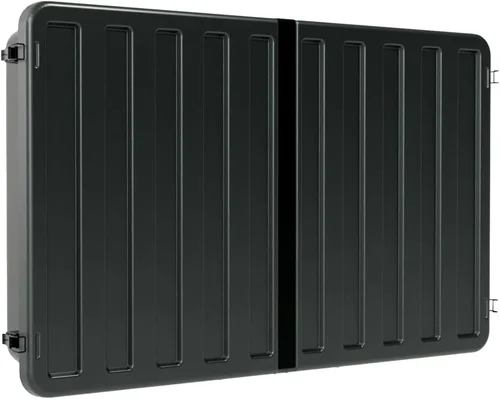
However, don’t stop at the IP rating. Examine the TV’s construction: sealed ports, corrosion-resistant screws, and gaskets around vents and connectors are all signs of serious weatherproofing. Also, note that some manufacturers offer separate outdoor enclosures for indoor TVs—these can work in covered areas but often lack the thermal management and optical clarity of true outdoor models.
💡 Pro Tip: Even with an IP65 rating, avoid placing your TV directly under open sky without some form of overhead protection. A solid roof, pergola with shade cloth, or retractable awning significantly extends lifespan.
3. Thermal Management & Operating Temperature Range
Outdoor TVs must handle extreme temperature fluctuations—from freezing winter nights to scorching summer afternoons. Poor thermal design leads to overheating, reduced brightness, premature component failure, or even automatic shutdowns during peak usage.
High-quality outdoor TVs include built-in cooling fans, heat sinks, and wide operating temperature ranges (typically -22°F to 122°F or -30°C to 50°C). Passive cooling systems are quieter but may struggle in sustained high heat, while active cooling ensures consistent performance but adds slight noise. Look for models with intelligent thermal regulation that adjusts fan speed based on internal temperature.
💡 Pro Tip: Avoid installing your TV in an enclosed cabinet without ventilation. Even outdoor-rated sets need airflow to dissipate heat effectively.
4. Display Technology & Picture Quality
While brightness and durability are paramount, don’t sacrifice picture quality. Most premium outdoor TVs use OLED or high-end QLED panels, but many mid-range models rely on enhanced LCD/LED technology with quantum dot enhancement for richer colors. OLED offers superior contrast and viewing angles but can be more susceptible to burn-in and may not reach the peak brightness needed for full sun.
Resolution should be at least 4K UHD (3840 x 2160) for screens 55 inches and larger. HDR support (HDR10, HLG, or Dolby Vision) improves dynamic range, making skies bluer and shadows deeper—even in daylight. Refresh rate matters too: 60Hz is acceptable for casual viewing, but 120Hz is better for sports or fast-action content.
💡 Pro Tip: Test the TV’s viewing angle. Outdoor seating often means people watching from the side—look for models with wide viewing angles (178° horizontal/vertical) to maintain color accuracy.
5. Audio Performance & Speaker Options
Built-in speakers on outdoor TVs are often underpowered due to space and weatherproofing constraints. While adequate for dialogue, they struggle with bass and volume in open-air environments where sound dissipates quickly. Many users pair their outdoor TV with external weatherproof speakers or soundbars.
If you prefer integrated audio, look for TVs with at least 20W total output and dedicated tweeters. Some models include audio passthrough via optical or HDMI ARC, allowing easy connection to outdoor audio systems. Alternatively, consider TVs with Bluetooth for wireless speaker pairing.
💡 Pro Tip: Invest in a pair of all-weather bookshelf or in-ground speakers—they’ll dramatically improve your outdoor movie nights without cluttering your patio.
6. Connectivity & Smart Features
Modern outdoor TVs come with full smart TV platforms (like Android TV, webOS, or Tizen), giving you access to streaming apps, voice control, and screen mirroring. Ensure the model supports Wi-Fi 5 or 6 and has multiple HDMI ports (preferably HDMI 2.1 for future-proofing). USB ports are useful for playing local media or updating firmware.
However, don’t assume all smart features work flawlessly outdoors. Signal strength can weaken due to distance from your router or interference from metal structures. Consider a mesh Wi-Fi system or outdoor-rated access point to maintain reliable connectivity.
💡 Pro Tip: Use a streaming device (like Apple TV 4K or Roku Ultra) if the built-in OS feels sluggish—it’s easier to upgrade and often performs better than integrated smart systems.
7. Mounting & Installation Flexibility
How and where you mount your TV affects both viewing experience and longevity. Outdoor TVs should be mounted on sturdy, rust-proof brackets (powder-coated steel or aluminum) that allow tilt and swivel for optimal angle adjustment. Ceiling mounts are great for pergolas, while wall mounts work well under eaves.
Consider cable management: look for TVs with hidden cable channels or rear access panels to keep wires tidy and protected from the elements. Also, ensure the mounting location allows for easy service access—you don’t want to dismantle your entire setup for a simple repair.
💡 Pro Tip: Leave a few inches of clearance around the TV for airflow, especially if using a rear-ventilated model. Never seal the TV in an airtight enclosure.
8. Warranty & Customer Support
Outdoor TVs are a significant investment, so robust warranty coverage is crucial. Most reputable brands offer 2–3 years of limited warranty, but some extend coverage to 5 years for commercial or residential outdoor use. Check what’s included: does it cover labor, parts, and on-site service? Is accidental damage or power surge protection offered?
Customer support matters too. Can you reach a human quickly? Do they stock replacement parts? Brands with dedicated outdoor divisions (like SunBriteTV or Samsung’s Terrace line) typically provide better long-term support than general electronics retailers.
💡 Pro Tip: Register your TV immediately after purchase—many warranties require registration within 30 days to activate full coverage.
Different Types of Buying Guide
Common Buying Mistakes to Avoid
❌ Mistake: Buying an Indoor TV for Outdoor Use
Why it’s bad: Indoor TVs lack weatherproofing, thermal management, and sufficient brightness. They can overheat, suffer screen burn from UV exposure, and fail within months—even under cover. The cost of replacement far outweighs the initial savings.
What to do instead: Invest in a purpose-built outdoor TV or use a certified outdoor enclosure designed for your specific indoor model. Never assume “it’ll be fine under the roof.”
❌ Mistake: Ignoring Sun Exposure When Choosing Brightness
Why it’s bad: A 500-nit TV might look great in a showroom but becomes unwatchable in direct sunlight. You’ll end up squinting or only using it at night, defeating the purpose of an outdoor entertainment space.
What to do instead: Assess your patio’s sun patterns throughout the day. If it gets more than 2–3 hours of direct sun, opt for a full-sun model with 1,500+ nits. Use a lux meter app to measure ambient light if unsure.
❌ Mistake: Overlooking Audio Needs
Why it’s bad: Relying solely on built-in speakers leads to tinny, quiet audio that gets lost in wind or background noise. Your guests won’t hear dialogue during cookouts or parties.
What to do instead: Plan your audio setup from day one. Pair your TV with weatherproof speakers mounted strategically around the seating area, or use a Bluetooth soundbar rated for outdoor use.
❌ Mistake: Skimping on Mounting Hardware
Why it’s bad: Cheap mounts rust, wobble, or fail under wind load. A falling TV can cause injury, damage property, or require costly reinstallation.
What to do instead: Use marine-grade or powder-coated aluminum mounts rated for your TV’s weight and size. Ensure wall anchors are appropriate for your surface (concrete, wood, stucco) and consider a tilt feature for glare reduction.
❌ Mistake: Not Planning for Cable Management
Why it’s bad: Exposed cables attract pests, degrade from UV exposure, and create tripping hazards. They also make your setup look messy and unprofessional.
What to do instead: Run cables through conduit or use in-wall rated outdoor cable channels. Label everything and leave service loops for future maintenance.
❌ Mistake: Assuming All “Weatherproof” TVs Are Equal
Why it’s bad: Some brands use vague terms like “weather-resistant” without proper IP ratings or testing. Others sell enclosures that don’t provide adequate ventilation or optical clarity.
What to do instead: Stick to brands with proven outdoor track records (e.g., SunBriteTV, Samsung Terrace, LG Outdoor). Read third-party reviews and check for certifications like UL Listed for outdoor use.
❌ Mistake: Forgetting About Future Upgrades
Why it’s bad: Technology evolves quickly. A TV with outdated ports or no smart features may become obsolete in 2–3 years, forcing an early replacement.
What to do instead: Choose a model with HDMI 2.1, Wi-Fi 6, and a modern smart platform. Consider modular systems where the display can be upgraded independently of the weatherproof housing.
Budget Guidelines: How Much Should You Spend?
- Entry-Level ($1,000 – $2,500): These are typically partial-shade models or indoor TVs in basic enclosures. Expect 55–65 inch screens, 700–1,000 nits brightness, and limited smart features. Best for covered patios with minimal sun exposure. Brands like Seura and some Vizio enclosures fall here.
- Mid-Range ($2,500 – $5,000): This is the sweet spot for most homeowners. You’ll find true outdoor TVs with 1,000–1,500 nits, IP65 ratings, robust thermal systems, and full smart functionality. Models like the Samsung The Terrace (55″–65″) or SunBriteTV Veranda series offer excellent value and reliability.
- Premium ($5,000 – $8,000): Designed for full-sun environments, these TVs deliver 1,500–2,500+ nits, OLED or premium QLED panels, advanced HDR, and commercial-grade durability. Ideal for uncovered decks, pool areas, or luxury outdoor kitchens. Examples include the LG OLED Outdoor TV and SunBriteTV Pro Series.
- Luxury ($8,000+): Top-tier models with 2,500+ nits, 24/7 operation capability, extended warranties (up to 5 years), and bespoke installation support. Often used in high-end residences, resorts, or commercial venues. These represent the pinnacle of outdoor viewing but come with a matching price tag.
💡 Pro Tip: Don’t forget to budget 10–15% extra for mounting hardware, cables, surge protection, and optional audio upgrades. A $4,000 TV can easily become a $4,600 project.

Expert Tips for Getting the Best Deal
- Buy during off-season: Prices drop significantly in late fall and winter (October–February) when demand is lowest. Many retailers clear inventory before new models launch in spring.
- Check manufacturer direct: Brands like SunBriteTV and Samsung often offer exclusive bundles, extended warranties, or free shipping when buying directly—something big-box stores rarely match.
- Negotiate installation packages: Some dealers include free mounting and calibration if you purchase the TV and accessories together. This can save $200–$500 in labor costs.
- Look for open-box or refurbished units: Certified pre-owned outdoor TVs from reputable sellers often come with full warranties and can be 20–30% cheaper. Just ensure they’re from the current generation.
- Use price tracking tools: Set alerts on Google Shopping, CamelCamelCamel (for Amazon), or Slickdeals to catch flash sales or price drops on specific models.
- Verify return policies: Outdoor TVs are heavy and expensive to return. Ensure the retailer offers at least 30 days for returns and covers return shipping for defective units.
- Test before finalizing: If possible, visit a showroom to see the TV in bright lighting. Compare side-by-side models to judge brightness, color accuracy, and viewing angles.
- Invest in surge protection: Outdoor electronics are vulnerable to lightning and power fluctuations. A whole-home surge protector or outdoor-rated power conditioner adds critical protection.

Frequently Asked Questions
Q: Can I use a regular TV outdoors if it’s under a roof?
A: Technically yes, but it’s not recommended for long-term use. Even under cover, indoor TVs face humidity, temperature swings, dust, and potential water splashes. Without proper thermal management, they can overheat and fail prematurely. For anything beyond occasional use, invest in a true outdoor model or a certified enclosure.
Q: Do outdoor TVs consume more power than indoor ones?
A: Generally no—modern outdoor TVs use similar or slightly more power due to higher brightness, but efficiency has improved significantly. Look for ENERGY STAR-certified models, which are optimized for lower consumption without sacrificing performance.
Q: How do I clean my outdoor TV screen?
A: Use a microfiber cloth and distilled water only. Avoid ammonia-based cleaners (like Windex) or abrasive materials, which can damage anti-glare coatings. For stubborn spots, lightly dampen the cloth—never spray liquid directly on the screen.
Q: Will my outdoor TV work in winter?
A: Yes, as long as it’s rated for cold temperatures (most are down to -22°F). However, avoid turning it on immediately after bringing it indoors from extreme cold—let it acclimate to room temperature first to prevent condensation.
Q: Can I mount my outdoor TV on a brick or stucco wall?
A: Absolutely, but use appropriate anchors. For brick, use sleeve anchors or wedge anchors. For stucco, ensure you’re anchoring into solid backing (like wood furring strips) rather than just the stucco layer, which can crumble.
Q: Do outdoor TVs come with remotes that work in sunlight?
A: Most use standard IR remotes, which can struggle in bright light. Consider upgrading to a Bluetooth remote (often sold separately) or use a smartphone app for control. Some models also support voice assistants like Alexa or Google Assistant.
Q: How long do outdoor TVs typically last?
A: With proper installation and maintenance, high-quality outdoor TVs last 7–10 years or more. Cheaper enclosures or poorly ventilated setups may fail in 3–5 years. Regular cleaning and surge protection extend lifespan significantly.
Q: Are outdoor TVs compatible with streaming devices?
A: Yes! All modern outdoor TVs have HDMI ports and support popular streaming sticks (Roku, Fire Stick, Apple TV). Just ensure the device is placed in a weatherproof location or use a short HDMI extender cable.
Q: What’s the difference between IP55 and IP65?
A: IP55 protects against dust (limited ingress) and low-pressure water jets from any direction. IP65 offers complete dust protection and resistance to water jets, making it better for areas with rain or sprinklers. For most patios, IP65 is the safer choice.
Q: Can I leave my outdoor TV on all day?
A: Commercial-grade models are designed for 24/7 operation, but residential outdoor TVs are typically rated for 12–16 hours daily. Continuous use may reduce lifespan, so turn it off when not in use unless it’s a pro model.
Our Final Recommendations
- Best for Budget-Conscious Buyers: SunBriteTV Veranda Series (55″) – At around $2,800, it offers excellent brightness (1,000 nits), IP55 rating, and reliable performance for covered patios. Great value without major compromises.
- Best Overall Value: Samsung The Terrace (65″) – Priced around $4,500, this QLED model delivers 1,500 nits, stunning color accuracy, and a sleek design. Perfect for partial to full sun, with robust smart features and strong customer support.
- Best Premium Option: LG OLED Outdoor TV (65″) – With near-infinite contrast, 2,000+ nits peak brightness, and IP65 rating, this is the ultimate choice for discerning buyers who want cinematic quality outdoors. Expect to pay $7,000+.
- Best for Beginners: Seura Outdoor TV (55″) – User-friendly setup, clear documentation, and responsive customer service make this a great first outdoor TV. Ideal for those new to outdoor entertainment systems.
- Best for Advanced Users: SunBriteTV Pro Series (75″) – Built for harsh environments, this commercial-grade beast handles full sun, extreme temps, and 24/7 use. Comes with professional installation support and a 5-year warranty.
Conclusion: Making the Right Choice
Choosing the right outdoor TV for your patio or outdoor kitchen is about more than just screen size or price—it’s about matching technology to your environment, lifestyle, and long-term goals. From understanding the critical role of brightness and weatherproofing to avoiding common installation pitfalls, this guide has equipped you with the expertise to make a confident, informed decision.
Remember, the best outdoor TV isn’t necessarily the most expensive or the biggest—it’s the one that delivers consistent performance, durability, and enjoyment in your specific setting. Whether you’re sipping coffee at sunrise or hosting a backyard movie night under string lights, your outdoor TV should enhance those moments, not detract from them.
Take the time to assess your space, prioritize your must-have features, and invest in quality from the start. With the right TV, your outdoor kitchen becomes more than a cooking area—it transforms into a vibrant, year-round gathering place where memories are made. So go ahead, upgrade your patio, and enjoy the show—rain or shine.

