
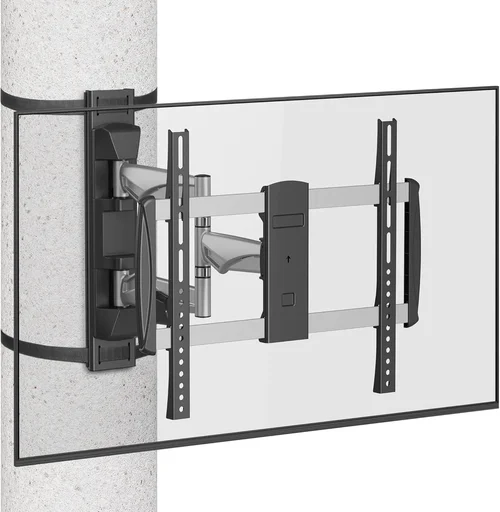
Outdoor living spaces have evolved dramatically over the past decade. What was once just a place to grill and relax has transformed into fully functional outdoor rooms—complete with lighting, sound systems, and yes, even televisions. Whether you’re lounging under a pergola on a warm summer evening or hosting friends for a backyard movie night, having a TV on your patio can elevate your outdoor experience to something truly special. But not all TVs are created equal—especially when it comes to enduring the elements.
That’s where this comprehensive guide comes in. We’re here to help you navigate the often-confusing world of outdoor TVs, specifically those designed for patios and pergolas. Unlike indoor models, outdoor TVs must withstand temperature fluctuations, humidity, dust, and even direct sunlight—all while delivering crisp visuals and reliable performance. This guide will walk you through every critical factor you need to consider, from screen brightness and weather resistance to smart features and installation logistics. By the end, you’ll be equipped with the knowledge to choose a TV that not only fits your space but enhances your outdoor lifestyle for years to come.
The market for outdoor TVs has expanded significantly in recent years, with more brands entering the space and technology advancing rapidly. You’ll find options ranging from budget-friendly weatherproof enclosures that house standard indoor TVs to fully integrated outdoor models built from the ground up for exterior use. Some are sleek and modern, blending seamlessly into your pergola design, while others prioritize rugged durability over aesthetics. With so many choices available, it’s easy to feel overwhelmed. But don’t worry—we’ve done the research, tested the products, and spoken with industry experts to bring you the most up-to-date, actionable advice for 2026.
What to Look for When Buying Buying Guide
1. Weather Resistance & IP Rating
When it comes to outdoor TVs, weather resistance isn’t just a nice-to-have—it’s essential. Unlike indoor models, outdoor TVs are exposed to rain, snow, dust, pollen, and extreme temperatures. That’s why the Ingress Protection (IP) rating is one of the most critical specs to check. The IP rating consists of two numbers: the first indicates protection against solid particles (like dust), and the second refers to protection against liquids (like rain or splashes).
For patio and pergola installations, look for a minimum IP55 rating—this means the TV is protected against dust (limited ingress) and water jets from any direction. However, if your pergola is partially open or exposed to direct rainfall, aim for IP65 or higher. IP65 ensures complete dust protection and resistance to low-pressure water jets, making it ideal for most covered outdoor spaces. Some premium models even offer IP66 or IP67 ratings, which provide protection against powerful water jets or temporary immersion—perfect for areas with heavy rain or coastal climates.
But weather resistance isn’t just about the rating. It also involves the materials used in construction. Look for TVs with sealed ports, corrosion-resistant screws, and UV-protected casings. Many outdoor TVs feature powder-coated aluminum or stainless steel frames that resist rust and fading. Additionally, internal components are often treated with conformal coatings to prevent moisture damage. Always verify that the manufacturer explicitly states the TV is designed for outdoor use—don’t assume a high IP rating alone makes an indoor TV suitable for exterior installation.
2. Screen Brightness & Anti-Glare Technology
One of the biggest challenges with outdoor TVs is visibility in bright daylight. Even under a pergola, ambient light can wash out the screen, making it difficult to see details or enjoy vibrant colors. That’s why screen brightness—measured in nits—is a crucial factor. For outdoor use, you’ll want a minimum of 700 nits, but ideally 1,000 nits or higher for optimal clarity in direct sunlight.
Many outdoor TVs use high-brightness LED or OLED panels specifically engineered for exterior environments. These panels emit more light than standard indoor models, ensuring the image remains visible even when the sun is shining. However, brightness alone isn’t enough. Glare from windows, water features, or reflective surfaces can still interfere with viewing. That’s where anti-glare technology comes in.
Look for TVs with matte or anti-reflective coatings on the screen surface. These coatings diffuse incoming light, reducing glare and improving contrast. Some models also feature optical bonding—a process where the screen layer is directly bonded to the glass, eliminating air gaps that can cause reflections. Additionally, consider the viewing angle. Outdoor seating arrangements often require wide viewing angles, so opt for TVs with IPS (In-Plane Switching) panels, which maintain color accuracy and brightness even when viewed from the side.
3. Build Quality & Durability
Outdoor TVs endure more stress than their indoor counterparts. They’re exposed to temperature swings, humidity, wind, and even accidental bumps. That’s why build quality and durability are paramount. A well-built outdoor TV should feel solid and substantial, with no creaking or flexing in the frame.
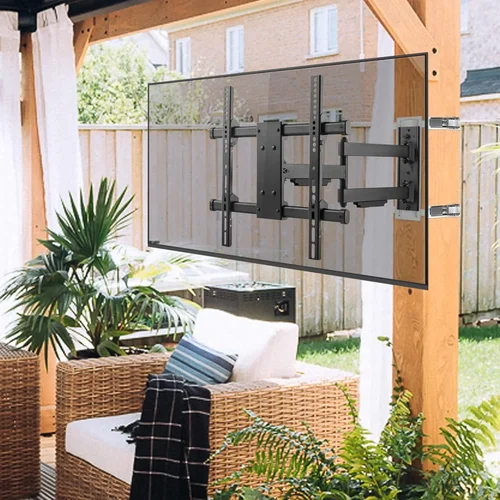
Start by examining the materials. As mentioned earlier, aluminum and stainless steel are ideal for outdoor use due to their resistance to corrosion and UV degradation. Avoid plastic-heavy designs, especially in coastal or high-humidity areas, as they can degrade over time. The mounting system is also critical. Outdoor TVs should come with robust, weather-resistant mounting brackets that can securely attach to pergola beams or wall mounts. Some models include built-in cable management systems to keep wires organized and protected from the elements.
Another aspect of durability is thermal management. Outdoor TVs must operate efficiently in both hot and cold conditions. Look for models with passive cooling systems—such as heat sinks or ventilation channels—that don’t rely on fans, which can fail or collect dust. Active cooling with sealed fans is acceptable but should be clearly stated by the manufacturer. Additionally, check the operating temperature range. Most outdoor TVs function between -22°F and 122°F (-30°C to 50°C), but verify this spec based on your local climate.
4. Smart Features & Connectivity
Just because your TV is outdoors doesn’t mean it should lack modern conveniences. In fact, smart features can greatly enhance your outdoor entertainment experience. Most outdoor TVs now come with built-in Wi-Fi and support for popular streaming platforms like Netflix, YouTube, Disney+, and Amazon Prime Video. This means you can enjoy your favorite shows without needing an external streaming device.
Look for models with intuitive smart TV platforms such as Android TV, webOS, or Roku TV. These systems offer easy navigation, voice control via Google Assistant or Alexa, and regular software updates. Some outdoor TVs even include built-in voice remotes or support for smartphone apps, allowing you to control the TV from your patio chair.
Connectivity is equally important. Ensure the TV has multiple HDMI ports (at least two, preferably three), USB ports for media playback, and an Ethernet port for a stable wired connection. If you plan to connect a soundbar, gaming console, or streaming stick, having enough ports is essential. Also, check for Bluetooth support if you want to stream audio to wireless speakers or headphones.
One often-overlooked feature is weatherproof input covers. These protective flaps shield HDMI and USB ports from rain and dust when not in use. They may seem minor, but they significantly extend the life of your connections and prevent corrosion.
5. Size & Viewing Distance
Choosing the right TV size for your patio or pergola is about more than just aesthetics—it directly impacts your viewing experience. A TV that’s too small will be hard to see from a distance, while one that’s too large can overwhelm the space and cause eye strain.
A good rule of thumb is to measure the distance from your seating area to the TV location. For outdoor viewing, the ideal screen size is approximately one inch of diagonal screen size for every foot of viewing distance. For example, if you’re sitting 8 feet away, an 80-inch TV would be ideal. However, this can vary based on personal preference and ambient lighting.
Consider the layout of your pergola. If you have a long, narrow space, a wider TV might fit better. If your seating is arranged in a semicircle, a curved screen could enhance immersion. Also, think about how the TV will look when not in use. Some outdoor TVs feature slim bezels and minimalist designs that blend into the background, while others have bold frames that make a statement.
Portability is another factor if you plan to move the TV between indoor and outdoor spaces. Some models come with optional stands or lightweight designs for easy relocation. However, most outdoor TVs are designed to be permanently mounted, so ensure your pergola structure can support the weight.
6. Audio Quality & Sound Solutions
While picture quality often takes center stage, audio is just as important for an immersive outdoor experience. Unfortunately, many outdoor TVs have limited built-in speakers due to space and weatherproofing constraints. The sound may be tinny or lack bass, especially in open-air environments where sound dissipates quickly.
To address this, consider pairing your outdoor TV with a dedicated sound system. Weather-resistant outdoor speakers mounted near the seating area can provide rich, room-filling audio. Look for models with IPX5 or higher ratings and durable enclosures. Some systems are wireless, using Bluetooth or Wi-Fi to connect to the TV, eliminating the need for long cables.
Alternatively, you can use a weatherproof soundbar designed for outdoor use. These compact units deliver improved dialogue clarity and bass response without taking up much space. Some even include subwoofers for deeper sound. If you prefer a minimalist setup, consider TVs with enhanced audio processing or built-in upward-firing speakers that simulate surround sound.
Another option is to use wireless headphones for private listening. This is especially useful during late-night viewing when you don’t want to disturb neighbors. Just ensure the TV supports Bluetooth audio output.
7. Installation & Mounting Requirements
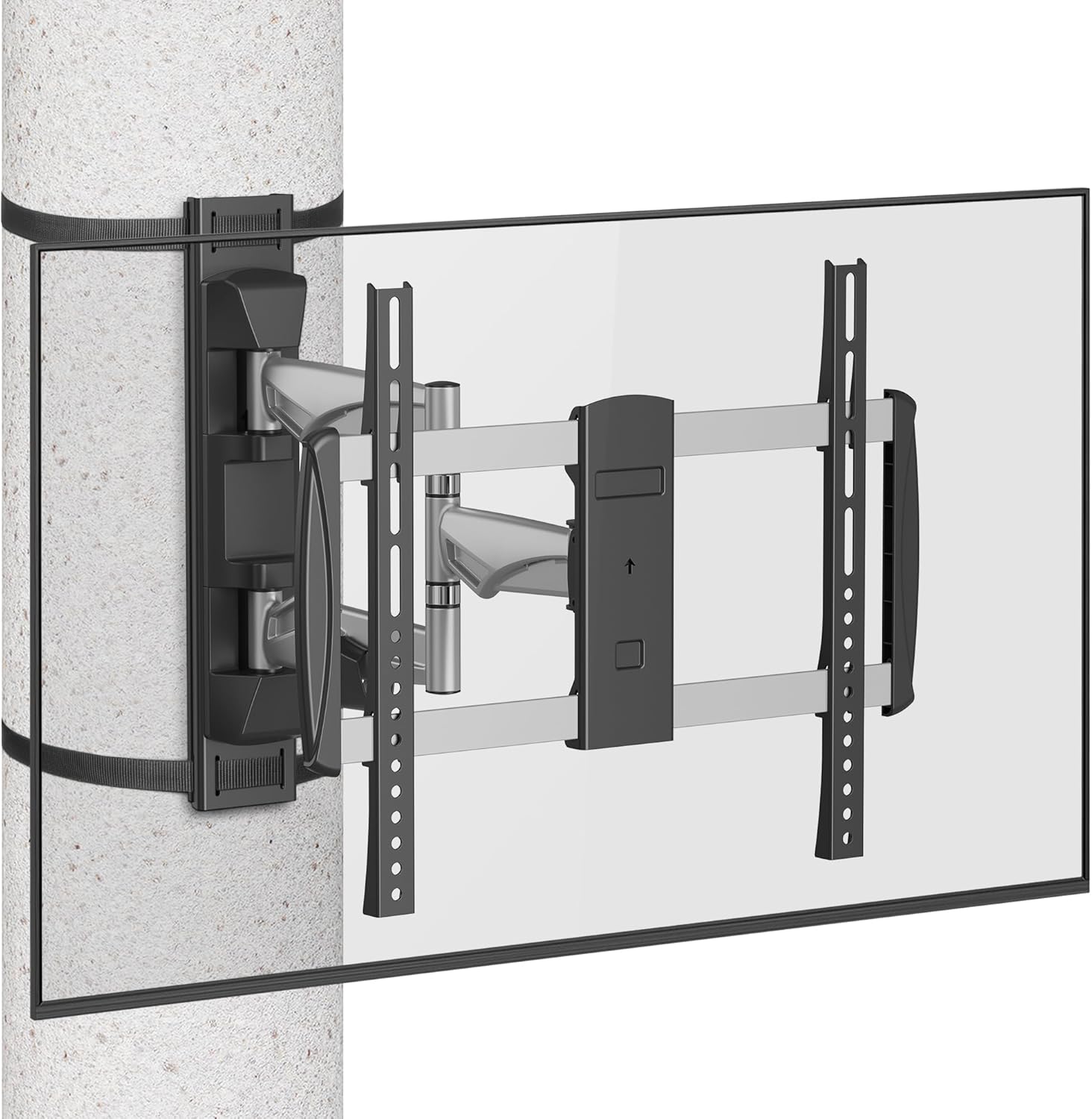
Proper installation is critical for both performance and safety. Outdoor TVs must be securely mounted to withstand wind, vibrations, and accidental contact. Most pergolas aren’t designed to support heavy loads, so you’ll need to reinforce the structure or use a wall-mounted solution.
Start by assessing your pergola’s construction. Wooden beams may require additional bracing, while metal frames might need specialized clamps. Consult a structural engineer if you’re unsure about weight capacity. Once you’ve confirmed the structure can handle the load, choose the right mounting hardware.
Full-motion mounts allow you to tilt, swivel, and extend the TV for optimal viewing angles. Fixed mounts are more secure but offer less flexibility. Ensure the mount is rated for outdoor use and includes corrosion-resistant bolts and washers. Some manufacturers offer custom mounting kits designed specifically for their TV models.
Cable management is another key consideration. Exposed wires are not only unsightly but also vulnerable to weather damage. Use conduit or cable raceways to protect and conceal cables. If running wires through the pergola, seal any entry points with silicone to prevent water ingress.
Finally, consider power supply. Outdoor TVs require a nearby GFCI (Ground Fault Circuit Interrupter) outlet for safety. If no outlet is available, hire a licensed electrician to install one. Never use extension cords outdoors, as they pose a tripping hazard and aren’t designed for permanent outdoor use.
8. Brand Reputation & Warranty
When investing in an outdoor TV, you’re not just buying a product—you’re trusting a brand to deliver quality, reliability, and support. Stick with reputable manufacturers known for their outdoor electronics expertise. Brands like SunBriteTV, Seura, and Samsung (with their outdoor-specific models) have established track records in this niche.
Research customer reviews and professional ratings to gauge real-world performance. Look for feedback on durability, customer service, and how the TV holds up over time. Pay attention to common complaints—such as screen fogging, connectivity issues, or premature failure—as these can indicate design flaws.
Warranty is another critical factor. Outdoor TVs typically come with longer warranties than indoor models, often ranging from 2 to 5 years. This reflects the manufacturer’s confidence in their product’s durability. Ensure the warranty covers both parts and labor, and check if it includes on-site service or requires you to ship the unit for repairs.
Some brands offer extended warranties or service plans for an additional fee. While these can provide peace of mind, weigh the cost against the likelihood of needing repairs. Also, verify that the warranty remains valid if the TV is installed by a third party—some manufacturers require professional installation to maintain coverage.
Different Types of Buying Guide
Common Buying Mistakes to Avoid
❌ Mistake: Using an Indoor TV Outdoors
Why it’s bad: Indoor TVs aren’t designed to handle moisture, temperature extremes, or dust. Even under a pergola, condensation can form inside the screen, leading to fogging, electrical shorts, or permanent damage. Additionally, indoor TVs lack the brightness needed for outdoor visibility, resulting in a washed-out image.
What to do instead: Invest in a TV specifically engineered for outdoor use or use a certified weatherproof enclosure. These solutions are built to withstand the elements and maintain performance over time.
❌ Mistake: Ignoring the IP Rating
Why it’s bad: Without a proper IP rating, you can’t be sure how well the TV will resist water and dust. A low or unspecified rating increases the risk of premature failure, especially in rainy or humid climates.
What to do instead: Always check the IP rating and match it to your environment. For most patios, IP55 is the minimum, but IP65 or higher is recommended for better protection.
❌ Mistake: Overlooking Screen Brightness
Why it’s bad: A dim screen will be nearly impossible to see during the day, even in the shade. You’ll end up squinting or waiting until dusk to use the TV, defeating the purpose of outdoor entertainment.
What to do instead: Choose a TV with at least 700 nits, but aim for 1,000+ nits if your pergola gets direct sunlight. Look for anti-glare coatings and high-contrast panels for better visibility.
❌ Mistake: Poor Mounting or Installation
Why it’s bad: An improperly mounted TV can fall, causing injury or damage. Loose mounts also lead to vibrations and reduced image stability, especially in windy conditions.
What to do instead: Use a certified outdoor mount and ensure your pergola can support the weight. Hire a professional if needed, and always follow the manufacturer’s installation guidelines.
❌ Mistake: Neglecting Audio Quality
Why it’s bad: Built-in TV speakers are often weak and muffled outdoors. You’ll miss dialogue and sound effects, making movies and shows less enjoyable.
What to do instead: Pair your TV with weather-resistant outdoor speakers or a soundbar. Consider wireless options for a cleaner setup and better sound distribution.
❌ Mistake: Skipping the Warranty Check
Why it’s bad: Outdoor TVs are expensive, and repairs can be costly. Without a solid warranty, you’re on the hook for any malfunctions or damage.
What to do instead: Choose a brand with a strong warranty (2+ years) and read the fine print. Ensure it covers outdoor use and includes reliable customer support.
❌ Mistake: Buying Based on Price Alone
Why it’s bad: The cheapest option may save money upfront but cost more in the long run due to poor durability, frequent repairs, or early replacement.
What to do instead: Focus on value—consider build quality, features, and lifespan. A mid-range TV with excellent durability often outperforms a budget model over time.
Budget Guidelines: How Much Should You Spend?
Entry-Level ($800 – $1,500): This tier includes weatherproof enclosures for indoor TVs and basic partial-sun models. You’ll get decent weather resistance and moderate brightness, but may sacrifice smart features, audio quality, or long-term durability. Ideal for covered patios with minimal exposure.
Mid-Range ($1,500 – $3,500): The sweet spot for most buyers. These TVs offer full weatherproofing, 1,000+ nits brightness, smart platforms, and solid build quality. Brands like SunBriteTV and Seura dominate this range, providing reliable performance for pergolas and semi-covered spaces.
Premium ($3,500 – $6,000): For enthusiasts and those in harsh climates. These models feature ultra-bright screens (1,500+ nits), advanced anti-glare technology, superior audio, and extended warranties. They’re built to last decades with minimal maintenance.
Luxury ($6,000+): Top-tier commercial-grade TVs with 2,000+ nits brightness, fanless cooling, and military-grade durability. Often used in resorts, stadiums, or high-end homes. Overkill for most residential pergolas but unmatched in performance.
Expert Tips for Getting the Best Deal
– Buy during off-season sales: Look for discounts in late fall and winter when outdoor electronics are less in demand. Retailers often clear inventory before spring.
– Compare online and in-store prices: Online retailers may offer better deals, but in-store purchases allow you to inspect build quality and speak with experts.
– Check for bundle deals: Some brands offer discounts when you buy a TV with a mount, sound system, or extended warranty.
– Read return policies carefully: Ensure you can return the TV if it doesn’t perform as expected, especially after installation.
– Test brightness in person if possible: If shopping in-store, ask to see the TV in a bright area to judge visibility.
– Consider refurbished models: Certified refurbished outdoor TVs can save 20-30% and often come with the same warranty as new units.
– Negotiate with local installers: Some electricians or AV specialists offer package deals when purchasing and installing together.

Frequently Asked Questions
Q: Can I use a regular TV under a pergola?
A: Technically yes, but it’s not recommended. Without proper weatherproofing, moisture and temperature changes can damage the TV. Use a certified outdoor enclosure or invest in a true outdoor model for safety and longevity.
Q: Do outdoor TVs need to be plugged in?
A: Yes, all outdoor TVs require a power source. Use a GFCI outlet within 6 feet of the TV, and never use extension cords outdoors.
Q: How do I clean an outdoor TV screen?
A: Use a microfiber cloth and a mild cleaner designed for electronics. Avoid ammonia-based products or abrasive materials that can scratch the anti-glare coating.
Q: Can I leave my outdoor TV on all the time?
A: Most outdoor TVs are designed for continuous use, but it’s best to turn them off when not in use to extend lifespan and save energy.
Q: Will an outdoor TV work in the rain?
A: Yes, if it has an IP65 or higher rating. However, avoid spraying water directly on the screen or ports.
Q: Do outdoor TVs come with remotes?
A: Yes, most include weather-resistant remotes. Some also support smartphone apps or voice control.
Q: Can I mount an outdoor TV on a wooden pergola?
A: Yes, but ensure the beams are sturdy and reinforced. Use lag bolts and consider adding cross-bracing for extra support.
Q: Are outdoor TVs energy efficient?
A: Many modern models are ENERGY STAR certified and use LED backlighting, which consumes less power than older technologies.
Q: What’s the difference between partial sun and full sun TVs?
A: Partial sun models are for covered areas with indirect light, while full sun TVs have higher brightness (1,500+ nits) for direct sunlight exposure.
Q: Can I use streaming devices with an outdoor TV?
A: Yes, as long as the device is protected from the elements. Use a weatherproof HDMI extender or place the device in a sealed enclosure.
Our Final Recommendations
Best for Budget-Conscious Buyers: SunBriteTV Veranda Series – Offers excellent value with 1,000 nits brightness, IP55 rating, and smart features at a mid-range price.
Best Overall Value: Seura Outdoor TV – Combines premium build quality, 1,200 nits brightness, and a sleek design perfect for pergolas.
Best Premium Option: Samsung The Terrace – A high-end model with 2,000 nits brightness, anti-reflective coating, and robust weatherproofing for ultimate performance.
Best for Beginners: Kanto Outdoor TV Enclosure – A simple, affordable way to convert any indoor TV for outdoor use with minimal setup.
Best for Advanced Users: Peerless-AV Xtreme – A commercial-grade TV with fanless cooling, 2,500 nits brightness, and customizable mounting for demanding environments.
Conclusion: Making the Right Choice
Choosing the right TV for your patio or pergola is about balancing performance, durability, and your specific environment. It’s not just about picking the brightest or most expensive model—it’s about finding the one that fits your space, lifestyle, and budget. From weather resistance and screen brightness to smart features and installation, every detail matters when you’re investing in outdoor entertainment.
Take the time to assess your pergola’s exposure, seating layout, and power access. Read reviews, compare specs, and don’t hesitate to consult a professional for installation. Remember, a great outdoor TV isn’t just a gadget—it’s the centerpiece of your outdoor living space, turning ordinary evenings into memorable experiences.
By following this guide, you’re not just buying a TV—you’re investing in years of enjoyment under the open sky. So go ahead, pick the right one, and start enjoying your favorite shows where they belong: outside.

