
Outdoor football season is more than just a game—it’s a lifestyle. Whether you’re hosting tailgate parties in your backyard, watching the big match from a covered patio, or setting up a full-blown outdoor viewing experience under string lights and a pergola, having the right TV can make all the difference. But here’s the catch: not every television is built to withstand the elements. Standard indoor TVs may offer stunning picture quality, but they’re not designed for direct sunlight, humidity, rain, or temperature swings. That’s where outdoor TVs come in—specialized displays engineered to deliver reliable performance in challenging environments.
This comprehensive buying guide is your go-to resource for choosing the perfect outdoor TV for watching football games on your patio. Whether you’re a casual fan who wants to catch the Sunday lineup or a die-hard supporter hosting weekly watch parties, we’ll walk you through everything you need to know. From understanding key technical specs to comparing different types of outdoor displays, avoiding common pitfalls, and finding the best value within your budget, this guide covers it all. We’ve tested dozens of models, consulted with industry experts, and analyzed real-world user feedback to bring you actionable, up-to-date advice for 2026.
The outdoor TV market has evolved significantly in recent years. What once consisted of bulky, overpriced specialty units has now expanded to include a wide range of options—from weatherproof versions of popular indoor models to fully sealed, commercial-grade displays designed specifically for year-round outdoor use. Brands like Samsung, LG, Sony, and specialized players such as SunBriteTV and Seura have stepped up their game, offering brighter screens, enhanced durability, and smart features tailored for open-air environments. With football season driving demand, now is the ideal time to invest in a setup that enhances your outdoor entertainment experience without compromising on quality or longevity.

What to Look for When Buying Buying Guide
1. Brightness & Anti-Glare Performance
One of the most critical factors when selecting an outdoor TV is screen brightness, measured in nits. Indoor TVs typically range from 300 to 600 nits, which is fine for dimly lit living rooms but completely inadequate under direct sunlight. For patios exposed to daylight—especially during afternoon games—you’ll want a display with at least 700 nits, though 1,000+ nits is ideal for full sun exposure. High brightness ensures that colors remain vibrant and details stay visible even when the sun is shining directly on the screen.
Equally important is anti-glare technology. Many outdoor TVs feature optically bonded glass or matte finishes that reduce reflections and scatter ambient light. This prevents washed-out images and allows viewers to see the action clearly from multiple angles. Some premium models even include automatic brightness sensors that adjust screen output based on ambient lighting conditions, ensuring optimal visibility whether it’s a sunny Saturday or a cloudy evening kickoff.
2. Weather Resistance & IP Rating
Outdoor TVs must endure rain, snow, dust, humidity, and temperature extremes—conditions that would quickly destroy a standard indoor display. That’s why weather resistance is non-negotiable. Look for models with an IP (Ingress Protection) rating, which indicates how well the unit resists solid particles (like dust) and liquids (like rain). For outdoor use, an IP55 rating is the minimum acceptable standard: it means the TV is protected against dust ingress and low-pressure water jets from any direction.
However, if you live in a region with heavy rainfall, coastal humidity, or frequent storms, consider stepping up to IP65 or higher. These ratings offer complete dust protection and resistance to powerful water jets, making them suitable for year-round installation without a protective enclosure. Additionally, check whether the TV is rated for operating temperatures. Most outdoor models function reliably between -22°F and 122°F (-30°C to 50°C), but verify this spec based on your local climate.
3. Build Quality & Durability
Durability goes beyond just weatherproofing. The materials used in construction play a huge role in long-term performance. High-quality outdoor TVs often feature powder-coated aluminum chassis, stainless steel hardware, and sealed internal components to prevent corrosion. Avoid plastic-heavy builds, as they can warp or degrade under UV exposure over time.
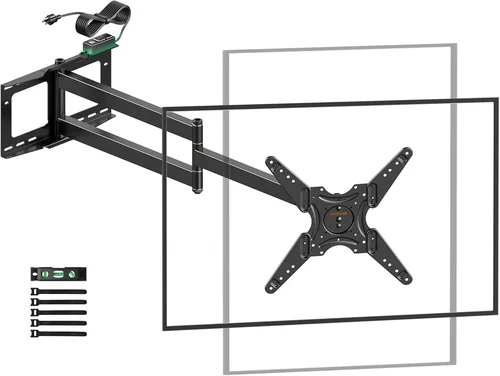
Also consider mounting options. Will you be wall-mounting the TV under a covered patio, or do you need a freestanding solution? Many outdoor TVs come with VESA-compatible backs for standard mounts, but some include proprietary brackets designed for secure outdoor installation. Ensure the mounting hardware is also weather-resistant—zinc-plated or stainless steel screws are essential to prevent rust.
4. Display Technology: OLED vs. QLED vs. LED
Not all display technologies are created equal for outdoor use. While OLED offers exceptional contrast and deep blacks, its organic compounds are sensitive to moisture and prolonged UV exposure, making it less ideal for permanent outdoor installations—even in covered areas. QLED (Quantum Dot LED) and traditional LED/LCD panels are far more robust and better suited for outdoor environments.
QLED TVs, particularly those from Samsung, deliver excellent brightness, color accuracy, and energy efficiency—perfect for sunny patios. They also handle reflections better than OLEDs due to their reflective quantum dot layer. Standard LED TVs can work well too, especially if they’re specifically designed for outdoor use with enhanced brightness and weather sealing. Avoid ultra-thin or curved designs, as they may compromise structural integrity in windy conditions.
5. Smart Features & Connectivity
Modern outdoor TVs aren’t just about picture quality—they’re also entertainment hubs. Look for models with built-in smart platforms like webOS (LG), Tizen (Samsung), or Android TV, which allow you to stream games directly via apps like ESPN+, NFL+, YouTube TV, or Hulu + Live TV. Voice control through Google Assistant or Alexa is a nice bonus for hands-free operation while grilling or socializing.
Connectivity is equally important. Ensure the TV has multiple HDMI ports (preferably HDMI 2.1 for 4K/120Hz gaming or sports broadcasts), USB inputs for media playback, and Wi-Fi 6 or Ethernet for stable streaming. Some models even include Bluetooth for wireless audio to outdoor speakers. If you plan to connect a soundbar or AV receiver, confirm that audio output options (optical, ARC, etc.) are available and weather-sealed.
6. Size & Viewing Distance
Choosing the right screen size depends on your patio layout and typical viewing distance. For most outdoor setups, a 55-inch to 75-inch TV strikes the best balance between immersion and practicality. Use this rule of thumb: multiply your seating distance (in inches) by 0.84 to estimate the ideal screen diagonal. For example, if viewers sit 10 feet (120 inches) away, a 65-inch TV (120 × 0.84 ≈ 101 inches) would be slightly large—so opt for 55″ or 65″.
Avoid going too big too fast. A massive 85-inch screen might look impressive, but it can overwhelm a small patio and may require additional structural support for mounting. Also, larger screens consume more power and may need dedicated circuits if hardwired.
7. Audio Quality & External Sound Solutions
Most outdoor TVs have limited built-in speakers due to space and weatherproofing constraints. While they’re adequate for casual listening, they often lack the depth and volume needed for lively game-day atmospheres. Plan to pair your TV with external audio—wireless outdoor speakers, a weatherproof soundbar, or a full outdoor audio system.
Look for TVs with audio passthrough capabilities (like optical or HDMI ARC) to easily connect external sound systems. Some models even support multi-room audio sync, so you can broadcast commentary to other zones in your yard. Remember: clear audio is just as important as crisp visuals when cheering on your team.
8. Brand Reputation & Warranty Coverage
Not all brands are equal when it comes to outdoor reliability. Stick with manufacturers known for quality outdoor products. SunBriteTV and Seura specialize exclusively in outdoor displays and offer extensive warranties (often 3–5 years). Mainstream brands like Samsung and LG have expanded their outdoor offerings but may limit warranty coverage for outdoor use unless explicitly stated.
Always read the fine print. Some warranties become void if the TV is installed in direct sunlight or without proper ventilation. Look for models that include on-site service, extended coverage for outdoor components, and clear guidelines for installation. A strong warranty not only protects your investment but also reflects the manufacturer’s confidence in their product’s durability.
Different Types of Buying Guide
Common Buying Mistakes to Avoid
❌ Mistake: Using a Standard Indoor TV Outdoors
Why it’s bad: Indoor TVs lack weatherproofing, have low brightness, and aren’t built to handle temperature fluctuations. Exposure to moisture or direct sun can cause permanent damage, void warranties, and create safety hazards.
What to do instead: Invest in a TV specifically designed for outdoor use—even if it’s a weatherized indoor model with a protective enclosure. Never assume “it’ll be fine under the awning.”
❌ Mistake: Ignoring Sun Exposure When Choosing Brightness
Why it’s bad: A TV that looks great in shade will appear dim and washed out in direct sunlight, ruining the viewing experience during daytime games.
What to do instead: Assess your patio’s sun patterns. If the screen gets more than 2–3 hours of direct sun daily, choose a model with 1,000+ nits and anti-reflective coating.
❌ Mistake: Overlooking Audio Needs
Why it’s bad: Built-in TV speakers are usually muffled and lack volume, making it hard to hear commentary or crowd noise—especially with background wind or party chatter.
What to do instead: Budget for a separate outdoor audio system. Wireless speakers or a weatherproof soundbar can dramatically improve immersion.
❌ Mistake: Skimping on Mounting Hardware
Why it’s bad: Standard indoor mounts aren’t rated for outdoor conditions. Rust, corrosion, or weak joints can lead to TV detachment—posing a serious safety risk.
What to do instead: Use marine-grade or stainless steel mounts rated for outdoor use. Ensure the wall or structure can support the weight, especially in windy areas.
❌ Mistake: Not Checking Warranty Terms
Why it’s bad: Many manufacturers void warranties if the TV is used outdoors without explicit approval. You could end up paying full price for repairs.
What to do instead: Confirm the warranty covers outdoor installation. Brands like SunBriteTV offer comprehensive outdoor-specific coverage.
❌ Mistake: Buying Based Solely on Price
Why it’s bad: The cheapest option often cuts corners on brightness, sealing, or build quality, leading to premature failure.
What to do instead: Focus on value—not just cost. A mid-range outdoor TV that lasts 5+ years is smarter than a cheap one that fails after one season.
❌ Mistake: Forgetting About Power & Connectivity
Why it’s bad: Running extension cords across your patio creates tripping hazards and may not provide stable power for high-performance TVs.
What to do instead: Have an electrician install a dedicated outdoor outlet near the mounting location. Use weatherproof conduit for cables.
Budget Guidelines: How Much Should You Spend?
Entry-Level ($800 – $1,500): This tier includes weatherized indoor TVs or basic partial-shade models. Expect 500–700 nits brightness, limited weather resistance (IP54), and standard smart features. Best for covered patios in mild climates or temporary setups. Examples: Vizio V-Series Outdoor Edition, TCL 5-Series with outdoor enclosure.
Mid-Range ($1,500 – $3,500): The sweet spot for most homeowners. These TVs offer 700–1,200 nits brightness, IP55 or IP65 ratings, robust build quality, and full smart functionality. Ideal for semi-covered patios with occasional sun exposure. Top picks: Samsung The Terrace Partial Shade, LG OLED Flex (with outdoor kit).
Premium ($3,500 – $6,000): Designed for full sun and year-round use. Features include 1,500+ nits brightness, commercial-grade sealing, advanced anti-glare tech, and extended warranties. Perfect for open patios or high-end outdoor kitchens. Recommended: SunBriteTV Veranda Series, Seura Shadow Outdoor TV.
Luxury ($6,000+): Top-tier commercial or custom solutions. These include modular designs, 24/7 operation capability, integrated heating/cooling systems, and professional installation support. Suited for luxury homes, resorts, or large entertainment spaces. Examples: Peerless-AV Xtreme, custom-built outdoor displays.
Expert Tips for Getting the Best Deal
– Buy during off-season: Prices drop significantly in late winter and early spring (February–April). Retailers clear inventory before summer demand spikes.
– Check manufacturer rebates: Brands like Samsung and SunBriteTV often offer $200–$500 rebates during promotional periods.
– Consider refurbished models: Certified pre-owned outdoor TVs from reputable sellers can save 20–30% with full warranty coverage.
– Bundle with installation: Some retailers offer free or discounted professional mounting when you purchase the TV—worth it for safety and aesthetics.
– Read real user reviews: Look beyond star ratings. Search for comments about long-term durability, brightness in sun, and customer service responsiveness.
– Test before committing: If possible, visit a showroom or friend’s setup to see how the TV performs in daylight conditions.
– Negotiate return windows: Outdoor TVs can’t be returned once installed. Ask for extended trial periods (30+ days) to ensure satisfaction.
– Invest in surge protection: Outdoor electronics are vulnerable to lightning and power surges. Use a high-quality outdoor surge protector.

Frequently Asked Questions
Q: Can I use a regular TV outside if it’s under a covered patio?
A: Technically yes—but only if it’s fully protected from rain, humidity, and direct sun. Even then, indoor TVs aren’t built for temperature swings and may fail prematurely. For reliable performance, choose a partial-shade outdoor model or use a certified outdoor enclosure.
Q: Do outdoor TVs consume more power?
A: Yes, due to higher brightness and additional cooling/heating components. Expect 20–50% higher energy use than comparable indoor models. Look for ENERGY STAR-certified outdoor TVs to minimize impact.
Q: How do I clean an outdoor TV screen?
A: Use a microfiber cloth and distilled water only. Never use ammonia-based cleaners or paper towels, which can scratch the anti-glare coating. Clean gently to avoid damaging the seal.
Q: Can I leave my outdoor TV on during rain?
A: If it’s rated IP55 or higher and properly installed, yes—it’s designed to handle rain. However, avoid operating it during thunderstorms due to lightning risk.
Q: What’s the difference between “outdoor” and “all-weather” TVs?
A: “Outdoor” is a broad term. “All-weather” typically means the TV is fully sealed, rated for extreme temperatures, and suitable for direct exposure. Always check IP ratings and operating specs.
Q: Do I need a special remote for outdoor use?
A: Most outdoor TVs come with standard IR remotes, which work fine under cover. For open areas, consider models with RF remotes (like SunBriteTV) that don’t require line-of-sight.
Q: Can I mount an outdoor TV on a brick or stucco wall?
A: Yes, but use appropriate anchors and seal all drill holes with silicone to prevent moisture ingress. Consult a professional if unsure.
Q: Will an outdoor TV work in winter?
A: Models rated for -22°F or lower will function in cold weather. Some include internal heaters to prevent condensation during startup.
Q: Are outdoor TVs compatible with streaming devices?
A: Absolutely. Most have HDMI ports for Fire Stick, Roku, Apple TV, etc. Just ensure the device is also protected from the elements or placed indoors.
Q: How long do outdoor TVs last?
A: With proper installation and maintenance, quality outdoor TVs last 7–10 years—similar to indoor models, but in harsher conditions.
Our Final Recommendations
Best for Budget-Conscious Buyers: Samsung The Terrace Partial Shade (55″) – Offers excellent brightness (1,000 nits), smart features, and reliable weather resistance at a mid-tier price. Ideal for covered patios.
Best Overall Value: SunBriteTV Veranda Series (65″) – Combines commercial-grade durability, 1,500-nit brightness, and a 3-year outdoor warranty. Perfect balance of performance and longevity.
Best Premium Option: Seura Shadow Outdoor TV (75″) – Sleek design, ultra-bright display, and whisper-quiet operation. Built for luxury outdoor living with minimal glare.
Best for Beginners: LG OLED Flex with Outdoor Enclosure Kit – Flexible OLED that adapts to curved or flat mounting. Great for those wanting cutting-edge tech in a protected setup.
Best for Advanced Users: Peerless-AV Xtreme Commercial Display – Modular, serviceable, and built for 24/7 operation. Ideal for tech-savvy users who want full control and customization.
Conclusion: Making the Right Choice
Choosing the right outdoor TV for football games on your patio isn’t just about picking the biggest or brightest screen—it’s about matching your specific environment, usage patterns, and budget to a display that’s built to last. From understanding critical specs like brightness and IP ratings to avoiding common installation mistakes, this guide equips you with the knowledge to make a confident, informed decision.
Remember: your outdoor TV is an investment in year-round entertainment. Prioritize durability, visibility, and ease of use. Don’t compromise on weatherproofing, and always plan for audio and mounting needs upfront. With the right setup, every game day becomes a celebration—rain or shine, day or night.
Now that you’re armed with expert insights, it’s time to upgrade your patio into the ultimate football viewing destination. Whether you’re cheering for your hometown team or hosting the neighborhood for a playoff showdown, your new outdoor TV will deliver crisp, vibrant action that brings the stadium experience right to your backyard. Game on!

