
Outdoor living spaces have evolved far beyond simple seating areas and grills. Today’s patios and gazebos are fully functional extensions of the home—complete with outdoor kitchens, fire pits, sound systems, and yes, televisions. Whether you’re hosting a summer movie night under the stars, catching the big game while lounging by the pool, or simply enjoying your favorite show with a cool drink in hand, a patio TV can transform your outdoor experience. But choosing the right one isn’t as simple as grabbing any old television and mounting it outside. The elements—sun, rain, humidity, dust, and temperature swings—demand specialized technology and rugged construction.
That’s where this comprehensive buying guide comes in. We’ve spent countless hours researching, testing, and analyzing the latest outdoor TV models to bring you everything you need to make an informed decision. From understanding critical performance specs like brightness and weather resistance to navigating budget considerations and avoiding common pitfalls, this guide covers it all. Whether you’re a first-time buyer or upgrading from an older model, you’ll walk away with the knowledge to select a patio TV that delivers stunning picture quality, reliable durability, and long-term value—no matter the weather.
The market for outdoor TVs has grown significantly in recent years, driven by advances in display technology and increasing demand for outdoor entertainment. Major brands like Samsung, LG, Sony, and specialized manufacturers such as SunBriteTV and Seura now offer purpose-built models designed specifically for exterior use. These aren’t just regular TVs shoved into waterproof boxes—they’re engineered from the ground up to handle the unique challenges of outdoor environments. With options ranging from affordable weather-resistant displays to ultra-bright, all-weather 4K smart TVs, there’s never been a better time to invest in an outdoor viewing solution. Let’s dive into what matters most when choosing the perfect TV for your patio or gazebo.
What to Look for When Buying Buying Guide
1. Brightness & Visibility in Sunlight
One of the most critical factors when selecting a patio TV is its ability to remain visible in direct sunlight. Unlike indoor TVs, which typically operate in controlled lighting conditions, outdoor displays must contend with harsh daylight that can wash out images and make content nearly impossible to see. Look for TVs with a minimum brightness rating of 700 nits—though 1,000 nits or higher is ideal for full sun exposure. Many premium outdoor models now feature anti-glare coatings, optical bonding (which reduces internal reflections), and high dynamic range (HDR) support to enhance contrast and color accuracy even under bright skies.
For example, the SunBriteTV Veranda Series offers 1,000 nits of brightness and includes a built-in anti-reflective screen, making it suitable for partially shaded patios. If your gazebo is fully exposed to midday sun, consider models like the Samsung The Terrace, which pushes up to 2,000 nits and uses advanced quantum dot technology for vivid colors. Always check the manufacturer’s specifications for “outdoor brightness” rather than standard indoor luminance ratings, as these are specifically calibrated for real-world sunlit conditions.
2. Weather Resistance & IP Rating
Outdoor TVs must withstand rain, snow, dust, and extreme temperatures—often year-round. This is where Ingress Protection (IP) ratings become essential. The IP code consists of two digits: the first indicates protection against solid objects (like dust), and the second refers to liquid ingress (like rain or splashes). For patio use, aim for at least an IP55 rating, which means the TV is dust-protected and resistant to water jets from any direction. Higher-end models may offer IP65 or even IP66, providing near-total protection against dust and powerful water sprays.
Beyond the IP rating, consider the TV’s operating temperature range. Most quality outdoor TVs function reliably between -22°F and 122°F (-30°C to 50°C), ensuring performance in both freezing winters and scorching summers. Also, look for corrosion-resistant materials—aluminum chassis, stainless steel screws, and sealed connectors—are hallmarks of durable outdoor designs. Avoid using indoor TVs in outdoor enclosures unless explicitly rated for such use, as they often lack proper ventilation and can overheat or short-circuit.
3. Screen Size & Viewing Distance
Choosing the right screen size depends on your seating arrangement and viewing distance. A common rule of thumb is that the ideal screen diagonal should be about one-third to one-half the distance (in inches) from the screen to the primary seating area. For example, if your couch or chairs are 8 feet (96 inches) away, a 40- to 50-inch TV would be appropriate. However, outdoor environments often allow for larger screens due to increased ambient space and fewer visual distractions.
For gazebos with multiple seating zones, consider a 55- to 75-inch model to ensure everyone gets a clear view. Keep in mind that larger screens require more powerful mounting solutions and may need additional structural support, especially in windy areas. Also, verify that your chosen location allows for safe cable routing and access to power without creating tripping hazards. If space is limited, slim-profile outdoor TVs with minimal bezels can maximize screen real estate without overwhelming the area.
4. Smart Features & Connectivity
Modern outdoor TVs aren’t just about picture quality—they’re also entertainment hubs. Look for models with built-in smart platforms like Android TV, webOS (LG), or Tizen (Samsung), which give you access to streaming apps such as Netflix, YouTube, Disney+, and Amazon Prime Video. Wi-Fi and Ethernet connectivity are standard, but ensure the TV supports dual-band Wi-Fi (2.4GHz and 5GHz) for stable streaming, especially if your outdoor setup is far from the router.
HDMI ports are crucial for connecting devices like gaming consoles, soundbars, or streaming sticks. Aim for at least two HDMI 2.0 or 2.1 inputs to future-proof your setup. Some models also include USB ports for media playback or firmware updates. Voice control via Alexa or Google Assistant is a nice bonus, allowing hands-free operation while you’re grilling or relaxing. Avoid TVs with outdated operating systems or limited app support, as they’ll quickly become obsolete.
5. Audio Quality & Sound Solutions
While many outdoor TVs include built-in speakers, they’re often underpowered and lack the depth needed for open-air environments. Wind, background noise, and distance can easily drown out weak audio. If your TV has decent speakers (look for at least 10W per channel), you might get by for casual viewing. However, for immersive experiences—like watching sports or movies—investing in external audio is highly recommended.
Options include weather-resistant soundbars (such as the Polk Audio MagniFi Max SR), outdoor speaker systems (like those from Sonos or Bose), or even wireless Bluetooth speakers placed strategically around the patio. Ensure your TV has audio output options like optical digital, RCA, or Bluetooth to connect external sound systems. Some premium models even support Dolby Atmos for a cinematic experience, though this is rare in outdoor-specific TVs.
6. Installation & Mounting Requirements
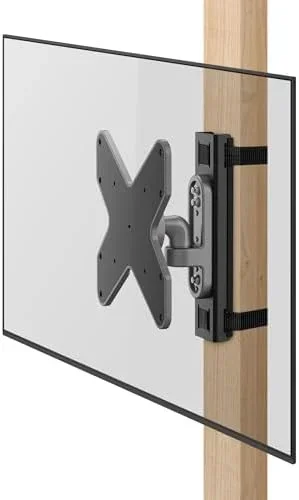
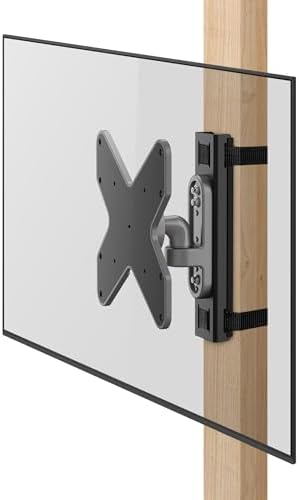
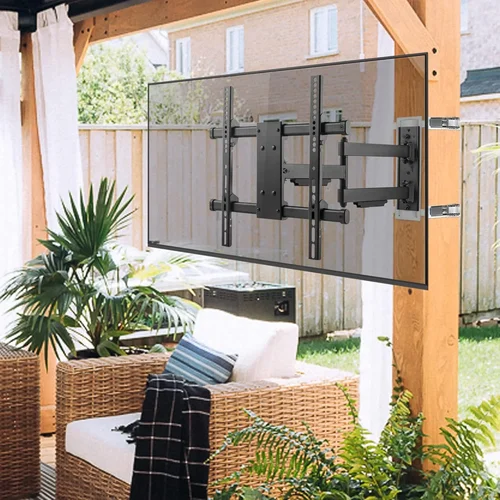
Proper installation is just as important as the TV itself. Outdoor mounts must be sturdy, corrosion-resistant, and capable of handling wind loads. Full-motion articulating mounts offer flexibility for adjusting viewing angles but require stronger wall anchors and may need professional installation. Fixed mounts are simpler and more secure but limit adjustability.
Always mount the TV under cover—ideally under a gazebo roof, pergola, or awning—to minimize direct exposure to rain and UV rays. Even weather-resistant TVs benefit from some shelter. Use conduit or cable raceways to protect power and HDMI cables from moisture and pests. If running cables through walls or under decks, consult local electrical codes and consider hiring a licensed electrician. Never daisy-chain extension cords outdoors, as this poses a fire and shock hazard.
7. Brand Reputation & Reliability
Not all outdoor TV brands are created equal. Established names like Samsung, LG, and Sony bring decades of display expertise and robust customer support. However, specialists like SunBriteTV, Seura, and Avid Power focus exclusively on outdoor solutions and often lead in durability and innovation. Research user reviews on trusted platforms like Amazon, Best Buy, and specialized forums to gauge real-world performance.
Pay attention to how brands handle software updates, warranty claims, and replacement parts. A reputable manufacturer will offer clear documentation, responsive customer service, and readily available service centers. Avoid unknown brands with vague specifications or no verifiable track record—these often cut corners on components and fail prematurely.
8. Warranty & Support
Outdoor TVs represent a significant investment, so comprehensive warranty coverage is non-negotiable. Most reputable brands offer at least a 2-year limited warranty, with some extending to 3 or even 5 years. Check what’s covered: does it include accidental damage, power surges, or corrosion? Is on-site service available, or do you need to ship the unit?
Extended warranties or protection plans from retailers can add peace of mind, especially in regions with frequent storms or power fluctuations. Also, verify that the warranty remains valid if installed by a third party—some manufacturers require certified installers to maintain coverage. Keep all receipts and documentation, and register your product promptly after purchase.
Different Types of Buying Guide

Common Buying Mistakes to Avoid
❌ Mistake: Using an Indoor TV Outdoors Without Protection
Why it’s bad: Indoor TVs lack weatherproofing, proper ventilation, and UV-resistant components. Exposure to moisture, dust, or direct sunlight can cause immediate damage, void warranties, and create electrical hazards.
What to do instead: Either purchase a certified outdoor TV or use a high-quality outdoor enclosure designed for your specific model. Never assume a plastic cover or DIY box will suffice.
❌ Mistake: Ignoring Brightness Requirements
Why it’s bad: A TV with only 300–400 nits will appear dim and washed out in daylight, making it unusable for most outdoor activities.
What to do instead: Prioritize models with at least 700 nits for shaded areas and 1,000+ nits for full sun. Check real-world reviews for visibility feedback.
❌ Mistake: Overlooking Proper Mounting and Cable Management
Why it’s bad: Improper mounting can lead to TV detachment during high winds, while exposed cables invite water damage, rodent chewing, and tripping hazards.
What to do instead: Use marine-grade stainless steel mounts rated for your TV’s weight and wind load. Route cables through sealed conduits and use waterproof connectors.
❌ Mistake: Choosing Based Solely on Price
Why it’s bad: The cheapest option often compromises on durability, brightness, and longevity, leading to premature failure and higher long-term costs.
What to do instead: Balance budget with essential features. A mid-range outdoor TV often offers the best value for typical home use.
❌ Mistake: Neglecting Audio Needs
Why it’s bad: Built-in speakers struggle in open spaces, resulting in poor dialogue clarity and lackluster sound during action scenes or live sports.
What to do instead: Plan for external audio from day one. Pair your TV with weather-resistant speakers or a soundbar for a complete experience.
❌ Mistake: Assuming All “Outdoor” TVs Are Equal
Why it’s bad: Some manufacturers label TVs as “outdoor-ready” but only include basic weather resistance, lacking critical features like optical bonding or thermal management.
What to do instead: Read detailed specs and third-party reviews. Look for certifications like IP ratings and manufacturer testing data.
❌ Mistake: Skipping Professional Installation
Why it’s bad: DIY installations may violate electrical codes, compromise structural integrity, or void warranties.
What to do instead: Hire a certified installer familiar with outdoor AV setups, especially for complex wiring or roof-mounted configurations.
Budget Guidelines: How Much Should You Spend?
Entry-Level ($500 – $1,000): This tier typically includes indoor TVs paired with basic outdoor enclosures or partial-shade models with limited brightness (500–700 nits). Ideal for covered gazebos with minimal sun exposure. Expect basic smart features and standard warranties. Examples: Vizio V-Series in a Seura outdoor case.
Mid-Range ($1,000 – $2,500): The sweet spot for most homeowners. These TVs offer 700–1,200 nits brightness, IP55+ ratings, robust smart platforms, and reliable build quality. Perfect for partially shaded patios and gazebos. Brands like SunBriteTV Veranda and Samsung The Terrace (smaller sizes) fit here.
Premium ($2,500 – $5,000): Designed for full sun exposure and year-round use. Features include 1,500+ nits brightness, advanced anti-glare tech, Dolby Vision HDR, and extended warranties. Models like the SunBriteTV Pro Series or LG OLED outdoor variants deliver cinema-grade visuals outdoors.
Luxury ($5,000+): Top-tier all-weather displays with commercial-grade durability, 24/7 operation capability, and custom integration options. Often used in high-end resorts or luxury homes. Includes features like remote monitoring, modular designs, and lifetime support.
Expert Tips for Getting the Best Deal
1. Shop During Off-Season: Prices drop significantly in late fall and winter when demand for outdoor gear declines. Look for Black Friday, Cyber Monday, and post-holiday sales.
2. Compare Retailers: Check manufacturer websites, Best Buy, Costco, and specialty AV stores. Some offer price matching, free installation, or bundled audio packages.
3. Consider Refurbished Models: Certified refurbished outdoor TVs from reputable sellers often come with full warranties and can save 20–30% off retail.
4. Bundle with Accessories: Some retailers offer discounts when you purchase a TV, mount, and sound system together. This can simplify setup and reduce overall cost.
5. Read Return Policies Carefully: Outdoor TVs are bulky and expensive to return. Ensure the retailer allows returns within 30–60 days and covers shipping for defective units.
6. Test Before Finalizing: If possible, view the TV in person at a showroom to assess brightness, color accuracy, and menu usability in daylight-simulating conditions.
7. Negotiate Installation: Many installers offer package deals or seasonal promotions. Ask about discounts for first-time customers or referrals.
8. Protect Against Power Surges: Invest in a high-quality outdoor surge protector or whole-home surge suppression to safeguard your investment from lightning and grid fluctuations.

Frequently Asked Questions
Q: Can I use a regular TV outdoors if it’s under a roof?
A: Technically yes, but it’s not recommended. Even under cover, humidity, temperature swings, and dust can damage internal components over time. A purpose-built outdoor TV or a properly rated enclosure is far safer and more reliable.
Q: How do I clean my outdoor TV screen?
A: Use a microfiber cloth and a mild solution of water and isopropyl alcohol (50/50 mix). Never use ammonia-based cleaners like Windex, as they can degrade anti-reflective coatings. Power off the TV and let it cool before cleaning.
Q: Will an outdoor TV work in winter?
A: Yes—most outdoor TVs are rated for sub-freezing temperatures. However, avoid turning them on immediately after extreme cold exposure; allow them to acclimate to ambient temperature first to prevent condensation.
Q: Do outdoor TVs consume more power?
A: Not necessarily. While they may have brighter backlights, modern LED outdoor TVs are energy-efficient. Look for ENERGY STAR certification to minimize electricity usage.
Q: Can I stream 4K content outdoors?
A: Absolutely. Most new outdoor TVs support 4K UHD and HDR. Just ensure your internet connection is strong enough—5GHz Wi-Fi or wired Ethernet is preferred for smooth streaming.
Q: What’s the difference between “all-weather” and “partial-shade” TVs?
A: All-weather models are fully sealed, ventless, and built for direct exposure to rain and sun. Partial-shade TVs are designed for covered areas and may lack full waterproofing or extreme brightness.
Q: How long do outdoor TVs last?
A: With proper care, a quality outdoor TV can last 7–10 years or more. Regular maintenance, surge protection, and avoiding extreme conditions will extend its lifespan.
Q: Can I mount an outdoor TV on a brick or stucco wall?
A: Yes, but use appropriate anchors like Tapcon screws for concrete or expansion bolts for stucco. Consult a professional if you’re unsure about wall integrity.
Q: Are outdoor TVs compatible with voice assistants?
A: Most smart outdoor TVs support Alexa, Google Assistant, or both. You can also use compatible smart speakers for voice control if the TV lacks built-in mics.
Q: What happens if my outdoor TV gets rained on?
A: If it’s a certified all-weather model with an appropriate IP rating, rain should not cause damage. However, always ensure cables and connections are properly sealed.
Our Final Recommendations
Best for Budget-Conscious Buyers: SunBriteTV Veranda Series (55″) – Offers excellent brightness (1,000 nits), IP55 rating, and reliable smart features at a mid-tier price. Ideal for covered gazebos.
Best Overall Value: Samsung The Terrace (65″) – Combines stunning 4K QLED picture quality, 2,000-nit brightness, and robust weatherproofing. A top choice for mixed sun/shade environments.
Best Premium Option: SunBriteTV Pro Series (75″) – Built for extreme conditions with 2,500 nits, full IP66 rating, and military-grade durability. Perfect for luxury patios and commercial use.
Best for Beginners: LG OLED Outdoor Edition (55″) – User-friendly webOS interface, exceptional contrast, and easy setup. Great for those new to outdoor AV.
Best for Advanced Users: Seura Outdoor TV with Custom Integration – Modular design, support for professional control systems (Crestron, Control4), and tailored mounting solutions for tech-savvy homeowners.
Conclusion: Making the Right Choice
Choosing the right TV for your patio or gazebo is about more than just screen size or brand name—it’s about matching technology to your environment, lifestyle, and long-term expectations. From battling glare under midday sun to surviving seasonal storms, your outdoor TV must perform reliably year after year. By prioritizing brightness, weather resistance, smart functionality, and proper installation, you’ll create an outdoor entertainment space that enhances every gathering.
Remember, the cheapest option isn’t always the most economical, and the flashiest features don’t always translate to real-world usability. Take the time to assess your specific needs: How much sun does your space get? Will you watch mostly at night or during the day? Do you need immersive audio? Answering these questions will guide you toward the perfect model.
Investing in a quality outdoor TV is an investment in your home’s livability and your family’s enjoyment. With the insights from this guide, you’re equipped to make a confident, informed decision. So go ahead—mount that screen, fire up your favorite show, and enjoy the great outdoors like never before. Your patio deserves it.

