
Outdoor entertainment has evolved dramatically over the past decade, and nowhere is this more evident than in the growing popularity of outdoor bars and living spaces. Whether you’re hosting a summer barbecue, watching the big game under string lights, or simply unwinding after a long day with a cocktail in hand, having a reliable outdoor TV can transform your space from functional to fantastic. But unlike indoor televisions, outdoor TVs face unique challenges—direct sunlight, temperature swings, humidity, dust, and even curious wildlife. That’s why choosing the right outdoor TV isn’t just about screen size or resolution; it’s about durability, performance in harsh conditions, and long-term value.
This comprehensive buying guide is designed to help you navigate the complex world of outdoor TVs with confidence. Whether you’re a homeowner building your dream backyard oasis, a restaurant owner upgrading your patio setup, or a hospitality professional designing an outdoor lounge, we’ll walk you through every critical factor—from weather resistance and brightness to smart features and installation considerations. By the end of this guide, you’ll have a clear understanding of what makes an outdoor TV truly “outdoor-ready,” how to avoid common pitfalls, and which models offer the best balance of performance, durability, and price. The market for outdoor TVs has expanded significantly, with brands like SunBriteTV, Samsung, LG, and Seura leading the charge—but not all outdoor TVs are created equal. Let’s dive in and make sure you get the right one for your space.

What to Look for When Buying an Outdoor TV
1. Weather Resistance & IP Rating
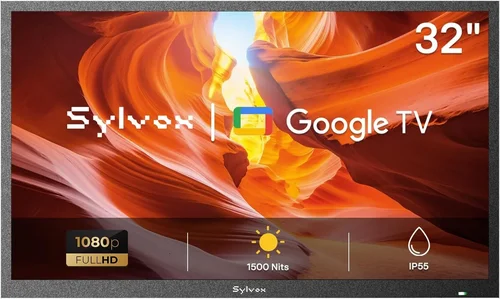
When it comes to outdoor electronics, weather resistance isn’t optional—it’s essential. Unlike indoor TVs, outdoor models must withstand rain, snow, dust, extreme heat, and freezing temperatures without compromising performance or safety. The first thing to check is the TV’s Ingress Protection (IP) rating, which indicates how well the device resists solids (like dust) and liquids (like rain or splashes). For outdoor use, look for a minimum IP55 rating, but ideally aim for IP65 or higher. An IP65 rating means the TV is dust-tight and protected against water jets from any direction—perfect for most outdoor environments.
Beyond the IP rating, consider the TV’s operating temperature range. Quality outdoor TVs are engineered to function reliably between -22°F and 122°F (-30°C to 50°C), ensuring they won’t shut down during a cold winter night or a scorching summer afternoon. Also, check whether the TV is designed for partial or full sun exposure. Some models are built specifically for shaded areas like covered patios, while others can handle direct sunlight thanks to enhanced cooling systems and anti-glare coatings. Don’t assume that placing a regular indoor TV under a roof makes it “outdoor-ready”—most indoor TVs lack proper sealing and thermal management, making them prone to overheating and premature failure.
2. Brightness & Anti-Glare Technology
One of the biggest challenges with outdoor viewing is screen visibility in bright daylight. Even on a cloudy day, ambient light outdoors can be significantly brighter than typical indoor lighting, washing out images on standard TVs. This is why outdoor TVs must deliver much higher brightness levels—measured in nits—than their indoor counterparts. For shaded or covered outdoor areas, a brightness of 700–1,000 nits is usually sufficient. However, if your outdoor bar gets direct sunlight for part of the day, you’ll need a TV with at least 1,500 nits, with premium models offering 2,000 nits or more.
Equally important is anti-glare technology. Look for TVs with optically bonded glass or matte-finish screens that reduce reflections from sunlight, overhead lighting, or nearby windows. Some manufacturers also incorporate specialized polarizing filters that enhance contrast and color accuracy in bright conditions. A common mistake is assuming that a high-resolution 4K display will automatically look great outdoors—but without sufficient brightness and glare control, even the sharpest image will appear dull and washed out. Always prioritize brightness and screen coating over raw pixel count when evaluating outdoor performance.
3. Build Quality & Durability
Outdoor TVs are built to last—literally. Unlike indoor models housed in lightweight plastic enclosures, outdoor TVs feature rugged, weatherproof casings made from powder-coated aluminum or marine-grade stainless steel. These materials resist rust, corrosion, and UV degradation, ensuring the TV maintains its appearance and structural integrity over time. Pay close attention to the construction of ports, buttons, and mounting hardware—these areas are often weak points where moisture can seep in if not properly sealed.
Additionally, consider the internal components. High-quality outdoor TVs use industrial-grade circuit boards, conformal-coated electronics (to prevent moisture damage), and passive cooling systems that don’t rely on fans (which can suck in dust and fail over time). Some models even include built-in heaters for cold climates, preventing internal condensation and ensuring smooth startup in freezing temperatures. Durability also extends to the remote control—many outdoor TVs come with waterproof remotes or support smartphone apps to avoid losing or damaging the physical remote in wet conditions.
4. Display Technology & Resolution
While brightness and durability are paramount, you still want a TV that delivers excellent picture quality. Most outdoor TVs today use LED-backlit LCD panels, with some premium models offering OLED or QLED technology for deeper blacks and more vibrant colors. However, OLED screens can be more susceptible to burn-in and may not perform as well in extreme temperatures, so they’re less common in fully outdoor-rated models.
Resolution-wise, 4K Ultra HD (3840 x 2160) is now the standard for outdoor TVs, offering crisp detail that’s especially noticeable on larger screens. Avoid 1080p models unless you’re on a very tight budget—they lack the clarity needed for immersive outdoor viewing, particularly when seated close to the screen. Also, consider refresh rate: a 60Hz panel is fine for casual viewing, but if you plan to watch sports or action movies, look for 120Hz or higher for smoother motion handling. HDR (High Dynamic Range) support is another valuable feature, enhancing contrast and color depth—but only if the TV’s brightness is high enough to take full advantage of it.
5. Smart Features & Connectivity
Modern outdoor TVs aren’t just dumb screens—they’re full-fledged smart platforms. Most come with built-in Wi-Fi, Bluetooth, and popular streaming apps like Netflix, YouTube, Hulu, and Disney+. This means you can enjoy your favorite content without needing an external streaming device, reducing clutter and potential points of failure. Look for models running established operating systems like Android TV, webOS (LG), or Tizen (Samsung), which offer regular updates, voice control (via Google Assistant or Alexa), and seamless integration with smart home ecosystems.
Connectivity is equally important. Ensure the TV has multiple HDMI ports (preferably HDMI 2.1 for future-proofing), USB inputs, and audio outputs for soundbars or external speakers. Some outdoor TVs also include RS-232 or IP control ports, which are useful for commercial installations or integration with home automation systems. If you plan to mount the TV in a hard-to-reach location, wireless screen mirroring (via Miracast or AirPlay) can be a game-changer for sharing content from phones or tablets without running cables.
6. Size & Viewing Distance
Choosing the right screen size depends on your outdoor bar’s layout and typical seating arrangement. As a general rule, the optimal viewing distance is about 1.5 to 2.5 times the diagonal screen size. For example, a 55-inch TV should be viewed from 6.5 to 11 feet away. In a compact outdoor bar setup, a 43- to 55-inch screen is usually ideal, while larger patios or commercial spaces may benefit from 65-inch or even 75-inch models.
Keep in mind that bigger isn’t always better—especially in bright outdoor settings. A massive screen with insufficient brightness will look dim and lack detail, while a smaller, brighter screen can provide a more enjoyable experience. Also, consider the TV’s depth and weight. Outdoor TVs are typically thicker and heavier than indoor models due to their rugged enclosures, so ensure your mounting solution (wall, ceiling, or stand) can support the load. Some manufacturers offer slim outdoor models designed for tighter spaces, but these may sacrifice some durability or cooling capacity.
7. Installation & Mounting Options
Proper installation is critical for both performance and safety. Outdoor TVs should never be mounted using standard indoor brackets—they require heavy-duty, weatherproof mounts rated for outdoor use. Look for tilt, swivel, or full-motion mounts that allow you to adjust the viewing angle based on sun position or seating layout. Ceiling mounts are popular for outdoor bars with overhead structures, while wall mounts work well for permanent installations.
Cable management is another often-overlooked aspect. Use weatherproof conduit or raceways to protect HDMI, power, and Ethernet cables from the elements. Some outdoor TVs feature rear access panels or hidden cable channels to keep wiring neat and protected. If you’re installing in a commercial setting, consider hiring a professional installer familiar with outdoor AV systems—improper mounting can void warranties and create safety hazards.
8. Warranty & Customer Support
Given the investment involved, a strong warranty is non-negotiable. Reputable outdoor TV brands typically offer 2- to 3-year limited warranties that cover defects, weather-related damage, and performance issues. Some even provide on-site service or expedited replacement programs. Avoid brands with vague or short warranties—this is often a red flag for lower-quality construction.
Customer support matters too. Look for manufacturers with responsive technical support, detailed installation guides, and active user communities. Reading real-world reviews can give you insight into how well a company handles repairs, replacements, or troubleshooting. A TV that costs less upfront but comes with poor support can end up being far more expensive in the long run.
Different Types of Outdoor TVs

Common Buying Mistakes to Avoid
❌ Mistake: Using an Indoor TV Outdoors
Why it’s bad: Indoor TVs lack weatherproofing, proper thermal management, and brightness needed for outdoor use. They can overheat, suffer moisture damage, or fail prematurely—even under a roof. Insurance may not cover damage caused by improper use.
What to do instead: Invest in a purpose-built outdoor TV or at minimum use a weatherproof outdoor TV enclosure designed for your specific model. Never assume “it’s just under the eaves” is safe enough.
❌ Mistake: Ignoring Brightness Requirements
Why it’s bad: A dim screen ruins the viewing experience, especially during daytime. Many buyers focus on resolution or smart features but end up with a TV that’s unusable in sunlight.
What to do instead: Match brightness (nits) to your environment: 700–1,000 nits for shade, 1,500+ nits for partial sun, and 2,000+ nits for full sun. Test in similar lighting if possible.
❌ Mistake: Overlooking Proper Mounting
Why it’s bad: Standard mounts aren’t rated for outdoor conditions or the weight of rugged TVs. Improper installation can lead to falls, damage, or injury.
What to do instead: Use certified outdoor mounting hardware and consult a professional if unsure. Ensure the wall or structure can support the load, especially in windy areas.
❌ Mistake: Skimping on Cable Protection
Why it’s bad: Exposed cables degrade quickly outdoors, leading to signal loss, corrosion, or electrical hazards.
What to do instead: Run all cables through waterproof conduit or use in-wall rated outdoor cables. Label connections for easy maintenance.
❌ Mistake: Choosing Based on Price Alone
Why it’s bad: The cheapest option often lacks essential features like adequate brightness, weather sealing, or warranty support, leading to higher long-term costs.
What to do instead: Prioritize value over price. A mid-range outdoor TV with strong durability and performance will outlast and outperform a budget model.
❌ Mistake: Neglecting Audio Needs
Why it’s bad: Outdoor environments have ambient noise (wind, traffic, chatter), and built-in TV speakers are usually insufficient.
What to do instead: Pair your TV with weather-resistant outdoor speakers or a soundbar. Consider wireless options to reduce cable clutter.
❌ Mistake: Not Planning for Maintenance
Why it’s bad: Dust, pollen, and bird droppings can accumulate on screens and vents, affecting performance and longevity.
What to do instead: Clean the screen regularly with a microfiber cloth and mild cleaner. Schedule annual inspections of seals and mounts.
Budget Guidelines: How Much Should You Spend?
Entry-Level ($600 – $1,200): These are typically partial-shade or convertible models suitable for covered patios with minimal sun exposure. Expect basic weather resistance (IP54), 700–1,000 nits brightness, and limited smart features. Ideal for casual use but not built for harsh conditions.
Mid-Range ($1,200 – $2,500): This is the sweet spot for most homeowners and small businesses. These TVs offer full weatherproofing (IP65), 1,000–1,500 nits brightness, robust build quality, and full smart functionality. Great for covered decks, outdoor kitchens, and bars with occasional sun.
Premium ($2,500 – $4,500): Designed for full sun and extreme climates, these models deliver 1,500–2,500+ nits, advanced cooling, anti-glare coatings, and commercial-grade durability. Perfect for open-air venues, beachfront properties, or regions with harsh weather.
Luxury ($4,500+): Top-tier outdoor TVs with OLED/QLED panels, ultra-high brightness, integrated heating/cooling, and enterprise-level remote management. Often used in luxury resorts, stadiums, or high-end residential projects where performance and aesthetics are paramount.
Expert Tips for Getting the Best Deal
- Shop during off-seasons: Prices often drop in late fall and winter when outdoor demand is low. Look for holiday sales around Black Friday or end-of-year clearances.
- Buy directly from manufacturers: Brands like SunBriteTV and Seura often offer exclusive deals, extended warranties, or free shipping when purchasing through their websites.
- Check refurbished or open-box options: Certified pre-owned outdoor TVs can save you 20–40% and often come with the same warranty as new units.
- Bundle with accessories: Some retailers offer discounts when you buy a TV, mount, and sound system together.
- Read real user reviews: Focus on long-term feedback (6+ months) to assess durability and reliability, not just initial impressions.
- Verify return policies: Ensure you can return or exchange the TV if it doesn’t perform as expected in your specific environment.
- Consider total cost of ownership: A slightly more expensive TV with better efficiency and longevity may cost less over 5–7 years than a cheaper model that fails early.
- Ask about commercial pricing: If you’re buying for a business, inquire about volume discounts or tax-exempt options.

Frequently Asked Questions
Q: Can I use a regular TV outdoors if it’s under a roof?
A: Technically yes, but it’s not recommended. Indoor TVs lack proper sealing, thermal management, and brightness for reliable outdoor use. Even under cover, they’re vulnerable to humidity, temperature swings, and dust. For anything beyond temporary or sheltered use, invest in an outdoor-rated model.
Q: Do outdoor TVs need special power outlets?
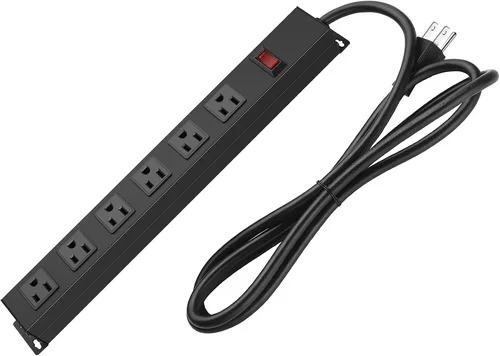
A: Not necessarily, but they should be connected to a GFCI (Ground Fault Circuit Interrupter) outlet for safety, especially in wet locations. Use a surge protector rated for outdoor use to guard against power fluctuations.
Q: How do I clean an outdoor TV screen?
A: Use a soft, lint-free microfiber cloth and a mild solution of water and isopropyl alcohol (50/50 mix). Avoid ammonia-based cleaners or abrasive materials that can scratch the anti-glare coating. Power off the TV before cleaning.
Q: Will an outdoor TV work in freezing temperatures?
A: Yes, if it’s rated for cold climates. Look for models with built-in heaters or specified operating ranges down to -22°F (-30°C). Avoid turning on the TV immediately after exposure to extreme cold—allow it to acclimate first.
Q: Can I stream content to an outdoor TV without Wi-Fi?
A: Yes, via wired Ethernet (more reliable outdoors) or using a mobile hotspot. Some TVs also support USB media playback or screen mirroring from devices over Bluetooth.
Q: Are outdoor TVs energy efficient?
A: Modern outdoor TVs are surprisingly efficient, especially LED models. Look for ENERGY STAR certification or check wattage specs—many consume less than 150W during normal use.
Q: How long do outdoor TVs last?
A: With proper care, a quality outdoor TV can last 7–10 years or more. Regular maintenance, avoiding extreme conditions beyond specs, and using surge protection all extend lifespan.
Q: Can I install an outdoor TV myself?
A: If you’re experienced with electrical work and mounting hardware, yes—but for permanent or commercial installations, hiring a certified AV installer is strongly advised for safety and warranty compliance.
Q: Do outdoor TVs come with warranties that cover weather damage?
A: Most reputable brands do, but always read the fine print. Some exclude “acts of nature” like hail or flooding, while others cover all weather-related issues. Choose a brand with clear, comprehensive coverage.
Our Final Recommendations
Best for Budget-Conscious Buyers: SunBriteTV Veranda Series (55″) – Offers excellent value with IP55 rating, 1,000 nits brightness, and full smart features under $1,500. Ideal for covered patios.
Best Overall Value: Seura Shade Series (65″) – Combines 1,500 nits brightness, IP65 weatherproofing, and sleek design at a competitive price. Perfect balance of performance and durability.
Best Premium Option: SunBriteTV Pro Series (75″) – Built for full sun with 2,500 nits, military-grade construction, and advanced cooling. The top choice for demanding environments.
Best for Beginners: Samsung The Terrace (55″) – User-friendly smart platform, strong brightness (1,500 nits), and reliable performance. Great entry point into premium outdoor viewing.
Best for Advanced Users: LG UltraBright Outdoor TV (65″) – Features webOS, HDR10, and optional professional mounting kits. Ideal for tech-savvy users wanting seamless integration.
Conclusion: Making the Right Choice
Choosing the right outdoor TV for your bar or patio is about more than just picking a screen that looks good in a catalog. It’s about understanding your environment, prioritizing durability and visibility, and investing in a solution that will deliver years of reliable entertainment. From weather resistance and brightness to smart features and installation, every detail matters when you’re bringing the living room outside.
Remember: the cheapest option isn’t always the best value, and the biggest screen isn’t always the most practical. Focus on your specific needs—how much sun your space gets, how often you’ll use the TV, and what kind of content you’ll watch—and let those factors guide your decision. With the insights from this guide, you’re now equipped to make a confident, informed choice that enhances your outdoor experience for seasons to come.
So go ahead—fire up the grill, pour a drink, and press play. Your perfect outdoor TV awaits.

