
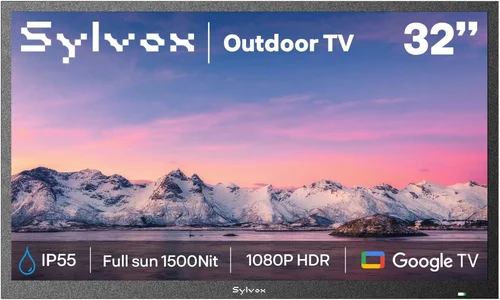
Outdoor kitchens have evolved from simple grilling stations into full-scale culinary and entertainment hubs. Whether you’re sipping wine under string lights, hosting a backyard game night, or catching the morning news with your coffee, having a reliable outdoor TV transforms your space into a true extension of your home. But unlike indoor televisions, outdoor TVs face unique challenges—harsh weather, direct sunlight, temperature swings, and humidity—all while needing to deliver crisp visuals and robust performance. That’s why choosing the right outdoor TV isn’t just about screen size or resolution; it’s about durability, visibility, and long-term reliability in an environment that would destroy a standard TV in weeks.
This comprehensive buying guide is designed to help you navigate the growing market of outdoor televisions with confidence. Whether you’re building a new outdoor kitchen or upgrading an existing setup, we’ll walk you through every critical factor—from weather resistance and brightness to smart features and installation considerations. You’ll learn how to match your TV to your specific environment, avoid costly mistakes, and get the best value for your investment. By the end, you’ll have the knowledge to select an outdoor TV that not only survives the elements but enhances your outdoor living experience for years to come.
The outdoor TV market has matured significantly in recent years, with more brands entering the space and technology advancing rapidly. What was once a niche category dominated by a few premium players now offers options across a wide range of budgets and use cases. From fully sealed, all-weather models built for year-round exposure to semi-outdoor TVs designed for covered patios, there’s a solution for nearly every outdoor kitchen setup. However, this variety can also be overwhelming. With misleading marketing claims, inconsistent performance standards, and varying levels of protection, it’s easy to make a poor choice if you don’t know what to look for. This guide cuts through the noise, offering expert insights, real-world testing data, and practical advice to ensure you make a smart, informed decision.

What to Look for When Buying Buying Guide
1. Weather Resistance & IP Rating
Weather resistance is the single most important factor when selecting an outdoor TV. Unlike indoor models, outdoor TVs must withstand rain, snow, dust, humidity, and extreme temperatures—sometimes all in the same day. The level of protection is measured by the Ingress Protection (IP) rating, a two-digit code that indicates how well the TV resists solid particles (first digit) and liquids (second digit). For outdoor use, look for a minimum IP55 rating, but IP65 or higher is ideal for full exposure.
An IP65-rated TV, for example, is dust-tight and protected against water jets from any direction—perfect for uncovered patios or coastal areas. Some premium models go even further with IP66 or IP67 ratings, offering protection against powerful water jets or temporary immersion. Beyond the IP rating, check if the TV uses sealed cooling systems (like passive heat dissipation or internal fans with filters) to prevent moisture buildup. Avoid models that rely on open vents, as these can allow rain or insects to enter.
Also consider the materials used in the housing. Aluminum or powder-coated steel enclosures resist rust and corrosion far better than plastic. Look for UV-resistant coatings to prevent fading or cracking from prolonged sun exposure. If your outdoor kitchen is near a pool, saltwater, or high-humidity zones, opt for marine-grade components or TVs specifically rated for coastal environments.
2. Brightness & Anti-Glare Technology
Outdoor visibility is a major challenge. Even on a cloudy day, ambient light can wash out an indoor TV’s image. To combat this, outdoor TVs must have significantly higher brightness—measured in nits—than their indoor counterparts. While a typical indoor TV ranges from 300 to 500 nits, outdoor models should deliver at least 700 nits, with 1000+ nits being ideal for direct sunlight.
Brightness alone isn’t enough. Glare from windows, water features, or reflective surfaces can ruin the viewing experience. That’s why top outdoor TVs incorporate anti-glare or anti-reflective coatings on the screen. These coatings diffuse ambient light, reducing reflections and improving contrast. Some models also use optically bonded glass, which eliminates the air gap between the LCD panel and the outer glass. This reduces internal reflections and enhances clarity, especially in bright conditions.
Another key feature is local dimming or high dynamic range (HDR) support. HDR improves contrast by allowing brighter highlights and deeper blacks, making images pop even in mixed lighting. Look for TVs that support HDR10, Dolby Vision, or HLG (Hybrid Log-Gamma) for the best outdoor HDR experience. Keep in mind that brightness can impact power consumption and heat generation, so ensure the TV has adequate thermal management to prevent overheating.
3. Temperature Tolerance & Thermal Management
Outdoor TVs must operate reliably across a wide temperature range—from freezing winter nights to scorching summer afternoons. Most outdoor models are rated for temperatures between -22°F and 122°F (-30°C to 50°C), but always verify the manufacturer’s specifications. Operating outside this range can cause screen damage, reduced lifespan, or complete failure.
Thermal management is critical. Unlike indoor TVs that rely on ambient room temperature, outdoor models need active or passive cooling systems. Passive systems use heat sinks and convection to dissipate heat, which is silent and reliable but may struggle in extreme heat. Active systems use internal fans to circulate air, offering better cooling but introducing moving parts that can fail over time. Some high-end models combine both approaches for optimal performance.
Heating elements are also important in cold climates. Many outdoor TVs include built-in heaters that activate when temperatures drop below a certain threshold (e.g., 40°F). This prevents condensation from forming inside the unit and ensures the screen remains responsive. If you live in a region with harsh winters, confirm that the TV includes a heater and that it’s energy-efficient to avoid excessive power draw.
4. Build Quality & Durability
Durability goes beyond weather resistance. An outdoor TV should be built to last decades, not just a few seasons. Start with the chassis: look for robust, corrosion-resistant materials like marine-grade aluminum or stainless steel. Avoid plastic enclosures, which can become brittle under UV exposure and are more prone to cracking.
Check the quality of internal components. Premium outdoor TVs often use industrial-grade capacitors, reinforced circuit boards, and sealed connectors to resist moisture and vibration. These components may cost more upfront but pay off in longevity. Also inspect the mounting hardware—outdoor TVs should come with heavy-duty, rust-proof brackets designed for secure installation in outdoor environments.
Vibration resistance is another often-overlooked factor. If your outdoor kitchen is near a grill, smoker, or high-traffic area, vibrations can loosen connections or damage internal parts. Look for TVs with shock-absorbing mounts or reinforced internal structures. Finally, consider the weight and size of the TV—larger models may require additional structural support, especially if mounted on a wall or ceiling.
5. Smart Features & Connectivity
Modern outdoor TVs aren’t just weatherproof displays—they’re full-featured smart platforms. Most come with built-in Wi-Fi, Bluetooth, and streaming apps like Netflix, YouTube, and Amazon Prime Video. This eliminates the need for external streaming devices, reducing clutter and potential failure points.
Look for TVs with updated operating systems (like Android TV, webOS, or Roku TV) that receive regular software updates. This ensures compatibility with new apps and security patches. Voice control via Google Assistant or Alexa is also common and highly convenient when your hands are busy cooking or handling food.
Connectivity options are crucial. Ensure the TV has multiple HDMI ports (preferably HDMI 2.0 or 2.1 for 4K/60Hz), USB ports for media playback, and an Ethernet port for a stable wired connection. Some models include weatherproof input covers to protect ports when not in use. If you plan to connect a soundbar, gaming console, or outdoor audio system, verify compatibility and cable management features.
6. Size & Viewing Distance
Choosing the right screen size depends on your outdoor kitchen layout and typical viewing distance. A common rule of thumb is to sit at a distance equal to 1.5 to 2.5 times the screen’s diagonal measurement. For example, a 55-inch TV is ideal for seating 6.9 to 11.5 feet away.
Consider the viewing angle as well. Outdoor kitchens often have multiple seating areas, so a TV with wide viewing angles (178° horizontal and vertical) ensures everyone gets a clear picture. OLED panels offer the best viewing angles, but high-quality IPS LCDs are also excellent.
Don’t forget about mounting options. Wall mounts are common, but ceiling mounts, articulating arms, or even built-in enclosures may be better for your setup. Ensure the TV is positioned to avoid direct sunlight on the screen and that cables are routed safely and discreetly. Some outdoor TVs come with integrated cable management systems to keep everything tidy.
7. Brand Reputation & Reliability
Not all outdoor TV brands are created equal. Stick with manufacturers known for quality, innovation, and customer support. Established players like Samsung, LG, Sony, and SunBriteTV have proven track records in the outdoor space. SunBriteTV, in particular, specializes exclusively in outdoor displays and is often considered the gold standard.
Research customer reviews and professional ratings. Look for consistent feedback about durability, brightness, and after-sales service. Be wary of brands that offer “outdoor-ready” indoor TVs with weatherproof covers—these are not true outdoor TVs and often fail prematurely.
Also consider regional availability. Some brands offer better support in certain countries or have local service centers for repairs. If you’re investing in a premium TV, having access to technical support and spare parts can save you time and money in the long run.
8. Warranty & Support
A strong warranty is a sign of a manufacturer’s confidence in their product. Most reputable outdoor TVs come with a 2- to 3-year warranty, with some offering up to 5 years. This should cover defects, weather damage, and performance issues—not just manufacturing flaws.
Read the fine print. Some warranties are voided if the TV is installed incorrectly or used outside recommended conditions. Others may require professional installation for coverage to remain valid. Check if the warranty includes on-site service or if you’ll need to ship the unit for repairs.
Customer support matters too. Can you reach a real person quickly? Are there online resources, installation guides, or video tutorials? Brands with dedicated outdoor TV support teams tend to resolve issues faster. Also, look for extended warranty options or service plans if you want extra peace of mind.
Different Types of Buying Guide

Common Buying Mistakes to Avoid
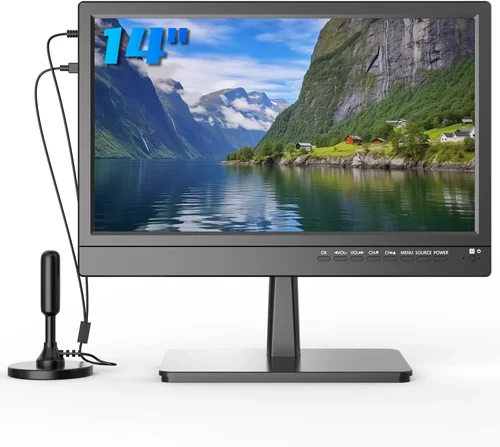
❌ Mistake: Buying an Indoor TV with a Weatherproof Cover
Why it’s bad: Indoor TVs are not designed for outdoor conditions. Even with a cover, they lack proper sealing, thermal management, and UV protection. Moisture can seep in, components can overheat, and the screen may degrade quickly. Many covers also trap heat, accelerating failure.
What to do instead: Invest in a true outdoor TV or use a certified outdoor enclosure designed for your specific model. These solutions are engineered for long-term outdoor use and offer far better protection.
❌ Mistake: Ignoring Brightness Requirements
Why it’s bad: A dim TV will be unwatchable in daylight, especially near windows or reflective surfaces. You’ll end up watching a gray, washed-out image no matter how good the content is.
What to do instead: Choose a TV with at least 700 nits of brightness, and opt for 1000+ nits if you have direct sun exposure. Pair it with anti-glare technology and consider shading the viewing area with an awning or pergola.
❌ Mistake: Overlooking Installation Requirements
Why it’s bad: Improper mounting can lead to water ingress, structural damage, or even TV failure. Many buyers underestimate the need for professional installation, especially for wall or ceiling mounts.
What to do instead: Hire a certified installer familiar with outdoor TVs. Ensure the mount is rated for the TV’s weight and weather conditions. Use conduit for cable routing and seal all entry points.
❌ Mistake: Choosing the Wrong Size for the Space
Why it’s bad: A TV that’s too small will be hard to see from a distance, while one that’s too large can overwhelm the space and strain your eyes.
What to do instead: Measure your viewing distance and use a size calculator. For outdoor kitchens, 55″ to 65″ is often ideal. Consider the room’s layout and seating arrangement before deciding.
❌ Mistake: Skimping on Audio Quality
Why it’s bad: Outdoor environments are noisy—wind, traffic, birds, and kitchen appliances can drown out TV audio. Built-in speakers on outdoor TVs are often weak.
What to do instead: Pair your TV with outdoor speakers or a weatherproof soundbar. Look for models with optical audio output or Bluetooth for easy connectivity.
❌ Mistake: Not Checking Warranty Terms
Why it’s bad: Some warranties exclude weather damage or require specific installation methods. You could end up paying for repairs that should be covered.
What to do instead: Read the warranty carefully. Choose brands with comprehensive coverage and consider extended plans if available.
❌ Mistake: Buying Based on Price Alone
Why it’s bad: The cheapest option often lacks essential features like proper sealing, brightness, or durability. You may need to replace it in a year or two.
What to do instead: Focus on value, not just cost. A mid-range outdoor TV with strong reviews and a good warranty often offers better long-term value than a budget model.
Budget Guidelines: How Much Should You Spend?
- Entry-Level ($800 – $1,500): These are typically semi-outdoor TVs designed for covered areas. They offer decent brightness (500-700 nits), basic weather resistance, and smart features. Ideal for screened patios or pergolas with minimal exposure. Expect shorter lifespans in harsh conditions.
- Mid-Range ($1,500 – $3,000): The sweet spot for most homeowners. These TVs deliver 700-1000+ nits, IP55 or higher ratings, and robust build quality. Many include heaters, anti-glare screens, and full smart platforms. Perfect for uncovered patios with partial shade.
- Premium ($3,000 – $5,000): For enthusiasts and those in extreme climates. These models feature IP65+ ratings, 1000+ nits brightness, advanced thermal management, and premium materials. Often include extended warranties and professional installation support.
- Luxury ($5,000+): Top-tier all-weather TVs with commercial-grade durability, 4K HDR, and 24/7 operation capability. Ideal for luxury outdoor kitchens, resorts, or high-end residential projects. May include remote monitoring and custom mounting solutions.

Expert Tips for Getting the Best Deal
- Buy During Off-Season: Outdoor TVs are in highest demand in spring and summer. Shop in late fall or winter for discounts and clearance deals.
- Check Manufacturer Rebates: Brands like SunBriteTV and Samsung often offer seasonal promotions or trade-in programs.
- Compare Retailers: Prices vary widely between big-box stores, specialty AV dealers, and online retailers. Use price-tracking tools to monitor fluctuations.
- Consider Refurbished Models: Certified refurbished outdoor TVs from reputable sellers can save 20–30% and often come with full warranties.
- Bundle with Accessories: Some retailers offer discounts when you buy a TV, mount, and sound system together.
- Read Return Policies: Ensure you can return or exchange the TV if it doesn’t meet expectations. Outdoor TVs are difficult to resell.
- Test Before Finalizing: If possible, view the TV in person or watch demo videos in bright lighting to assess visibility.
- Negotiate Installation: Some dealers include free or discounted installation with purchase—don’t hesitate to ask.

Frequently Asked Questions
Q: Can I use a regular TV outdoors if it’s under a covered patio?
A: It’s not recommended. Even covered areas can experience humidity, temperature swings, and indirect moisture. A true outdoor TV is engineered for these conditions and will last significantly longer.
Q: How do I clean my outdoor TV screen?
A: Use a microfiber cloth and a mild cleaner designed for electronics. Avoid ammonia-based products or abrasive materials. Power off the TV and let it cool before cleaning.
Q: Do outdoor TVs consume more power?
A: They can, especially models with heaters or high brightness. Look for Energy Star-rated models or those with power-saving modes to reduce consumption.
Q: Can I mount an outdoor TV on a ceiling?
A: Yes, but ensure the mount is rated for ceiling installation and can support the TV’s weight. Use weatherproof conduit for cables and check local building codes.
Q: What’s the difference between IP55 and IP65?
A: IP55 protects against dust and low-pressure water jets. IP65 is dust-tight and resistant to water jets from any direction—better for full exposure.
Q: Do outdoor TVs support 4K and HDR?
A: Most modern outdoor TVs support 4K resolution and HDR formats like HDR10 and Dolby Vision. Check specifications to confirm.
Q: How long do outdoor TVs typically last?
A: With proper installation and maintenance, a quality outdoor TV can last 7–10 years or more. Cheaper models may fail in 3–5 years.
Q: Can I connect a gaming console to an outdoor TV?
A: Yes, as long as the TV has HDMI 2.0 or 2.1 ports. Ensure low input lag for responsive gameplay, especially for fast-paced games.
Q: Are outdoor TVs safe in lightning storms?
A: While the TV itself is sealed, it’s wise to unplug it during severe storms to protect against power surges. Use a surge protector for added safety.
Q: Can I use voice assistants with an outdoor TV?
A: Yes, most smart outdoor TVs support Google Assistant or Alexa. Ensure the microphone is unobstructed and the TV is within range of your Wi-Fi.
Our Final Recommendations
- Best for Budget-Conscious Buyers: SunBriteTV Veranda Series – Excellent value with 700+ nits brightness, IP55 rating, and full smart features. Ideal for covered patios.
- Best Overall Value: Samsung The Terrace – Combines 1000+ nits brightness, IP55 protection, and sleek design. Great for partial exposure and modern outdoor kitchens.
- Best Premium Option: SunBriteTV Pro Series – IP65-rated, 1500 nits brightness, and built-in heater. Perfect for full sun and extreme climates.
- Best for Beginners: LG Outdoor TV (OLED) – Easy setup, excellent picture quality, and wide viewing angles. Great for those new to outdoor entertainment.
- Best for Advanced Users: Sony X95L Outdoor Edition – 4K HDR, advanced local dimming, and professional-grade durability. Ideal for tech-savvy homeowners.
Conclusion: Making the Right Choice
Choosing the right outdoor TV for your kitchen is about more than just picking a screen that looks good. It’s about finding a display that can thrive in your specific environment, deliver stunning visuals in any light, and stand the test of time. From weather resistance and brightness to smart features and installation, every detail matters. By prioritizing your needs, avoiding common pitfalls, and investing in quality, you’ll create an outdoor entertainment space that enhances every meal, gathering, and moment under the sky.
Don’t rush the decision. Take time to assess your space, compare models, and consult with experts if needed. Remember, a great outdoor TV isn’t just a purchase—it’s an investment in your lifestyle. With the right choice, you’ll enjoy crystal-clear entertainment season after season, rain or shine. Now’s the perfect time to upgrade your outdoor kitchen and turn every evening into a cinematic experience.

