
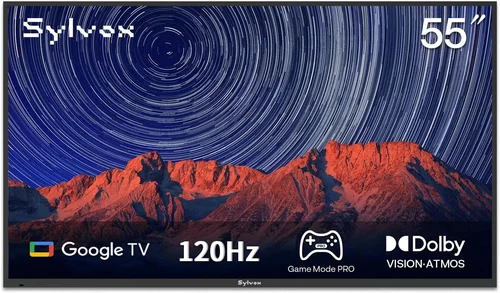
Outdoor living spaces have evolved dramatically over the past decade. What was once a simple patio with a few chairs and a grill has now become a full-fledged extension of the home—complete with outdoor kitchens, fire pits, sound systems, and yes, even televisions. For homeowners with large patios, an outdoor TV isn’t just a luxury—it’s a centerpiece that transforms how you entertain, relax, and connect with nature. Whether you’re hosting summer barbecues, watching the big game under the stars, or enjoying a quiet movie night with family, the right outdoor TV can elevate your experience.
But choosing the best outside TV for a large patio isn’t as simple as buying a regular indoor model and mounting it outside. The elements—sun, rain, dust, temperature swings, and humidity—pose serious challenges that indoor TVs simply aren’t built to handle. That’s why this comprehensive buying guide exists: to help you navigate the complex world of outdoor televisions with confidence. In the following pages, you’ll learn everything you need to know to make an informed decision, from understanding key performance specs to avoiding common pitfalls. We’ll break down the different types of outdoor TVs, compare top brands, and provide expert-backed recommendations tailored to various budgets and use cases.
The market for outdoor TVs has grown rapidly in recent years, driven by advances in display technology, weatherproofing, and consumer demand for year-round outdoor entertainment. Today, you’ll find a range of options—from fully weatherproofed, all-season models designed for permanent outdoor installation to more affordable, semi-outdoor versions meant for covered patios. Some are built like rugged appliances, while others blend seamlessly into modern outdoor décor. With so many choices, it’s easy to feel overwhelmed. But don’t worry—this guide cuts through the noise. By the end, you’ll know exactly what to look for, how much to spend, and which models offer the best value for your specific needs.
What to Look for When Buying Buying Guide
1. Weather Resistance & IP Rating
When it comes to outdoor electronics, weather resistance isn’t optional—it’s essential. Unlike indoor TVs, outdoor models must withstand rain, snow, dust, UV exposure, and temperature extremes. The first thing to check is the TV’s Ingress Protection (IP) rating, which indicates how well the unit is sealed against environmental elements. Look for a minimum IP55 rating, which means the TV is protected against water jets and limited dust ingress. For full four-season use in exposed areas, aim for IP65 or higher—this ensures complete protection against dust and low-pressure water from any direction.
But IP ratings only tell part of the story. You also need to consider the TV’s operating temperature range. Most quality outdoor TVs can function between -30°F and 120°F (-34°C to 49°C), making them suitable for nearly any climate. Avoid models that don’t specify temperature tolerance—they may fail in extreme heat or cold. Additionally, check if the TV includes a built-in heater or cooling system. These features help maintain optimal internal temperatures, preventing condensation in winter and overheating in summer.
2. Brightness & Display Technology
One of the biggest challenges with outdoor viewing is glare from sunlight. A dim screen will look washed out and nearly unwatchable during the day, no matter how good the picture quality is. That’s why brightness—measured in nits—is critical. For a large patio, especially one that gets direct sunlight, you’ll want a TV with at least 700 nits of brightness. However, for optimal daytime visibility, aim for 1,000 nits or more. Some premium models now offer up to 2,500 nits, making them readable even in bright afternoon sun.
The type of display panel also matters. OLED TVs deliver stunning contrast and deep blacks, but they’re generally not recommended for outdoor use due to their lower peak brightness and susceptibility to burn-in under constant bright conditions. Instead, look for high-brightness LED or QLED panels, which are specifically engineered for outdoor visibility. QLED technology, in particular, offers excellent color accuracy and brightness, making it ideal for sunny patios. Additionally, consider anti-reflective coatings and matte screen finishes, which reduce glare and improve off-angle viewing.
Resolution is another key factor. While 4K UHD is standard on most new models, ensure the TV supports HDR (High Dynamic Range) for better contrast and color depth. HDR10 and Dolby Vision are the most common formats and significantly enhance outdoor viewing, especially during evening hours when ambient light drops.
3. Size & Viewing Distance
For a large patio, screen size is paramount. A small TV will look out of place and fail to deliver an immersive experience, especially when viewed from multiple seating areas. As a general rule, your TV’s diagonal screen size should be about one-sixth the distance from the screen to your farthest viewer. For example, if your seating area is 18 feet away, a 36-inch TV would be too small—opt for at least 65 inches, preferably 75 inches or larger.
Consider the layout of your patio. If you have a wide seating arrangement with viewers sitting at various angles, a larger screen ensures everyone gets a clear view. Ultra-wide aspect ratios (like 21:9) aren’t common on outdoor TVs, so stick with standard 16:9 models. Also, think about mounting height and angle. The center of the screen should be at or slightly below eye level when seated—typically around 42 to 48 inches from the ground. Use a tilting or full-motion outdoor mount to adjust for seasonal sun angles and viewer positions.
Don’t forget about bezel size. Thinner bezels create a more modern, immersive look and allow for easier integration into outdoor décor. Some models even feature bezel-less designs that blend seamlessly with the surrounding environment.
4. Build Quality & Durability
Outdoor TVs are investments, and you want yours to last. That means prioritizing build quality. Look for models with powder-coated aluminum or stainless steel chassis, which resist rust and corrosion. Avoid plastic enclosures—they degrade under UV exposure and can crack in cold weather. The internal components should also be sealed and protected, with conformal coating on circuit boards to prevent moisture damage.
Check the quality of the mounting hardware. Outdoor mounts must be heavy-duty and corrosion-resistant. Many manufacturers offer proprietary mounting systems designed specifically for their TVs, which often include cable management and tilt adjustments. If you’re installing the TV yourself, ensure the mount is compatible with your wall or ceiling structure and can support the TV’s weight—some large outdoor models exceed 100 pounds.
Another durability factor is the power supply. Outdoor TVs should have sealed, weatherproof power inputs and often include surge protection to guard against lightning strikes or power fluctuations. Some models even feature built-in voltage regulators to maintain stable performance in areas with inconsistent electricity.
5. Connectivity & Smart Features
Modern outdoor TVs aren’t just displays—they’re smart entertainment hubs. Look for models with built-in Wi-Fi, Bluetooth, and multiple HDMI ports (at least three, preferably four). This allows you to connect streaming devices, gaming consoles, soundbars, and cable boxes without running long cables across your patio. USB ports are also useful for playing media files or powering external devices.
Smart TV platforms vary by brand. Samsung’s Tizen, LG’s webOS, and Sony’s Android TV are among the most user-friendly and regularly updated. These platforms give you access to Netflix, YouTube, Disney+, and other streaming services directly on the TV. However, keep in mind that software updates may be less frequent on outdoor-specific models, so check the manufacturer’s update policy.
Voice control is another convenient feature. Many outdoor TVs support Alexa, Google Assistant, or Siri, allowing you to change channels, adjust volume, or search for content hands-free. This is especially useful when you’re grilling or entertaining guests.
For audio, built-in speakers on outdoor TVs are often underpowered due to space and weather constraints. Consider pairing your TV with a weatherproof soundbar or outdoor speaker system for richer, louder sound. Some models include audio output ports (optical or RCA) for easy connection to external audio systems.
6. Brand Reputation & Reliability
Not all outdoor TV brands are created equal. Stick with manufacturers known for quality, innovation, and customer support. Top-tier brands like Samsung, LG, Sony, and SunBriteTV have extensive experience in both consumer electronics and outdoor technology. These companies invest heavily in R&D, rigorous testing, and long-term reliability.
SunBriteTV, for example, specializes exclusively in outdoor displays and is widely regarded as the gold standard in the industry. Their TVs are built from the ground up for outdoor use, with features like anti-glare screens, sealed cooling systems, and extended warranties. While they come at a premium price, their durability and performance are unmatched.
Other reputable brands include Seura, which offers elegant, mirror-finish outdoor TVs that double as decorative elements, and Aviditi, known for rugged, commercial-grade models. Avoid unknown or generic brands that lack customer reviews, detailed specifications, or warranty information. These products may save you money upfront but often fail prematurely, costing more in the long run.
When evaluating brands, look at customer satisfaction ratings, third-party reviews, and industry awards. Also, check if the company offers local service centers or authorized repair technicians—this can be crucial if your TV needs maintenance.
7. Warranty & Support
A strong warranty is a sign of a manufacturer’s confidence in their product. For outdoor TVs, look for at least a 2-year limited warranty, with 3 years or more being ideal. Some premium brands offer 5-year warranties, especially on commercial or all-season models. The warranty should cover both parts and labor, including damage from environmental factors like moisture or temperature extremes.
Read the fine print. Some warranties are voided if the TV is installed incorrectly, mounted on an incompatible surface, or used in conditions outside the specified range. Make sure you understand the terms before purchasing. Also, check if the warranty includes on-site service or if you’ll need to ship the unit back for repairs.
Customer support is equally important. Can you reach a real person quickly? Is there a dedicated support line for outdoor products? Do they offer installation guides, troubleshooting videos, or live chat? Brands with robust support ecosystems make ownership much smoother, especially if issues arise.
Finally, consider extended warranty options. While not always necessary, they can provide peace of mind for high-end models. Just be sure to compare the cost against the likelihood of failure and potential repair expenses.
8. Installation & Maintenance
Proper installation is critical for both performance and longevity. Outdoor TVs should be mounted by professionals or experienced DIYers using approved hardware. Improper mounting can lead to water intrusion, structural damage, or even the TV falling. Most manufacturers provide detailed installation manuals and recommend certified installers.
Maintenance is minimal but important. Clean the screen regularly with a microfiber cloth and mild cleaner—avoid ammonia-based products, which can damage anti-reflective coatings. Inspect seals and gaskets annually for cracks or wear. If your TV has a built-in air filter (common on models with active cooling), replace it as recommended—usually every 6 to 12 months.
During extreme weather, take precautions. In areas with heavy snowfall, ensure the TV is angled to shed snow. In hurricane-prone regions, consider removable mounts or storage solutions. Some homeowners install outdoor TV enclosures or covers for added protection during off-seasons.
Lastly, plan your cable routing. Use weatherproof conduit or raceways to protect HDMI, power, and Ethernet cables from the elements. Label all connections for easy troubleshooting. A well-organized setup not only looks better but also reduces the risk of damage.
Different Types of Buying Guide

Common Buying Mistakes to Avoid
❌ Mistake: Buying an Indoor TV for Outdoor Use
Why it’s bad: Indoor TVs lack weatherproofing, proper ventilation, and UV protection. Exposure to moisture, temperature swings, and sunlight will quickly damage internal components, leading to failure within months—or even weeks. Many homeowners assume a covered patio is safe, but humidity, condensation, and wind-driven rain can still cause irreversible harm.
What to do instead: Always choose a TV specifically designed for outdoor use. Look for models with IP55 or higher ratings, sealed enclosures, and outdoor-certified components. If budget is a concern, consider a covered patio model—but never use a standard living room TV outside.
❌ Mistake: Ignoring Brightness Requirements
Why it’s bad: A dim screen looks terrible in daylight, no matter how advanced the technology. Many buyers focus on resolution or smart features but overlook brightness, resulting in a TV that’s only usable at night. On a large patio with multiple seating areas, poor visibility ruins the viewing experience for everyone.
What to do instead: Prioritize brightness—aim for at least 1,000 nits for daytime viewing. Check reviews and spec sheets for real-world brightness performance. If possible, view the TV in person or watch demo videos taken in sunlight.
❌ Mistake: Choosing the Wrong Size
Why it’s bad: A TV that’s too small feels underwhelming and fails to serve a large space. Conversely, an oversized TV can overwhelm the area and strain your budget. Many buyers guess based on indoor standards, which don’t account for outdoor distances and ambient light.
What to do instead: Use the 1/6 rule: screen size (in inches) = viewing distance (in feet) ÷ 6. For a 20-foot patio, that’s a 75-inch TV. Also, consider seating layout—corner viewers need a larger screen for clarity.
❌ Mistake: Overlooking Installation Challenges
Why it’s bad: Outdoor TVs are heavy, require specialized mounts, and often need professional wiring. DIY installations can lead to water leaks, structural damage, or electrical hazards. Poor mounting also affects viewing angle and safety.
What to do instead: Hire a certified installer or consult the manufacturer’s guidelines. Use weatherproof conduit for cables and ensure the mount is rated for the TV’s weight and wind load. Plan cable routes before mounting.
❌ Mistake: Skimping on Audio
Why it’s bad: Built-in outdoor TV speakers are often weak and muffled due to weatherproofing. Relying on them results in poor sound quality, especially in open spaces where noise carries.
What to do instead: Invest in a weatherproof soundbar or outdoor speaker system. Look for models with Bluetooth or wired connectivity. Place speakers strategically around the patio for even coverage.
❌ Mistake: Not Checking Warranty Terms
Why it’s bad: Some warranties exclude outdoor use or environmental damage. If your TV fails due to rain or heat, you could be stuck with a costly repair bill—even if the product seemed “outdoor-ready.”
What to do instead: Read the warranty carefully. Ensure it covers outdoor conditions and includes both parts and labor. Choose brands with strong support networks and clear policies.
❌ Mistake: Buying Based on Price Alone
Why it’s bad: The cheapest option often lacks durability, brightness, or proper weatherproofing. You may save $500 upfront but end up replacing the TV in two years—costing more long-term.
What to do instead: Focus on value, not just price. Consider total cost of ownership, including installation, maintenance, and expected lifespan. Mid-range models often offer the best balance of performance and affordability.
Budget Guidelines: How Much Should You Spend?
- Entry-Level ($800 – $1,500): These are typically covered patio models or convertible indoor/outdoor TVs. They offer basic weather resistance (IP54), moderate brightness (500–700 nits), and standard smart features. Best for shaded or enclosed spaces with limited sun exposure. Expect shorter lifespans and fewer durability features.
- Mid-Range ($1,500 – $3,500): This is the sweet spot for most homeowners. These TVs provide full weatherproofing (IP55+), high brightness (1,000+ nits), and reliable performance in most climates. Brands like Samsung and LG offer strong options here, with good smart platforms and solid build quality. Ideal for large patios with partial cover.
- Premium ($3,500 – $6,000): Designed for serious outdoor enthusiasts, these models feature all-season durability, extreme temperature tolerance, and advanced cooling/heating systems. Expect top-tier brightness (1,500–2,500 nits), premium materials, and extended warranties. SunBriteTV and Seura dominate this tier.
- Luxury ($6,000+): These are commercial-grade or ultra-design-focused units. They offer 24/7 operation, vandal resistance, custom finishes, and integration with smart home systems. Often used in high-end residences, hotels, or public venues. Built to last decades with minimal maintenance.
Expert Tips for Getting the Best Deal
- Buy During Off-Season: Prices drop significantly in late fall and winter when demand is low. Retailers often discount outdoor TVs from September to February to clear inventory.
- Check Manufacturer Rebates: Brands like SunBriteTV and Seura occasionally offer rebates or bundle deals with mounts and sound systems. Sign up for newsletters to stay informed.
- Compare Online and In-Store: Online retailers (Amazon, Best Buy, Crutchfield) often have lower prices and better return policies. However, in-store visits let you see the TV’s size and build quality firsthand.
- Negotiate Installation Packages: Many retailers offer discounted or free installation with purchase. Ask about bundled deals—especially during holiday sales.
- Read Real User Reviews: Look beyond star ratings. Search for reviews from users in similar climates or patio setups. Pay attention to comments about brightness, durability, and customer service.
- Consider Refurbished Models: Certified refurbished outdoor TVs from reputable sellers can save 20–30% off retail. Ensure they come with a full warranty and have been tested for outdoor use.
- Test Before Committing: If possible, visit a showroom or friend’s home with an outdoor TV. Notice how it performs in daylight, how loud the speakers are, and how intuitive the interface feels.
- Plan for the Long Term: A quality outdoor TV should last 7–10 years. Don’t sacrifice durability for a lower price—think of it as a long-term investment in your home’s value and enjoyment.

Frequently Asked Questions
Q: Can I use a regular TV outside if it’s under a covered patio?
A: Technically, yes—but it’s not recommended. Even covered patios experience humidity, temperature swings, and occasional moisture. Over time, these factors will damage an indoor TV. For true peace of mind, choose a model designed for outdoor use.
Q: Do outdoor TVs need special mounts?
A: Yes. Standard indoor mounts aren’t built to handle outdoor conditions. Use weatherproof, corrosion-resistant mounts rated for the TV’s weight and wind load. Many manufacturers offer compatible mounts designed specifically for their models.
Q: How do I protect my outdoor TV from theft?
A: Use security locks, tamper-resistant screws, and consider installing the TV in a visible area. Some models include built-in security features like Kensington lock slots. For high-risk areas, consider removable mounts or enclosures.
Q: Can I leave my outdoor TV on all the time?
A: Most all-season models are designed for continuous use, but check the manufacturer’s guidelines. Avoid leaving it on during thunderstorms or extreme weather unless it has surge protection.
Q: Do outdoor TVs consume more power?
A: Not necessarily. Modern outdoor TVs use similar energy-efficient panels as indoor models. However, built-in heaters or cooling systems may increase power usage in extreme temperatures.
Q: What’s the difference between IP55 and IP65?
A: IP55 protects against low-pressure water jets and limited dust. IP65 offers complete dust protection and resistance to water from any direction. For full exposure, IP65 is preferred.
Q: Can I connect a soundbar to an outdoor TV?
A: Yes, most outdoor TVs have optical or RCA audio outputs. Choose a weatherproof soundbar or connect to outdoor speakers via an amplifier.
Q: How often should I clean my outdoor TV?
A: Clean the screen monthly with a microfiber cloth. Inspect seals and vents every 6 months. Replace air filters as recommended (usually annually).
Q: Are outdoor TVs worth the cost?
A: If you use your patio frequently for entertainment, absolutely. A quality outdoor TV enhances your outdoor living space, increases home value, and provides years of reliable enjoyment.
Q: Can I stream content directly on an outdoor TV?
A: Yes, most modern outdoor TVs run smart platforms like Android TV or webOS, giving you access to Netflix, YouTube, and other apps. Ensure your Wi-Fi signal reaches the patio.
Our Final Recommendations
- Best for Budget-Conscious Buyers: Samsung The Terrace Partial Sun – Offers excellent brightness (1,500 nits), IP55 rating, and smart features at a competitive price. Ideal for covered patios with some sun exposure.
- Best Overall Value: SunBriteTV Veranda Series – Combines full weatherproofing, 2,000-nit brightness, and robust build quality. A top choice for large, exposed patios in four-season climates.
- Best Premium Option: Seura Outdoor HDTV – Features a sleek, mirror-finish design that doubles as décor. Perfect for luxury patios where aesthetics and performance matter equally.
- Best for Beginners: LG OLED Outdoor TV (Covered Patio Model) – User-friendly webOS interface, strong brightness, and reliable performance. Great for first-time outdoor TV buyers.
- Best for Advanced Users: SunBriteTV Pro Series – Built for commercial use with 24/7 operation, extreme durability, and customizable finishes. Ideal for tech-savvy homeowners who want the best.
Conclusion: Making the Right Choice
Choosing the best outside TV for a large patio is about more than just picking a screen that looks good. It’s about finding a durable, high-performance display that can handle the elements while delivering an exceptional viewing experience. From weather resistance and brightness to size and smart features, every detail matters. By considering your specific needs—climate, usage, budget, and design preferences—you can make a decision that enhances your outdoor living space for years to come.
Remember, the cheapest option isn’t always the best, and the most expensive isn’t always necessary. Focus on value, reliability, and long-term satisfaction. Use the guidelines in this article to compare models, avoid common pitfalls, and invest wisely. Whether you’re watching a sunset movie or hosting a game-day party, the right outdoor TV will turn your patio into the heart of your home.
Take your time, do your research, and don’t hesitate to consult professionals. Your perfect outdoor entertainment setup is within reach—start building it today.

