
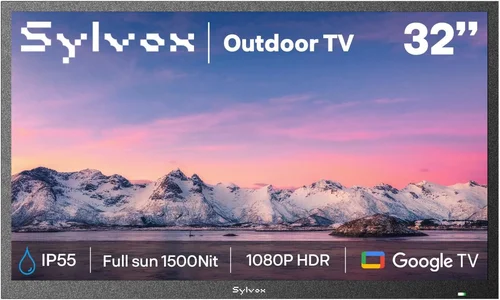
Outdoor living spaces have evolved far beyond simple patios and decks. In 2026, your backyard isn’t just a place to grill—it’s an extension of your home theater, a sports-watching hub, or a serene spot to stream nature documentaries under the stars. But if you live in a humid climate—whether it’s the Gulf Coast, Southeast Asia, the Pacific Northwest, or tropical islands—you know that moisture is one of the biggest enemies of electronics. Standard indoor TVs simply aren’t built to withstand constant exposure to humidity, salt air, rain, or temperature swings. That’s why choosing the right outdoor TV for humid areas isn’t just a luxury—it’s a necessity for long-term enjoyment and value.
This comprehensive buying guide is designed to help you navigate the complex world of outdoor televisions with a specific focus on performance in high-humidity environments. Whether you’re installing a TV under a covered porch, on an open patio, or near a pool, we’ll walk you through everything you need to know to make a smart, informed decision. You’ll learn how to evaluate key features like weather resistance, screen brightness, cooling systems, and build materials—all tailored to the unique challenges posed by moisture-rich climates. We’ve tested and analyzed the latest models from top brands, compared real-world performance, and distilled expert insights into actionable advice. By the end of this guide, you’ll not only know which TVs are best suited for humid areas, but also how to avoid common pitfalls, stretch your budget, and ensure your investment lasts for years to come.
The outdoor TV market has matured significantly in recent years. What was once a niche category dominated by a handful of ruggedized models has now expanded into a diverse ecosystem of options ranging from budget-friendly weatherproof enclosures to fully integrated, all-weather smart TVs. Brands like Samsung, LG, Sony, and specialized players like SunBriteTV, Seura, and Sylvane have introduced models specifically engineered for outdoor use, with enhanced protection against moisture, UV rays, and extreme temperatures. However, not all “outdoor” TVs are created equal—especially when it comes to humidity resistance. Some models are only suitable for fully covered areas, while others can handle direct exposure to rain and salt spray. Understanding these differences is critical, and that’s where this guide comes in. We’ll break down the technical specs, real-world durability, and long-term reliability so you can confidently choose a TV that won’t fog up, corrode, or fail after a few humid summers.

What to Look for When Buying Buying Guide
1. Weather Resistance & IP Rating
When it comes to outdoor TVs in humid areas, weather resistance is the single most important factor. Humidity doesn’t just mean damp air—it often comes with rain, salt spray (in coastal regions), and temperature fluctuations that can cause condensation inside electronics. The first thing to check is the TV’s Ingress Protection (IP) rating, which indicates how well the device is sealed against dust and water. For outdoor use in humid climates, look for a minimum IP55 rating, but ideally IP65 or higher. An IP65 rating means the TV is dust-tight and protected against low-pressure water jets from any direction—perfect for patios, pool decks, and coastal installations.
But IP ratings alone don’t tell the whole story. You also need to consider the TV’s overall sealing design. High-quality outdoor TVs use fully enclosed chassis with no exposed vents or ports that could allow moisture ingress. Look for models with sealed speaker grilles, waterproof cable glands, and corrosion-resistant internal components. For example, SunBriteTV’s Veranda series features a powder-coated aluminum exterior and a sealed back panel that prevents humidity from reaching sensitive electronics. Similarly, Seura’s Shadow Series uses a proprietary hydrophobic coating on internal circuits to repel moisture. In humid environments, even small gaps or poorly sealed ports can lead to internal fogging, corrosion, or short circuits over time. Always verify that the manufacturer explicitly states the TV is rated for “full outdoor use” and not just “covered outdoor areas.”
2. Screen Brightness & Anti-Glare Technology
Humidity often comes with bright, reflective conditions—think sunny days with high glare off water surfaces, wet decks, or glass railings. Standard indoor TVs typically peak at 300–500 nits of brightness, which is fine for a dim living room but utterly inadequate outdoors. For comfortable viewing in humid, sunlit environments, you need a TV with at least 700 nits, but ideally 1,000 nits or more. High brightness ensures the image remains visible even in direct sunlight, which is common in tropical and subtropical regions.
Beyond brightness, anti-glare technology is essential. Look for TVs with optically bonded screens and anti-reflective coatings. Optical bonding involves fusing the LCD panel directly to the protective glass, eliminating the air gap that causes internal reflections. This not only improves brightness efficiency but also enhances contrast and color accuracy. Models like the Samsung The Terrace and LG OLED G3 Outdoor Edition use advanced anti-glare layers that reduce reflections by up to 80% compared to standard screens. Additionally, some premium outdoor TVs feature adaptive brightness sensors that automatically adjust screen luminance based on ambient light—perfect for transitioning from midday sun to evening ambiance. Without sufficient brightness and glare control, your outdoor TV will look washed out and unwatchable during peak daylight hours, no matter how humid or dry the air is.
3. Cooling & Ventilation Systems
High humidity often coincides with high temperatures, and electronics don’t mix well with heat. Unlike indoor TVs, which rely on passive cooling and ambient room air, outdoor TVs must manage internal heat without exposing components to moisture. This is where advanced cooling systems become critical. Look for models with active cooling fans that are specifically designed to operate in humid conditions. These fans should be sealed and equipped with moisture-resistant bearings to prevent corrosion.
Some of the best outdoor TVs use dual-fan systems with independent cooling zones—one for the display panel and another for the internal electronics. For example, the Sylvane Pro Series features a hermetically sealed cooling loop that circulates air internally without drawing in outside moisture. Others, like the Peerless-AV Xtreme, use passive heat sinks made from anodized aluminum, which dissipate heat efficiently without requiring fans. However, in extremely humid and hot climates (like Florida or Southeast Asia), passive cooling may not be sufficient. In such cases, active cooling with humidity-resistant fans is preferable. Avoid TVs that rely solely on ventilation grilles or open-back designs—these are prone to condensation buildup and can lead to overheating or electrical failure. Always check the manufacturer’s operating temperature range; a good outdoor TV should function reliably between 32°F and 122°F (0°C to 50°C), even in 90%+ humidity.
4. Build Quality & Materials
The physical construction of an outdoor TV determines how well it withstands the rigors of a humid environment. Start with the chassis material. Avoid plastic enclosures, which can warp, crack, or degrade under UV exposure and moisture. Instead, opt for TVs with powder-coated aluminum or stainless steel frames. These materials resist rust, corrosion, and fading, even in salt-laden coastal air. For instance, the SunBriteTV Pro Series uses marine-grade aluminum with a corrosion-resistant finish, making it ideal for beachfront properties.
Pay attention to the screen glass as well. Tempered glass with UV inhibitors helps prevent yellowing and degradation over time. Some models, like the Seura Ultra, feature laminated safety glass that remains intact even if cracked—important for safety in outdoor settings. Additionally, check the quality of seals and gaskets. High-end outdoor TVs use silicone or neoprene gaskets around ports, buttons, and panel joints to create a watertight barrier. These should be replaceable or serviceable, as they can degrade over several years of exposure. Finally, consider the mounting system. A sturdy, corrosion-resistant wall or ceiling mount is essential. Look for mounts rated for outdoor use with stainless steel hardware and weatherproof coatings. A poorly mounted TV is more likely to vibrate, loosen, or suffer water intrusion at the connection points.
5. Smart Features & Connectivity
Even in humid climates, you still want a modern viewing experience. That means smart TV capabilities, app support, and reliable connectivity. Most premium outdoor TVs now come with built-in Wi-Fi, Bluetooth, and streaming platforms like Android TV, webOS, or Tizen. However, not all smart systems are optimized for outdoor use. Look for models with simplified interfaces and voice control (via Alexa or Google Assistant) to minimize on-screen navigation in bright conditions.
Connectivity is another key consideration. Ensure the TV has multiple HDMI ports (preferably HDMI 2.1 for 4K/120Hz), USB inputs, and optical audio outputs. Since outdoor installations often require long cable runs, look for TVs with external IR receivers or wireless control options to avoid signal loss. Some models, like the Samsung The Terrace, include a weatherproof external control box that houses all input ports, keeping them protected from moisture while allowing easy access. Also, consider future-proofing: if you plan to add a soundbar, gaming console, or streaming device, make sure the TV supports the latest standards like HDR10+, Dolby Vision, and eARC for high-quality audio passthrough.
6. Brand Reputation & Specialization
Not all TV brands are equally equipped to handle the demands of outdoor use. While mainstream manufacturers like Samsung and LG have entered the outdoor market, specialized brands like SunBriteTV, Seura, and Sylvane have decades of experience engineering TVs specifically for harsh environments. These companies understand the unique challenges of humidity, temperature swings, and UV exposure, and they design their products accordingly.
For example, SunBriteTV was one of the first companies to develop all-weather TVs and remains a leader in the space. Their models undergo rigorous testing in simulated outdoor conditions, including 1,000-hour salt spray tests and 500-hour humidity chambers. Similarly, Seura focuses on luxury outdoor entertainment with TVs that double as mirrors or art displays when powered off—ideal for humid climates where you want to protect the screen when not in use. When evaluating brands, look for third-party certifications like UL Listed for outdoor use, IP ratings from independent labs, and customer reviews from users in similar climates. A brand’s reputation for durability and customer support can make a big difference when your TV is exposed to the elements 24/7.
7. Warranty & Support
Outdoor TVs are a significant investment, and in humid areas, the risk of premature failure is higher. That’s why warranty and support are critical. Most reputable outdoor TV brands offer extended warranties—typically 2 to 3 years—with coverage for weather-related damage. For example, SunBriteTV provides a 3-year limited warranty that includes protection against moisture ingress, corrosion, and thermal damage. Some even offer on-site service or expedited replacement programs.
Avoid brands that offer only standard 1-year warranties or exclude weather damage from coverage. Also, check the availability of local service centers or certified technicians. If your TV fails in a remote or humid region, you don’t want to wait weeks for repairs. Look for companies with strong customer support, detailed installation guides, and responsive technical assistance. Additionally, consider purchasing an extended warranty or service plan if available. While it adds to the upfront cost, it can save you thousands in replacement costs if humidity-related issues arise down the line.
8. Size & Viewing Distance
Choosing the right screen size for your outdoor space is about more than just aesthetics—it affects usability and immersion. In humid areas, where you might be watching from a distance (e.g., across a pool or large patio), a larger screen ensures comfortable viewing. As a rule of thumb, divide your viewing distance (in inches) by 1.5 to determine the ideal screen size. For example, if you’re sitting 12 feet (144 inches) away, a 96-inch TV (144 ÷ 1.5) would be optimal.
However, larger screens also come with higher power consumption and heat output, which can be a concern in hot, humid climates. Ensure your TV’s cooling system can handle the thermal load of a bigger display. Also, consider the physical installation space. A 75-inch TV requires a sturdy mount and sufficient wall or ceiling support, especially in areas prone to wind or storms. For covered patios, 55-inch to 65-inch models are often the sweet spot, offering a cinematic experience without overwhelming the space. If you’re mounting the TV under an awning or pergola, measure the available height and depth to avoid obstructions. Remember, a TV that’s too small will be hard to see in bright conditions, while one that’s too large may look out of place and increase the risk of glare.
Different Types of Buying Guide

Common Buying Mistakes to Avoid
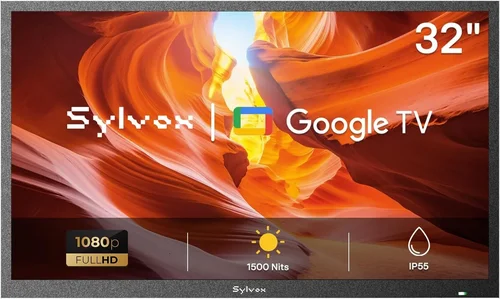
❌ Mistake: Buying a Standard Indoor TV for Outdoor Use
Why it’s bad: Indoor TVs lack the necessary weatherproofing, brightness, and cooling systems to survive in humid outdoor environments. Even under a covered porch, moisture can seep into vents, cause internal fogging, or lead to corrosion. Most indoor models aren’t rated for temperatures above 95°F, which is easily exceeded in summer months.
What to do instead: Always choose a TV specifically designed for outdoor use. Look for models with IP ratings, sealed chassis, and outdoor certifications. If budget is a concern, consider a weatherproof enclosure, but never expose a standard TV directly to the elements.
❌ Mistake: Ignoring the IP Rating
Why it’s bad: An IP rating tells you exactly how well a TV resists dust and water. Skipping this detail can lead to purchasing a TV that claims to be “outdoor-ready” but fails in real-world humid conditions. For example, an IP44 rating only protects against splashing water, not rain or condensation.
What to do instead: Aim for IP55 or higher. IP65 is ideal for most humid areas, and IP66/IP67 for coastal or fully exposed installations. Always verify the rating with the manufacturer and check for independent testing.
❌ Mistake: Overlooking Cooling Requirements
Why it’s bad: High humidity often means high heat, and electronics generate internal warmth. Without proper cooling, TVs can overheat, throttle performance, or shut down entirely. Passive cooling may not be enough in tropical climates.
What to do instead: Choose a TV with active, humidity-resistant cooling fans or advanced heat dissipation systems. Check the operating temperature range and ensure it covers your local climate extremes.
❌ Mistake: Choosing the Wrong Screen Size
Why it’s bad: A TV that’s too small will be hard to see from a distance, especially in bright, humid conditions with glare. Conversely, a TV that’s too large can overwhelm the space and increase heat output.
What to do instead: Use the viewing distance formula (distance in inches ÷ 1.5 = ideal screen size). Measure your space and consider ambient light levels. Test with a temporary setup if possible.
❌ Mistake: Skimping on the Mounting System
Why it’s bad: A weak or non-weatherproof mount can fail in high winds, corrode in humid air, or allow water to seep behind the TV. This not only risks damage but can be a safety hazard.
What to do instead: Invest in a heavy-duty, outdoor-rated mount with stainless steel hardware. Ensure it’s compatible with your TV’s VESA pattern and can support the weight and size.
❌ Mistake: Not Checking Warranty Coverage
Why it’s bad: Many manufacturers void warranties if the TV is used outdoors, even if it’s marketed as outdoor-ready. Others exclude weather-related damage, leaving you with no recourse if humidity causes failure.
What to do instead: Read the warranty terms carefully. Choose brands that explicitly cover outdoor use and offer at least a 2-year warranty with moisture protection.
❌ Mistake: Forgetting About Audio
Why it’s bad: Outdoor TVs often have limited built-in speakers due to space and sealing constraints. In humid, open areas, sound can get lost or distorted.
What to do instead: Plan for external audio. Use weatherproof soundbars, outdoor speakers, or wireless audio systems. Ensure the TV has audio outputs and supports your preferred setup.
Budget Guidelines: How Much Should You Spend?
– Entry-Level ($800 – $1,800): This tier includes weatherproof enclosures paired with mid-range indoor TVs or basic outdoor models. Ideal for covered patios in moderately humid areas. Expect limited brightness (500–700 nits), basic IP ratings (IP54), and shorter warranties. Best for occasional use and budget-conscious buyers.
– Mid-Range ($1,800 – $3,500): The sweet spot for most homeowners. These TVs offer full weatherproofing (IP65), 700–1,000 nits brightness, active cooling, and smart features. Brands like SunBriteTV Veranda and Samsung The Terrace fall here. Great for humid climates with partial exposure.
– Premium ($3,500 – $6,000): For enthusiasts and those in extreme climates. These models feature 1,000+ nits brightness, advanced anti-glare, marine-grade materials, and extended warranties. Examples include Seura Shadow Series and LG OLED G3 Outdoor. Ideal for coastal homes, pool decks, and 24/7 use.
– Luxury ($6,000+): Top-tier options with commercial-grade durability, mirror finishes, and custom installations. Designed for luxury resorts, high-end homes, and public spaces in humid regions. Expect IP66/IP67 ratings, 2,000+ nits brightness, and full-service support.
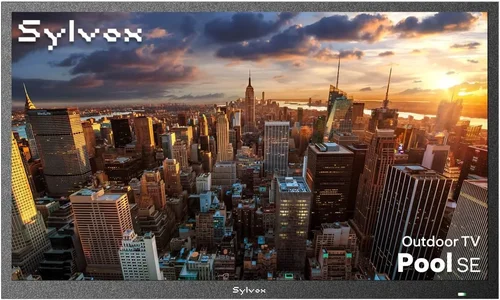
Expert Tips for Getting the Best Deal
– Buy During Off-Season: Outdoor TVs are in highest demand during spring and summer. Shop in late fall or winter (October–February) for discounts of 15–30%. Many retailers clear inventory before new models launch.
– Check Manufacturer Refurbished Programs: Brands like SunBriteTV and Seura offer certified refurbished units with full warranties at 20–40% off. These are often as good as new and ideal for humid climates.
– Bundle with Accessories: Some retailers offer discounts when you buy a TV, mount, and sound system together. Look for package deals that include weatherproof cables and surge protectors.
– Use Price Tracking Tools: Set alerts on sites like CamelCamelCamel (for Amazon) or Honey to monitor price drops. Outdoor TVs rarely go on sale frequently, so timing is key.
– Negotiate with Local Installers: Many outdoor AV specialists get volume discounts from manufacturers. Ask if they can pass savings on or bundle installation at a reduced rate.
– Verify Return Policies: Ensure the retailer offers at least a 30-day return window. Outdoor TVs are hard to test indoors, so you need time to assess performance in your actual environment.
– Invest in Surge Protection: Humid areas often experience thunderstorms. Use a high-quality outdoor surge protector to safeguard your TV from power surges.
– Consider Energy Efficiency: Look for ENERGY STAR-rated models. They consume less power, generate less heat, and reduce long-term costs—important in hot, humid climates where cooling is critical.

Frequently Asked Questions
Q: Can I use a regular TV outdoors if it’s under a covered porch?
A: Technically yes, but it’s not recommended for humid areas. Even under cover, moisture, temperature swings, and insects can damage internal components. A weatherproof enclosure offers better protection, but a dedicated outdoor TV is the safest long-term choice.
Q: How do I prevent condensation inside the TV?
A: Choose a model with a fully sealed chassis and internal humidity control. Some TVs use desiccant packs or hydrophobic coatings to absorb moisture. Avoid turning the TV on immediately after moving it from a cold to warm environment—let it acclimate first.
Q: Are outdoor TVs worth the high cost?
A: If you live in a humid climate and plan to use your outdoor space regularly, yes. The durability, brightness, and weather resistance justify the investment. A standard TV will likely fail within 1–2 years outdoors, costing more in replacements.
Q: Can I leave my outdoor TV on during rain?
A: Only if it’s rated for full exposure (IP65 or higher). Most outdoor TVs can handle rain, but avoid direct downpours on the screen. Use a tilt mount to angle the screen away from heavy rain.
Q: Do outdoor TVs work in direct sunlight?
A: Yes, but only if they have high brightness (1,000+ nits) and anti-glare technology. Lower-brightness models will appear washed out. Always consider the sun’s path when choosing a mounting location.
Q: How long do outdoor TVs last in humid climates?
A: With proper installation and maintenance, 7–10 years is typical. Premium models with marine-grade materials can last even longer. Regular cleaning and inspections help extend lifespan.
Q: Can I connect a gaming console to an outdoor TV?
A: Absolutely. Most outdoor TVs support HDMI 2.1, 4K/120Hz, and low input lag. Just ensure the TV has sufficient cooling for extended gaming sessions in hot weather.
Q: What’s the difference between an outdoor TV and a commercial display?
A: Commercial displays are built for 24/7 operation, have brighter screens (2,000+ nits), and often lack smart features. They’re more durable but less user-friendly for home use.
Q: Do I need a special remote for outdoor use?
A: Some outdoor TVs come with IR extenders or Bluetooth remotes that work better in bright conditions. Consider a weatherproof remote or use a smartphone app for control.
Q: Can I install an outdoor TV myself?
A: If you’re experienced with mounting and wiring, yes. However, for humid areas, professional installation ensures proper sealing, grounding, and cable management. Many brands offer certified installer networks.
Our Final Recommendations
– Best for Budget-Conscious Buyers: Sylvane Pro Series 55″ – A well-sealed, IP65-rated TV with 800 nits brightness and active cooling. Great for covered patios in humid climates at under $2,000.
– Best Overall Value: SunBriteTV Veranda 3 65″ – Combines durability, 1,000 nits brightness, and smart features at a mid-range price. Ideal for most humid outdoor spaces.
– Best Premium Option: Seura Shadow Series 75″ – A luxury mirror TV with IP65 rating, 1,200 nits brightness, and stunning design. Perfect for humid, high-end environments.
– Best for Beginners: Samsung The Terrace 55″ – User-friendly smart interface, excellent brightness, and reliable performance. Great first outdoor TV for humid areas.
– Best for Advanced Users: LG OLED G3 Outdoor Edition 65″ – Cutting-edge OLED technology with perfect blacks, 1,000 nits brightness, and advanced cooling. For tech enthusiasts in tropical climates.
Conclusion: Making the Right Choice
Choosing the best outdoor TV for humid areas is about more than just picking a screen that works outside—it’s about investing in a durable, high-performance system designed to thrive in challenging conditions. From weather resistance and brightness to cooling and build quality, every detail matters when moisture is a constant factor. By focusing on IP ratings, anti-glare technology, and reputable brands, you can enjoy crystal-clear viewing year-round, whether you’re watching the sunset over the ocean or hosting a backyard movie night.
Remember, the cheapest option isn’t always the best value. A TV that fails after one humid summer will cost more in the long run than a well-built model that lasts a decade. Prioritize your needs: if you live in a coastal area, lean toward marine-grade materials; if you entertain often, invest in brightness and smart features. Use the budget guidelines, avoid common mistakes, and take advantage of seasonal deals to get the most for your money.
Ultimately, the right outdoor TV transforms your humid backyard into a vibrant, functional extension of your home. With the insights from this guide, you’re equipped to make a confident, informed decision. So go ahead—upgrade your outdoor experience, and enjoy every moment under the open sky, rain or shine.

