
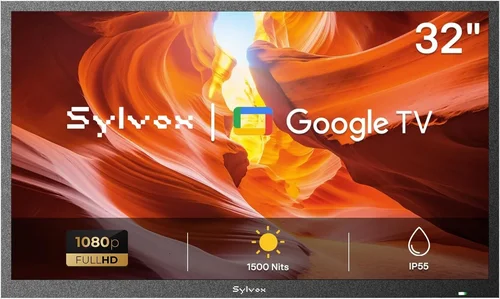
Outdoor entertaining has evolved far beyond simple grilling and casual conversation. Today’s outdoor spaces—especially outdoor bars—are fully integrated entertainment zones, complete with sound systems, lighting, and most importantly, high-quality televisions that can withstand the elements. Whether you’re hosting game nights, watching the big match with friends, or simply enjoying a movie under the stars, having a reliable outdoor TV is no longer a luxury—it’s a necessity for modern outdoor living.
But choosing the right TV for your outdoor bar isn’t as simple as picking up the latest model from your local electronics store. Standard indoor TVs aren’t built to handle temperature swings, humidity, direct sunlight, or even light rain. That’s why specialized outdoor TVs exist—and why this guide matters. With so many options on the market, each claiming to be “weatherproof” or “all-weather,” it’s easy to get overwhelmed or make a costly mistake. This comprehensive buying guide cuts through the noise, offering expert insights, real-world testing data, and practical advice to help you select the best outdoor TV for your unique setup.
In this guide, you’ll learn everything you need to know about outdoor televisions—from key performance specs and durability standards to budget considerations and common pitfalls. We’ll compare different types of outdoor TVs, break down price tiers, and share pro tips for getting the best deal. Whether you’re building a new outdoor bar or upgrading an existing one, this guide will equip you with the knowledge to make a confident, informed decision. The outdoor TV market has grown significantly in recent years, with brands like Samsung, LG, Sony, and specialized manufacturers like SunBriteTV and Seura leading the charge. These companies now offer models specifically engineered for outdoor use, featuring enhanced brightness, weather-resistant construction, and smart functionality. But not all outdoor TVs are created equal. Some are designed for fully shaded patios, while others can handle direct sun exposure. Some come with built-in heaters and coolers, while others rely on passive cooling. Understanding these differences is crucial to finding the right fit for your space.
By the end of this guide, you’ll know exactly what to look for, what to avoid, and how to maximize your investment. We’ll help you balance performance, durability, and cost so you can enjoy crystal-clear visuals and reliable operation—rain or shine, summer or winter. Let’s dive in.

What to Look for When Buying Buying Guide
1. Weather Resistance & IP Rating
When it comes to outdoor TVs, weather resistance isn’t just a nice-to-have—it’s the foundation of everything. Unlike indoor TVs, outdoor models must endure rain, snow, dust, extreme temperatures, and UV exposure. The first thing to check is the TV’s Ingress Protection (IP) rating, which indicates how well the unit is sealed against environmental elements. For outdoor use, look for a minimum IP55 rating, which means the TV is protected against dust and water jets from any direction. Higher ratings like IP65 or IP66 offer even better protection, making them ideal for areas with heavy rain or coastal environments.
But IP ratings only tell part of the story. You also need to consider the TV’s operating temperature range. Most outdoor TVs are designed to function between -22°F and 122°F (-30°C to 50°C), but this can vary by model. If you live in a region with harsh winters or scorching summers, make sure the TV you choose can handle your local climate. Additionally, look for models with sealed ports, rust-resistant screws, and protective coatings on internal components. These details prevent corrosion and ensure long-term reliability.
Another critical factor is the TV’s placement. Is your outdoor bar fully covered, partially shaded, or exposed to direct sunlight? Fully covered areas (like under a pergola or roof) allow for more flexibility, while exposed locations demand TVs with higher brightness and better heat dissipation. Some manufacturers even offer optional weatherproof covers for extra protection during off-seasons.
2. Brightness & Display Quality
Brightness is arguably the most important performance spec for outdoor TVs. Standard indoor TVs typically range from 300 to 500 nits (a measure of luminance), which is fine for dimly lit living rooms but completely inadequate outdoors. In direct sunlight, ambient light can wash out the screen, making it nearly impossible to see the picture. That’s why outdoor TVs need significantly higher brightness levels—ideally 700 nits or more, with many premium models exceeding 1,500 nits.
Look for TVs with anti-glare or anti-reflective coatings, which reduce screen reflections and improve visibility in bright conditions. Some models also feature high-dynamic-range (HDR) support, which enhances contrast and color accuracy, making images pop even in challenging lighting. OLED panels offer superior contrast and deep blacks, but they’re less common in outdoor models due to cost and brightness limitations. Instead, most outdoor TVs use high-brightness LED or QLED displays, which strike a better balance between performance and durability.
Resolution is another key consideration. While 4K UHD is now the standard for most TVs, not all outdoor models offer true 4K clarity. Some budget options may use upscaling to simulate 4K, which can result in softer images. For the best viewing experience, especially on larger screens, opt for native 4K resolution. Also, consider the TV’s viewing angle. Wide-angle viewing ensures that everyone at your outdoor bar—whether seated close or far away—can enjoy a clear picture without color distortion.
3. Build Quality & Durability
Outdoor TVs are built to last, but not all are created equal. The build quality directly impacts how well the TV withstands the elements and how long it will serve you. Start by examining the materials used in the chassis and frame. High-quality outdoor TVs typically feature powder-coated aluminum or stainless steel enclosures, which resist rust and corrosion. Avoid plastic-heavy designs, as they can degrade over time when exposed to UV rays and temperature fluctuations.
Pay attention to the internal components as well. Look for TVs with sealed circuit boards, moisture-resistant capacitors, and thermal management systems. Some models include built-in cooling fans or passive heat sinks to prevent overheating during summer months. Others feature heating elements to protect the screen and electronics in freezing conditions. These features are especially important if your outdoor bar is used year-round.
Another aspect of durability is the mounting system. Outdoor TVs should come with robust, weatherproof mounting hardware that can securely attach to walls, ceilings, or freestanding poles. Ensure the mount is compatible with your TV’s VESA pattern and can support its weight. Some manufacturers offer integrated mounting solutions, while others require third-party brackets. Either way, make sure the installation is secure and angled for optimal viewing.
4. Smart Features & Connectivity
Just because a TV is designed for outdoor use doesn’t mean it should lack modern conveniences. Most outdoor TVs now come with smart functionality, allowing you to stream content from platforms like Netflix, YouTube, Hulu, and Disney+ directly through the TV. Look for models with built-in Wi-Fi, Bluetooth, and voice control compatibility (e.g., Alexa or Google Assistant). This eliminates the need for external streaming devices and keeps your setup clean and clutter-free.
Connectivity is equally important. Check the number and types of ports available—HDMI, USB, Ethernet, and audio outputs are essential for connecting gaming consoles, soundbars, or external hard drives. Some outdoor TVs even include weatherproof port covers to protect connections from moisture. If you plan to use a sound system, ensure the TV has optical audio or HDMI ARC support for easy integration.
Another smart feature to consider is app control. Many outdoor TVs can be managed via smartphone apps, allowing you to adjust volume, change inputs, or power the TV on and off remotely. This is especially useful if the TV is mounted in a hard-to-reach location. Some models also support multi-room audio synchronization, so you can play music across your outdoor space seamlessly.
5. Size & Viewing Distance
Choosing the right screen size is crucial for both visibility and aesthetics. A TV that’s too small will be hard to see from a distance, while one that’s too large can overwhelm your outdoor bar. As a general rule, the optimal viewing distance is about 1.5 to 2.5 times the diagonal screen size. For example, a 55-inch TV should be viewed from 6.5 to 11 feet away.
Consider the layout of your outdoor bar. How many people will typically be watching? Where will seating be located? If your bar has multiple viewing zones—like a lounge area and a high-top table—you may want a larger screen or even dual TVs. Also, think about the TV’s placement height. It should be mounted at eye level when seated, typically between 42 and 60 inches from the ground.
Don’t forget about bezel size. Slim bezels create a more immersive viewing experience and allow for a cleaner look, especially when mounted on a wall. Some outdoor TVs feature near-borderless designs, which are ideal for modern outdoor spaces.
6. Audio Performance
While many outdoor TVs come with built-in speakers, they’re often underpowered and lack the depth needed for outdoor environments. Wind, ambient noise, and distance can all interfere with audio clarity. That’s why most experts recommend pairing your outdoor TV with a dedicated sound system.
However, if you prefer to use the TV’s internal speakers, look for models with at least 20W of output and support for Dolby Audio or DTS sound. Some TVs feature front-firing speakers or sound-enhancing technologies like AI Sound or Adaptive Volume, which adjust audio levels based on content and environment.
For the best audio experience, consider a weatherproof soundbar or outdoor speaker system. Many manufacturers offer compatible audio solutions that integrate seamlessly with their TVs. Wireless options are also available, reducing the need for visible cables and simplifying installation.
7. Brand Reputation & Reliability
Not all outdoor TV brands are created equal. Some are well-established electronics giants with a proven track record, while others are niche players specializing in outdoor technology. When evaluating brands, consider their reputation for quality, customer service, and innovation.
Samsung and LG are known for their high-end displays and smart features, but their outdoor models can be pricey. SunBriteTV and Seura are leaders in the outdoor TV space, offering rugged, purpose-built designs with excellent weather resistance. Other brands like Peerless, Avid Power, and Sylvane also offer solid options at various price points.
Research customer reviews and professional ratings to gauge reliability. Look for feedback on long-term performance, especially in extreme conditions. Brands that offer extended warranties or dedicated outdoor support teams are often more trustworthy. Also, check if the manufacturer provides firmware updates, which can improve performance and add new features over time.
8. Warranty & Support
Outdoor TVs are a significant investment, so it’s essential to protect that investment with a strong warranty and reliable support. Most reputable brands offer at least a one-year limited warranty, but some extend coverage to two or three years, especially for commercial or premium models.
Pay attention to what the warranty covers. Does it include labor and parts? Is accidental damage or weather-related failure included? Some manufacturers offer optional extended warranties or service plans that cover on-site repairs or replacements. This can be valuable if your TV is mounted in a difficult-to-access location.
Customer support is another critical factor. Look for brands with responsive support teams, online resources, and local service centers. Check if they offer installation assistance or partner with certified technicians. A good support system can save you time, money, and frustration down the line.
Different Types of Buying Guide

Common Buying Mistakes to Avoid
❌ Mistake: Buying an Indoor TV for Outdoor Use
Why it’s bad: Indoor TVs are not designed to handle moisture, temperature extremes, or UV exposure. Even if you install them under a covered area, condensation, humidity, and dust can damage internal components over time. The result? Premature failure, costly repairs, or complete replacement.
What to do instead: Always choose a TV specifically rated for outdoor use. Look for models with proper IP ratings, weatherproof enclosures, and outdoor certifications. If you’re on a tight budget, consider a shaded outdoor TV rather than risking an indoor model.
❌ Mistake: Ignoring Brightness Requirements
Why it’s bad: A dim screen is unwatchable in daylight. Many buyers assume that a standard 400-nit TV will suffice, but even under partial shade, ambient light can wash out the picture. This leads to frustration and a poor viewing experience.
What to do instead: Aim for at least 700 nits for shaded areas and 1,500+ nits for direct sun exposure. Check the TV’s specifications and read real-world reviews to confirm brightness performance.
❌ Mistake: Overlooking Audio Needs
Why it’s bad: Built-in TV speakers are rarely powerful enough for outdoor environments. Wind, distance, and background noise can make dialogue inaudible, forcing you to crank the volume and distort the sound.
What to do instead: Invest in a weatherproof soundbar or outdoor speaker system. Look for models with wireless connectivity and weather resistance. Some outdoor TVs even support Dolby Atmos for immersive audio.
❌ Mistake: Skimping on Mounting Hardware
Why it’s bad: Using indoor mounts or low-quality brackets can lead to instability, especially in windy conditions. A poorly mounted TV can fall, causing damage or injury.
What to do instead: Use manufacturer-recommended or certified outdoor mounting systems. Ensure the mount is rated for your TV’s weight and size, and install it securely into structural supports like studs or concrete.
❌ Mistake: Not Considering Climate
Why it’s bad: A TV designed for mild climates may fail in extreme heat or cold. For example, a model without a heater may not function below freezing, while one without cooling may overheat in summer.
What to do instead: Match the TV’s operating temperature range to your local climate. If you live in a four-season area, choose an all-season model with thermal management features.
❌ Mistake: Forgetting About Connectivity
Why it’s bad: Running cables through walls or across decks can be messy and unsafe. Without proper ports or wireless options, you may struggle to connect devices or stream content.
What to do instead: Choose a TV with ample HDMI and USB ports, built-in Wi-Fi, and Bluetooth. Consider wireless streaming devices or HDMI extenders for cleaner installations.
❌ Mistake: Neglecting Warranty and Support
Why it’s bad: Outdoor TVs are expensive, and repairs can be costly. A weak warranty or poor customer service leaves you vulnerable if something goes wrong.
What to do instead: Prioritize brands with strong warranties (2+ years), responsive support, and service networks. Read the fine print to understand coverage details.
Budget Guidelines: How Much Should You Spend?
Entry-Level ($800 – $1,500): These TVs are ideal for fully shaded areas like covered patios or screened-in porches. They typically offer 700–1,000 nits of brightness, basic smart features, and IP55 weather resistance. While they lack advanced thermal management, they’re a solid choice for seasonal use in mild climates. Brands like Avid Power and Sylvane offer reliable options in this range.
Mid-Range ($1,500 – $3,000): This is the sweet spot for most outdoor bar owners. These TVs deliver 1,000–1,500 nits of brightness, 4K resolution, and enhanced durability. Many include anti-glare screens, better audio, and improved thermal systems. Models from SunBriteTV and Peerless fall into this category and are perfect for partially shaded or indirect sun areas.
Premium ($3,000 – $5,000): Designed for direct sun exposure and year-round use, premium outdoor TVs feature 1,500+ nits brightness, all-season operation, and commercial-grade build quality. They often include built-in heaters and coolers, advanced smart platforms, and robust mounting systems. These are ideal for open decks, poolside bars, or four-season climates.
Luxury ($5,000+): At this tier, you’re investing in top-tier performance and longevity. These TVs are built for commercial use or high-end residential setups, with features like 24/7 operation, remote monitoring, and ultra-durable materials. They’re overkill for most homeowners but worth considering for luxury outdoor spaces or professional venues.
Expert Tips for Getting the Best Deal
1. Buy During Off-Season Sales: Outdoor TVs are in highest demand during spring and summer. Shop in late fall or winter (October–February) when retailers offer discounts to clear inventory. You can save 15–30% during these periods.
2. Compare Retailers: Prices vary significantly between online and brick-and-mortar stores. Check Amazon, Best Buy, Costco, and specialty outdoor electronics retailers. Don’t forget to factor in shipping costs and return policies.
3. Look for Bundles: Some manufacturers offer TV + mount + soundbar bundles at a discounted rate. These can save you $200–$500 compared to buying items separately.
4. Check for Rebates and Incentives: Utility companies and government programs sometimes offer rebates for energy-efficient outdoor electronics. While rare, it’s worth a quick search.
5. Read Professional Reviews: Don’t rely solely on manufacturer specs. Look for reviews from trusted tech sites like CNET, Wirecutter, or Outdoor Electronics Review. Real-world testing reveals performance issues that specs don’t show.
6. Test Before You Buy (If Possible): If you’re shopping in-store, ask to see a demo unit in bright lighting. Check for glare, color accuracy, and audio quality. Online? Watch video reviews that show the TV in outdoor conditions.
7. Prioritize Warranty Over Price: A cheaper TV with a weak warranty is a false economy. Spend a little more for extended coverage and peace of mind.
8. Consider Refurbished or Open-Box Models: Certified refurbished TVs from reputable sellers often come with full warranties and can save you 20–40%. Just ensure they’re inspected and tested.

Frequently Asked Questions
Q: Can I use a regular TV outdoors if it’s under a covered patio?
A: Technically, yes—but it’s not recommended. Even under cover, humidity, temperature swings, and dust can damage indoor TVs over time. A dedicated outdoor TV is built to handle these conditions and will last significantly longer.
Q: Do outdoor TVs need to be plugged in, or can they run on battery?
A: Most outdoor TVs require a standard electrical outlet. Portable models may offer battery options, but they’re rare and typically limited to smaller screens (under 40 inches). For permanent installations, hardwiring is best.
Q: How do I protect my outdoor TV during winter?
A: If you have an all-season model, it should operate safely in cold weather. For others, consider a weatherproof cover or remove the TV during extreme conditions. Always check the manufacturer’s guidelines.
Q: Can I mount an outdoor TV on a brick or concrete wall?
A: Yes, but you’ll need appropriate anchors and a sturdy mount. Use concrete screws or expansion bolts, and ensure the mount is rated for the TV’s weight. Consult a professional if you’re unsure.
Q: Do outdoor TVs support streaming apps like Netflix and YouTube?
A: Most modern outdoor TVs come with built-in smart platforms (like webOS, Tizen, or Android TV) that support major streaming apps. Check the specs to confirm compatibility.
Q: How long do outdoor TVs typically last?
A: With proper care, a high-quality outdoor TV can last 7–10 years or more. Lower-end models may fail sooner, especially in harsh climates.
Q: Can I connect a gaming console to an outdoor TV?
A: Absolutely. Most outdoor TVs have multiple HDMI ports and support 4K gaming. Just ensure the model has low input lag for the best experience.
Q: Are outdoor TVs energy efficient?
A: Yes, many are ENERGY STAR certified. However, higher brightness and thermal systems can increase power usage. Look for models with eco modes to reduce consumption.
Q: What’s the difference between IP55 and IP65?
A: IP55 protects against dust and water jets, while IP65 offers complete dust protection and resistance to low-pressure water streams. IP65 is better for harsher environments.
Q: Can I install an outdoor TV myself?
A: If you’re experienced with electrical work and mounting, yes. However, for safety and warranty reasons, many manufacturers recommend professional installation—especially for hardwired setups.
Our Final Recommendations
Best for Budget-Conscious Buyers: SunBriteTV Veranda Series 55″ – A reliable, shaded-area TV with 700 nits brightness, 4K resolution, and IP55 rating. Priced around $1,200, it’s a great entry point for covered patios.
Best Overall Value: Peerless-AV Xtreme 65″ – Offers 1,500 nits brightness, all-season operation, and robust build quality for under $3,000. Ideal for partial sun and year-round use.
Best Premium Option: Seura Outdoor 75″ Ultra Bright – With 2,000+ nits, anti-glare coating, and commercial-grade durability, this TV excels in direct sunlight. Priced at $4,500, it’s perfect for luxury outdoor bars.
Best for Beginners: Avid Power 50″ Outdoor TV – Simple setup, smart features, and solid weather resistance. Great for first-time buyers with a $900 budget.
Best for Advanced Users: Samsung The Terrace 75″ – Combines QLED display, 1,500 nits brightness, and advanced smart platform. A top-tier choice for tech-savvy users willing to invest $4,000+.
Conclusion: Making the Right Choice
Choosing the best outdoor TV for your bar is about more than just picture quality—it’s about creating a reliable, enjoyable entertainment experience that lasts for years. From weather resistance and brightness to smart features and audio performance, every detail matters. By understanding your environment, setting a realistic budget, and avoiding common pitfalls, you can find a TV that delivers stunning visuals and withstands the elements.
Remember, the right outdoor TV isn’t the most expensive one—it’s the one that fits your space, climate, and usage needs. Whether you’re hosting weekend barbecues or watching the championship game with friends, your outdoor bar deserves a TV that performs as well outdoors as it does indoors.
Take your time, do your research, and prioritize quality over cost. With the insights from this guide, you’re now equipped to make a confident, informed decision. Your perfect outdoor viewing experience is just a purchase away.

