
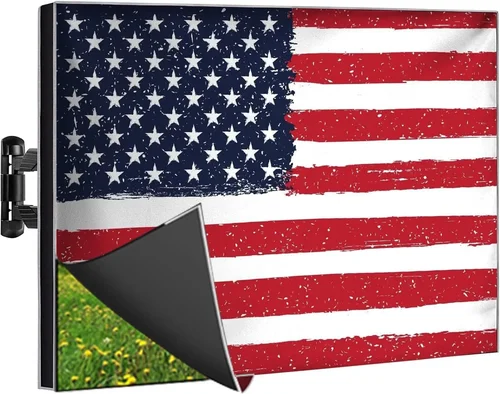
Outdoor living spaces have evolved dramatically over the past decade. What used to be simple patios or decks are now fully functional entertainment zones—complete with grills, sound systems, and even full-sized televisions. But if you live in a windy area—whether it’s a coastal home in Southern California, a mountain cabin in Colorado, or a breezy lakeside retreat in the Midwest—you know that standard indoor TVs simply won’t cut it. Wind, rain, dust, and temperature swings can wreak havoc on unprotected electronics. That’s where weatherproof TVs come in.
This comprehensive buying guide is designed to help you navigate the often-confusing world of outdoor televisions, especially if you’re dealing with high-wind conditions. Whether you’re installing a TV under a covered patio, on an open deck, or mounted above a fire pit, this guide will walk you through everything you need to know—from build quality and mounting requirements to performance specs and budget considerations. By the end, you’ll have the confidence to choose a TV that not only survives the elements but delivers a stunning viewing experience year-round.
The market for weatherproof TVs has grown significantly, with brands like Samsung, LG, SunBriteTV, and Seura leading the charge. However, not all “outdoor” TVs are created equal—especially when it comes to wind resistance. Some models are built for light weather protection, while others are engineered to withstand gale-force winds, salt air, and extreme temperatures. In this guide, we’ll cut through the marketing noise and focus on what truly matters for windy environments: structural integrity, secure mounting, durability, and performance under stress.

What to Look for When Buying Buying Guide
1. Wind Resistance & Mounting Stability
When you’re in a windy area, the most critical factor isn’t just whether the TV is waterproof—it’s whether it can stay securely mounted during strong gusts. A weatherproof TV must be paired with a robust mounting system designed for outdoor use. Look for VESA-compatible mounts rated for outdoor conditions, preferably made from powder-coated aluminum or stainless steel to resist rust and corrosion.
The TV itself should have a low-profile, aerodynamic design to reduce wind resistance. Avoid bulky bezels or protruding components that can catch wind. Some manufacturers offer optional wind-resistant mounting kits or reinforced brackets specifically for high-wind zones. Always check the manufacturer’s wind load rating—this indicates the maximum wind speed the mounted TV can safely endure. For coastal or mountainous regions, aim for a rating of at least 90 mph or higher.
2. Build Quality & Durability
Weatherproof TVs aren’t just splash-resistant—they’re built like tanks. The enclosure should be fully sealed with an IP55 or higher rating, meaning it’s protected against dust and low-pressure water jets from any direction. Look for models with aluminum or composite housings that resist UV degradation, warping, and corrosion. Avoid plastic enclosures, which can become brittle over time when exposed to sunlight and temperature fluctuations.
Internal components are equally important. High-quality weatherproof TVs use conformal-coated circuit boards and sealed connectors to prevent moisture ingress. The screen should be made of tempered glass with anti-reflective coating to maintain visibility in bright conditions. In windy areas, where debris like sand or leaves can be blown around, a durable front panel is essential to prevent scratches and cracks.
3. Performance Specifications
Don’t sacrifice picture quality for durability. A good weatherproof TV should deliver bright, clear images even in direct sunlight. Look for a minimum brightness of 700 nits—ideally 1000 nits or more—for outdoor visibility. High dynamic range (HDR) support, such as HDR10 or Dolby Vision, enhances contrast and color accuracy, making content pop even in challenging lighting.
Refresh rate matters too. A 120Hz panel provides smoother motion, which is especially noticeable during sports or action movies. Input lag should be under 20ms for gaming, and HDMI 2.1 support ensures compatibility with next-gen consoles. While most outdoor TVs prioritize brightness over deep blacks (due to ambient light), models with local dimming or OLED technology (like the LG Outdoor OLED) offer superior contrast when used in shaded areas.
4. Weatherproof Certification & Ratings
Not all “outdoor” TVs meet the same standards. Look for certifications like IP55, IP65, or IP66, which indicate protection against dust and water. IP55 means the TV can handle light rain and dust, while IP65 offers full dust protection and resistance to water jets. For windy coastal areas with salt spray, IP66 is ideal—it protects against powerful water jets and is better suited for harsh marine environments.
Additionally, check if the TV is UL-listed for outdoor use. This certification ensures the unit meets safety standards for electrical components in exposed environments. Some manufacturers also provide climate range specifications—look for models that operate between -30°F and 120°F (-34°C to 49°C) to handle seasonal extremes.
5. Size & Viewing Distance
Choosing the right screen size depends on your viewing distance and installation location. For patios 6–8 feet away, a 43-inch to 55-inch TV is ideal. For larger decks or outdoor rooms 10–15 feet away, consider 65-inch or 75-inch models. However, in windy areas, larger screens can act like sails, increasing wind load on the mount.
To balance size and stability, consider a slightly smaller screen with a stronger mount, or use a wall-mounted arm with a counterbalance system. Also, ensure the TV is installed in a sheltered location—under an eave, pergola, or retractable awning—to reduce direct wind exposure. Avoid corner installations where wind can funnel and create turbulence.
6. Connectivity & Smart Features
Modern weatherproof TVs come with full smart functionality, including built-in Wi-Fi, Bluetooth, and voice assistants like Alexa or Google Assistant. Look for models with multiple HDMI ports (at least 3), USB inputs, and support for streaming apps like Netflix, YouTube, and Disney+. Some outdoor TVs include weather-resistant cable glands to protect connections from moisture.
For windy areas, wireless connectivity is a plus—it reduces the need for long cable runs that can be damaged by wind or rodents. If you plan to use external devices like a soundbar or streaming box, ensure the TV has enough space and ventilation for accessories. Some models offer optional outdoor-rated soundbars that mount directly to the TV.
7. Brand Reputation & Reliability
Not all outdoor TV brands are equal. Established names like SunBriteTV, Seura, and Samsung have years of experience engineering TVs for harsh environments. These brands invest in R&D to improve durability, brightness, and thermal management. Cheaper alternatives may look similar but often cut corners on materials and sealing.
Read professional reviews and user feedback, especially from customers in similar climates. Look for brands that offer transparent specifications and real-world testing data. Avoid no-name brands that lack customer support or warranty coverage. A reputable brand may cost more upfront but saves money in the long run by avoiding premature failure.
8. Warranty & Support
A strong warranty is a sign of confidence in product durability. Most premium weatherproof TVs come with a 2- to 3-year warranty, covering defects, water damage, and component failure. Some brands, like SunBriteTV, offer extended warranties or service plans for commercial installations.
Check what the warranty includes—does it cover mounting hardware? What about labor for repairs? Is on-site service available? In windy areas, where installation can be complex, having reliable customer support is crucial. Avoid brands with limited service networks or vague warranty terms.
Different Types of Buying Guide

Common Buying Mistakes to Avoid
❌ Mistake: Buying an Indoor TV for Outdoor Use
Why it’s bad: Indoor TVs lack weatherproofing and can short-circuit, overheat, or suffer screen damage from moisture, dust, or UV exposure. In windy areas, they’re also more likely to be dislodged from mounts.
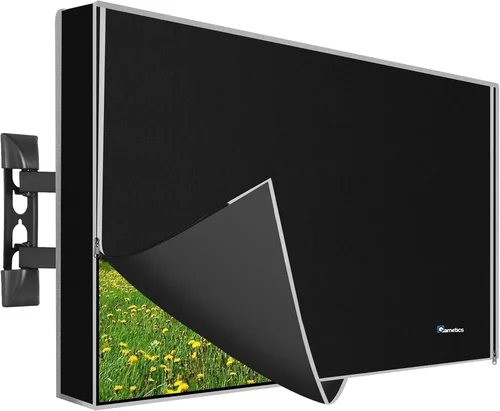
What to do instead: Invest in a TV specifically designed for outdoor use or pair an indoor TV with a certified outdoor enclosure. Never assume a TV labeled “weather-resistant” is fully protected.
❌ Mistake: Ignoring Mounting Requirements
Why it’s bad: A weak or improperly installed mount can fail in high winds, causing the TV to fall and potentially injure someone or damage property.
What to do instead: Use a heavy-duty, outdoor-rated mount with a wind load rating that exceeds your local wind speeds. Secure it to a solid wall or beam, not siding or drywall. Consider professional installation.
❌ Mistake: Overlooking Brightness Needs
Why it’s bad: A dim screen will be washed out in sunlight, making it unusable during the day. Many buyers regret choosing a TV with only 500 nits brightness.
What to do instead: Choose a TV with at least 700 nits, preferably 1000+ nits for full sun exposure. Test the screen in similar lighting conditions if possible.
❌ Mistake: Skimping on Warranty Coverage
Why it’s bad: Outdoor TVs are expensive, and repairs can be costly. A short or limited warranty leaves you vulnerable to unexpected failures.
What to do instead: Opt for a model with a 2- to 3-year comprehensive warranty. Check if it covers environmental damage and includes labor costs.
❌ Mistake: Installing in an Exposed Location
Why it’s bad: Placing a TV in an open area with no windbreak increases the risk of damage from gusts, flying debris, and direct sun exposure.
What to do instead: Install the TV under a roof, pergola, or awning. Use windbreaks like glass panels or lattice screens to reduce airflow around the unit.
❌ Mistake: Forgetting About Cable Management
Why it’s bad: Exposed cables can be damaged by wind, UV rays, or pests. Loose wires also create tripping hazards and look unprofessional.
What to do instead: Use weatherproof conduit or cable raceways to protect wires. Choose a TV with built-in cable management or rear access panels.
Budget Guidelines: How Much Should You Spend?
- Entry-Level ($800 – $1,500): These are typically indoor TVs paired with basic outdoor enclosures. They offer decent protection for covered patios with minimal wind exposure. Picture quality is acceptable but may struggle in bright sunlight. Ideal for occasional use or temporary setups.
- Mid-Range ($1,500 – $3,000): This is the sweet spot for most homeowners. Fully enclosed weatherproof TVs from reputable brands offer excellent durability, 700–1000 nits brightness, and smart features. They’re suitable for windy areas with proper mounting and shelter.
- Premium ($3,000 – $5,000): High-end models with OLED or QLED panels, 1000+ nits brightness, and advanced thermal management. These TVs deliver cinema-quality images and are built to last decades. Perfect for luxury outdoor theaters or commercial use.
- Luxury ($5,000+): Commercial-grade displays or custom installations with integrated sound, motorized mounts, and climate control. These are overkill for most homes but ideal for resorts, stadiums, or high-end estates.
Expert Tips for Getting the Best Deal
- Buy during off-season: Prices drop in late fall and winter when outdoor projects slow down. Look for Black Friday or end-of-year sales.
- Compare total cost of ownership: A cheaper TV may cost more long-term due to shorter lifespan or higher repair needs.
- Check for rebates or incentives: Some utilities offer rebates for energy-efficient outdoor electronics.
- Read real user reviews: Focus on feedback from customers in similar climates and wind conditions.
- Negotiate with retailers: Authorized dealers may offer discounts, free shipping, or extended warranties.
- Consider refurbished models: Certified pre-owned weatherproof TVs from reputable brands can save 20–30%.
- Test before you buy: If possible, visit a showroom to evaluate brightness, color, and build quality in person.
- Verify return policies: Ensure you can return the TV if it doesn’t meet expectations or fails to install properly.
Frequently Asked Questions
Q: Can I use a regular TV outside if it’s under a roof?
A: Technically yes, but it’s not recommended. Even under cover, humidity, temperature swings, and dust can damage internal components over time. A weatherproof TV or enclosure is a safer, longer-lasting investment.
Q: How do I protect my outdoor TV from wind damage?
A: Use a sturdy, outdoor-rated mount, install the TV in a sheltered location, and ensure the screen is aerodynamic. Avoid mounting on lightweight structures or in wind tunnels like between buildings.
Q: Do weatherproof TVs need special maintenance?
A: Minimal maintenance is required. Clean the screen with a microfiber cloth and mild cleaner. Check seals and mounts annually for wear. Avoid harsh chemicals or pressure washers.
Q: Can I leave my outdoor TV on during a storm?
A: It’s best to turn it off during severe weather. While the TV is weatherproof, lightning strikes or power surges can damage electronics. Use a surge protector.
Q: Are outdoor TVs energy efficient?
A: Many modern models are ENERGY STAR certified and use LED backlighting. Brightness settings can be adjusted to save power when full brightness isn’t needed.
Q: Can I mount an outdoor TV on a pole?
A: Yes, but pole mounts must be anchored securely into concrete and rated for wind loads. Consult a structural engineer in high-wind zones.
Q: Do I need a separate sound system?
A: Built-in speakers on outdoor TVs are often weak. For better audio, pair with weatherproof speakers or a soundbar designed for outdoor use.
Q: How long do weatherproof TVs last?
A: With proper care, most last 7–10 years. Premium models with robust cooling and sealing can exceed 10 years.
Q: Can I use my outdoor TV in the winter?
A: Yes, if it’s rated for low temperatures. Most operate down to -30°F. Avoid turning on a cold TV immediately—let it warm up gradually.
Q: Are there solar-powered outdoor TV options?
A: Not yet mainstream, but solar-compatible setups are possible with battery backups and low-power TVs. Ideal for remote locations.
Our Final Recommendations
- Best for Budget-Conscious Buyers: SunBriteTV Veranda Series 55-inch – A fully enclosed, 700-nit TV with IP55 rating and solid build quality under $2,000.
- Best Overall Value: Samsung The Terrace 65-inch – Bright 1000-nit QLED display, smart features, and excellent wind-resistant design for around $2,800.
- Best Premium Option: LG Outdoor OLED 55-inch – Unmatched contrast and color accuracy, perfect for shaded outdoor theaters. Priced around $4,200.
- Best for Beginners: Seura 43-inch Outdoor TV – Easy setup, reliable performance, and great customer support. Ideal for first-time buyers.
- Best for Advanced Users: Peerless-AV Xtreme 75-inch Commercial Display – Built for 24/7 operation, extreme weather, and high wind loads. Best for tech-savvy users or commercial applications.
Conclusion: Making the Right Choice
Choosing the right weatherproof TV for a windy area is about more than just picking a screen that can survive the rain. It’s about understanding your environment, prioritizing safety, and investing in a product that delivers both durability and performance. From wind-resistant mounting to brightness and build quality, every detail matters when your TV is exposed to the elements.
Remember, the cheapest option isn’t always the best long-term value. A well-chosen weatherproof TV can enhance your outdoor living space for years, providing entertainment through storms, sunshine, and everything in between. Take the time to assess your needs, read reviews, and consult with professionals if necessary.
Ultimately, the right TV will blend seamlessly into your outdoor lifestyle—whether you’re watching the big game with friends, enjoying a movie under the stars, or simply catching up on the news with your morning coffee. With the insights from this guide, you’re now equipped to make a smart, informed decision that balances cost, quality, and resilience.
Don’t let wind, weather, or uncertainty keep you from enjoying your outdoor space to the fullest. Invest wisely, install securely, and enjoy the freedom of outdoor entertainment—rain or shine, calm or gusty.

