
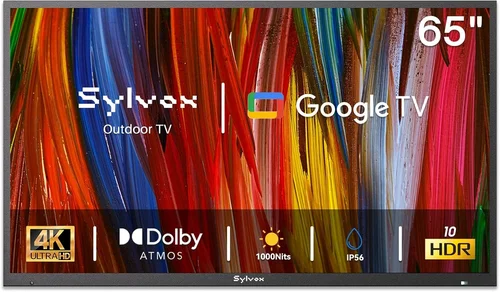
If you live in a hot climate—whether it’s the sun-baked deserts of Arizona, the humid tropics of Florida, or the scorching summers of Southern California—you know that outdoor electronics face a unique set of challenges. Standard indoor TVs simply aren’t built to withstand extreme heat, UV exposure, humidity, dust, or sudden temperature swings. That’s where weatherproof TVs come in: purpose-built displays engineered to thrive in harsh outdoor environments. But not all weatherproof TVs are created equal, especially when it comes to handling sustained high temperatures.
This comprehensive buying guide is designed to help you navigate the complex world of outdoor televisions in 2026. Whether you’re upgrading your patio entertainment setup, installing a TV by the pool, or creating an outdoor home theater, we’ll walk you through everything you need to know. You’ll learn how to evaluate performance under heat stress, understand critical durability specs, compare top brands, avoid common pitfalls, and ultimately choose the right model for your budget and lifestyle. With climate change driving more frequent and intense heatwaves, investing in a truly heat-resistant TV isn’t just a luxury—it’s a necessity for long-term reliability.
The market for weatherproof TVs has evolved significantly over the past few years. What once was a niche category dominated by a handful of specialty manufacturers now includes mainstream brands offering ruggedized models with smart features, 4K HDR, and even outdoor-specific brightness enhancements. However, this growth has also led to confusion: many “outdoor-ready” TVs are merely indoor models sold with weatherproof enclosures, while others are fully integrated systems designed from the ground up for exterior use. Our goal is to cut through the marketing noise and give you expert-level insight so you can make a confident, informed decision.

What to Look for When Buying Buying Guide
1. Thermal Management & Heat Resistance
When it comes to hot climates, thermal management is arguably the most critical factor in choosing a weatherproof TV. Unlike indoor TVs, which operate in climate-controlled environments, outdoor displays must endure temperatures that can exceed 100°F (38°C)—sometimes even reaching 120°F (49°C) in direct sunlight. Prolonged exposure to such heat can cause standard LCD panels to degrade, backlights to dim prematurely, and internal electronics to fail.
Look for TVs with active cooling systems, such as built-in fans or heat sinks, that help dissipate excess heat without compromising the sealed enclosure. Some premium models use passive cooling with advanced thermal conductive materials, but these are less effective in extreme conditions. Additionally, check the manufacturer’s specified operating temperature range. A truly heat-resistant TV should comfortably operate between -22°F and 122°F (-30°C to 50°C) or higher. Avoid models that list a maximum operating temperature below 110°F (43°C)—they may shut down or suffer performance loss during peak summer days.
Another key consideration is panel type. OLED TVs, while offering superior contrast and color, are generally not recommended for hot climates due to their sensitivity to heat and susceptibility to burn-in under constant bright conditions. Instead, opt for high-brightness LED or QLED panels specifically engineered for outdoor use. These technologies handle heat better and maintain visibility in direct sunlight.
2. Brightness & Anti-Glare Technology
Outdoor visibility is a major challenge, especially during daylight hours. A TV that looks great indoors can become nearly invisible outside due to glare from the sun and ambient light reflecting off the screen. For hot climates—where outdoor viewing often happens during bright, sunny afternoons—you need a display with exceptional brightness and anti-reflective coatings.
Look for TVs with a minimum brightness of 700 nits, though 1,000 nits or higher is ideal for full sun exposure. Some top-tier models now offer 2,000+ nits, rivaling professional digital signage. This high luminance ensures that colors remain vibrant and text remains legible even when the sun is directly hitting the screen. Additionally, check for anti-glare or anti-reflective screen treatments. These coatings reduce surface reflections and improve contrast in bright conditions.
Don’t confuse brightness with backlight intensity alone. True outdoor performance also depends on local dimming zones, which help maintain deep blacks even in high ambient light. TVs with full-array local dimming (FALD) or mini-LED backlighting perform significantly better than edge-lit models in sunny environments. Also, consider the screen finish: matte screens are preferable to glossy ones for outdoor use, as they minimize reflections.
3. Build Quality & Weatherproofing Standards
Not all “weatherproof” TVs are built to the same standard. The term itself is loosely regulated, so it’s essential to look for certified ingress protection (IP) ratings. These ratings indicate how well a device resists dust and water. For outdoor TVs in hot climates, an IP55 or higher rating is recommended. IP55 means the TV is protected against dust (limited ingress) and low-pressure water jets from any direction—ideal for poolside or patio installations.
Even better is IP65 or IP66, which offer full dust protection and resistance to powerful water jets or temporary immersion. These ratings are crucial if your TV will be exposed to rain, sprinklers, or high humidity. Beyond the IP rating, examine the materials used in the housing. Look for powder-coated aluminum or marine-grade stainless steel, which resist corrosion and UV degradation. Avoid plastic enclosures, especially thin or untreated ones, as they can warp, fade, or crack under intense sun exposure.
Sealed cable ports, rubber gaskets, and conformal coating on internal circuit boards are also signs of a well-engineered outdoor TV. These features prevent moisture and dust from entering the unit, which is vital in humid or dusty environments. Some manufacturers go a step further by using desiccant packs inside the enclosure to absorb any residual moisture—another smart feature for tropical or coastal regions.
4. Smart Features & Connectivity
Just because a TV is built for the outdoors doesn’t mean it should lack modern conveniences. In 2026, most buyers expect smart functionality, and thankfully, many weatherproof models now come with built-in streaming platforms like Android TV, webOS, or Roku. These allow you to access Netflix, YouTube, Disney+, and other services without needing an external streaming box.
However, smart features in outdoor TVs require special consideration. The operating system must be optimized for high ambient light and heat. Some manufacturers use simplified interfaces with larger icons and voice control to improve usability in bright conditions. Look for models with Bluetooth and Wi-Fi 6 support for faster, more reliable connectivity, especially if your outdoor area is far from your router.
Connectivity options are equally important. Ensure the TV has multiple HDMI ports (preferably HDMI 2.1 for future-proofing), USB inputs, and audio outputs. Some models include built-in speakers, but for serious outdoor entertainment, you’ll likely want to connect external weatherproof soundbars or wireless speakers. Check for ARC (Audio Return Channel) and eARC support if you plan to use a sound system. Also, consider models with built-in streaming sticks or docking stations to reduce cable clutter and protect ports from the elements.
5. Size & Viewing Distance
Choosing the right screen size for your outdoor space is about more than just preference—it’s about visibility, immersion, and practicality. In open-air environments, sound and image can dissipate quickly, so a larger screen often enhances the experience. However, size must be balanced with viewing distance and installation constraints.
As a general rule, for every 1 inch of screen diagonal, you should sit approximately 1.5 to 2.5 feet away for optimal viewing. So, for a 55-inch TV, ideal seating is between 6.9 and 11.5 feet. In large patios or backyard theaters, 65-inch or 75-inch models are common. But remember: larger screens require more robust mounting solutions and may need additional cooling.
Also consider the TV’s bezel design. Slim bezels improve the viewing experience by maximizing screen real estate, but in outdoor settings, a slightly thicker bezel can offer better structural integrity and easier handling during installation. Some manufacturers offer custom sizing or modular designs for unique installations, such as under eaves or in outdoor kitchens.
6. Brand Reputation & Reliability
Not all brands are equally committed to outdoor TV innovation. While mainstream manufacturers like Samsung, LG, and Sony have entered the space, they often rely on third-party enclosures or limited outdoor-specific models. In contrast, specialty brands like SunBriteTV, Seura, and Peerless have spent years refining their outdoor display technology and offer more comprehensive solutions.
Research brand reputation by reading long-term user reviews and checking third-party testing results. Look for companies that provide detailed environmental testing data, such as thermal cycling, UV exposure, and humidity resistance. Brands that publish MTBF (Mean Time Between Failures) ratings or offer extended warranties are generally more confident in their products’ durability.
Customer support is another differentiator. Outdoor TVs are harder to service, so choose a brand with a strong service network, accessible technical support, and clear warranty terms. Some companies even offer on-site installation and maintenance services, which can be invaluable for complex setups.
7. Warranty & Support
A weatherproof TV is a significant investment, so warranty coverage is crucial. Standard indoor TVs typically come with 1-year warranties, but outdoor models should offer at least 2–3 years, with some premium brands providing up to 5 years. Look for warranties that explicitly cover outdoor use—some manufacturers void coverage if the TV is used outside, even if it’s marketed as weatherproof.
Check what the warranty includes: does it cover labor, parts, and on-site service? Are there exclusions for heat damage or UV degradation? Some brands offer “no lemon” policies, replacing the unit if it fails multiple times. Also, consider extended warranty options or service plans, especially if you live in an extreme climate.
Support accessibility matters too. Can you reach a human technician quickly? Is there a dedicated outdoor TV support line? Brands with strong reputations often provide detailed installation guides, video tutorials, and compatibility checklists to help you avoid common setup errors.
8. User Reviews & Real-World Performance
Spec sheets and marketing claims can only tell you so much. Real-world user reviews provide invaluable insight into how a TV performs over time in actual outdoor conditions. Look for reviews from users in similar climates—someone in Phoenix will have different experiences than someone in Seattle.
Pay attention to comments about heat management: does the TV shut down during hot afternoons? Does the picture degrade after a few months? Are there issues with condensation or fan noise? Also, check for feedback on smart features: do apps load quickly? Is the interface responsive in bright light?
Use trusted review platforms like Amazon, Best Buy, or specialized outdoor tech forums. Look for verified purchases and detailed reviews with photos or videos. Be wary of overly positive or vague reviews—they may be incentivized or fake. A balanced mix of pros and cons is a good sign of authenticity.
Different Types of Buying Guide

Common Buying Mistakes to Avoid
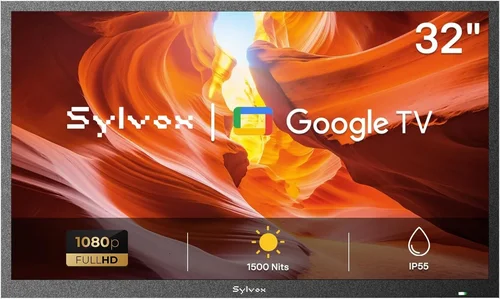
❌ Mistake: Buying an Indoor TV and Assuming It’s Outdoor-Ready
Why it’s bad: Indoor TVs lack the thermal management, brightness, and sealing required for outdoor use. Even with a cover, they can overheat, suffer screen burn, or fail prematurely due to moisture ingress.
What to do instead: Invest in a TV specifically designed for outdoor use or pair a high-quality indoor model with a certified weatherproof enclosure from a reputable brand.
❌ Mistake: Ignoring the IP Rating
Why it’s bad: Without a proper IP rating, you have no guarantee the TV can handle rain, dust, or humidity. A TV labeled “weather-resistant” without certification may fail in real-world conditions.
What to do instead: Always check for IP55 or higher. Look for independent testing certifications from agencies like UL or Intertek.
❌ Mistake: Overlooking Brightness Requirements
Why it’s bad: A dim screen will be washed out in sunlight, making it unusable during the day. Many buyers regret choosing a TV with less than 1,000 nits.
What to do instead: Prioritize brightness—aim for 1,000+ nits for partial shade and 2,000+ nits for full sun. Test the TV in similar lighting if possible.
❌ Mistake: Choosing OLED for Hot Climates
Why it’s bad: OLED panels degrade faster under high heat and constant bright content, leading to burn-in and reduced lifespan.
What to do instead: Opt for QLED or high-brightness LED with local dimming. These technologies are more resilient in extreme temperatures.
❌ Mistake: Neglecting Installation and Ventilation
Why it’s bad: Even the best outdoor TV can fail if installed in a poorly ventilated area or exposed to direct afternoon sun without shade.
What to do instead: Use a shaded mount, ensure airflow around the unit, and consider a pergola or awning for added protection.
❌ Mistake: Skipping the Warranty Check
Why it’s bad: Some warranties don’t cover outdoor use, leaving you with no recourse if the TV fails due to heat or weather.
What to do instead: Read the fine print. Choose a brand that explicitly covers outdoor conditions and offers extended support.
❌ Mistake: Buying Based on Price Alone
Why it’s bad: Cheaper models often cut corners on materials, cooling, and brightness, leading to higher long-term costs due to replacements.
What to do instead: Focus on total cost of ownership. A mid-range TV with better durability may save money over time.
Budget Guidelines: How Much Should You Spend?
- Entry-Level ($800 – $1,500): These are typically indoor TVs paired with basic weatherproof enclosures. Suitable for covered patios or mild climates. Expect limited brightness (500–700 nits), basic smart features, and shorter warranties. Best for occasional use.
- Mid-Range ($1,500 – $3,500): The sweet spot for most buyers. Includes fully integrated outdoor TVs with 1,000+ nits brightness, IP55+ ratings, and reliable thermal management. Models from SunBriteTV or Seura often fall here. Ideal for year-round use in hot climates.
- Premium ($3,500 – $6,000): For enthusiasts and professionals. Features 2,000+ nits brightness, advanced cooling, full-array local dimming, and robust build quality. Often include extended warranties and professional installation support.
- Luxury ($6,000+): Top-tier commercial-grade displays with 24/7 operation capability, extreme durability, and custom configurations. Used in resorts, stadiums, and high-end homes. Overkill for most residential users but unmatched in performance.
Expert Tips for Getting the Best Deal
- Buy During Off-Season: Prices drop in fall and winter when demand is lower. Look for end-of-summer sales in September and October.
- Shop at Specialty Retailers: Stores like Abt, Crutchfield, or Outdoor TV Direct often have better expertise and deals than big-box retailers.
- Bundle with Installation: Some brands offer discounts when you purchase mounting hardware and installation together.
- Check for Rebates: Utility companies in hot states sometimes offer rebates for energy-efficient outdoor electronics.
- Read Return Policies: Ensure you can return the TV if it doesn’t perform as expected in your climate.
- Test Before Committing: If possible, visit a showroom or ask for a demo unit to evaluate brightness and heat management.
- Consider Refurbished Models: Certified refurbished outdoor TVs from reputable sellers can save 20–30% with full warranty coverage.

Frequently Asked Questions
Q: Can I use a regular TV outdoors with a cover?
A: While possible, it’s not recommended for hot climates. Covers can trap heat and moisture, leading to overheating and condensation. A dedicated outdoor TV or certified enclosure is safer and more reliable.
Q: How long do weatherproof TVs last in hot weather?
A: With proper installation and maintenance, a quality outdoor TV can last 7–10 years or more, even in extreme heat. Look for models with proven track records and strong warranties.
Q: Do outdoor TVs need special mounting hardware?
A: Yes. Use rust-resistant, heavy-duty mounts rated for outdoor use. Ensure the mount allows for ventilation and easy access to ports.
Q: Can I leave my outdoor TV on all day in the sun?
A: Most outdoor TVs are designed for extended use, but continuous operation in direct sunlight can increase wear. Use a timer or smart features to limit usage during peak heat.
Q: Are outdoor TVs energy efficient?
A: Modern models are surprisingly efficient, especially those with LED backlighting. Look for ENERGY STAR certification to reduce power consumption.
Q: What’s the difference between IP55 and IP65?
A: IP55 protects against dust and low-pressure water jets. IP65 offers complete dust protection and resistance to powerful water jets—better for rainy or humid areas.
Q: Can I connect gaming consoles to an outdoor TV?
A: Yes, as long as the TV has HDMI 2.1 and low input lag. Some outdoor models are optimized for gaming with fast response times.
Q: Do outdoor TVs come with built-in speakers?
A: Many do, but sound quality is often limited. For better audio, connect weatherproof speakers or a soundbar via Bluetooth or audio output.
Q: What happens if my outdoor TV gets rained on?
A: If it’s IP55 or higher, it should be fine. However, avoid directing high-pressure water (like a pressure washer) at the screen or ports.
Q: Can I use a soundbar with an outdoor TV?
A: Yes, but choose a weatherproof soundbar designed for outdoor use. Wireless options reduce cable exposure to the elements.
Our Final Recommendations
- Best for Budget-Conscious Buyers: SunBriteTV Veranda Series 55-inch – Excellent value with 1,000 nits brightness, IP55 rating, and reliable performance under $2,000.
- Best Overall Value: Seura Outdoor 65-inch 4K Smart TV – Combines premium build, 1,500 nits brightness, and smart features at a competitive price.
- Best Premium Option: Peerless-AV Xtreme 75-inch – Commercial-grade durability, 2,500 nits brightness, and advanced thermal management for extreme climates.
- Best for Beginners: LG Outdoor 50-inch with Enclosure Kit – Easy setup, familiar interface, and solid performance for those new to outdoor TVs.
- Best for Advanced Users: SunBriteTV Pro Series 86-inch – Top-tier brightness, modular design, and professional installation support for custom setups.
Conclusion: Making the Right Choice
Choosing the right weatherproof TV for a hot climate is about balancing performance, durability, and value. It’s not just about surviving the heat—it’s about enjoying crisp, vibrant visuals year-round, no matter the weather. By focusing on thermal management, brightness, build quality, and real-world reliability, you can avoid costly mistakes and invest in a display that enhances your outdoor living space for years to come.
Remember, the cheapest option isn’t always the best long-term solution. Prioritize your needs: if you live in a scorching desert, invest in a high-brightness, actively cooled model. If you’re on a budget, a quality enclosure with a mid-tier indoor TV can work—just don’t cut corners on protection. And always consult with experts or read detailed reviews from users in similar climates.
Your outdoor TV should be a source of joy, not frustration. With the insights from this guide, you’re now equipped to make a smart, confident decision. So go ahead—transform your patio, pool deck, or backyard into the ultimate entertainment zone. The perfect outdoor TV is out there, and it’s ready to shine, even under the hottest sun.

