
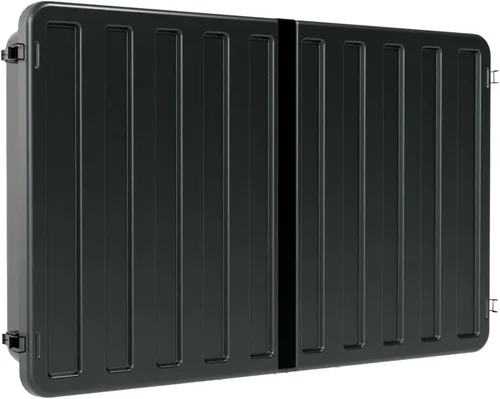
Transforming your pergola into a year-round entertainment hub starts with one essential upgrade: a poolside TV. Whether you’re lounging by the water, hosting summer barbecues, or enjoying quiet evenings under the stars, having a reliable outdoor television elevates the entire experience. But choosing the right one isn’t as simple as picking up any old flat-screen from the store. Outdoor environments present unique challenges—intense sunlight, humidity, temperature swings, and even occasional splashes—that demand specialized technology and rugged design.
That’s why this comprehensive buying guide exists. We’ve tested, researched, and analyzed the latest poolside TVs on the market to help you make an informed decision tailored to your space, budget, and lifestyle. You’ll learn how to evaluate critical factors like weather resistance, screen brightness, mounting options, smart features, and long-term durability. Whether you’re a first-time buyer or upgrading from an older model, this guide cuts through the marketing noise to deliver actionable insights based on real-world performance.
The outdoor TV market has evolved rapidly over the past few years. What once meant bulky, expensive all-weather enclosures now includes sleek, purpose-built models designed specifically for patios, pergolas, and pool decks. Brands like SunBriteTV, Samsung, LG, and Seura have stepped up their game, offering everything from basic weatherproof displays to fully integrated smart systems with voice control and streaming capabilities. With prices ranging from under $500 to well over $3,000, there’s a solution for nearly every need—but only if you know what to look for.

What to Look for When Buying Buying Guide
1. Weather Resistance & IP Rating
When it comes to outdoor TVs, weather resistance isn’t optional—it’s essential. Unlike indoor models, poolside TVs must withstand rain, snow, dust, UV exposure, and high humidity without compromising performance or safety. The most reliable way to assess this is by checking the TV’s Ingress Protection (IP) rating. This two-digit code tells you exactly how well the unit resists solids (like dust) and liquids (like rain or pool splashes).
Look for a minimum IP55 rating, which means the TV is protected against low-pressure water jets from any direction and limited dust ingress. For pergola installations near pools or in regions with heavy rainfall, aim for IP65 or higher. IP65 offers complete dust protection and resistance to powerful water jets—ideal for full outdoor exposure. Some premium models even boast IP66 or IP67 ratings, making them suitable for coastal areas or locations with salt spray.
Beyond the IP rating, consider the materials used in construction. High-quality outdoor TVs feature powder-coated aluminum chassis, sealed ports, and corrosion-resistant internal components. Avoid plastic-heavy builds, as they degrade faster under UV light and extreme temperatures. Also, ensure that all ventilation openings are filtered to prevent moisture buildup inside the unit.
2. Screen Brightness & Anti-Glare Technology
One of the biggest challenges with outdoor viewing is ambient light. Even in a shaded pergola, sunlight reflecting off water, concrete, or nearby surfaces can wash out your screen, making colors dull and details hard to see. That’s why brightness—measured in nits—is arguably more important outdoors than resolution or contrast ratio.
For comfortable daytime viewing, you’ll need a display with at least 700 nits of brightness. However, for areas with direct sun exposure or large windows nearby, 1,000 nits or more is strongly recommended. Premium outdoor TVs often exceed 2,000 nits, delivering stunning clarity even under midday sun.
Equally important is anti-glare technology. Look for screens with optically bonded glass and matte finishes that diffuse reflections rather than amplifying them. Some manufacturers use proprietary coatings—like SunBrite’s Direct Sunlight Viewable (DSV) technology or Seura’s TrueBrite panel—that significantly reduce glare while maintaining color accuracy.
Avoid standard indoor TVs placed in outdoor enclosures unless they’re specifically rated for high brightness. Many DIY setups fail because the underlying panel simply isn’t bright enough, resulting in a dim, unusable image during daylight hours.
3. Build Quality & Durability
Outdoor electronics face harsher conditions than their indoor counterparts. Temperature fluctuations, moisture, insects, and physical impacts all take a toll over time. A well-built poolside TV should feel solid, with minimal flex in the frame and no loose components.
Start by examining the chassis material. Powder-coated aluminum is the gold standard—it resists rust, doesn’t warp, and dissipates heat efficiently. Avoid models with thin steel or plastic casings, as these can corrode or crack in extreme weather.
Internal components matter too. Quality capacitors, sealed circuit boards, and conformal coating on PCBs help protect against condensation and corrosion. Check whether the TV includes thermal management features like passive cooling (no fans) or intelligent heat dissipation systems. Fans can introduce dust and noise, so fanless designs are generally preferred for quiet pergola environments.
Also consider the longevity of the display itself. OLED panels, while stunning indoors, degrade faster under constant high brightness and UV exposure. For outdoor use, QLED or high-end LED/LCD panels with local dimming are more reliable long-term choices.
4. Smart Features & Connectivity
Today’s outdoor TVs aren’t just dumb screens—they’re full-fledged smart platforms. Look for models running established operating systems like Android TV, webOS (LG), or Tizen (Samsung), which offer access to popular streaming apps (Netflix, YouTube, Disney+, etc.) and regular software updates.
Voice control integration is another valuable feature. Compatibility with Google Assistant or Amazon Alexa allows you to change channels, adjust volume, or search content without needing to handle a remote near water or while wearing sunscreen-covered hands.
Connectivity options are crucial too. Ensure the TV has multiple HDMI ports (preferably HDMI 2.1 for future-proofing), USB inputs, and wireless capabilities like Wi-Fi 6 and Bluetooth 5.0. Some models include built-in speakers, but for immersive audio near a pool, you’ll likely want to connect external weatherproof speakers via optical audio or Bluetooth.
Don’t overlook remote control design. Outdoor remotes should be backlit, have large buttons, and ideally be waterproof or at least splash-resistant. Some brands offer smartphone apps as alternatives, which can be handy if you lose the physical remote.
5. Size & Viewing Distance
Choosing the right screen size depends on your pergola’s dimensions and typical seating arrangement. A common mistake is going too small—outdoor spaces often feel larger, and viewers may sit farther away than indoors.
As a rule of thumb, multiply your viewing distance (in inches) by 0.84 to get the ideal screen diagonal in inches. For example, if your seating is 8 feet (96 inches) from the TV, aim for around 80 inches. However, in bright outdoor settings, larger screens help maintain perceived detail and immersion.
Most outdoor TVs range from 43 to 85 inches. Smaller pergolas (under 10×10 feet) may max out at 55–65 inches, while larger covered decks can comfortably accommodate 75-inch or even 85-inch models. Keep in mind that bigger isn’t always better—oversized screens can overwhelm a space and increase glare if not properly positioned.
Also consider bezel width. Slim bezels create a more modern look and maximize screen real estate, but some rugged outdoor models have thicker frames for added protection. Choose based on your aesthetic preference and structural needs.
6. Mounting & Installation Flexibility
How you mount your TV affects both functionality and safety. Pergolas often have slatted roofs, uneven beams, or limited wall space, so flexibility is key.
Look for TVs compatible with standard VESA mounting patterns (e.g., 200×200, 400×400). Most outdoor models support these, but always double-check. Full-motion articulating mounts allow you to tilt, swivel, and extend the screen for optimal viewing angles—especially useful if your pergola has multiple seating zones.
Weight matters too. Outdoor TVs tend to be heavier due to reinforced builds. Ensure your pergola structure can support the combined weight of the TV and mount. If in doubt, consult a contractor or use a ceiling-mounted drop-down arm for added stability.
Some brands offer proprietary mounting systems designed specifically for their outdoor units. While convenient, these can limit third-party options and increase replacement costs. Standard VESA compatibility gives you more freedom and future-proofing.
7. Brand Reputation & Ecosystem Compatibility
Not all outdoor TV brands are created equal. Established players like SunBriteTV (a subsidiary of Sylvane) specialize exclusively in outdoor displays and have decades of field testing behind them. Samsung and LG offer premium outdoor variants of their mainstream lines, leveraging their smart platform expertise.
Research brand reliability by reading long-term user reviews and checking professional installer feedback. Brands with strong service networks and local support are preferable, especially if you live in a remote area.
Also consider ecosystem compatibility. If you already use Samsung SmartThings or Apple HomeKit, choosing a TV that integrates seamlessly simplifies setup and daily use. Some outdoor TVs even support Matter, the new universal smart home standard, ensuring compatibility with future devices.
Avoid obscure brands with limited warranty coverage or no U.S.-based support. A cheap TV that fails after one season isn’t a bargain—it’s a liability.
8. Warranty & Support
Outdoor electronics come with higher risks, so robust warranty coverage is non-negotiable. Standard indoor TV warranties rarely cover outdoor use, so you need a product with explicit outdoor protection.
Top-tier brands offer 2–3 year limited warranties that include parts, labor, and sometimes even on-site service. SunBriteTV, for instance, provides a 2-year warranty with optional extended plans. Samsung’s outdoor models often include 1-year coverage but may require registration for full benefits.
Check what’s excluded: accidental damage, lightning strikes, or improper installation may void coverage. Some companies offer optional surge protection add-ons or recommend certified installers to maintain warranty validity.
Customer support responsiveness is equally important. Can you reach a human quickly? Do they understand outdoor-specific issues? Read recent support reviews before buying.
Different Types of Buying Guide
Common Buying Mistakes to Avoid
❌ Mistake: Buying an Indoor TV for Outdoor Use
Why it’s bad: Indoor TVs lack weatherproofing, have low brightness, and aren’t designed for temperature extremes. Placing one outside—even under a pergola—risks electrical failure, screen damage, or even fire hazards from moisture ingress.
What to do instead: Invest in a TV specifically engineered for outdoor environments. If budget is tight, use a high-quality outdoor enclosure with proper ventilation and drainage—but only with a compatible indoor model.
❌ Mistake: Ignoring Viewing Angle and Glare
Why it’s bad: A TV mounted too high, too low, or facing a reflective surface will be uncomfortable to watch and reduce usability. Glare from water or windows can render the screen nearly invisible during peak sun hours.
What to do instead: Position the TV at eye level when seated, angled slightly downward. Use anti-glare screens or install shade sails/awnings to minimize direct reflections. Test the location at different times of day before final mounting.
❌ Mistake: Overlooking Audio Needs
Why it’s bad: Most outdoor TVs have weak built-in speakers that struggle against wind, water noise, and ambient chatter. Relying solely on TV audio leads to poor sound quality and constant volume adjustments.
What to do instead: Pair your TV with weatherproof outdoor speakers or a soundbar. Wireless options like Bluetooth speakers offer flexibility, while wired setups provide consistent performance. Consider subwoofers for fuller bass near pools.
❌ Mistake: Skimping on Surge Protection
Why it’s bad: Outdoor electronics are vulnerable to power surges from lightning, grid fluctuations, or nearby appliances. Without protection, a single storm can fry your TV and connected devices.
What to do instead: Install a whole-house surge protector and use high-quality outdoor-rated power strips with joule ratings above 2,000. Unplug during severe storms if possible.
❌ Mistake: Choosing Based Solely on Price
Why it’s bad: The cheapest option often lacks critical features like adequate brightness, proper sealing, or smart functionality. You may end up replacing it within a year, costing more long-term.
What to do instead: Prioritize value over price. Look for models that balance essential features with reasonable cost. Mid-range outdoor TVs often offer the best ROI for residential use.
❌ Mistake: Poor Cable Management
Why it’s bad: Exposed cables are unsightly, trip hazards, and prone to water damage or animal chewing. They also make future maintenance difficult.
What to do instead: Use conduit raceways, in-wall cable channels, or wireless streaming to minimize visible wires. Seal all connections with waterproof tape or gel-filled connectors.
❌ Mistake: Not Planning for Future Upgrades
Why it’s bad: Technology evolves quickly. A TV without modern ports or smart capabilities may become obsolete in just a few years.
What to do instead: Choose a model with HDMI 2.1, Wi-Fi 6, and regular firmware updates. Ensure it supports popular streaming services and voice assistants to stay relevant.
Budget Guidelines: How Much Should You Spend?
Entry-Level ($400 – $800): This tier includes portable outdoor TVs or basic indoor models in enclosures. Expect lower brightness (under 500 nits), limited smart features, and shorter warranties. Best for occasional use in fully covered, low-sun areas. Ideal for renters or those testing outdoor viewing before committing.
Mid-Range ($800 – $1,800): The sweet spot for most homeowners. These TVs offer 700–1,200 nits brightness, IP55+ ratings, decent smart platforms, and reliable build quality. Brands like Seura and some Samsung Terrace models fall here. Perfect for pergolas with partial shade and moderate weather exposure.
Premium ($1,800 – $3,500): Designed for serious outdoor entertainment. Features include 1,500+ nits brightness, full IP65/66 protection, advanced anti-glare tech, and premium smart OS integration. SunBriteTV’s Veranda and Pro series dominate this space. Ideal for poolside zones, coastal homes, or frequent entertainers.
Luxury ($3,500+): Top-tier commercial-grade displays built for 24/7 operation. These units boast 2,000+ nits, fanless cooling, extended temperature ranges (-30°F to 140°F), and enterprise-level durability. Often used in luxury resorts or high-end residential projects. Overkill for most pergolas but unmatched in performance.
Expert Tips for Getting the Best Deal
– Buy during off-seasons: Prices drop significantly in late fall and winter when demand for outdoor gear declines. Look for Black Friday, Cyber Monday, or post-holiday sales.
– Shop certified retailers: Purchase from authorized dealers (not third-party Amazon sellers) to ensure warranty validity and access to support.
– Bundle with installation: Some companies offer discounted professional mounting when you buy the TV—worth it for safety and optimal placement.
– Check for rebates: Energy-efficient models may qualify for local utility rebates or tax credits.
– Read long-term reviews: Focus on feedback from users who’ve owned the TV for 12+ months—this reveals durability issues not apparent in initial impressions.
– Test brightness in person: If possible, view the TV outdoors during daylight. Many showrooms only demo indoors, which doesn’t reflect real-world performance.
– Negotiate extended warranties: Ask if the retailer includes free warranty extensions or service plans with purchase.
– Consider refurbished units: Certified pre-owned outdoor TVs from reputable brands can save 20–30% with full warranty coverage.

Frequently Asked Questions
Q: Can I use a regular TV under my pergola?
A: Technically yes, but it’s not recommended unless the pergola is fully enclosed and climate-controlled. Even then, standard TVs lack the brightness and weather resistance needed for comfortable outdoor viewing. For anything beyond occasional use in deep shade, invest in an outdoor-specific model.
Q: Do outdoor TVs need special power outlets?
A: Not necessarily, but they should be plugged into a GFCI (Ground Fault Circuit Interrupter) outlet for safety, especially near water. Avoid extension cords; run dedicated lines if needed.
Q: How do I clean an outdoor TV screen?
A: Use a microfiber cloth slightly dampened with distilled water. Never spray liquid directly on the screen. For stubborn grime, use a solution of 70% isopropyl alcohol and 30% water—but test on a small area first.
Q: Will an outdoor TV work in winter?
A: Yes, most are rated for temperatures as low as -30°F. However, avoid turning it on immediately after extreme cold exposure—let it acclimate to room temperature first to prevent condensation.
Q: Can I stream content without Wi-Fi?
A: Some models support Ethernet connections for wired internet. Alternatively, use a mobile hotspot or download content beforehand if your pergola lacks reliable Wi-Fi coverage.
Q: Are outdoor TVs energy efficient?
A: Modern LED-based outdoor TVs are surprisingly efficient, especially compared to older plasma models. Look for ENERGY STAR certification to minimize electricity costs.
Q: What’s the lifespan of an outdoor TV?
A: With proper care, expect 5–8 years of reliable service. High-end models with robust cooling and sealed components often last longer. Avoid constant 24/7 operation unless using a commercial-grade unit.
Q: Do I need a permit to install an outdoor TV?
A: Usually not for residential pergolas, but check local building codes if you’re running electrical lines or modifying structures. When in doubt, consult a licensed electrician.
Q: Can I mount an outdoor TV on a post or beam?
A: Yes, using a post-mount bracket or beam clamp. Ensure the structure is sturdy enough to handle the weight and wind load. Reinforce with cross-bracing if necessary.
Q: Are there solar-powered outdoor TV options?
A: Not yet mainstream, but you can power an outdoor TV with a solar generator or off-grid system. Ensure the inverter can handle the TV’s wattage and provide stable voltage.
Our Final Recommendations
Best for Budget-Conscious Buyers: Seura Shade 55″ – At around $1,200, this partial-cover model delivers 1,000 nits brightness, IP54 rating, and webOS smart platform. Perfect for shaded pergolas with occasional sun exposure.
Best Overall Value: SunBriteTV Veranda 65″ – Priced near $2,000, it offers IP55 protection, 1,200 nits brightness, and Android TV. A proven performer in real-world poolside conditions with excellent customer support.
Best Premium Option: SunBriteTV Pro 2 Series 75″ – With 2,000+ nits, IP66 rating, and fanless design, this is the ultimate choice for open-air luxury setups. Built to last decades.
Best for Beginners: Samsung The Terrace 55″ Partial Sun – User-friendly Tizen OS, sleek design, and reliable performance make this ideal for first-time outdoor TV owners. Great app ecosystem and voice control.
Best for Advanced Users: LG Outdoor OLED 65″ – While OLED isn’t typical for outdoors, LG’s specialized version includes enhanced brightness and UV protection. For tech enthusiasts who want cutting-edge picture quality in a covered pergola.
Conclusion: Making the Right Choice
Choosing the right poolside TV for your pergola is about more than just picking a screen that fits on the wall. It’s about understanding your environment, prioritizing durability and visibility, and aligning features with your lifestyle. From weather resistance and brightness to smart capabilities and mounting flexibility, every detail matters when you’re investing in outdoor entertainment.
Remember: the cheapest option isn’t always the most economical, and the flashiest specs don’t guarantee real-world usability. Focus on your specific needs—how much sun hits your pergola, how often you’ll use the TV, and what kind of content you enjoy. Use this guide as your roadmap, and don’t hesitate to consult professionals for installation or advice.
Your pergola should be a sanctuary, not a compromise. With the right TV, every sunset, movie night, or game day becomes an unforgettable experience. So take your time, do your research, and invest wisely. Your future self—and your guests—will thank you.

