
Watching your favorite sports by the pool is one of those simple pleasures that turns a sunny afternoon into an unforgettable experience. Whether you’re hosting a backyard game day, enjoying a solo swim while catching the final quarter, or throwing a summer barbecue with friends, having a reliable outdoor TV nearby makes all the difference. But not just any TV will do—outdoor environments present unique challenges: harsh sunlight, humidity, temperature swings, and exposure to dust or splashes. That’s why choosing the right poolside TV isn’t just about screen size or resolution—it’s about finding a display built to thrive in the elements while delivering crisp, vibrant visuals under direct sun.
This comprehensive buying guide is designed to help you navigate the often-confusing world of outdoor TVs, specifically tailored for sports enthusiasts who demand performance, durability, and reliability. You’ll learn how to evaluate critical factors like brightness, weather resistance, audio quality, and smart features—all through the lens of real-world poolside use. We’ll break down the different types of outdoor TVs available, highlight common pitfalls to avoid, and provide expert-backed recommendations based on budget, usage, and long-term value. Whether you’re upgrading from an indoor TV on a makeshift stand or investing in your first dedicated outdoor display, this guide equips you with everything needed to make a confident, informed decision.
The market for outdoor TVs has evolved significantly in recent years. What once consisted mostly of bulky, expensive commercial-grade displays has now expanded to include sleek, consumer-friendly options from trusted brands like Samsung, LG, Sony, and specialized outdoor manufacturers such as SunBriteTV and Seura. These models are engineered with enhanced brightness (measured in nits), anti-glare coatings, weatherproof casings, and even built-in heaters or coolers to handle extreme temperatures. With prices ranging from under $1,000 to well over $5,000, there’s an option for nearly every budget—but knowing which features matter most for your setup is key. By the end of this guide, you’ll understand not only what to buy but why it matters for your specific poolside viewing experience.
What to Look for When Buying Buying Guide
1. Brightness & Sunlight Readability
One of the most critical factors for any outdoor TV—especially one placed poolside—is brightness. Unlike indoor TVs, which typically operate at 300–500 nits, outdoor models need significantly higher luminance to combat glare from direct sunlight. For sports watching, where fast motion and vibrant colors are essential, you’ll want a minimum of 700 nits, but ideally 1,000 nits or more. This ensures that field greens, team jerseys, and scoreboards remain visible even at midday. Look for TVs with high dynamic range (HDR) support and anti-reflective screen coatings, which reduce glare without washing out colors. Some premium models even feature adaptive brightness sensors that automatically adjust based on ambient light conditions—a huge plus if your pool area sees varying levels of sun throughout the day.
2. Weather Resistance & IP Rating
Your poolside TV will be exposed to more than just sun—it’ll face splashes, humidity, salt air (if you’re near the coast), dust, and temperature extremes. That’s why weather resistance is non-negotiable. Check the TV’s Ingress Protection (IP) rating, which indicates how well it’s shielded against solids and liquids. For outdoor use, an IP55 rating or higher is recommended: IP55 means the unit is protected against dust (limited ingress) and low-pressure water jets from any direction. If your TV will be mounted under a covered patio or pergola, IP54 may suffice, but for fully exposed areas, aim for IP65 or better. Additionally, ensure the internal components are sealed and that ventilation doesn’t compromise weatherproofing. Some models include internal heaters for cold climates or cooling fans for hot environments—features worth considering based on your local weather patterns.
3. Screen Size & Viewing Distance
Choosing the right screen size depends heavily on how far viewers will be seated from the TV. For poolside setups, typical viewing distances range from 6 to 12 feet. A 55-inch TV works well at 8–10 feet, while a 65-inch model shines at 10–12 feet—perfect for larger gatherings. However, don’t automatically go bigger; oversized screens can cause eye strain in bright daylight unless they’re exceptionally bright. Also consider mounting height: the center of the screen should be at or slightly below eye level when seated poolside. Many outdoor TVs come with VESA-compatible mounts, but verify compatibility before purchasing. And remember—larger screens consume more power and may require reinforced mounting hardware, especially in windy areas.
4. Audio Quality & External Speaker Options
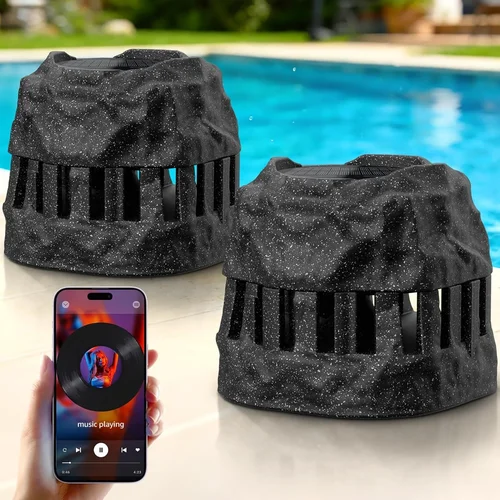
Most outdoor TVs have slim profiles to resist wind and save space, which often means built-in speakers are underpowered or muffled. While this might be acceptable for casual viewing, sports broadcasts rely heavily on commentary, crowd noise, and dynamic audio cues—think a roaring stadium or a referee’s whistle. If audio clarity is important, look for TVs with enhanced speaker systems (e.g., Dolby Audio or DTS:X support) or, better yet, plan to connect external weatherproof speakers. Many outdoor TVs include optical audio outputs or Bluetooth connectivity for wireless speaker pairing. Consider placing speakers on either side of the pool or under seating areas for immersive sound. Some high-end models even integrate with whole-home audio systems, allowing you to sync audio across multiple zones.
5. Smart Features & Connectivity
Modern sports fans expect seamless access to streaming services like ESPN+, YouTube TV, Hulu + Live TV, and NFL Sunday Ticket. Ensure your outdoor TV runs a robust smart platform—such as webOS (LG), Tizen (Samsung), or Android TV—that supports your preferred apps. Look for Wi-Fi 6 compatibility for faster, more stable streaming, especially if multiple devices are connected poolside. HDMI ports are essential for connecting cable boxes, gaming consoles, or media players; aim for at least three HDMI 2.1 inputs to future-proof your setup. USB ports, Ethernet jacks, and Bluetooth are also valuable for flexibility. Don’t overlook voice control: integration with Alexa or Google Assistant lets you change channels or check scores hands-free while lounging in the sun.
6. Build Quality & Durability
Outdoor TVs aren’t just weather-resistant—they’re built to last. The chassis should be constructed from corrosion-resistant materials like powder-coated aluminum or marine-grade stainless steel. Avoid plastic-heavy designs, which can warp or degrade under UV exposure. Check the warranty: reputable brands typically offer 2–3 years of coverage, sometimes extendable. Pay attention to细节 like cable management systems (to keep wires dry and tidy), sealed control panels, and robust mounting brackets. Some models include protective front glass that resists scratches and impacts—useful if kids or pets are around. Real-world durability matters: read user reviews about long-term performance in similar climates to yours.
7. Energy Efficiency & Operating Costs
While outdoor TVs generally consume more power than indoor models due to higher brightness and climate-control features, energy efficiency still impacts your utility bill—and environmental footprint. Look for ENERGY STAR certification, which indicates lower power consumption without sacrificing performance. LED-backlit models are more efficient than older CCFL types. Also consider standby power usage: some TVs draw minimal current when off, while others remain partially active for quick startup. If you plan to leave the TV running for hours during parties or events, efficiency becomes even more important. Over time, a slightly higher upfront cost for an efficient model can pay off in reduced electricity costs.
8. Brand Reputation & Customer Support
Not all outdoor TV brands are created equal. Established names like Samsung, LG, and Sony bring reliability, strong customer service, and widespread repair networks. Specialized outdoor brands like SunBriteTV and Seura offer purpose-built designs with proven track records in harsh environments—but may come at a premium. Research brand reputation through third-party review sites, Reddit communities, and consumer reports. Pay attention to post-purchase support: Can you easily get replacement parts? Is technical assistance available via phone or chat? Are firmware updates regularly released? A strong support ecosystem ensures your investment remains functional for years, even if issues arise.
Different Types of Buying Guide

Common Buying Mistakes to Avoid
❌ Mistake: Using an Indoor TV Outdoors
Why it’s bad: Indoor TVs lack the brightness, weather sealing, and thermal management needed for outdoor use. Even under cover, humidity and temperature swings can cause condensation inside the panel, leading to permanent damage or electrical failure.
What to do instead: Invest in a TV specifically designed for outdoor use—or at minimum, use a high-quality outdoor enclosure rated for your climate. Never assume “it’ll be fine under the awning.”
❌ Mistake: Ignoring Viewing Angle and Glare
Why it’s bad: Many outdoor TVs use standard LCD panels with narrow viewing angles. If your seating is spread out poolside, viewers at the edges may see washed-out or distorted images—especially during fast-paced sports.
What to do instead: Choose a TV with IPS or OLED technology for wider viewing angles. Pair it with an anti-glare screen protector or position the TV to minimize direct sun reflection.
❌ Mistake: Overlooking Audio Needs
Why it’s bad: Relying solely on built-in speakers often results in tinny, quiet audio that gets drowned out by splashing water, wind, or conversation—ruining the excitement of a close game.
What to do instead: Plan for external weatherproof speakers from day one. Mount them strategically around the pool area and test audio levels before game day.
❌ Mistake: Skimping on Mounting Hardware
Why it’s bad: Standard indoor mounts aren’t built to handle wind loads, moisture, or the weight distribution of outdoor TVs. A failed mount can lead to costly damage or injury.
What to do instead: Use marine-grade or outdoor-specific mounting kits with corrosion-resistant bolts and brackets. Consult a professional installer if unsure.
❌ Mistake: Not Checking Local Weather Conditions
Why it’s bad: A TV rated for mild climates may fail in areas with frequent rain, high humidity, or freezing winters—even if it’s labeled “outdoor.”
What to do instead: Match the TV’s IP rating and operating temperature range to your local environment. For example, choose a model with a built-in heater if temperatures drop below 40°F (4°C).
❌ Mistake: Forgetting About Cable Management
Why it’s bad: Exposed cables are vulnerable to water damage, UV degradation, and tripping hazards. They also detract from the clean look of your pool area.
What to do instead: Use waterproof conduit, cable raceways, or in-wall wiring (if permitted). Choose a TV with rear cable channels or a dedicated management system.
❌ Mistake: Buying Based Solely on Price
Why it’s bad: The cheapest option often cuts corners on brightness, build quality, or warranty—leading to premature failure and higher long-term costs.
What to do instead: Focus on total value, not just upfront price. Consider lifespan, energy efficiency, and included features like smart platforms or audio outputs.
Budget Guidelines: How Much Should You Spend?
Entry-Level ($800–$1,500): At this price point, you’ll typically find partial-shade outdoor TVs or indoor models paired with basic enclosures. Expect brightness around 700 nits, limited smart features, and minimal weatherproofing (IP54). These are suitable for covered patios with indirect sunlight but may struggle on bright days. Audio will likely require external speakers. Ideal for casual viewers or seasonal use.
Mid-Range ($1,500–$3,000): This is the sweet spot for most poolside buyers. You’ll get TVs with 1,000+ nits brightness, full smart platforms (like webOS or Android TV), IP55+ ratings, and better audio systems. Brands like LG and Samsung offer compelling models here, often with HDR10 support and voice control. Mounting hardware and cable management are usually included or readily available. Perfect for regular sports watching and entertaining.
Premium ($3,000–$5,000): Designed for enthusiasts and those in harsh environments, premium outdoor TVs feature IP65+ sealing, internal cooling/heating, ultra-high brightness (1,500+ nits), and commercial-grade components. Models from SunBriteTV or Seura excel here, offering 3-year warranties and seamless integration with home automation systems. Ideal for fully exposed pools, coastal homes, or year-round use.
Luxury ($5,000+): These are top-tier displays built for resorts, luxury homes, or professional installations. Expect 24/7 operation capability, modular designs, remote monitoring, and custom finishes. Brightness can exceed 2,000 nits, and some include motorized lifts or hidden installations. Only necessary for extreme use cases or architectural integration.
Expert Tips for Getting the Best Deal
– Buy during off-season: Prices on outdoor TVs drop significantly in late fall and winter (October–February). Retailers clear inventory before spring demand surges. You can save 15–25% by waiting.
– Check manufacturer refurbished programs: Brands like Samsung and LG sell certified refurbished outdoor models at 20–30% off with full warranties. These are often returned units in like-new condition.
– Bundle with installation: Many retailers (e.g., Best Buy, Crutchfield) offer discounted or free professional installation when you purchase the TV. This ensures proper mounting and wiring—worth the savings in peace of mind.
– Compare total cost of ownership: Factor in energy use, speaker upgrades, and mounting hardware. A slightly pricier TV with better efficiency and included accessories may cost less long-term.
– Read real-user reviews: Look beyond star ratings. Search for phrases like “poolside,” “direct sun,” or “humidity” in customer reviews to gauge real-world performance.
– Test brightness in person: If possible, visit a showroom or friend’s setup to see how the TV performs in daylight. Brightness specs don’t always tell the whole story.
– Negotiate extended warranties: Some dealers include free extended coverage during promotions. Always ask—especially for premium models.
– Consider financing options: Many retailers offer 0% APR financing for 12–24 months. This lets you spread payments without interest, preserving cash flow.

Frequently Asked Questions
Q: Can I use a regular TV outdoors if it’s under a covered patio?
A: Technically yes, but it’s not recommended long-term. Even covered areas experience humidity, temperature swings, and indirect moisture. Over time, this can damage internal components. For reliable performance, use an outdoor-rated TV or a high-quality enclosure.
Q: How bright should my poolside TV be?
A: Aim for at least 1,000 nits for comfortable viewing in direct sunlight. If your pool area is mostly shaded, 700 nits may suffice—but always err on the side of brighter for sports.
Q: Do outdoor TVs need special power outlets?
A: Most outdoor TVs use standard 120V outlets, but ensure the circuit is GFCI-protected (required by code for outdoor use). Avoid extension cords; hardwire or use a heavy-duty outdoor-rated power strip.
Q: Will my outdoor TV work in winter?
A: It depends on the model. Check the operating temperature range. Many outdoor TVs function down to 20°F (-7°C), but some include heaters for sub-freezing climates. Never operate a TV outside its specified range.
Q: Can I mount my outdoor TV on a wall or do I need a stand?
A: Wall mounting is preferred for stability and space savings. Use a VESA-compatible outdoor mount rated for your TV’s weight and wind load. Free-standing options exist but are less secure in windy areas.
Q: Are outdoor TVs harder to repair?
A: Not necessarily—if you buy from a reputable brand with service networks. However, specialized models may require authorized technicians. Always check warranty terms before purchasing.
Q: Do I need a separate antenna for live sports?
A: If you’re streaming via apps (YouTube TV, Hulu), no. But for over-the-air broadcasts, a weatherproof outdoor antenna mounted away from the pool is ideal for strong signal reception.
Q: How do I clean my outdoor TV screen?
A: Use a microfiber cloth and distilled water only. Avoid ammonia-based cleaners or paper towels, which can scratch anti-glare coatings. Power off the TV before cleaning.
Q: Can I control my outdoor TV with my phone?
A: Yes—most smart outdoor TVs support companion apps for remote control, volume adjustment, and app navigation. Ensure your home Wi-Fi reaches the pool area for reliable connectivity.
Q: What’s the average lifespan of an outdoor TV?
A: With proper care, 7–10 years is typical. Higher-end models with better components and climate control often last longer. Regular maintenance (cleaning, checking seals) helps maximize longevity.
Our Final Recommendations
Best for Budget-Conscious Buyers: LG 55″ UQ75 Series Partial-Shade Outdoor TV – At around $1,400, this model delivers 800 nits brightness, webOS smart platform, and IP54 rating. Great for covered patios and casual sports viewing.
Best Overall Value: Samsung 65″ The Terrace Partial Sun Outdoor TV – Priced near $2,600, it offers 1,000+ nits, Tizen OS, IP55 rating, and excellent color accuracy. A balanced choice for most poolside setups.
Best Premium Option: SunBriteTV Veranda 3 Series 65″ – At $3,800, this all-weather beast boasts 1,500 nits, IP65 sealing, internal cooling, and a 3-year warranty. Ideal for exposed pools and harsh climates.
Best for Beginners: Seura 55″ Shadow Outdoor TV – User-friendly setup, strong brightness (900 nits), and sleek design. Comes with a comprehensive mounting kit—perfect for first-time buyers.
Best for Advanced Users: Sony X95L 75″ with Outdoor Enclosure (custom build) – For those who want top-tier picture quality (OLED-like contrast, 1,200 nits) in a DIY outdoor solution. Pair with a Seura or Peerless enclosure for a high-performance, customizable setup.
Conclusion: Making the Right Choice
Choosing the right poolside TV for outdoor sports watching isn’t just about picking the biggest or brightest screen—it’s about aligning your investment with your environment, usage habits, and long-term goals. From understanding the critical role of brightness and weather resistance to avoiding common pitfalls like inadequate audio or poor mounting, every decision shapes your viewing experience. Remember: a TV that fails after one season costs more than one that lasts a decade.
Prioritize your must-haves—whether that’s crystal-clear visibility at noon, immersive sound for game day, or seamless smart features for streaming—and let those needs guide your budget and brand choices. Don’t rush the process; take time to compare models, read real reviews, and consult professionals if needed. And when you finally hit play on that championship game, surrounded by friends and the gentle ripple of water, you’ll know your choice was worth every penny.
Your perfect poolside TV is out there—armed with the knowledge from this guide, you’re ready to find it.

