
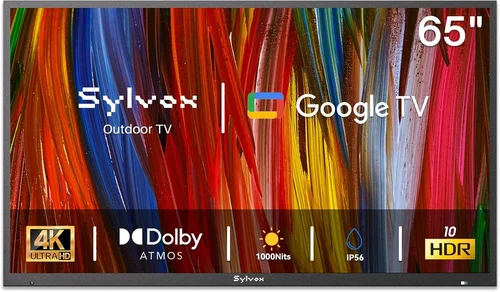
Living in a coastal home comes with breathtaking ocean views, salty breezes, and the soothing sound of waves—but it also presents unique challenges when it comes to outdoor technology. One of the most overlooked yet increasingly popular upgrades for coastal patios is a dedicated outdoor TV. Whether you’re hosting sunset cocktail parties, enjoying family movie nights under the stars, or catching the big game while grilling on the deck, an outdoor TV can transform your patio into a true entertainment oasis. However, not all TVs are built to withstand the harsh coastal environment. Standard indoor TVs exposed to salt air, humidity, UV rays, and temperature swings will quickly deteriorate, leading to costly replacements and safety hazards. That’s why choosing the right patio TV for a coastal home requires more than just picking a big screen—it demands careful consideration of durability, performance, and environmental resilience.
This comprehensive buying guide is designed to help homeowners in coastal regions make informed decisions when investing in an outdoor TV. Whether you’re in Florida, California, the Carolinas, or any other seaside locale, you’ll learn exactly what to look for to ensure your TV lasts for years without compromising on picture quality or smart features. We’ll break down the critical factors—from weather resistance and screen brightness to connectivity and installation—so you can confidently select a model that fits your lifestyle, budget, and environment. By the end of this guide, you’ll understand the differences between indoor, semi-outdoor, and fully outdoor-rated TVs, know which brands lead the market in durability, and avoid common pitfalls that lead to premature failure. The outdoor TV market has evolved significantly in recent years, with manufacturers now offering models specifically engineered for coastal and high-humidity zones. This guide will help you navigate that landscape with confidence.

What to Look for When Buying Buying Guide
1. Weather Resistance & IP Rating
When it comes to coastal homes, weather resistance isn’t just a nice-to-have—it’s essential. The salty, humid air near the ocean is highly corrosive and can wreak havoc on electronic components not designed to handle it. This is where the Ingress Protection (IP) rating becomes your most important spec. Look for TVs with an IP55 or higher rating, which means they are protected against dust ingress and low-pressure water jets from any direction. For coastal environments, IP65 or IP66 is ideal, offering full dust protection and resistance to powerful water jets—perfect for rain, sea spray, and even accidental splashes from a nearby pool or fountain.
Beyond the IP rating, pay attention to the materials used in the TV’s construction. Aluminum or powder-coated steel enclosures are far more resistant to rust and corrosion than standard plastic or untreated metal. Some manufacturers go a step further by using marine-grade components and conformal coatings on internal circuitry to prevent salt damage. For example, brands like SunBrite and Seura use sealed cooling systems that prevent moisture from entering the unit, even in high-humidity conditions. Always check the manufacturer’s environmental specifications—many outdoor TVs are rated for operation in temperatures ranging from -22°F to 122°F, which is crucial if your patio experiences extreme seasonal shifts.
Another often-overlooked aspect is ventilation. While you want the TV sealed against moisture, it still needs to dissipate heat. Look for models with passive cooling systems (no fans) that rely on convection and heat sinks. Fans can suck in salty air and accelerate corrosion. Also, avoid placing the TV in direct contact with walls or enclosures that trap heat. A well-ventilated mount or stand with airflow clearance is key to longevity.
2. Screen Brightness & Anti-Glare Technology
One of the biggest challenges with outdoor TVs—especially on sunny patios—is screen visibility. Standard indoor TVs typically have brightness levels around 300–500 nits, which is fine for a dim living room but nearly impossible to see in direct sunlight. For coastal patios, where sunlight reflects off water, sand, and light-colored surfaces, you need a TV with high brightness and anti-glare features. Look for models with at least 700 nits, but ideally 1000 nits or higher for optimal daylight viewing.
Anti-reflective coatings and optical bonding are two technologies that significantly improve outdoor visibility. Optical bonding involves fusing the glass directly to the LCD panel, reducing internal reflections and improving contrast in bright conditions. This also makes the screen more durable against impacts. Additionally, some outdoor TVs feature ambient light sensors that automatically adjust brightness based on the time of day, conserving energy and reducing eye strain during evening viewing.
Consider the viewing angle as well. Coastal patios often have seating arranged in wide arcs, so a TV with wide viewing angles (178 degrees or more) ensures everyone gets a clear picture. OLED screens offer superior contrast and color accuracy but can be more susceptible to burn-in and are generally less bright than high-end LED/LCD outdoor models. For most coastal applications, a high-brightness QLED or mini-LED outdoor TV strikes the best balance between brightness, color, and durability.
3. Build Quality & Durability
Durability goes beyond just weather resistance—it encompasses the entire structural integrity of the TV. Coastal environments demand rugged construction that can withstand not only salt and moisture but also wind, sand, and occasional impacts. Start by examining the chassis material. As mentioned, aluminum and powder-coated steel are ideal. Avoid plastic enclosures unless they are specifically rated for outdoor use and reinforced with UV stabilizers.
Check the quality of the seals around ports, buttons, and the screen bezel. Silicone gaskets and rubberized covers help keep moisture out. Some premium models feature fully sealed designs with no external vents or openings. Also, consider the weight of the TV—heavier units often indicate better build quality and sturdier internal components. A lightweight outdoor TV might save on shipping costs, but it could also mean thinner materials and less protection.
Mounting hardware is another critical component. Standard wall mounts aren’t designed for outdoor use and can corrode quickly. Invest in a marine-grade or outdoor-rated mount made from stainless steel or aluminum with a corrosion-resistant finish. Ensure the mount allows for tilt and swivel so you can adjust the screen angle to minimize glare from the sun or water reflections. For elevated patios or decks, consider a ceiling mount or articulated arm for maximum flexibility.
4. Smart Features & Connectivity
Just because your TV is outdoors doesn’t mean it should lack modern conveniences. Most high-quality outdoor TVs now come with built-in smart platforms like Android TV, Roku, or webOS, giving you access to streaming services, voice control, and app ecosystems. This eliminates the need for external streaming devices, reducing cable clutter and potential failure points. Look for models with Wi-Fi 6 or dual-band Wi-Fi for reliable connectivity, especially if your patio is far from the router.
Connectivity options are equally important. Ensure the TV has multiple HDMI ports (preferably HDMI 2.1 for future-proofing), USB ports for media playback, and audio outputs for external speakers or soundbars. Some models include built-in Bluetooth for wireless audio streaming to outdoor speakers. If you plan to connect a gaming console, cable box, or satellite receiver, verify that the ports are easily accessible and protected by weatherproof covers.
Remote control design also matters. Standard remotes can get lost or damaged outdoors. Look for models with backlit or weather-resistant remotes, or consider using a smartphone app for control. Some outdoor TVs support voice assistants like Alexa or Google Assistant, allowing you to change channels or adjust volume hands-free—perfect when your hands are full with drinks or food.
5. Size & Viewing Distance
Choosing the right screen size for your patio depends on several factors: viewing distance, seating layout, and ambient lighting. As a general rule, the optimal viewing distance is 1.5 to 2.5 times the diagonal screen size. For example, a 55-inch TV is best viewed from 6.5 to 11 feet away. On a large coastal patio with multiple seating areas, a 65-inch or 75-inch model may be more appropriate to ensure everyone has a clear view.
However, don’t go too big. An oversized TV can overwhelm a smaller patio and create glare issues if not properly angled. Measure your space and consider using a TV size calculator tool from manufacturers like Samsung or LG. Also, think about how the TV will integrate with your outdoor décor. Some models come in sleek, minimalist designs with slim bezels that blend seamlessly with modern patio furniture.
Portability is another consideration. While most outdoor TVs are wall-mounted, some homeowners prefer portable options for flexibility. Look for models with built-in stands or compatibility with rolling carts. Just ensure the stand is stable and resistant to tipping in windy conditions. For permanent installations, a fixed wall mount is usually the best choice for safety and aesthetics.
6. Brand Reputation & Specialization
Not all TV brands are created equal when it comes to outdoor performance. While major names like Samsung, LG, and Sony dominate the indoor market, they often lack dedicated outdoor models. Instead, look for brands that specialize in outdoor displays, such as SunBriteTV, Seura, Peerless-AV, and Avid Power. These companies engineer their products from the ground up for outdoor use, with features like sealed cooling, anti-glare screens, and corrosion-resistant materials.
SunBriteTV, for instance, offers the Veranda and Pro series, with the latter designed for full sun exposure and extreme weather. Seura’s Outdoor TVs are known for their sleek design and excellent picture quality, while Peerless-AV focuses on rugged, commercial-grade models ideal for high-traffic coastal areas. Reading professional reviews and user testimonials from other coastal homeowners can provide valuable insights into real-world performance.
Avoid “outdoor-ready” indoor TVs marketed with weatherproof covers. While these can work in covered patios with minimal exposure, they’re not built to handle direct sun, salt air, or heavy rain. The covers can trap heat and moisture, leading to overheating and internal damage. For true coastal resilience, invest in a TV that’s natively designed for outdoor use.
7. Warranty & Support
A long, comprehensive warranty is a strong indicator of a manufacturer’s confidence in their product—and it’s especially important for outdoor electronics. Look for warranties of at least 2–3 years, with coverage for both parts and labor. Some premium brands offer 5-year warranties, which is ideal for coastal environments where repair costs can be high due to corrosion damage.
Check what the warranty covers. Does it include damage from salt air, humidity, or UV exposure? Many standard warranties exclude “environmental damage,” so you need a plan that specifically addresses outdoor conditions. Also, consider the availability of local service centers. If your TV needs repair, you don’t want to ship it across the country. Brands with strong dealer networks, like SunBriteTV, often provide faster support and on-site service.
Extended warranty plans and service contracts are worth considering, especially for high-end models. Some retailers offer protection plans that cover accidental damage, power surges, and even theft. While these add to the upfront cost, they can save you thousands in the long run if something goes wrong.
8. User Reviews & Real-World Performance
While specs and marketing materials are helpful, nothing beats real-world feedback from other coastal homeowners. Look for reviews on trusted sites like Amazon, Best Buy, and specialty outdoor tech forums. Pay attention to comments about longevity, ease of installation, and performance in humid or salty conditions. A TV that works great in Arizona may fail quickly in Florida.
Watch for recurring issues—frequent mentions of screen fogging, remote failure, or Wi-Fi dropouts could signal design flaws. Also, check how responsive the manufacturer is to customer complaints. A brand that actively addresses issues and offers replacements or repairs is more trustworthy than one that ignores feedback.
Join online communities like Reddit’s r/outdoortv or Facebook groups for coastal homeowners. Members often share installation tips, recommend local installers, and warn about problematic models. These firsthand experiences can save you from making a costly mistake.
Different Types of Buying Guide

Common Buying Mistakes to Avoid
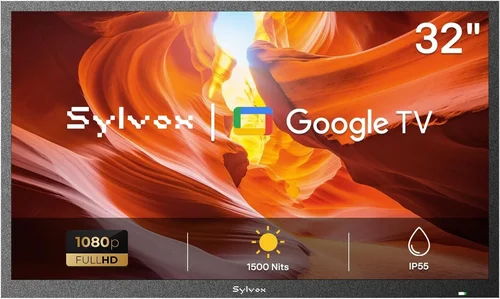
❌ Mistake: Buying an Indoor TV for Outdoor Use
Why it’s bad: Indoor TVs are not designed to handle moisture, temperature extremes, or UV exposure. Even with a weatherproof cover, they can overheat, suffer from screen fogging, or corrode internally. Salt air accelerates this damage, often leading to failure within months.
What to do instead: Invest in a TV specifically rated for outdoor use. Look for models with IP55 or higher ratings and outdoor certifications. If budget is tight, consider a partial-shade model for covered areas.
❌ Mistake: Ignoring the IP Rating
Why it’s bad: Without a proper IP rating, you have no guarantee the TV can withstand rain, spray, or dust. A TV marketed as “weather-resistant” without an IP code may only be splash-proof, not suitable for coastal conditions.
What to do instead: Always check the IP rating. For coastal homes, aim for IP65 or higher. Verify the rating with the manufacturer if it’s not clearly listed.
❌ Mistake: Overlooking Screen Brightness
Why it’s bad: A dim screen will be unwatchable during the day, especially on sunny patios with reflective surfaces. You’ll end up watching a dark, washed-out image, defeating the purpose of an outdoor TV.
What to do instead: Choose a TV with at least 700 nits, preferably 1000+ nits. Look for anti-glare coatings and optical bonding to improve visibility in bright light.
❌ Mistake: Skimping on the Mount
Why it’s bad: A cheap or indoor-rated mount can rust, loosen, or fail in windy coastal conditions, potentially causing the TV to fall and creating a safety hazard.
What to do instead: Use a marine-grade or outdoor-rated mount made from stainless steel or aluminum. Ensure it’s rated for the TV’s weight and allows for proper ventilation.
❌ Mistake: Not Planning for Connectivity
Why it’s bad: Running cables across a patio is unsightly and risky. Exposed wires can degrade from UV exposure or get damaged by foot traffic.
What to do instead: Plan cable routing during installation. Use weatherproof conduit or in-wall wiring if possible. Choose a TV with sufficient ports and consider wireless streaming options.
❌ Mistake: Forgetting About Audio
Why it’s bad: Built-in TV speakers are often weak and muffled outdoors. Wind and ambient noise can make dialogue hard to hear.
What to do instead: Pair your TV with outdoor-rated speakers or a soundbar. Look for weather-resistant models with good bass response and wide dispersion.
❌ Mistake: Not Reading the Warranty Fine Print
Why it’s bad: Many warranties exclude damage from environmental factors like salt air or humidity. You could be stuck with a broken TV and no coverage.
What to do instead: Read the warranty carefully. Choose a brand that explicitly covers outdoor use and environmental damage. Consider an extended warranty if available.
Budget Guidelines: How Much Should You Spend?
Entry-Level ($1,000 – $2,000): At this price point, you’ll find partial-shade outdoor TVs or indoor models with basic weatherproof enclosures. These are suitable for covered patios with minimal sun exposure. Expect lower brightness (500–700 nits), limited smart features, and shorter warranties. Brands like Avid Power offer decent options, but durability may be a concern in harsh coastal environments.
Mid-Range ($2,000 – $3,500): This is the sweet spot for most coastal homeowners. You’ll find fully outdoor-rated TVs with IP65 ratings, 1000+ nits brightness, and robust build quality. Models like the SunBriteTV Veranda series offer excellent value with smart platforms, wide viewing angles, and 3-year warranties. These TVs balance performance, durability, and price.
Premium ($3,500 – $5,500): For those who want the best, premium outdoor TVs deliver top-tier brightness (1500+ nits), advanced anti-glare technology, and commercial-grade components. The SunBriteTV Pro series and Seura Outdoor TVs fall into this category. They’re ideal for full-sun patios and come with extended warranties and professional installation support.
Luxury ($5,500+): At this level, you’re investing in commercial-grade displays designed for 24/7 operation in extreme conditions. These are common in luxury resorts, yachts, and high-end estates. Expect features like fanless cooling, military-grade corrosion resistance, and custom mounting solutions. Brands like Peerless-AV and Samsung’s outdoor commercial line offer these models.
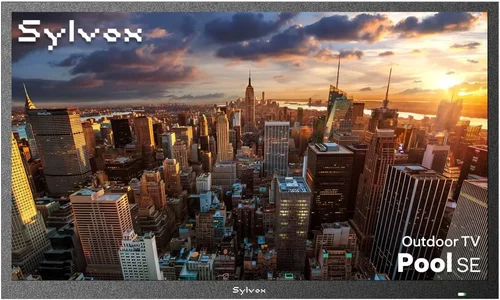
Expert Tips for Getting the Best Deal
- Buy during off-season: Outdoor TVs are in highest demand during spring and summer. Shop in late fall or winter for discounts and promotions.
- Check manufacturer rebates: Brands like SunBriteTV often offer seasonal rebates or bundle deals with mounts and speakers.
- Compare online and in-store: Online retailers may have lower prices, but local dealers can offer installation services and faster support.
- Negotiate with installers: Many outdoor TVs require professional installation. Ask for package deals that include mounting, wiring, and setup.
- Look for refurbished models: Certified refurbished outdoor TVs from reputable sellers can save you 20–30% with full warranty coverage.
- Test before you buy: If possible, visit a showroom to see the TV in person. Check brightness, color accuracy, and remote functionality.
- Read return policies: Ensure the retailer offers a generous return window (30+ days) in case the TV doesn’t meet your expectations.
- Consider energy efficiency: Outdoor TVs can consume more power due to high brightness. Look for ENERGY STAR ratings to save on electricity.

Frequently Asked Questions
Q: Can I use a regular TV outdoors with a cover?
A: While possible in covered, low-exposure areas, it’s not recommended for coastal homes. Indoor TVs lack proper ventilation and corrosion protection. Salt air and humidity can still seep in, causing internal damage. For reliable performance, choose a dedicated outdoor model.
Q: How do I protect my outdoor TV from theft?
A: Use a lockable mount, install motion-sensor lighting, and consider a security camera. Some mounts come with built-in locks, and you can also use cable locks for added protection.
Q: Do outdoor TVs need special power outlets?
A: They use standard 120V outlets, but it’s wise to install a GFCI (Ground Fault Circuit Interrupter) outlet for safety, especially in damp locations. Use a weatherproof outlet cover when the TV is plugged in.
Q: Can I leave my outdoor TV on all the time?
A: Most outdoor TVs are designed for extended use, but continuous operation can reduce lifespan. Use a timer or smart plug to turn it off when not in use, especially overnight.
Q: What’s the difference between partial-shade and all-weather TVs?
A: Partial-shade models are for covered areas with indirect light and protection from rain. All-weather TVs are built for full sun, direct rain, and extreme temperatures, with higher brightness and better sealing.
Q: How often should I clean my outdoor TV?
A: Clean the screen and exterior every 1–2 months with a microfiber cloth and mild cleaner. Avoid abrasive materials. Check seals and ports for debris or corrosion regularly.
Q: Can I mount an outdoor TV on a brick or stucco wall?
A: Yes, but use appropriate anchors and seal the mounting holes with silicone to prevent moisture ingress. Consult a professional if you’re unsure.
Q: Do outdoor TVs come with built-in heaters for cold weather?
A: Some premium models include internal heaters to prevent condensation in cold, humid conditions. Check the specs if you live in a region with freezing winters.
Q: Are outdoor TVs compatible with streaming devices?
A: Most have built-in smart platforms, but you can also connect external devices like Roku, Apple TV, or Fire Stick via HDMI. Ensure the ports are accessible and protected.
Q: How long do outdoor TVs typically last?
A: With proper installation and maintenance, a quality outdoor TV can last 7–10 years or more in coastal environments. Cheaper models may fail in 3–5 years.
Our Final Recommendations
Best for Budget-Conscious Buyers: SunBriteTV Veranda Series (55-inch) – Offers excellent value with IP55 rating, 1000 nits brightness, and a 3-year warranty. Ideal for covered patios.
Best Overall Value: Seura Outdoor TV (65-inch) – Combines sleek design, 1200 nits brightness, and robust build quality. Great for partial to full sun exposure.
Best Premium Option: SunBriteTV Pro Series (75-inch) – Built for extreme conditions with 2000+ nits, fanless cooling, and military-grade corrosion resistance. Perfect for full-sun coastal patios.
Best for Beginners: Avid Power Outdoor TV (50-inch) – Affordable entry point with decent brightness and weather resistance. Good for screened-in porches.
Best for Advanced Users: Peerless-AV Xtreme Outdoor Display (86-inch) – Commercial-grade performance with 24/7 operation capability, ideal for large estates or hospitality use.
Conclusion: Making the Right Choice
Choosing the right patio TV for a coastal home is about more than just screen size or brand name—it’s about investing in a product that can withstand the unique challenges of seaside living. From salt air and humidity to intense sunlight and wind, every element must be considered to ensure your TV delivers years of reliable performance. By prioritizing weather resistance, screen brightness, build quality, and smart features, you can transform your outdoor space into a true entertainment destination.
Remember, the cheapest option isn’t always the best long-term value. A well-chosen outdoor TV may cost more upfront, but it will save you from frequent replacements and repairs. Take the time to assess your patio’s exposure, seating layout, and connectivity needs. Read reviews, compare warranties, and consult with professionals if needed. And don’t forget the little details—like a quality mount, proper cable management, and outdoor audio—that complete the experience.
Ultimately, the right TV will let you enjoy your coastal lifestyle to the fullest—whether you’re watching the sunrise with coffee, hosting a beachside barbecue, or unwinding under the stars. With the insights from this guide, you’re now equipped to make a confident, informed decision. So go ahead, elevate your patio, and start enjoying outdoor entertainment like never before.

