
Outdoor living spaces have evolved dramatically over the past decade. What was once just a place for grilling and lounging has transformed into fully functional extensions of our homes—complete with outdoor kitchens, fire pits, and yes, even televisions. For homeowners with small patios, adding a weatherproof TV can elevate the entire experience, turning a modest outdoor area into a cozy entertainment zone perfect for movie nights under the stars, watching sports with friends, or simply unwinding after a long day.
But here’s the catch: not all TVs are built to withstand the elements. Standard indoor TVs exposed to rain, humidity, dust, or extreme temperatures will fail quickly—often within months. That’s why investing in a purpose-built weatherproof TV is essential. These specialized displays are engineered with sealed enclosures, corrosion-resistant materials, and thermal management systems designed to handle everything from summer heatwaves to winter chills. However, the market is crowded with options ranging from budget-friendly models to high-end outdoor displays, making it difficult to know which one truly fits your needs—especially when space is limited.
This comprehensive buyer’s guide is designed to cut through the noise and help you make an informed decision. Whether you’re looking to install a TV on a covered balcony, a screened-in porch, or a small open-air patio, we’ll walk you through every critical factor—from durability and performance to budget considerations and smart features. You’ll learn how to evaluate build quality, understand IP ratings, compare display technologies, avoid common pitfalls, and ultimately choose a weatherproof TV that delivers both reliability and value. By the end of this guide, you’ll have the confidence to select the perfect outdoor display for your small patio setup.

What to Look for When Buying Buying Guide
1. IP Rating & Weather Resistance
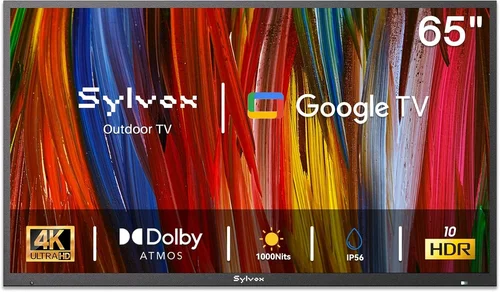
The most fundamental consideration when choosing a weatherproof TV is its Ingress Protection (IP) rating. This two-digit code tells you exactly how well the TV resists dust and water. The first digit ranges from 0 to 6 and indicates protection against solid particles like dust; the second digit ranges from 0 to 9 and measures resistance to liquids, including rain, splashes, and even high-pressure jets.
For small patios—even those that are partially covered—you should aim for at least an IP55 rating. This means the TV is protected from limited dust ingress and low-pressure water jets from any direction. If your patio is fully exposed or located in a region with heavy rainfall or snow, consider models with IP65 or higher. An IP65-rated TV is dust-tight and can withstand powerful water jets, making it ideal for year-round use in harsh climates.
Don’t confuse IP ratings with “weather-resistant” marketing claims. Many manufacturers label their TVs as “outdoor-ready” without specifying an official IP rating, which often means they’re only suitable for fully enclosed spaces like sunrooms. Always verify the exact IP certification before purchasing.
2. Display Technology & Brightness
Not all outdoor TVs use the same display technology, and this significantly impacts visibility in daylight. Most weatherproof TVs fall into three categories: LCD with LED backlighting, OLED, and specialized high-brightness LCD panels designed for outdoor use.
Standard indoor LCD TVs typically peak at around 300–400 nits of brightness—fine for dim living rooms but nearly invisible in direct sunlight. Outdoor TVs, by contrast, often deliver 700 nits or more, with premium models exceeding 2,500 nits. This extra luminance combats glare and reflections, ensuring you can still see the screen clearly on sunny afternoons.
OLED TVs offer superior contrast and color accuracy but are generally not recommended for outdoor use unless specifically designed for it. Standard OLED panels struggle in bright conditions and are more susceptible to image retention when displaying static content (like news tickers or sports scores) for extended periods. However, some newer outdoor-specific OLED models now include anti-reflective coatings and enhanced brightness modes that make them viable for shaded patios.
For small patios where viewing angles may be tight and ambient light varies, look for a TV with at least 1,000 nits of brightness, local dimming (for better contrast), and an anti-glare screen coating. These features work together to maintain image quality regardless of the time of day.
3. Thermal Management & Operating Temperature Range
Electronics generate heat, and in an outdoor environment, that heat has nowhere to go—unless the TV is properly engineered. Poor thermal management leads to overheating, reduced lifespan, and potential shutdowns during peak usage. This is why thermal design is just as important as weather sealing.
Quality weatherproof TVs include built-in cooling fans, heat sinks, and ventilation systems that operate silently and efficiently. Some models even feature dual cooling zones—one for the display panel and another for the internal electronics—to prevent hotspots. Additionally, they’re designed to function reliably across a wide temperature range, typically from -22°F to 122°F (-30°C to 50°C).
If you live in an area with extreme seasonal swings—scorching summers or freezing winters—check the manufacturer’s specified operating temperature range. Avoid TVs that only list a “storage” temperature range, as this doesn’t guarantee performance during active use. Also, ensure the TV has automatic thermal throttling or shutdown protection to prevent damage during unexpected heatwaves.
4. Build Quality & Materials
A weatherproof TV isn’t just about electronics—it’s also about construction. The housing must resist rust, UV degradation, and physical impacts. Look for enclosures made from powder-coated aluminum or marine-grade stainless steel, both of which offer excellent corrosion resistance. Avoid plastic housings unless they’re specifically rated for outdoor use and reinforced with UV stabilizers.
Pay attention to seam sealing. Even the smallest gap can allow moisture to seep in over time. Premium models use gaskets, silicone seals, and fully welded joints to create a watertight barrier. Some brands go further by encapsulating the entire internal circuitry in conformal coating—a protective layer that shields components from moisture and dust.
Mounting hardware is another often-overlooked aspect. Ensure the TV comes with or is compatible with VESA-standard outdoor mounts that are also weatherproof. Using indoor mounts outdoors can lead to rust, instability, and eventual failure—especially in windy conditions.
5. Smart Features & Connectivity
Just because a TV is built for the outdoors doesn’t mean it should lack modern conveniences. Most weatherproof TVs now come with integrated smart platforms like Android TV, webOS, or Roku, allowing you to stream content directly without needing an external box. This is especially useful for small patios where space for additional devices is limited.
Check for Wi-Fi 6 or dual-band Wi-Fi support to ensure stable streaming, even at a distance from your router. Bluetooth connectivity is also valuable for pairing wireless speakers or headphones—ideal for late-night viewing without disturbing neighbors.
Inputs matter too. Look for multiple HDMI ports (preferably HDMI 2.1 for future-proofing), USB ports for media playback, and optical audio outputs if you plan to connect a soundbar or external audio system. Some models include built-in speakers, but these are often underpowered; consider pairing your TV with weatherproof outdoor speakers for a richer audio experience.
6. Size & Viewing Distance
Small patios mean limited wall space and shorter viewing distances. A 75-inch TV might look impressive on paper, but on a 6-foot-wide wall just 8 feet from your seating area, it could overwhelm the space and cause eye strain. Conversely, a 32-inch screen might be too small to enjoy from a distance.
As a general rule, your TV size should be roughly one-third to one-half the distance (in inches) from your primary seating spot. So, if you’re sitting 8 feet (96 inches) away, a 40–50 inch TV is ideal. For tighter spaces—like a balcony or compact deck—consider 32–43 inch models, which offer a great balance of visibility and proportion.
Also, measure your mounting area carefully. Weatherproof TVs are often slightly larger than their indoor counterparts due to the protective casing. Leave at least 2–3 inches of clearance on all sides for ventilation and cable management.
7. Brand Reputation & Ecosystem Compatibility
Not all outdoor TV brands are created equal. Established names like Samsung, LG, and Sony have begun offering outdoor-specific models, but the market is still dominated by specialists such as SunBriteTV, Seura, and Peerless-AV. These companies focus exclusively on outdoor displays and often provide better support, longer warranties, and more robust designs.
Consider ecosystem compatibility if you already own smart home devices. For example, if you use Apple TV or Amazon Fire TV sticks indoors, choosing a weatherproof TV with HDMI-CEC or AirPlay 2 support simplifies control and integration. Some models even work with voice assistants like Alexa or Google Assistant.
Research customer service responsiveness. Outdoor TVs are long-term investments, and you’ll want a brand that stands behind its products with accessible technical support and local repair options.
8. Warranty & Support
A strong warranty is a strong indicator of a manufacturer’s confidence in their product. Most reputable weatherproof TVs come with at least a 2-year limited warranty, covering defects, weather-related failures, and sometimes even accidental damage. Premium brands often extend this to 3–5 years.
Read the fine print: some warranties only cover indoor use or require professional installation to remain valid. Others exclude damage from improper mounting or extreme weather events. Look for comprehensive coverage that includes both parts and labor, and check whether on-site service is available in your area.
Customer support should also be readily accessible via phone, email, or live chat. Avoid brands with no clear support channels or those that redirect you to third-party service centers with long wait times.
Different Types of Buying Guide

Common Buying Mistakes to Avoid
❌ Mistake: Assuming All “Outdoor” TVs Are Truly Weatherproof
Why it’s bad: Many retailers market standard indoor TVs as “suitable for outdoor use” simply because they come with a basic cover or are sold alongside patio furniture. These TVs lack proper sealing, thermal management, and UV protection, leading to premature failure.
What to do instead: Always verify the IP rating and look for certifications from independent testing labs. If the product description doesn’t clearly state weatherproofing specs, assume it’s not safe for outdoor installation.
❌ Mistake: Ignoring Viewing Angle and Sunlight Exposure
Why it’s bad: Placing a TV in direct sunlight without adequate brightness or anti-glare coating results in a washed-out, unwatchable image—even on cloudy days. Similarly, mounting the TV where viewers must look up or sideways causes neck strain and reduces immersion.
What to do instead: Assess your patio’s sun patterns throughout the day. Choose a shaded or covered spot, and opt for a TV with high brightness (1,000+ nits) and wide viewing angles (178° horizontal/vertical). Use adjustable mounts to fine-tune the tilt.
❌ Mistake: Overlooking Audio Needs
Why it’s bad: Most weatherproof TVs have weak built-in speakers due to space and sealing constraints. Relying solely on them leads to tinny, quiet audio that ruins the experience—especially with ambient noise from traffic or nature.
What to do instead: Plan for external audio from day one. Invest in weatherproof Bluetooth speakers, a soundbar with outdoor rating, or wired outdoor speaker systems. Ensure your TV has the necessary audio outputs.
❌ Mistake: Skimping on Mounting Hardware
Why it’s bad: Using indoor mounts or cheap aftermarket brackets outdoors invites rust, instability, and potential collapse—especially in windy conditions. This not only damages the TV but also poses a safety hazard.
What to do instead: Purchase VESA-compatible outdoor mounts specifically rated for your TV’s weight and size. Look for powder-coated steel or aluminum construction with corrosion-resistant bolts.
❌ Mistake: Not Planning for Cable Management
Why it’s bad: Exposed cables are unsightly, prone to weather damage, and can become tripping hazards. They also make it easier for pests to chew through wiring.
What to do instead: Use waterproof cable conduits or raceways to route power and HDMI cables neatly along walls or under decking. Choose TVs with rear cable channels or built-in management systems.
❌ Mistake: Forgetting About Power Source and Accessibility
Why it’s bad: Running extension cords across a patio is dangerous and violates electrical codes. Without a nearby GFCI outlet, you risk shock or fire, especially in wet conditions.
What to do instead: Have a licensed electrician install a dedicated outdoor-rated GFCI outlet near your TV location before mounting. This ensures safety and compliance with local regulations.
❌ Mistake: Buying Based Solely on Price
Why it’s bad: The cheapest option often lacks critical features like proper sealing, thermal management, or smart functionality. You may end up replacing it within a year, costing more in the long run.
What to do instead: Treat your outdoor TV as a long-term investment. Prioritize durability, warranty, and performance over upfront savings. A mid-range model with strong reviews will outlast and outperform a bargain bin alternative.
Budget Guidelines: How Much Should You Spend?
Weatherproof TVs span a wide price spectrum, and your budget should align with your usage needs, climate, and how much you value longevity and performance.
Entry-Level ($500–$1,200): This tier includes indoor TVs paired with third-party outdoor enclosures or basic partial-cover models. They’re suitable for fully shaded, covered patios with minimal exposure to rain or humidity. Expect lower brightness (500–700 nits), limited smart features, and shorter warranties (1–2 years). Ideal for occasional use or renters who can’t make permanent modifications.
Mid-Range ($1,200–$2,500): This is the sweet spot for most homeowners with small patios. These TVs offer true weatherproofing (IP55 or higher), brightness levels of 1,000–1,500 nits, reliable thermal management, and full smart functionality. Brands like SunBriteTV and Seura dominate this category with models designed for covered outdoor spaces. You’ll get 2–3 year warranties and solid build quality that lasts 5–7 years with proper care.
Premium ($2,500–$4,000): For enthusiasts and those in extreme climates, premium models deliver top-tier performance. Expect brightness exceeding 2,000 nits, OLED or QLED panels with anti-reflective coatings, advanced cooling systems, and commercial-grade durability. These TVs are built to withstand full exposure and often include extended warranties (3–5 years) and professional installation support. Perfect for uncovered patios, coastal areas, or regions with harsh winters.
Luxury ($4,000+): At this level, you’re paying for cutting-edge technology, bespoke designs, and uncompromising reliability. Think ultra-bright 4K HDR displays, integrated sound systems, custom finishes, and smart home integration. These are often used in high-end resorts, luxury homes, or commercial settings. While overkill for most small patios, they represent the pinnacle of outdoor entertainment.
Expert Tips for Getting the Best Deal
- Shop During Off-Seasons: The best time to buy a weatherproof TV is in late fall or winter (November–February). Demand drops after summer, and retailers often discount inventory to clear space for new models. You can save 15–25% compared to spring and early summer pricing.
- Compare Direct vs. Retailer Pricing: Many outdoor TV brands sell directly through their websites with exclusive bundles (e.g., free mount or extended warranty). However, big-box retailers like Best Buy or specialty AV stores may offer price matching, financing, or in-person support. Always compare total cost, including shipping and installation.
- Look for Certified Refurbished Units: Reputable brands like SunBriteTV offer certified refurbished models at 20–30% off retail. These units are thoroughly tested, come with full warranties, and are indistinguishable from new ones. A great way to get premium features on a mid-range budget.
- Bundle with Installation Services: Some dealers offer discounted or free professional installation when you purchase a TV. This ensures proper mounting, cable routing, and electrical safety—worth the peace of mind, especially for wall-mounted setups.
- Check Return Policies Carefully: Outdoor TVs are often non-returnable once installed due to their specialized nature. Ensure the seller offers at least a 30-day return window and covers return shipping. Avoid retailers with restocking fees or “final sale” policies.
- Read Real User Reviews: Skip the glossy marketing photos and dive into customer reviews on Amazon, Best Buy, or AV forums. Look for comments about real-world performance in rain, heat, or cold—and how the TV held up after 1–2 years of use.
- Negotiate with Local Dealers: Independent AV installers often have relationships with manufacturers and can secure better pricing than online retailers. Don’t hesitate to ask for a discount, especially if you’re bundling multiple services.
- Consider Energy Efficiency: High-brightness TVs consume more power. Look for ENERGY STAR certification or models with eco modes that reduce brightness when ambient light is low. This lowers electricity bills and extends component life.

Frequently Asked Questions
Q: Can I use a regular TV outdoors if it’s under a roof?
A: Technically yes, but it’s not recommended. Even under cover, humidity, temperature swings, and indirect moisture can damage internal components over time. A true weatherproof TV is engineered to handle these conditions safely and reliably.
Q: Do weatherproof TVs need special maintenance?
A: Minimal maintenance is required. Wipe the screen and housing with a soft, dry cloth periodically to remove dust or pollen. Avoid harsh cleaners. Check seals and vents annually for debris. Most models are designed to be virtually maintenance-free.
Q: Will a weatherproof TV work in freezing temperatures?
A: Yes, if it’s rated for low-temperature operation (typically down to -22°F). These TVs use special capacitors and lubricants that function in cold climates. However, avoid turning them on immediately after exposure to extreme cold—let them acclimate for 30–60 minutes first.
Q: Can I mount a weatherproof TV on a brick or concrete wall?
A: Absolutely. Use masonry anchors and a heavy-duty outdoor mount. Ensure the wall can support the TV’s weight (usually 30–60 lbs). For stucco or siding, consult a professional to avoid structural damage.
Q: Are weatherproof TVs compatible with streaming devices like Roku or Apple TV?
A: Yes, most have multiple HDMI ports for external devices. However, consider using the built-in smart platform to reduce clutter and simplify control. If you prefer a specific streaming stick, ensure the TV has an accessible HDMI port behind the sealed panel.
Q: How long do weatherproof TVs typically last?
A: With proper installation and care, expect 7–10 years of reliable service. Premium models with robust build quality can last even longer. This far exceeds the 2–3 year lifespan of an indoor TV used outdoors.
Q: Do I need a surge protector for my outdoor TV?
A: Yes! Outdoor electronics are vulnerable to power surges from lightning or grid fluctuations. Use a high-quality outdoor-rated surge protector or install a whole-house surge suppression system for maximum protection.
Q: Can I paint or customize the exterior of a weatherproof TV?
A: No. Painting or modifying the housing compromises the weather sealing and voids the warranty. If you want a custom look, choose a model with interchangeable bezels or consult the manufacturer for approved customization options.
Q: Are there solar-powered weatherproof TV options?
A: Not yet for full-sized displays, but portable solar-powered projectors and small all-in-one units are emerging. For now, a wired connection to a GFCI outlet remains the safest and most reliable power source.
Our Final Recommendations
Best for Budget-Conscious Buyers: SunBriteTV Veranda Series (43″) – At around $1,200, this model offers true IP55 weatherproofing, 1,000-nit brightness, and Android TV integration. Ideal for covered patios and delivers excellent value without sacrificing core features.
Best Overall Value: Seura Shadow 4K Ultra Bright (50″) – Priced near $2,000, it combines stunning 4K HDR imagery, 1,500-nit brightness, and a sleek design. Its anti-reflective screen and robust build make it perfect for small patios with partial sun exposure.
Best Premium Option: Peerless-AV Xtreme High Brightness Outdoor Display (55″) – With 2,500+ nits, IP65 rating, and commercial-grade durability, this TV handles full exposure with ease. Ideal for uncovered patios in harsh climates. Comes with a 3-year warranty and professional support.
Best for Beginners: Samsung The Terrace Partial Sun (43″) – Samsung’s entry into the outdoor market brings familiar smart features (Tizen OS), easy setup, and reliable performance for shaded areas. Great for those already invested in the Samsung ecosystem.
Best for Advanced Users: SunBriteTV Pro Series with OLED (55″) – For tech enthusiasts who want the deepest blacks and widest color gamut, this OLED outdoor TV delivers cinema-quality visuals in daylight. Requires a covered but well-lit space and comes with a premium price tag (~$3,500).
Conclusion: Making the Right Choice
Adding a weatherproof TV to your small patio is more than just a luxury—it’s an investment in your outdoor lifestyle. The right model transforms a simple seating area into a vibrant entertainment hub where you can enjoy everything from morning news to late-night movies, all while soaking in the fresh air.
As you’ve learned, the key to success lies in understanding your environment, prioritizing durability and performance, and avoiding common pitfalls like underestimating weather exposure or overlooking audio needs. Don’t let a tight space limit your ambitions; even a modest patio can host a high-quality outdoor display with the right planning and product selection.
Remember, the cheapest option isn’t always the most cost-effective, and the flashiest specs don’t guarantee real-world reliability. Focus on verified IP ratings, thermal management, brightness, and brand reputation. Take advantage of seasonal sales, read real user reviews, and consider professional installation for peace of mind.
Ultimately, the best weatherproof TV for your small patio is the one that matches your climate, fits your space, aligns with your budget, and enhances your enjoyment for years to come. Use this guide as your roadmap, trust your priorities, and make a choice that brings you closer to the outdoor living experience you’ve always wanted.

