
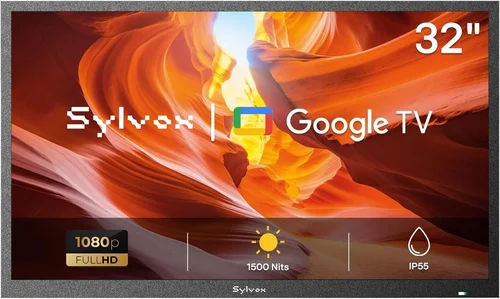
Outdoor entertaining has evolved dramatically over the past decade, and nothing says “summer party ready” quite like a weatherproof TV. Whether you’re hosting a backyard barbecue, watching the big game under the stars, or setting up a poolside cinema night, a high-quality outdoor display transforms your space into a true entertainment hub. But with so many options flooding the market in 2026—ranging from budget-friendly models to ultra-premium smart displays—it’s easy to feel overwhelmed. That’s where this comprehensive buying guide comes in.
This guide is designed for homeowners, outdoor enthusiasts, and anyone serious about upgrading their alfresco lifestyle. We’ll walk you through every critical factor you need to consider before making a purchase, from build quality and performance specs to real-world durability and smart features. You’ll learn how to distinguish between marketing hype and genuine value, avoid common pitfalls, and ultimately choose a weatherproof TV that delivers stunning visuals, reliable performance, and long-term satisfaction—no matter the weather. By the end, you’ll have the confidence to invest wisely in a product that enhances your summer gatherings for years to come.
The weatherproof TV market in 2026 is more competitive than ever. Major electronics brands like Samsung, LG, Sony, and TCL now offer dedicated outdoor models, while specialized manufacturers such as SunBriteTV, Seura, and Peerless continue to dominate the premium segment. Simultaneously, new entrants are pushing innovation with brighter panels, better anti-glare coatings, and integrated smart platforms optimized for outdoor use. With prices ranging from under $500 to well over $5,000, there’s truly something for every budget and use case—but not all outdoor TVs are created equal. This guide cuts through the noise to help you find the perfect match for your needs.

What to Look for When Buying Buying Guide
1. IP Rating & Weather Resistance
The most fundamental consideration when choosing a weatherproof TV is its Ingress Protection (IP) rating. This two-digit code tells you exactly how well the TV resists dust and moisture. For outdoor use, you should look for at least an IP55 rating—meaning the unit is protected against dust ingress (limited) and water jets from any direction. However, for full four-season durability or installations in exposed areas like patios, decks, or near pools, aim for IP65 or higher. An IP65 rating ensures complete dust protection and resistance to low-pressure water streams, making it ideal for rainy climates or coastal regions.
Beyond the IP rating, examine the TV’s internal components. Premium models often feature conformal-coated circuit boards, sealed ports, and corrosion-resistant materials to prevent damage from humidity, salt air, or temperature swings. Some brands also include built-in heaters or cooling fans to maintain optimal operating temperatures in extreme heat or cold. Don’t assume that “outdoor-rated” automatically means rugged—always verify the specific IP rating and construction details.
2. Brightness & Anti-Glare Performance
Standard indoor TVs typically peak at 300–500 nits of brightness—adequate for dimly lit living rooms but utterly inadequate for sunny patios. Outdoor TVs must combat ambient light, especially direct sunlight, which can wash out images and make content unwatchable. In 2026, top-tier outdoor models deliver 1,000 to 2,500 nits or more, ensuring crisp, vibrant visuals even at midday.
Brightness alone isn’t enough. You also need advanced anti-reflective coatings and optically bonded screens. These technologies reduce glare by minimizing surface reflections and improving contrast in bright conditions. Look for terms like “direct sunlight readable,” “high-brightness LED backlight,” or “anti-glare tempered glass.” Some manufacturers use quantum dot or mini-LED backlighting to enhance color accuracy and local dimming, further boosting perceived brightness and black levels.
For shaded areas or evening use, a TV with 700–1,000 nits may suffice, but if your screen will be visible in partial or full sun, don’t compromise—opt for at least 1,500 nits. Also consider the viewing angle: wide-angle panels (178°) ensure consistent image quality whether you’re seated directly in front or off to the side during a group gathering.
3. Build Quality & Durability
Outdoor TVs endure far harsher conditions than their indoor counterparts. Temperature fluctuations, UV exposure, wind, and accidental impacts all take a toll over time. That’s why build quality is non-negotiable. Start with the chassis: look for powder-coated aluminum or stainless steel enclosures that resist rust and fading. Avoid plastic housings unless they’re specifically engineered for outdoor use (e.g., UV-stabilized polycarbonate).
Pay attention to the screen itself. Tempered glass with oleophobic coating not only resists scratches but also repels fingerprints and water spots—a huge plus during cocktail hour. Internal components should be potted or sealed to prevent condensation damage. High-end models often undergo rigorous testing, including thermal cycling (-22°F to 122°F), salt spray resistance, and drop tests.
Mounting hardware matters too. Ensure the TV supports VESA-compatible outdoor mounts rated for your climate. Many manufacturers sell proprietary wall or ceiling brackets designed to withstand wind loads and provide secure tilt/swivel adjustments. A poorly mounted TV can become a liability in storms or high winds.
4. Smart Features & Connectivity
Just because a TV lives outside doesn’t mean it should lack modern conveniences. In 2026, most weatherproof TVs come equipped with full smart platforms—think webOS, Android TV, Roku, or proprietary systems like Samsung’s Tizen. These allow seamless streaming from Netflix, YouTube, Disney+, and more, all without needing an external box.
Check for Wi-Fi 6 or Wi-Fi 6E support for faster, more reliable streaming in outdoor environments where signal strength may vary. Bluetooth connectivity enables wireless audio to outdoor speakers or soundbars. HDMI 2.1 ports are essential for gamers or those connecting set-top boxes, while USB ports let you play media directly from flash drives.
Voice control via Alexa, Google Assistant, or Siri is increasingly common and incredibly convenient when your hands are full with drinks or food. Some models even include built-in microphones and cameras for video calls—perfect for checking in with family indoors while you’re manning the grill.
However, be cautious: not all “smart” outdoor TVs receive regular software updates. Choose brands known for long-term support (e.g., Samsung, LG) to avoid obsolescence within a few years.
5. Size & Viewing Distance
Selecting the right screen size depends on your available space and typical viewing distance. For most backyard setups, a 55-inch to 65-inch TV offers an immersive experience without overwhelming the area. Use the 1.5x rule: multiply your seating distance (in inches) by 1.5 to determine the ideal diagonal screen size. For example, if viewers sit 8 feet (96 inches) away, a 55–65-inch TV is optimal.
Larger screens (75 inches and up) work well for expansive decks or open yards but require higher brightness and stronger mounting solutions. Conversely, smaller 43-inch models are great for compact patios, garages, or covered porches. Remember that outdoor TVs are heavier than indoor ones due to reinforced casings—ensure your wall or stand can support the weight.
Portability is another factor. Some manufacturers offer freestanding outdoor TVs with built-in bases or wheels, ideal for renters or those who want flexibility. These are typically more expensive but eliminate the need for permanent installation.
6. Audio Capabilities
Built-in speakers on outdoor TVs are often underpowered due to space and weatherproofing constraints. While they’re fine for casual listening, they rarely deliver the rich, room-filling sound needed for parties. Most experts recommend pairing your weatherproof TV with external outdoor speakers or a weather-resistant soundbar.
That said, some 2026 models include enhanced audio features like Dolby Atmos decoding, upward-firing drivers, or dedicated subwoofer outputs. If you plan to rely on internal audio, look for TVs with at least 20W total output and clear midrange reproduction. Avoid models that emphasize bass-heavy tuning—outdoor acoustics already amplify low frequencies, leading to muddy sound.
For the best experience, invest in a wireless outdoor audio system. Many modern TVs support Bluetooth 5.2 or Wi-Fi-based multiroom audio (e.g., Sonos, Bose SoundTouch), allowing you to sync sound across multiple zones—perfect for spreading music from the patio to the pool area.
7. Brand Reputation & Ecosystem Compatibility
Not all outdoor TV brands are equal in terms of reliability, customer service, and ecosystem integration. Established names like Samsung, LG, and Sony bring decades of display expertise and robust app ecosystems. Specialized brands like SunBriteTV (a subsidiary of Peerless-AV) focus exclusively on outdoor displays, offering unmatched durability and field-tested designs.
Consider how the TV fits into your existing smart home setup. If you already use Samsung SmartThings or Google Home, choosing a compatible TV simplifies control and automation. Similarly, if you own other outdoor tech (e.g., security cameras, lighting), look for brands that support unified platforms.
Read professional reviews and user forums to gauge long-term reliability. Some budget outdoor TVs suffer from premature backlight failure or moisture ingress after 1–2 seasons. Paying a premium for a reputable brand often translates to better engineering, longer lifespan, and responsive support.
8. Warranty & Support
Outdoor electronics carry higher risk, so warranty coverage is critical. Most reputable manufacturers offer 2–3 years of limited warranty, but some extend coverage to 5 years for commercial-grade models. Check what’s included: does it cover accidental damage, corrosion, or image retention? Is on-site service available?
Avoid brands with vague or restrictive warranties. Look for clear terms, easy claim processes, and U.S.-based customer support. Some companies even offer extended protection plans that include annual maintenance checks—worth considering if you live in a harsh climate.
Also verify return policies. Since outdoor TVs are bulky and expensive to ship, ensure the retailer allows returns within at least 30 days, preferably with free return shipping. This gives you time to test performance in your actual environment before committing.
Different Types of Buying Guide

Common Buying Mistakes to Avoid
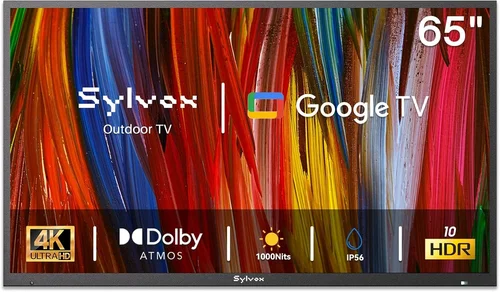
❌ Mistake: Assuming All “Outdoor” TVs Are Created Equal
Why it’s bad: Many retailers market standard indoor TVs as “outdoor-ready” simply because they come with a weatherproof cover. These covers don’t protect internal components from humidity, temperature swings, or UV damage—leading to premature failure.
What to do instead: Only buy TVs specifically engineered for outdoor use with verified IP ratings, sealed internals, and high-brightness panels. Verify the model number against the manufacturer’s official outdoor lineup.
❌ Mistake: Ignoring Viewing Conditions
Why it’s bad: A TV that looks great in a shaded porch may be unwatchable on a sun-drenched deck. Choosing based solely on price or brand without considering ambient light leads to disappointment.
What to do instead: Assess your installation spot honestly. Measure sunlight exposure throughout the day. If direct sun hits the screen for more than 2 hours, prioritize 1,500+ nits brightness and anti-glare coating.
❌ Mistake: Overlooking Audio Needs
Why it’s bad: Relying on built-in speakers results in tinny, quiet audio that ruins the party vibe. Guests end up straining to hear dialogue or music.
What to do instead: Budget for a separate outdoor sound system from day one. Pair your TV with weather-resistant speakers or a soundbar designed for open-air acoustics.
❌ Mistake: Skimping on Mounting Hardware
Why it’s bad: Using indoor mounts or flimsy brackets can cause the TV to wobble, tilt, or even fall in windy conditions—posing a safety hazard.
What to do instead: Invest in a certified outdoor mount rated for your TV’s weight and your local wind load. Consider tilt or full-motion arms for optimal viewing angles.
❌ Mistake: Neglecting Long-Term Maintenance
Why it’s bad: Outdoor TVs require periodic cleaning and inspection. Dust, pollen, and bird droppings can degrade performance and shorten lifespan if ignored.
What to do instead: Clean the screen monthly with a microfiber cloth and mild cleaner. Check seals and ports annually. Some premium models include self-cleaning coatings—look for these if maintenance is a concern.
❌ Mistake: Buying Without Testing
Why it’s bad: Online specs don’t always reflect real-world performance. Color accuracy, motion handling, and smart features may fall short of expectations.
What to do instead: If possible, view the TV in person at a specialty retailer. Many outdoor electronics dealers offer demo units in simulated outdoor settings. Alternatively, choose retailers with generous return policies.
❌ Mistake: Forgetting About Power & Connectivity
Why it’s bad: Running extension cords across your yard creates tripping hazards and looks messy. Poor Wi-Fi signal leads to buffering during crucial moments.
What to do instead: Plan your power source and network setup in advance. Use outdoor-rated extension cords or hire an electrician to install a dedicated outlet. Boost Wi-Fi with a mesh extender or outdoor access point.
Budget Guidelines: How Much Should You Spend?
Entry-Level ($400 – $900): These are typically indoor TVs sold with optional weatherproof covers or basic outdoor enclosures. They offer limited brightness (300–600 nits), minimal weather resistance (IP44 or lower), and standard smart features. Best for covered, low-exposure areas and occasional summer use. Expect a lifespan of 2–3 seasons with proper care.
Mid-Range ($900 – $2,500): This is the sweet spot for most homeowners. These TVs feature true outdoor engineering—IP55 or IP65 ratings, 700–1,500 nits brightness, anti-glare screens, and reliable smart platforms. Brands like TCL, Hisense, and Vizio offer compelling options here. Ideal for partially shaded patios, garages, or three-season use.
Premium ($2,500 – $5,000): Designed for full outdoor exposure, these models boast 1,500–2,500 nits brightness, all-season durability, advanced thermal management, and premium audio. Look for SunBriteTV Veranda or Samsung’s The Terrace series. Perfect for sunny decks, pool areas, or four-season climates.
Luxury ($5,000+): Reserved for enthusiasts and commercial applications, these TVs offer commercial-grade construction, 24/7 operation capability, ultra-high brightness (2,500+ nits), and enterprise-level support. Examples include Peerless-AV’s Xtreme series or LG’s Ultra-Stable Outdoor Displays. Justified only for high-traffic venues or extreme environments.
Expert Tips for Getting the Best Deal
- Shop During Off-Season: Prices drop significantly in late fall and winter (October–February) when demand is lowest. Retailers clear inventory to make room for new models.
- Compare Authorized Dealers: Avoid third-party sellers on marketplaces. Buy directly from manufacturer websites or authorized outdoor electronics retailers (e.g., Crutchfield, Abt, Best Buy Pro) for full warranty coverage.
- Bundle with Accessories: Some retailers offer discounts when you purchase a TV with a mount, soundbar, or extended warranty. These bundles can save $100–$300.
- Check for Rebates & Incentives: Utility companies and local governments sometimes offer rebates for energy-efficient outdoor electronics. Samsung and LG occasionally run trade-in programs.
- Negotiate for Installation: Many dealers provide free or discounted professional installation with purchase—especially valuable for wall-mounted setups requiring electrical work.
- Read the Fine Print on Returns: Ensure the return window is at least 30 days and covers “buyer’s remorse.” Some outdoor TVs are final sale due to their specialized nature.
- Test Before Finalizing: If buying locally, ask to see a demo unit powered on outdoors. Check for backlight bleed, color uniformity, and app responsiveness.
- Consider Refurbished Models: Certified refurbished outdoor TVs from reputable brands often come with full warranties and sell for 20–30% less than new.

Frequently Asked Questions
Q: Can I use a regular TV outdoors with a cover?
A: Technically yes, but it’s not recommended for anything beyond very light, occasional use. Standard TVs lack the brightness, thermal regulation, and sealed internals needed for reliable outdoor performance. Moisture can still seep in, and temperature extremes may damage components. For anything more than a covered, shaded area, invest in a true outdoor TV.
Q: Do outdoor TVs need special power outlets?
A: Not necessarily, but they should be plugged into a GFCI (Ground Fault Circuit Interrupter) outlet for safety, especially near water sources like pools or sprinklers. This protects against electrical shock in wet conditions.
Q: How do I clean my weatherproof TV?
A: Use a soft, lint-free microfiber cloth slightly dampened with water or a 50/50 mix of water and isopropyl alcohol. Never spray liquid directly on the screen. Avoid ammonia-based cleaners (like Windex), which can damage anti-reflective coatings.
Q: Will an outdoor TV work in the rain?
A: Yes—if it has an appropriate IP rating (IP55 or higher). The TV is designed to withstand rain, but avoid spraying it directly with high-pressure water (e.g., power washers).
Q: Can I leave my outdoor TV on all the time?
A: Most consumer-grade outdoor TVs are not rated for 24/7 operation. Continuous use can overheat components and shorten lifespan. Commercial models are built for constant use, but residential units should be turned off when not in use.
Q: What’s the difference between “partial shade” and “full sun” outdoor TVs?
A: Partial-shade models (700–1,000 nits) are designed for covered areas with minimal direct sunlight. Full-sun models (1,500+ nits) use brighter backlights, better cooling, and enhanced anti-glare tech to remain visible in direct sunlight.
Q: Do outdoor TVs come with remotes that work in the sun?
A: Most include standard IR remotes, which can struggle in bright light. Consider upgrading to a Bluetooth remote or using a smartphone app for more reliable control.
Q: How long do outdoor TVs last?
A: With proper care, a quality outdoor TV should last 5–8 years. Budget models may fail in 2–3 years, especially in harsh climates. Regular maintenance and seasonal storage (if applicable) extend lifespan.
Q: Can I mount an outdoor TV under a roof overhang?
A: Absolutely—this is one of the best locations. Roof overhangs provide shade and protection from rain while allowing good airflow. Just ensure the mount is securely anchored to structural framing, not just fascia boards.
Q: Are outdoor TVs worth the extra cost?
A: If you entertain outdoors regularly or live in a mild climate, yes. The improved durability, visibility, and reliability justify the premium over indoor TVs. For occasional use in fully covered areas, a mid-range model offers the best balance.
Our Final Recommendations
Best for Budget-Conscious Buyers: TCL 55S550G Outdoor Smart TV – At around $899, this 55-inch model delivers 1,000 nits brightness, IP55 rating, and Roku TV integration. Ideal for covered patios and three-season use.
Best Overall Value: Samsung The Terrace Partial Sun 65″ – Priced at $2,299, it offers 1,500 nits, IP55 protection, Tizen OS, and excellent color accuracy. A versatile choice for most backyard setups.
Best Premium Option: SunBriteTV Veranda Series 75″ – At $4,499, this all-season beast features 2,000 nits, IP65 rating, active cooling, and commercial-grade durability. Perfect for full-sun decks and four-season climates.
Best for Beginners: LG 50UT7000PUA Outdoor-Ready TV – With webOS, 800 nits, and a simple setup, this $1,199 model is user-friendly and great for first-time outdoor TV owners in shaded areas.
Best for Advanced Users: Peerless-AV Xtreme 86″ Commercial Display – A $7,999 powerhouse with 2,500 nits, 24/7 operation, remote monitoring, and vandal-resistant design. Built for demanding environments and tech-savvy users.
Conclusion: Making the Right Choice
Choosing the right weatherproof TV for your summer parties isn’t just about picking the shiniest screen—it’s about aligning your investment with your lifestyle, environment, and entertainment goals. From understanding IP ratings and brightness requirements to avoiding common pitfalls and leveraging expert buying strategies, this guide equips you with everything needed to make a confident, informed decision.
Remember: the best outdoor TV is the one that matches your specific use case. Don’t overspend on features you won’t use, but also don’t cut corners on durability if you plan to enjoy your space year-round. Prioritize brightness for sunny spots, invest in quality audio, and always verify warranty terms. With the right model, your backyard will transform into a vibrant, welcoming hub where memories are made under the open sky.
Now that you’re armed with knowledge, it’s time to take action. Measure your space, assess your lighting conditions, set a realistic budget, and start comparing models from trusted brands. Your perfect summer soiree awaits—and it deserves a TV that keeps up.

