
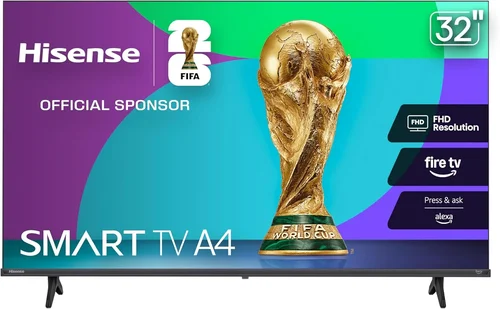
Outdoor living spaces have evolved far beyond simple patios and decks. Today’s screened porches are fully functional extensions of the home—complete with seating, lighting, sound systems, and yes, even televisions. Whether you’re watching the big game under the stars, catching up on your favorite series during a summer evening, or enjoying a movie night with family, an outdoor TV can transform your screened porch into a true entertainment hub. But not all TVs are built to withstand the unique challenges of outdoor environments—even those protected by screens.
That’s where this comprehensive buying guide comes in. With so many options flooding the market—from weatherproof displays to all-weather enclosures and specialized outdoor models—it’s easy to feel overwhelmed. Our goal is to cut through the noise and give you the expert-level insight you need to make a smart, informed decision. You’ll learn what truly matters when choosing an outdoor TV for your screened porch, how to avoid costly mistakes, and which models deliver the best value for your specific needs. From understanding IP ratings to decoding brightness specs and evaluating build quality, we’ve got you covered.
The outdoor TV market has matured significantly over the past few years. What once required bulky, expensive commercial-grade displays now includes sleek, consumer-friendly options that blend performance with durability. Brands like Samsung, LG, Sony, and specialized players like SunBriteTV and Seura have introduced models designed specifically for shaded or semi-covered outdoor areas like screened porches. These aren’t just regular indoor TVs slapped into a weatherproof box—they’re engineered from the ground up to handle temperature swings, humidity, glare, and dust. In this guide, we’ll walk you through every critical factor, compare top categories, and provide actionable advice so you can confidently invest in a TV that will last for years—not just seasons.
What to Look for When Buying an Outdoor TV for Your Screened Porch
1. Weather Resistance & IP Rating
Even though your TV will be installed under a screened porch—protected from direct rain and snow—it’s still exposed to outdoor elements like humidity, dust, pollen, and temperature fluctuations. That’s why weather resistance is non-negotiable. Look for TVs with a solid Ingress Protection (IP) rating. The IP code consists of two digits: the first indicates protection against solid particles (like dust), and the second against liquids (like moisture).
For screened porches, an IP55 or higher rating is ideal. IP55 means the TV is protected against dust ingress (limited to no harmful deposits) and low-pressure water jets from any direction—perfect for areas with occasional splashes or high humidity. Some premium models boast IP65, offering full dust-tight protection and resistance to water projected by a nozzle. Avoid TVs with no IP rating or vague claims like “weather-resistant” without certification—they may fail prematurely in real-world conditions.
2. Brightness & Anti-Glare Performance
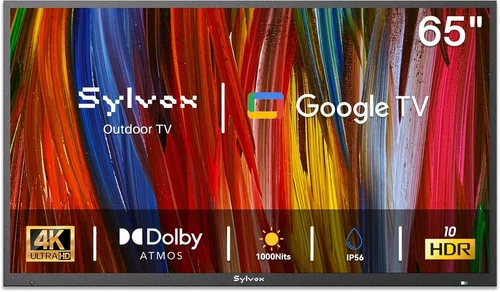
One of the biggest challenges with outdoor viewing—even under a screen—is ambient light. Sunlight filtering through screens, reflections from nearby surfaces, and even artificial lighting at night can wash out your picture. Indoor TVs typically range from 300 to 500 nits of brightness, but that’s insufficient for outdoor use. For a screened porch, you’ll want a TV with at least 700 nits, but ideally 1,000 nits or more.
High brightness ensures colors remain vibrant and details stay sharp even in bright daylight. Additionally, look for TVs with anti-reflective coatings or matte finishes. These reduce glare and improve visibility without sacrificing color accuracy. Some outdoor-specific models also feature optical bonding—a process where the display panel is directly laminated to the glass, minimizing internal reflections and enhancing contrast in bright conditions.
Real-world example: If you plan to watch sports or news during midday, a 1,000-nit TV will deliver a far clearer image than a 500-nit indoor model, even under shade. Test this yourself: try watching an indoor TV on a sunny patio—you’ll quickly see why brightness matters.
3. Build Quality & Durational Materials
Outdoor TVs must endure more than just weather—they face temperature extremes, UV exposure, and potential physical impacts. That’s why build quality is paramount. Look for TVs with powder-coated aluminum or stainless-steel chassis. These materials resist rust, corrosion, and fading far better than plastic or standard metal finishes.
Pay attention to internal components too. High-quality capacitors, sealed circuit boards, and conformal coatings protect electronics from moisture and condensation. Some manufacturers also use passive cooling systems (no fans) to prevent dust buildup and ensure silent operation—ideal for quiet porch environments.
Avoid TVs with flimsy stands or thin bezels that may warp or crack under thermal stress. Also, check if the TV includes a protective front glass layer. This not only enhances durability but also improves image clarity by reducing air gaps between the screen and outer surface.
4. Display Technology: OLED vs. QLED vs. LED
The type of display technology significantly impacts picture quality, longevity, and suitability for outdoor use. Here’s a breakdown:
- LED/LCD: Most common and affordable. Modern outdoor LED TVs use high-brightness panels with local dimming for better contrast. Great for budget-conscious buyers who still want solid performance.
- QLED: Samsung’s quantum dot technology delivers richer colors, higher peak brightness (often 1,500–2,000 nits), and better energy efficiency. Ideal for bright porches where color pop matters.
- OLED: Offers perfect blacks, infinite contrast, and wide viewing angles. However, traditional OLEDs struggle with brightness and can suffer from burn-in over time—especially problematic for static content like news tickers or sports scores. Some newer outdoor OLED models address this with enhanced brightness and pixel-refresh algorithms, but they come at a premium.
For most screened porch setups, QLED strikes the best balance between brightness, color accuracy, and durability. OLED is stunning but better suited for shaded or evening-only use unless you invest in a high-end outdoor variant.
5. Size & Viewing Distance
Choosing the right screen size isn’t just about aesthetics—it’s about optimal viewing comfort. A TV that’s too small will strain your eyes; one that’s too large can overwhelm the space and look out of place.
Use this simple rule: multiply your viewing distance (in inches) by 0.84 to get the ideal screen diagonal. For example, if you’re sitting 8 feet (96 inches) away, aim for a 80-inch TV (96 × 0.84 ≈ 80). Most screened porches accommodate 55-inch to 75-inch TVs comfortably.
Also consider ceiling height and mounting options. Wall-mounted TVs should be positioned so the center of the screen is at or slightly below eye level when seated. If you’re using a stand or cabinet, ensure it’s weather-resistant and stable.
6. Smart Features & Connectivity
Today’s outdoor TVs aren’t just dumb screens—they’re full-fledged smart platforms. Look for models running robust operating systems like Google TV, webOS (LG), or Tizen (Samsung). These offer seamless access to streaming apps (Netflix, Disney+, YouTube), voice control via Google Assistant or Alexa, and regular software updates.
Connectivity is equally important. Ensure the TV has multiple HDMI 2.1 ports (for 4K/120Hz gaming or future-proofing), USB ports, Wi-Fi 6 support, and Bluetooth. Some models even include built-in speakers or audio outputs for external soundbars—crucial since built-in TV speakers often lack bass and clarity outdoors.
If you plan to connect a streaming stick (like Roku or Fire Stick), verify that the HDMI port is easily accessible and not blocked by the mounting bracket. Also, check if the TV supports HDMI-CEC for single-remote control of connected devices.
7. Brand Reputation & Specialization
Not all TV brands are created equal when it comes to outdoor performance. While mainstream brands like Samsung and LG offer excellent indoor TVs, their standard models aren’t designed for outdoor use. Instead, look for brands with proven expertise in outdoor displays:
- SunBriteTV: A pioneer in outdoor TVs, offering all-weather models with verified IP ratings, high brightness, and rugged builds. Their Veranda series is perfect for screened porches.
- Seura: Known for sleek designs and mirror-TV hybrids, Seura offers outdoor models with excellent anti-glare performance and smart integration.
- Samsung The Terrace: A premium QLED outdoor TV with 2,000 nits brightness, IP55 rating, and built-in anti-reflective coating. Designed specifically for covered outdoor spaces.
- LG Outdoor: LG’s outdoor lineup includes OLED and LED options with weatherproofing and smart features tailored for patios and porches.
Stick with brands that specialize in or have dedicated outdoor lines. They invest more in R&D, testing, and customer support for outdoor applications.
8. Warranty & Customer Support
Outdoor TVs are a significant investment, so protect it with a strong warranty. Most reputable brands offer 2–3 years of coverage, but some go further. SunBriteTV, for instance, provides a 3-year limited warranty with optional extended plans. Samsung’s The Terrace includes a 2-year warranty with dedicated outdoor support.
Check what the warranty covers: Does it include labor? Are accidental damages or weather-related failures included? Also, verify if the warranty is valid only if installed by a certified technician—some brands require professional installation to maintain coverage.
Customer support matters too. Can you reach a human quickly? Is there a dedicated outdoor TV support line? Read user reviews about post-purchase service—nothing is worse than a dead TV and unresponsive support.
Different Types of Outdoor TVs for Screened Porches

Common Buying Mistakes to Avoid
❌ Mistake: Buying a Regular Indoor TV for Outdoor Use
Why it’s bad: Indoor TVs lack weather resistance, have low brightness, and use materials that degrade quickly in humid or sunny conditions. They’re not designed for temperature swings and can overheat or short-circuit.
What to do instead: Invest in a TV specifically rated for outdoor or semi-outdoor use. Even if it costs more upfront, it will last years longer and perform better.
❌ Mistake: Ignoring Brightness Specs
Why it’s bad: A dim TV will look washed out during the day, forcing you to watch only at night. You’ll miss out on daytime entertainment and reduce usability.
What to do instead: Prioritize TVs with at least 1,000 nits of brightness. Check reviews that mention daytime visibility—specs alone don’t tell the whole story.
❌ Mistake: Overlooking Mounting & Ventilation
Why it’s bad: Improper mounting can block airflow, cause overheating, or lead to water pooling. Some mounts aren’t rated for outdoor use and may corrode.
What to do instead: Use a weatherproof outdoor mount with tilt/swivel options. Ensure at least 4–6 inches of clearance around the TV for ventilation. Consider professional installation.
❌ Mistake: Skimping on Audio
Why it’s bad: Built-in TV speakers are often weak and muffled outdoors. Wind, ambient noise, and distance can make dialogue inaudible.
What to do instead: Pair your TV with a weather-resistant soundbar or outdoor speakers. Look for models with optical or Bluetooth connectivity.
❌ Mistake: Not Checking Return Policies
Why it’s bad: Outdoor TVs are expensive. If the model doesn’t perform as expected, you could be stuck with a costly disappointment.
What to do instead: Buy from retailers with generous return windows (30+ days) and clear policies on outdoor electronics. Avoid final-sale items.
❌ Mistake: Assuming All “Outdoor” TVs Are Equal
Why it’s bad: Some brands label TVs as “outdoor” but only include basic weather resistance. Others use indoor panels in enclosures—compromising performance.
What to do instead: Research the specific model. Look for third-party reviews, IP ratings, and real-user feedback from porch or patio installations.
Budget Guidelines: How Much Should You Spend?
- Entry-Level ($800 – $1,500): Expect basic weatherproof enclosures with mid-tier indoor TVs. Brightness around 700–900 nits. Limited smart features. Best for occasional use or shaded porches. Example: Vizio M-Series + outdoor enclosure.
- Mid-Range ($1,500 – $3,000): Sweet spot for most buyers. Includes dedicated outdoor TVs like SunBriteTV Veranda or Samsung The Terrace (smaller sizes). 1,000+ nits brightness, IP55 rating, robust smart platforms. Ideal for regular daytime and nighttime viewing.
- Premium ($3,000 – $5,000): For enthusiasts and larger spaces. Features QLED or OLED panels, 1,500–2,000 nits brightness, advanced anti-glare, and premium audio. Models like LG’s outdoor OLED or Seura’s full-screen designs.
- Luxury ($5,000+): Top-tier commercial-grade or custom installations. Includes 8K resolution, integrated sound systems, mirror finishes, and 24/7 operation capability. Best for high-end homes or commercial venues.
Expert Tips for Getting the Best Deal
- Buy During Off-Season: Prices drop in late fall and winter (October–February) when outdoor demand is low. Retailers often clear inventory before spring.
- Check Manufacturer Refurbished Programs: SunBriteTV and Samsung offer certified refurbished outdoor TVs at 20–30% off, with full warranties.
- Bundle with Accessories: Some retailers offer discounts when you buy a TV + mount + soundbar together. Look for package deals.
- Use Price Tracking Tools: Set alerts on Google Shopping, CamelCamelCamel (for Amazon), or Honey to catch price drops.
- Negotiate with Local Installers: Many AV specialists offer discounts if you hire them for installation. Ask about package pricing.
- Verify Warranty Transferability: If buying used or refurbished, ensure the warranty transfers to you. Some brands require registration within 30 days.
- Test Before Finalizing: If possible, visit a showroom to see the TV in bright lighting. Compare side-by-side with indoor models.

Frequently Asked Questions
Q: Can I use a regular TV under a screened porch?
A: Technically yes, but it’s not recommended. Indoor TVs lack weather resistance and sufficient brightness. Over time, humidity and temperature changes can damage internal components. For reliable performance, choose a TV designed for outdoor or semi-outdoor use.
Q: Do outdoor TVs need special power outlets?
A: Not necessarily, but they should be on a dedicated circuit with GFCI (Ground Fault Circuit Interrupter) protection, especially in damp areas. Consult an electrician to ensure safe wiring.
Q: How do I clean an outdoor TV screen?
A: Use a microfiber cloth and a mild solution of water and isopropyl alcohol (50/50). Never use ammonia-based cleaners or paper towels, which can scratch the anti-glare coating.
Q: Will an outdoor TV work in direct sunlight?
A: Only if it’s a full-sun model with 2,000+ nits brightness and IP65+ rating. For screened porches (shaded), 1,000 nits is sufficient.
Q: Can I leave my outdoor TV on all the time?
A: Most consumer outdoor TVs aren’t designed for 24/7 operation. Continuous use can shorten lifespan. Use sleep timers or smart plugs to automate power cycles.
Q: Are outdoor TVs energy efficient?
A: Modern outdoor TVs, especially QLED and LED models, are quite efficient. Look for ENERGY STAR certification. Brightness settings also impact power use—dimming at night saves energy.
Q: What’s the difference between an outdoor TV and a weatherproof enclosure?
A: An outdoor TV is built from the ground up with sealed components, high brightness, and durable materials. A weatherproof enclosure houses a standard indoor TV but may not match the performance or longevity of a dedicated outdoor model.
Q: Do outdoor TVs come with remotes that work in bright light?
A: Yes, most include IR remotes with extended range and better signal penetration. Some also support Bluetooth or app control for reliability in glare-heavy environments.
Our Final Recommendations
- Best for Budget-Conscious Buyers: SunBriteTV Veranda 55-inch – Excellent value with 1,000 nits brightness, IP55 rating, and reliable performance under $2,000.
- Best Overall Value: Samsung The Terrace 65-inch QLED – Stunning picture, 2,000 nits brightness, smart features, and sleek design. Ideal for most screened porches.
- Best Premium Option: LG 77-inch Outdoor OLED – Perfect blacks, infinite contrast, and premium build. Best for shaded evening viewing and audiophiles.
- Best for Beginners: Seura 55-inch Outdoor TV – Easy setup, great anti-glare, and intuitive interface. Great first outdoor TV.
- Best for Advanced Users: SunBriteTV Pro Series 75-inch – Commercial-grade durability, 2,500 nits brightness, and customizable mounting. For serious outdoor entertainment setups.
Conclusion: Making the Right Choice
Choosing the right outdoor TV for your screened porch is about balancing performance, durability, and budget. It’s not just about buying a TV that works outside—it’s about investing in a display that enhances your lifestyle, withstands the elements, and delivers a consistently great viewing experience year after year. From understanding IP ratings and brightness needs to avoiding common pitfalls and leveraging expert tips, this guide equips you with everything necessary to make a confident decision.
Remember: your screened porch is an extension of your home. It deserves a TV that matches its purpose—entertaining, relaxing, and connecting you with the world, rain or shine. Prioritize your must-have features, don’t compromise on weather resistance, and choose a model from a reputable brand with strong support. With the right TV, your porch will become the heart of your home’s outdoor living space.
Now it’s your turn. Measure your space, set your budget, and start comparing models. And when you find the perfect fit, enjoy the countless hours of entertainment, comfort, and connection that only a great outdoor TV can provide.

