
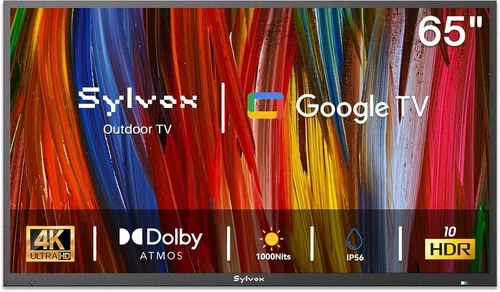
Outdoor entertainment has evolved dramatically over the past decade, and nothing captures that transformation quite like the rise of outdoor TVs. Whether you’re hosting a backyard football watch party, catching the World Cup under the stars, or simply enjoying a crisp morning coffee while catching up on your favorite sports highlights, having a reliable, high-performing TV designed for outdoor use can elevate your experience from ordinary to extraordinary. But here’s the catch: not all TVs are built to handle the elements. Standard indoor televisions may look great in your living room, but expose them to direct sunlight, humidity, temperature swings, or even light rain, and you’re likely facing costly repairs—or worse, complete failure.
That’s why this comprehensive buying guide exists. We’ve tested, researched, and analyzed the latest outdoor TVs on the market to help you make a smart, informed decision. Whether you’re a casual viewer who wants to enjoy the big game on the patio or a serious outdoor entertainer hosting weekly gatherings, this guide will walk you through everything you need to know. From understanding critical performance specs to avoiding common pitfalls, we’ll cover it all. You’ll learn how to balance budget with durability, what features truly matter for outdoor viewing, and how to choose the right model for your specific setup—be it a covered deck, an open backyard, or a fully enclosed outdoor kitchen.
The outdoor TV market in 2026 is more competitive and innovative than ever. Leading brands like Samsung, LG, SunBriteTV, and Seura have introduced models with enhanced brightness, weatherproofing, anti-glare coatings, and smart functionality tailored for open-air environments. At the same time, new entrants are offering surprisingly capable budget options that challenge the notion that outdoor TVs must come with a premium price tag. With so many choices, it’s easy to feel overwhelmed. But by the end of this guide, you’ll have the confidence to pick the perfect outdoor TV that delivers stunning picture quality, stands up to the elements, and fits your lifestyle and budget.

What to Look for When Buying Buying Guide
1. Brightness & Display Performance
One of the most critical factors when choosing an outdoor TV is brightness, measured in nits. Indoor TVs typically range from 300 to 600 nits, which is fine for dimly lit rooms but completely inadequate for outdoor use. In direct sunlight, even a 1000-nit display can struggle to remain visible. For true outdoor performance, look for models with at least 700 nits, but ideally 1000 nits or higher. SunBriteTV’s Veranda series, for example, offers up to 1000 nits, while Samsung’s The Terrace delivers an impressive 2000 nits—making it one of the brightest consumer outdoor TVs available.
Beyond raw brightness, consider the display technology. Most outdoor TVs use LED or QLED panels. QLED offers superior color accuracy and contrast, especially in bright conditions, but comes at a higher price. OLED, while stunning indoors, is generally not recommended for outdoor use due to lower peak brightness and potential burn-in risks under constant exposure to static elements like scoreboards or logos. Additionally, anti-reflective coatings are essential. These coatings reduce glare from the sun, allowing for clearer viewing even at midday. Without them, reflections can wash out the screen, making it nearly impossible to see the action during daylight hours.
Another often-overlooked aspect is viewing angle. Outdoor seating arrangements often mean viewers are spread out—some directly in front, others at sharp angles. TVs with wide viewing angles (178 degrees or more) ensure consistent color and contrast no matter where someone is sitting. This is especially important for group viewing during sports events, where everyone should have a clear, vibrant picture.
2. Weather Resistance & Build Quality
Outdoor TVs must withstand a wide range of environmental conditions, from scorching summer heat to freezing winter nights, rain, snow, dust, and even salt air if you live near the coast. The first thing to check is the TV’s IP (Ingress Protection) rating. For outdoor use, an IP55 rating or higher is ideal—this means the TV is protected against dust and low-pressure water jets from any direction. Some premium models, like the Seura Outdoor TV, boast IP65 ratings, offering full dust protection and resistance to powerful water jets, making them suitable for uncovered areas.
Beyond the IP rating, examine the materials used in construction. Look for powder-coated aluminum frames, which resist rust and corrosion far better than standard steel. The screen itself should be protected by tempered glass or a durable anti-glare polymer layer. Avoid models with plastic casings, as they can degrade under UV exposure and become brittle over time. Also, consider the internal components: high-quality capacitors, sealed circuit boards, and thermal management systems are essential for long-term reliability. TVs designed for outdoor use often include built-in cooling fans or heat sinks to prevent overheating during prolonged summer use.
Temperature tolerance is another key factor. Most outdoor TVs are rated to operate between -22°F and 122°F (-30°C to 50°C), but always verify the manufacturer’s specifications. If you live in an extreme climate—say, Arizona summers or Minnesota winters—opt for a model with a wider operating range. Additionally, some TVs come with optional outdoor enclosures or all-weather cabinets that provide extra protection, especially for partial outdoor installations like under eaves or in screened porches.
3. Size & Placement Considerations
Choosing the right screen size isn’t just about personal preference—it’s about visibility, distance, and space. For outdoor use, larger screens are generally better because ambient light reduces perceived image quality. A 55-inch TV might look great indoors, but outdoors, it can appear small and hard to see from a distance. As a rule of thumb, for every 1.5 feet of viewing distance, you should have 1 inch of screen size. So, if your seating is 12 feet away, a 75-inch TV is ideal.
However, size must be balanced with placement. Measure your outdoor space carefully. Will the TV be mounted on a wall, under a pergola, or on a freestanding stand? Ensure there’s enough clearance for ventilation—most outdoor TVs require at least 4–6 inches of space around the unit for airflow. Also, consider the weight. Larger outdoor TVs can weigh 50–100 pounds or more, so your mounting hardware must be robust and properly anchored. For example, the Samsung The Terrace 75-inch model weighs over 80 pounds and requires a heavy-duty outdoor-rated wall mount.
Placement also affects viewing angles and sun exposure. Avoid mounting the TV where it will face direct sunlight for extended periods, especially in the afternoon. East or north-facing walls are often better than west-facing ones. If unavoidable, consider installing a retractable awning or shade structure to reduce glare and heat buildup. For partial outdoor areas like covered patios, a smaller 55- or 65-inch model may suffice, while fully exposed backyards benefit from 75-inch or larger screens.
4. Smart Features & Connectivity
Just because a TV is built for the outdoors doesn’t mean it should lack modern conveniences. In 2026, most outdoor TVs come with full smart functionality, including built-in Wi-Fi, voice assistants (like Alexa or Google Assistant), and access to streaming apps such as Netflix, YouTube, Hulu, and ESPN+. This is crucial for sports fans who want to watch live games, highlights, or analysis without needing a separate streaming device.
Check the operating system. Samsung’s Tizen and LG’s webOS are among the most user-friendly and reliable platforms, offering smooth navigation and regular updates. Some brands, like SunBriteTV, partner with third-party providers to integrate Roku or Android TV, giving you access to a vast app ecosystem. Ensure the TV supports the latest HDMI standards (HDMI 2.1 is ideal for 4K/120Hz content) and has enough ports for your devices—game consoles, soundbars, cable boxes, etc.
Audio is another consideration. While many outdoor TVs have built-in speakers, they’re often underpowered for open spaces. For a truly immersive experience, especially during loud sports events, pair your TV with a weather-resistant soundbar or outdoor speaker system. Look for models with optical audio output or Bluetooth connectivity for easy integration. Some premium outdoor TVs even include built-in subwoofers or support for multi-room audio setups.
5. Installation & Mounting Requirements
Installing an outdoor TV is significantly more complex than setting up an indoor one. You’ll need to consider power supply, signal sources, cable management, and structural support. Most outdoor TVs require a dedicated 120V outlet within 6–10 feet of the installation site. If no outlet exists, you may need to hire a licensed electrician to run wiring—this can add $200–$500 to your total cost.
Cable management is crucial for both aesthetics and safety. Use weatherproof conduit or outdoor-rated cable raceways to protect HDMI, power, and antenna cables from moisture and UV damage. Avoid running cables along the ground where they can be tripped over or damaged by lawn equipment. For wireless setups, ensure your Wi-Fi signal is strong enough—consider installing an outdoor Wi-Fi extender if needed.
Mounting options vary. Wall mounts are the most common, but ceiling mounts, articulating arms, and freestanding pedestals are also available. Choose a mount rated for outdoor use and capable of supporting your TV’s weight and size. For example, the Peerless-AV DS-VW665 is a popular outdoor wall mount that supports TVs up to 100 inches and 200 pounds. Always follow the manufacturer’s installation guidelines and, if in doubt, hire a professional installer to ensure safety and compliance with local building codes.
6. Brand Reputation & Reliability
Not all outdoor TV brands are created equal. Some specialize exclusively in outdoor displays, while others adapt indoor models for outdoor use. Brands like SunBriteTV, Seura, and SkyVue have built their reputation on durability and performance in harsh environments. They offer extensive testing, rigorous quality control, and customer support tailored to outdoor installations.
Samsung and LG, while primarily known for indoor TVs, have entered the outdoor market with models like The Terrace and OLED Flex, respectively. These benefit from the companies’ vast R&D resources and brand trust, but may not offer the same level of weatherproofing as dedicated outdoor brands. When evaluating a brand, look for third-party certifications, customer reviews, and how long they’ve been in the outdoor TV space. A brand with a 10+ year track record is generally more reliable than a newcomer.
Also, consider the availability of replacement parts and service. If something goes wrong, you don’t want to wait weeks for a repair. Brands with strong service networks and local support centers are preferable. Check if the manufacturer offers on-site service or if you’ll need to ship the unit back for repairs.
7. Warranty & Support
A solid warranty is a strong indicator of a manufacturer’s confidence in their product. For outdoor TVs, look for at least a 2-year warranty, with 3 years or more being ideal. Some premium brands, like Seura, offer 3-year comprehensive coverage that includes parts, labor, and even accidental damage. SunBriteTV provides a 2-year warranty with optional extended coverage.
Read the fine print. Many warranties exclude damage caused by improper installation, power surges, or extreme weather events. Ensure the warranty covers outdoor use specifically—some indoor TVs marketed as “outdoor-ready” may void the warranty if used outside. Also, check if the warranty is transferable, which can be a selling point if you move or sell your home.
Customer support quality matters too. Can you reach a real person quickly? Is technical support available during evenings and weekends? Brands with 24/7 support and online troubleshooting resources score higher in user satisfaction. Look for companies that offer installation guides, video tutorials, and live chat options.
8. User Reviews & Real-World Performance
While specs and marketing materials are helpful, nothing beats real-world feedback. Before making a purchase, read user reviews on trusted sites like Amazon, Best Buy, and specialty AV forums. Pay attention to recurring themes—do multiple users report overheating issues? Are there complaints about Wi-Fi connectivity in outdoor settings? These insights can reveal flaws that specs alone won’t show.
Look for reviews from users in similar climates and setups. A TV that performs well in a covered Florida lanai may struggle in a windy Colorado backyard. Also, check how long the reviews cover—short-term feedback is useful, but long-term durability (1+ years of use) is even more valuable. Video reviews on YouTube can also provide visual proof of brightness, color accuracy, and build quality.
Finally, consider professional reviews from AV experts. Sites like CNET, RTINGS.com, and Sound & Vision conduct rigorous testing and often compare multiple models side by side. Their insights can help you understand how a TV performs under controlled conditions and how it stacks up against the competition.
Different Types of Buying Guide

Common Buying Mistakes to Avoid
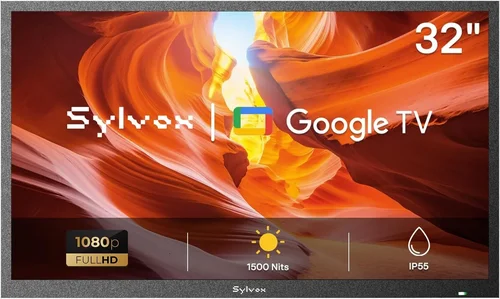
❌ Mistake: Buying an Indoor TV for Outdoor Use
Why it’s bad: Indoor TVs are not designed to handle moisture, temperature extremes, or UV exposure. Even a light rain shower can cause internal corrosion, and prolonged sun exposure can damage the screen and internal components. Most indoor TVs also lack the brightness needed for outdoor visibility, resulting in a dim, washed-out image.
What to do instead: Invest in a TV specifically engineered for outdoor use. These models feature weatherproof casings, enhanced brightness, and thermal management systems. If budget is a concern, consider a partial outdoor TV or an indoor TV in a certified outdoor enclosure—but never use a standard indoor TV directly outside.
❌ Mistake: Ignoring Brightness Requirements
Why it’s bad: A TV with insufficient brightness will be nearly unusable during daylight hours. Even on cloudy days, ambient light can overpower a dim screen, making it difficult to see players, scores, or graphics. This is especially frustrating during live sports when every second counts.
What to do instead: Aim for a minimum of 700 nits, but 1000+ nits is ideal for full sun exposure. Check the manufacturer’s specs and look for anti-glare coatings. If possible, view the TV in person or watch demo videos under bright lighting to assess real-world performance.
❌ Mistake: Overlooking Installation Costs
Why it’s bad: Many buyers focus only on the TV’s price and forget about installation expenses. Running power, mounting hardware, cable management, and professional installation can add $500–$1,500 to the total cost. Skimping on installation can also lead to safety hazards or voided warranties.
What to do instead: Get a full cost estimate before purchasing. Include electrical work, mounts, cables, and labor. If you’re not experienced with AV installations, hire a certified professional. Some retailers offer bundled installation packages that can save money and ensure proper setup.
❌ Mistake: Choosing the Wrong Size
Why it’s bad: A TV that’s too small will be hard to see from a distance, while one that’s too large can overwhelm the space and create uncomfortable viewing angles. Both scenarios reduce enjoyment and can make group viewing frustrating.
What to do instead: Use the 1.5:1 rule—1 inch of screen size for every 1.5 feet of viewing distance. Measure your space and seating layout. Consider a 65-inch TV for 10-foot viewing, 75-inch for 12 feet, and 85-inch for 15 feet or more. Also, account for mounting height—eye level when seated should align with the center of the screen.
❌ Mistake: Neglecting Audio Quality
Why it’s bad: Built-in TV speakers are often weak and directional, making it hard to hear commentary, crowd noise, or play-by-play during outdoor events. In open spaces, sound dissipates quickly, leading to a poor audio experience.
What to do instead: Pair your outdoor TV with a weather-resistant soundbar or outdoor speaker system. Look for models with Bluetooth, optical input, or wireless connectivity. For large gatherings, consider a multi-speaker setup with subwoofers for full-range sound.
❌ Mistake: Skipping the Warranty
Why it’s bad: Outdoor TVs are exposed to harsh conditions that can lead to premature failure. Without a solid warranty, you could be stuck with repair or replacement costs that exceed the TV’s value.
What to do instead: Always choose a model with at least a 2-year warranty. Consider extended coverage for added peace of mind. Read the warranty terms carefully to ensure it covers outdoor use and common issues like moisture damage or overheating.
❌ Mistake: Not Testing Before Buying
Why it’s bad: Specs don’t always reflect real-world performance. A TV might look great in a showroom but struggle in your specific outdoor environment due to glare, Wi-Fi interference, or placement challenges.
What to do instead: If possible, visit a retailer with outdoor display areas or request a demo. Watch sports content under similar lighting conditions to your intended setup. Check return policies—many retailers offer 30-day trials for outdoor electronics.
Budget Guidelines: How Much Should You Spend?
Entry-Level ($800 – $1,500): This tier includes partial outdoor TVs and indoor models in basic enclosures. Expect 55- to 65-inch screens with 700–800 nits brightness, IP54 ratings, and basic smart features. Ideal for covered patios or screened-in areas. Brands like TCL and Vizio offer budget-friendly options, but durability may be limited.
Mid-Range ($1,500 – $3,500): The sweet spot for most buyers. These TVs offer 1000+ nits brightness, IP55+ ratings, QLED or high-end LED panels, and full smart functionality. Models like the SunBriteTV Veranda series and LG’s outdoor-ready OLEDs fall here. Great for semi-covered decks and moderate weather exposure.
Premium ($3,500 – $6,000): For enthusiasts and serious outdoor entertainers. Expect 75- to 85-inch screens, 1500–2000 nits brightness, IP65 ratings, and advanced features like voice control, multi-room audio, and robust thermal management. Samsung’s The Terrace and Seura’s premium line are top contenders.
Luxury ($6,000+): Top-tier models with commercial-grade durability, ultra-bright displays (2000+ nits), and modular designs. These are built for 24/7 operation in extreme conditions and often used in restaurants, hotels, or luxury homes. Custom installation and support are typically included.
Expert Tips for Getting the Best Deal
- Buy during off-seasons: Prices often drop in late winter and early spring, before the outdoor entertainment season peaks. Look for end-of-year sales in December or post-holiday discounts in January.
- Compare retailers: Check prices at Best Buy, Costco, Crutchfield, and specialty AV stores. Online retailers like Amazon may offer competitive pricing, but in-store purchases allow you to see the TV in person.
- Bundle with installation: Some retailers offer discounts when you purchase the TV and installation together. This can save $200–$500 compared to hiring separately.
- Check for rebates: Manufacturers and utility companies sometimes offer rebates for energy-efficient outdoor electronics. Visit the manufacturer’s website for current promotions.
- Read return policies: Ensure the retailer allows returns within 30 days, especially for large items. Some outdoor TVs are non-returnable once installed.
- Test Wi-Fi strength: Before finalizing your setup, test your outdoor Wi-Fi signal. Weak connectivity can cause buffering during live sports. Consider a mesh network or outdoor extender.
- Consider financing: Many retailers offer 0% APR financing for 12–24 months. This can make a premium TV more affordable without upfront strain.

Frequently Asked Questions
Q: Can I use a regular TV outside if it’s under a covered patio?
A: It depends on the coverage. If the area is fully enclosed or screened with minimal exposure to rain, wind, and direct sun, a high-brightness indoor TV in a weatherproof enclosure may work. However, for true reliability and longevity, an outdoor-rated TV is always the safer choice.
Q: How do I protect my outdoor TV from theft?
A: Use a lockable wall mount, install motion-sensor lighting, and consider a security camera. Some mounts include built-in locks, and you can also use cable locks for added protection.
Q: Do outdoor TVs consume more power?
A: Not necessarily. While they may have brighter backlights, modern outdoor TVs use energy-efficient LED technology. Look for ENERGY STAR-certified models to minimize power usage.
Q: Can I leave my outdoor TV on during a storm?
A: It’s not recommended. While outdoor TVs are weather-resistant, lightning strikes or power surges can damage electronics. Use a surge protector and consider turning off the TV during severe weather.
Q: What’s the difference between IP55 and IP65?
A: IP55 protects against dust and low-pressure water jets. IP65 offers complete dust protection and resistance to powerful water jets, making it better for fully exposed areas.
Q: How long do outdoor TVs last?
A: With proper care, most outdoor TVs last 7–10 years. Regular cleaning, avoiding extreme temperatures, and using surge protection can extend lifespan.
Q: Can I mount an outdoor TV on a brick wall?
A: Yes, but you’ll need masonry anchors and a heavy-duty mount. Consult a professional to ensure the wall can support the weight and that drilling won’t damage the structure.
Q: Do outdoor TVs come with remotes?
A: Yes, most include weather-resistant remotes. Some also support smartphone apps or voice control for added convenience.
Q: Are outdoor TVs compatible with streaming devices?
A: Absolutely. Most have HDMI ports for devices like Roku, Apple TV, or Fire Stick. Some even have built-in streaming platforms.
Q: Can I use an outdoor TV indoors?
A: Yes, but it’s overkill. Outdoor TVs are optimized for bright environments and may be unnecessarily bright or bulky for indoor use.
Our Final Recommendations
Best for Budget-Conscious Buyers: SunBriteTV Veranda 55-inch – Offers excellent brightness (1000 nits), IP55 rating, and reliable performance at a mid-range price. Perfect for covered patios.
Best Overall Value: Samsung The Terrace 65-inch – Combines 2000-nit brightness, QLED color, and smart features in a durable, all-weather design. Ideal for serious outdoor entertainers.
Best Premium Option: Seura Outdoor TV 75-inch – IP65-rated, ultra-bright, and built for extreme conditions. Comes with a 3-year warranty and professional installation support.
Best for Beginners: LG OLED Flex (outdoor-ready model) – User-friendly webOS, excellent picture quality, and good brightness for partial outdoor use. Great for first-time buyers.
Best for Advanced Users: Peerless-AV Xtreme Outdoor Display – Commercial-grade, modular design with 2500+ nits brightness and 24/7 operation. Built for demanding environments.
Conclusion: Making the Right Choice
Choosing the right outdoor TV for sports watching is about more than just picture quality—it’s about durability, visibility, and long-term enjoyment. By focusing on brightness, weather resistance, size, and smart features, you can find a model that delivers stunning performance in any outdoor setting. Avoid common pitfalls like underestimating installation costs or choosing the wrong type for your environment. And remember, investing in a quality outdoor TV isn’t just about watching the game—it’s about creating unforgettable experiences with family and friends under the open sky.
Take the time to assess your space, budget, and viewing habits. Read reviews, compare models, and don’t hesitate to consult with professionals. With the right TV, your backyard can become the ultimate sports destination—rain or shine, day or night. Now that you’re armed with expert knowledge, you’re ready to make a confident, informed decision. Happy viewing!

