
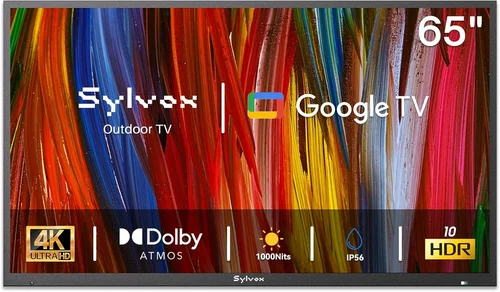
Outdoor living spaces have evolved dramatically over the past decade. What was once a simple patio or backyard has transformed into a fully functional extension of the home—complete with kitchens, fire pits, sound systems, and yes, outdoor TVs. Whether you’re hosting summer barbecues, watching the big game under the stars, or enjoying a quiet evening movie night by the pool, an outdoor TV can elevate your experience. But not all TVs are built to withstand the elements—especially in hot climates where extreme temperatures, intense sunlight, and humidity pose serious challenges.
That’s where this guide comes in. If you’re considering investing in an outdoor TV for a hot climate, you need more than just a standard television slapped in a weatherproof box. You need a purpose-built solution designed to perform reliably under harsh conditions. This comprehensive buying guide will walk you through everything you need to know—from understanding key performance specs to avoiding costly mistakes—so you can make a confident, informed decision. We’ll compare top models, break down budget considerations, and share expert tips to help you get the best value for your investment.
The outdoor TV market has grown significantly, with manufacturers now offering a range of options tailored to different environments and use cases. From fully sealed, all-weather displays to partial outdoor enclosures, the choices can be overwhelming. But in hot climates—think Arizona, Texas, Florida, Southern California, and the Middle East—the stakes are higher. Heat can degrade electronics, fade screens, and shorten the lifespan of even the most durable TVs. That’s why it’s critical to choose a model specifically engineered for high-temperature operation, superior brightness, and long-term resilience. By the end of this guide, you’ll know exactly what to look for, which brands to trust, and how to maximize your outdoor entertainment setup without breaking the bank.

What to Look for When Buying Buying Guide
1. Climate-Specific Durability
When shopping for an outdoor TV in a hot climate, the first and most critical factor is climate-specific durability. Unlike indoor TVs, outdoor models must withstand extreme heat, direct sunlight, dust, moisture, and temperature fluctuations. Look for TVs rated for outdoor use with an IP (Ingress Protection) rating of at least IP55 or higher. This ensures protection against dust and water jets, which is essential for patios, poolsides, and open-air garages.
Additionally, check the operating temperature range. Most standard TVs are designed to operate between 32°F and 95°F (0°C to 35°C). However, outdoor TVs built for hot climates should comfortably handle temperatures up to 122°F (50°C) or more. Some premium models even feature internal cooling systems or heat-dissipating materials to prevent overheating during prolonged summer exposure. For example, the SunBriteTV Veranda series is rated for temperatures up to 122°F, making it ideal for desert and tropical environments.
2. Screen Brightness and Anti-Glare Technology
In hot climates, sunlight is often intense and relentless. A standard indoor TV with 300–400 nits of brightness will appear washed out and nearly invisible under direct sun. For outdoor use, you need a display with at least 700 nits, but ideally 1,000 nits or more for full sunlight visibility. High brightness ensures that colors remain vibrant and details stay sharp, even at midday.
Equally important is anti-glare or anti-reflective coating. Look for TVs with matte finishes or specialized optical filters that reduce reflections from the sun. Some models, like the Samsung Terrace, use quantum dot technology combined with anti-glare layers to deliver vivid colors without sacrificing visibility. Additionally, consider the screen’s viewing angle. Wide viewing angles (178 degrees or more) allow multiple people to enjoy the screen from different positions without color distortion.
For shaded or partially covered areas, 700–1,000 nits may suffice. But if your TV will be exposed to direct sunlight for several hours a day, aim for 1,500 nits or higher. Some commercial-grade outdoor displays go up to 2,500 nits, though these are typically overkill for residential use unless you’re installing in a large, open courtyard.
3. Build Quality and Weatherproofing
The physical construction of an outdoor TV is just as important as its electronic specs. Look for models with fully sealed enclosures made from corrosion-resistant materials like powder-coated aluminum or marine-grade stainless steel. These materials resist rust, fading, and warping caused by UV exposure and humidity.
Pay close attention to the back panel and ventilation design. Some outdoor TVs use passive cooling with heat sinks, while others incorporate active cooling fans. In hot climates, passive systems are often preferred because they eliminate moving parts that can fail over time. However, active cooling may be necessary for TVs mounted in enclosed spaces with poor airflow.
Also, ensure all ports and connectors are protected by rubber gaskets or sealed covers. HDMI, USB, and power inputs should be accessible but shielded from rain and dust. Brands like Seura and Peerless-AV are known for their robust build quality and attention to detail in sealing and insulation.
4. Display Technology: LED vs. OLED vs. QLED
The type of display technology used in an outdoor TV significantly impacts performance in hot climates. Let’s break down the options:
- LED/LCD: The most common and cost-effective option. Modern outdoor LED TVs use high-brightness backlights and are highly durable. They perform well in bright conditions but may struggle with contrast in shaded areas. Look for models with local dimming for better black levels.
- QLED: Samsung’s quantum dot technology enhances color accuracy and brightness. QLED outdoor TVs, like the Samsung Terrace, offer excellent visibility in sunlight and vibrant colors. They’re more expensive than standard LED but provide a noticeable upgrade in image quality.
- OLED: While OLED delivers superior contrast and deep blacks, it’s generally not recommended for full outdoor use in hot climates. OLED panels are more susceptible to burn-in and can degrade faster under high heat and constant bright light exposure. Some manufacturers offer outdoor OLED models with protective coatings, but they come at a premium and may not be worth the risk in extreme environments.
For most hot climate applications, QLED or high-brightness LED is the best balance of performance, durability, and value.
5. Smart Features and Connectivity
Today’s outdoor TVs aren’t just about durability—they’re also packed with smart features. Look for models with built-in Wi-Fi, Bluetooth, and popular streaming platforms like Netflix, YouTube, and Amazon Prime Video. This eliminates the need for external streaming devices, reducing clutter and potential points of failure.
Check the operating system: Roku TV, Android TV, and webOS are common platforms. Roku is user-friendly and widely supported, while Android TV offers more customization. Ensure the TV supports 4K HDR for future-proofing, especially if you plan to stream high-definition content.
Connectivity is also key. Multiple HDMI ports (at least 3), USB inputs, and optical audio outputs allow you to connect gaming consoles, soundbars, and cable boxes. Some models even include weatherproof external speaker outputs for outdoor audio systems.
6. Size and Viewing Distance
Choosing the right screen size depends on your viewing distance and available space. For outdoor use, larger screens are often better because they compensate for reduced visibility in bright conditions. A general rule of thumb: for every 1.5 feet of viewing distance, choose 10 inches of screen size. So, if you’re sitting 12 feet away, a 75-inch TV is ideal.
However, don’t go too big for your space. A massive screen in a small patio can feel overwhelming and may require a stronger mounting solution. Also, consider the TV’s depth—some outdoor models are thicker than indoor ones due to weatherproofing, which affects wall clearance.
Popular sizes for outdoor use range from 43 inches (for small decks) to 85 inches (for large backyards or commercial patios). If you’re mounting on a wall, ensure the bracket is rated for outdoor use and can support the TV’s weight, especially in windy areas.
7. Brand Reputation and Reliability
Not all outdoor TV brands are created equal. Stick with manufacturers that specialize in outdoor displays and have a proven track record. Top brands include:
- SunBriteTV: The pioneer in outdoor TVs, known for rugged durability and excellent brightness.
- Samsung: Offers the Terrace series with QLED technology and sleek design.
- Seura: Known for luxury outdoor TVs with customizable frames and superior build quality.
- Peerless-AV: Focuses on commercial-grade outdoor displays with modular designs.
- LG: Offers limited outdoor models with OLED and LED options, though less common in extreme heat.
Research customer reviews and look for brands with strong warranties and responsive customer support. A reputable brand may cost more upfront but saves money in the long run by reducing repair and replacement needs.
8. Warranty and Support
Outdoor TVs are a significant investment, so warranty coverage is crucial. Most reputable brands offer 2–3 years of warranty, but some extend coverage to 5 years for commercial use. Check what’s included: does it cover heat damage, water ingress, or screen burn-in? Avoid brands with limited or vague warranty terms.
Also, consider the availability of local service centers. If your TV fails in the middle of summer, you don’t want to wait weeks for repairs. Brands like SunBriteTV and Samsung have extensive service networks in the U.S. and Canada, making support more accessible.
Finally, read the fine print. Some warranties are voided if the TV is installed incorrectly or used outside the specified temperature range. Always follow the manufacturer’s installation guidelines to maintain coverage.
Different Types of Buying Guide

Common Buying Mistakes to Avoid
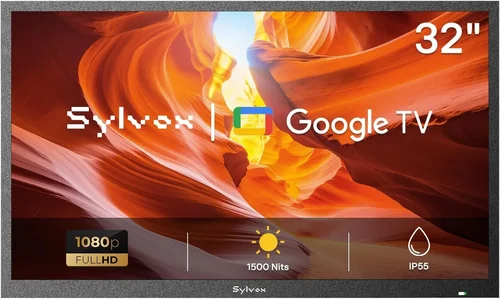
❌ Mistake: Buying a Standard Indoor TV for Outdoor Use
Why it’s bad: Indoor TVs are not designed to handle heat, humidity, or dust. Even if you place one in a covered area, temperature fluctuations can cause internal components to fail prematurely. The screen will also be too dim for daylight viewing.
What to do instead: Always choose a TV specifically rated for outdoor use. If budget is tight, consider an outdoor enclosure for a standard TV, but understand the limitations in brightness and durability.
❌ Mistake: Ignoring the Operating Temperature Range
Why it’s bad: Many buyers assume “outdoor-rated” means it can handle any weather. But some models are only suitable for mild climates. In hot regions, exceeding the temperature limit can cause shutdowns, screen damage, or permanent failure.
What to do instead: Check the manufacturer’s specs and choose a TV rated for at least 110°F (43°C), preferably 122°F (50°C) or higher. Look for models with thermal management systems.
❌ Mistake: Overlooking Screen Brightness
Why it’s bad: A dim screen turns your outdoor TV into a decorative mirror during the day. You’ll struggle to see content, especially during peak sunlight hours.
What to do instead: Aim for a minimum of 1,000 nits for full sun exposure. Test the TV in similar lighting conditions if possible, or rely on verified reviews from users in hot climates.
❌ Mistake: Choosing the Wrong Size for the Space
Why it’s bad: A TV that’s too small won’t be visible from seating areas, while one that’s too large can overwhelm the space and require costly mounting solutions.
What to do instead: Measure your viewing distance and use the 1.5:10 ratio (distance in feet to screen size in inches). Also, consider the TV’s depth and ensure it fits your mounting setup.
❌ Mistake: Skimping on Mounting and Installation
Why it’s bad: Improper mounting can lead to instability, especially in windy areas. Using indoor brackets or DIY solutions increases the risk of damage or injury.
What to do instead: Invest in a heavy-duty, weatherproof outdoor mount. Have it installed by a professional if you’re unsure. Ensure the wall or structure can support the weight.
❌ Mistake: Not Considering Long-Term Maintenance
Why it’s bad: Outdoor TVs require occasional cleaning and inspection. Dust, pollen, and bird droppings can accumulate and affect performance. Neglecting maintenance shortens lifespan.
What to do instead: Clean the screen and vents regularly with a soft, dry cloth. Check seals and ports for debris. Schedule annual professional inspections if possible.
❌ Mistake: Ignoring Audio Needs
Why it’s bad: Built-in TV speakers are often weak and muffled outdoors. Wind and ambient noise make dialogue hard to hear.
What to do instead: Pair your TV with weatherproof outdoor speakers or a soundbar. Look for models with optical or Bluetooth audio outputs for easy connectivity.
Budget Guidelines: How Much Should You Spend?
- Entry-Level ($1,200 – $2,500): Best for covered patios or shaded areas. These are typically partial outdoor TVs or enclosures with standard TVs. Expect 700–1,000 nits brightness and basic weatherproofing. Good for casual use but may struggle in direct sun.
- Mid-Range ($2,500 – $4,500): The sweet spot for most homeowners. These are fully sealed outdoor TVs with 1,000–1,500 nits brightness, smart features, and durable builds. Ideal for hot climates with partial to full sun exposure.
- Premium ($4,500 – $7,000): For enthusiasts and those who want the best. Includes QLED or high-end LED displays, ultra-high brightness (1,500+ nits), advanced cooling, and luxury finishes. Perfect for large backyards or commercial use.
- Luxury ($7,000+): Top-tier models with commercial-grade durability, 24/7 operation capability, and customizable designs. Often used in hotels, resorts, or high-end homes. Features may include modular components, remote monitoring, and extended warranties.
Expert Tips for Getting the Best Deal
- Buy During Off-Season: Prices drop in late fall and winter when demand is low. Look for end-of-season sales from retailers like Best Buy, Costco, or specialty outdoor electronics stores.
- Compare Online and In-Store: Online retailers often have better prices and wider selections, but in-store purchases allow you to inspect build quality and speak with experts.
- Check for Bundles: Some brands offer packages that include mounts, speakers, and extended warranties at a discount.
- Read Real User Reviews: Look for feedback from buyers in similar climates. Pay attention to comments about heat performance, brightness, and longevity.
- Negotiate with Retailers: High-end outdoor TVs have room for negotiation, especially at local electronics stores or during promotional events.
- Consider Refurbished Models: Certified refurbished outdoor TVs from reputable brands can save 20–30% and often come with full warranties.
- Verify Return Policies: Ensure you can return the TV if it doesn’t perform as expected. Some retailers offer 30–60 day return windows for outdoor electronics.
- Install During Cooler Months: If possible, schedule installation in spring or fall to avoid extreme heat during setup.

Frequently Asked Questions
Q: Can I use a regular TV outdoors if it’s under a roof?
A: Technically yes, but it’s not recommended for hot climates. Even under cover, temperature swings, humidity, and dust can damage internal components over time. A partial outdoor TV or enclosure is a safer, longer-lasting solution.
Q: How do I clean my outdoor TV screen?
A: Use a microfiber cloth and mild glass cleaner. Avoid abrasive materials or ammonia-based cleaners, which can damage anti-glare coatings. Turn off the TV and let it cool before cleaning.
Q: Will an outdoor TV work in the rain?
A: Yes, if it’s rated IP55 or higher. These models are designed to withstand rain, splashes, and humidity. However, avoid directing high-pressure water jets at the screen or ports.
Q: Do outdoor TVs consume more power?
A: They can, especially high-brightness models. Look for Energy Star ratings or TVs with eco modes to reduce power usage. LED and QLED models are generally more efficient than older plasma or LCD types.
Q: Can I mount an outdoor TV on a brick or stucco wall?
A: Yes, but use appropriate anchors and a heavy-duty outdoor mount. Consult a professional if you’re unsure about wall integrity or drilling.
Q: What’s the average lifespan of an outdoor TV?
A: With proper care, most outdoor TVs last 7–10 years. Premium models with better cooling and sealing may last even longer.
Q: Are outdoor TVs compatible with streaming devices?
A: Most have built-in smart platforms, but you can also connect external devices like Roku, Apple TV, or Fire Stick via HDMI. Ensure the ports are accessible and protected.
Q: Can I use an outdoor TV in winter?
A: Yes, as long as it’s within the operating temperature range. Some models are rated for cold climates down to -4°F (-20°C), making them suitable for year-round use.
Q: Do I need a special power outlet?
A: Standard 120V outlets are sufficient. However, consider GFCI outlets for added safety near water sources like pools or outdoor kitchens.
Q: What happens if my outdoor TV overheats?
A: Most models have thermal protection that shuts them down automatically. Once cooled, they should restart. If overheating occurs frequently, check ventilation and ensure the TV isn’t in direct sunlight without proper cooling.
Our Final Recommendations
- Best for Budget-Conscious Buyers: SunBriteTV Veranda 55-inch – Offers excellent brightness (1,000 nits), solid build quality, and reliable performance for under $3,000. Ideal for covered patios in hot climates.
- Best Overall Value: Samsung Terrace 65-inch QLED – Combines stunning picture quality, smart features, and weather resistance. Priced around $4,200, it’s a top choice for most homeowners.
- Best Premium Option: Seura Outdoor 75-inch 4K LED – Luxury build, customizable frame, and exceptional durability. Perfect for high-end outdoor living spaces.
- Best for Beginners: Peerless-AV DS-VW675 – A versatile outdoor display with easy setup and reliable performance. Great for first-time buyers.
- Best for Advanced Users: SunBriteTV Pro 86-inch Commercial – Built for 24/7 operation, ultra-bright (2,000 nits), and modular design. Ideal for commercial or large residential installations.
Conclusion: Making the Right Choice
Choosing the right outdoor TV for a hot climate is about more than just picking a screen that looks good. It’s about investing in a product that can withstand extreme heat, deliver crystal-clear visibility in bright sunlight, and provide years of reliable entertainment. From understanding key specs like brightness and operating temperature to avoiding common pitfalls like improper mounting, this guide has equipped you with the knowledge to make a smart, long-term decision.
Remember, the best outdoor TV is the one that matches your specific environment, usage, and budget. Don’t rush the process—take time to compare models, read reviews, and consult with experts if needed. And when you do make your purchase, follow the manufacturer’s installation and maintenance guidelines to protect your investment.
Whether you’re upgrading your backyard oasis or building a new outdoor entertainment hub, the right TV can transform your space into a year-round destination for relaxation and fun. So go ahead—bring the cinema outside, and enjoy every sunset, game night, and movie marathon under the open sky. Your perfect outdoor TV is out there. Now you know how to find it.

