
Outdoor TVs have evolved from a niche luxury to a must-have feature for homeowners who love entertaining, relaxing, or catching the big game under the open sky. Whether you’re hosting a tailgate party in your backyard, setting up a permanent outdoor entertainment zone by the pool, or simply enjoying Sunday football from your covered patio, having a TV built for the elements can transform your experience. But unlike indoor TVs, outdoor models face unique challenges—direct sunlight, humidity, temperature swings, dust, and even rain. That’s why choosing the right outdoor TV isn’t just about picture quality or screen size; it’s about durability, visibility, and long-term performance in harsh conditions.
This comprehensive buying guide is designed to help you navigate the often-confusing world of outdoor televisions with confidence. We’ll walk you through every critical factor—from weather resistance and brightness to smart features and installation requirements—so you can make an informed decision that fits your lifestyle, budget, and viewing environment. Whether you’re a casual viewer looking for a simple setup or a serious outdoor entertainer planning a full-scale media zone, this guide covers everything you need to know. By the end, you’ll understand not only what to look for but also how to avoid common pitfalls, maximize value, and ensure your investment lasts for years of game days, movie nights, and backyard gatherings.
The outdoor TV market has grown significantly in recent years, driven by advances in display technology and increasing demand for outdoor living spaces. Major brands like Samsung, LG, Sony, and specialized companies such as SunBriteTV and Seura now offer purpose-built outdoor models that rival—and in some cases surpass—their indoor counterparts in both performance and resilience. However, with prices ranging from under $1,000 to well over $5,000, and a wide variety of designs (from fully weatherproof enclosures to partial-cover solutions), it’s easy to feel overwhelmed. This guide cuts through the noise, offering expert insights, real-world comparisons, and actionable advice to help you find the perfect outdoor TV for watching football, movies, or your favorite streaming content—no matter the weather.
What to Look for When Buying Buying Guide
1. Weather Resistance & IP Rating
When it comes to outdoor TVs, weather resistance isn’t optional—it’s essential. Unlike indoor models, outdoor TVs must withstand rain, snow, dust, humidity, and temperature extremes. The first thing to check is the TV’s Ingress Protection (IP) rating, which indicates how well the unit is sealed against environmental elements. For outdoor use, look for a minimum IP55 rating, which means the TV is protected against low-pressure water jets and limited dust ingress. However, for full exposure to the elements—such as an uncovered patio or open deck—an IP65 or higher rating is strongly recommended. IP65 ensures complete protection against dust and protection from water projected from a nozzle, making it ideal for most outdoor settings.
Beyond the IP rating, consider the TV’s overall build. High-quality outdoor TVs often feature sealed cooling systems, corrosion-resistant materials, and internal components rated for extended outdoor use. Some models even include built-in heaters or fans to regulate internal temperature in extreme cold or heat. For example, SunBriteTV’s Veranda series uses a passive cooling system that prevents overheating without fans, reducing noise and maintenance. Always verify that the manufacturer explicitly states the TV is designed for outdoor use—don’t assume an indoor TV in a weatherproof enclosure offers the same level of protection.
2. Brightness & Anti-Glare Technology
One of the biggest challenges of outdoor viewing is screen glare and visibility in bright sunlight. Standard indoor TVs typically have brightness levels between 300 and 500 nits, which is fine for dimly lit rooms but completely inadequate outdoors. For outdoor use, you need a TV with a brightness of at least 700 nits, but ideally 1,000 nits or more. High brightness ensures that the image remains clear and vibrant even on sunny afternoons when watching a football game or outdoor event.
In addition to brightness, anti-glare technology is crucial. Many outdoor TVs feature matte or anti-reflective coatings that reduce glare from the sun or ambient light. Some premium models, like the Samsung The Terrace, use quantum dot technology combined with anti-glare layers to deliver vivid colors and deep blacks even in direct sunlight. Others incorporate optical bonding, a process where the display panel is directly bonded to the glass, minimizing reflections and improving contrast. When comparing models, look for specifications that mention “high brightness,” “sunlight readable,” or “anti-glare coating.” Avoid TVs that only boost brightness through software—this can lead to washed-out colors and increased power consumption.
3. Display Technology & Picture Quality
The type of display technology used in an outdoor TV significantly impacts picture quality, especially in challenging lighting conditions. Most outdoor TVs use either LED-LCD or OLED panels, each with distinct advantages. LED-LCD TVs are more common in outdoor models due to their higher brightness capabilities and lower cost. They use a backlight to illuminate the screen, which allows for excellent peak brightness—ideal for sunny environments. However, traditional LCDs can struggle with black levels and contrast, which may affect the viewing experience during night games or evening movies.
OLED TVs, on the other hand, offer superior contrast ratios, deeper blacks, and more accurate colors because each pixel emits its own light. However, they are generally less bright than high-end LED models and can be more susceptible to burn-in if static images (like scoreboards) are displayed for long periods. For outdoor use, OLED is best suited for shaded or covered areas where direct sunlight isn’t a factor. If you’re watching football in a sunny backyard, an LED-LCD with local dimming and high brightness is usually the better choice. Additionally, look for TVs with HDR (High Dynamic Range) support, such as HDR10, Dolby Vision, or HLG, which enhance color depth and detail in both bright and dark scenes.
4. Size & Viewing Distance
Choosing the right screen size for your outdoor space is about more than just personal preference—it’s about optimizing the viewing experience based on distance and seating arrangement. A TV that’s too small will be hard to see from a distance, while one that’s too large can overwhelm the space and strain the eyes. As a general rule, the optimal viewing distance is about 1.5 to 2.5 times the diagonal screen size. For example, a 65-inch TV is best viewed from 8 to 13 feet away, while a 75-inch model should be viewed from 10 to 16 feet.
Consider your outdoor layout: Will the TV be mounted on a wall, placed on a stand, or installed in a custom enclosure? Measure the available space and ensure there’s enough room for ventilation and access to ports. Also, think about seating—will viewers be spread out across a large patio, or clustered close together? For large gatherings, a larger screen (75 inches or more) ensures everyone has a good view. However, if your setup is more intimate, a 55- to 65-inch model may be sufficient. Keep in mind that outdoor TVs are often more expensive per inch than indoor models, so balance size with budget.
5. Smart Features & Connectivity
Modern outdoor TVs come equipped with smart platforms that allow you to stream content directly without needing an external device. Popular options include Android TV (used by Sony and TCL), webOS (LG), and Tizen (Samsung). These platforms offer access to apps like Netflix, YouTube, Hulu, and ESPN, making it easy to watch live football games or on-demand content. When evaluating smart features, consider the user interface, app availability, and ease of navigation. A cluttered or slow interface can ruin the experience, especially when you’re trying to quickly switch between channels during a game.
Connectivity is equally important. Look for multiple HDMI ports (at least three), USB ports, Ethernet, and Wi-Fi support. HDMI 2.1 is ideal for future-proofing, especially if you plan to connect a gaming console or 4K streaming device. Some outdoor TVs also include built-in tuners for over-the-air broadcasts, which is useful for watching local football games without a cable subscription. Additionally, check for Bluetooth support if you want to connect wireless speakers or headphones. For permanent installations, consider models with rear-facing or side-facing ports to simplify cable management and reduce exposure to the elements.
6. Audio Quality & Sound Solutions
While picture quality often takes center stage, audio is just as important for an immersive outdoor viewing experience. Unfortunately, many outdoor TVs have limited built-in speakers due to space and weatherproofing constraints. The sound may be tinny or lack bass, especially in open areas where sound dissipates quickly. For football games, where crowd noise and commentary are key, poor audio can detract from the excitement.
To compensate, consider pairing your outdoor TV with external speakers or a soundbar. Weather-resistant outdoor speakers, such as those from Polk, Bose, or Sonos, can be mounted around the patio to create a surround sound effect. Alternatively, a waterproof soundbar like the Sonos Move or Bose SoundLink Revolve+ can be placed near the TV for clearer dialogue and richer sound. Some outdoor TVs include audio output options (optical or RCA) to connect external systems. If you’re planning a permanent setup, investing in a dedicated outdoor audio system is highly recommended—especially for large gatherings or frequent use.
7. Installation & Mounting Options
Proper installation is critical for both performance and safety. Outdoor TVs must be securely mounted to withstand wind, vibrations, and potential tampering. Most models are VESA-compatible, meaning they can be attached to standard wall mounts or articulating arms. However, outdoor mounts are often heavier-duty and include features like tilt, swivel, and reinforced brackets to handle exposure to the elements.
Consider the mounting location carefully. The TV should be positioned to minimize glare from the sun—ideally facing north or south in the Northern Hemisphere to avoid direct sunlight. If possible, install the TV under an awning, pergola, or covered patio to extend its lifespan. For wall mounts, ensure the wall can support the weight and that electrical outlets and signal cables are accessible. Some homeowners opt for ceiling mounts or motorized lifts that raise and lower the TV as needed. Always follow the manufacturer’s installation guidelines and, if in doubt, hire a professional installer with experience in outdoor AV setups.
8. Warranty & Support
Outdoor TVs are a significant investment, so a strong warranty and reliable customer support are essential. Most reputable brands offer at least a one-year limited warranty, but some extend coverage to two or three years, especially for commercial or high-end models. Look for warranties that cover both parts and labor, and check whether outdoor use is explicitly included—some indoor TV warranties become void if used outside.
Customer support is another key factor. Choose brands with responsive service teams, accessible repair centers, and clear documentation. Companies like SunBriteTV and Seura specialize in outdoor displays and often provide dedicated support for installation and troubleshooting. Additionally, check online reviews and forums to see how the brand handles warranty claims and repairs. A TV that’s difficult to service or replace can become a costly headache down the line.
Different Types of Buying Guide

Common Buying Mistakes to Avoid
❌ Mistake: Buying an Indoor TV for Outdoor Use
Why it’s bad: Indoor TVs are not designed to handle moisture, temperature changes, or dust. Using one outdoors—even under a cover—can lead to overheating, corrosion, and premature failure. Most indoor TV warranties are voided if used outside.
What to do instead: Invest in a TV specifically built for outdoor use or use a certified outdoor enclosure. If budget is tight, choose a partial-cover model designed for sheltered areas.
❌ Mistake: Ignoring Brightness Requirements
Why it’s bad: A dim screen will be unreadable in sunlight, making it impossible to see the game. Many buyers assume all TVs are equally bright, but outdoor visibility demands much higher nits.
What to do instead: Choose a TV with at least 700 nits, preferably 1,000+ nits, and look for anti-glare coatings. Test the screen in similar lighting conditions if possible.
❌ Mistake: Overlooking Audio Needs
Why it’s bad: Built-in speakers on outdoor TVs are often weak, and outdoor acoustics can make dialogue hard to hear—especially during loud games.
What to do instead: Plan for external audio from the start. Pair your TV with weather-resistant speakers or a soundbar to ensure clear, powerful sound.
❌ Mistake: Choosing the Wrong Size
Why it’s bad: A TV that’s too small forces viewers to squint, while one that’s too large can be overwhelming and difficult to install.
What to do instead: Measure your space and calculate the ideal screen size based on viewing distance. Use online tools or consult with an installer.
❌ Mistake: Skipping Professional Installation
Why it’s bad: Improper mounting can lead to instability, water damage, or electrical hazards. DIY installations often lack proper ventilation and cable management.
What to do instead: Hire a certified AV installer with outdoor experience. They can ensure safe, secure mounting and optimal performance.
❌ Mistake: Not Checking Warranty Coverage
Why it’s bad: Some warranties don’t cover outdoor use, leaving you unprotected if the TV fails due to weather exposure.
What to do instead: Read the fine print and confirm the warranty includes outdoor installation. Choose brands with strong support and repair networks.
Budget Guidelines: How Much Should You Spend?
- Entry-Level ($800 – $1,800): These are typically indoor TVs placed in third-party outdoor enclosures or partial-cover models. They offer basic weather resistance and moderate brightness (500–700 nits). Best for covered patios or temporary setups. Expect limited smart features and shorter lifespans.
- Mid-Range ($1,800 – $3,500): This is the sweet spot for most homeowners. These TVs are purpose-built for outdoor use, with IP55+ ratings, 700–1,000 nits brightness, and reliable smart platforms. Models like the SunBriteTV Veranda series fall here, offering excellent value and durability.
- Premium ($3,500 – $6,000): Designed for full exposure and high-performance viewing. Features include IP65+ ratings, 1,000+ nits brightness, advanced anti-glare tech, and premium audio options. Ideal for open decks, pool areas, and frequent use. Brands like Samsung The Terrace and Seura offer top-tier models in this range.
- Luxury ($6,000+): Commercial-grade displays with extreme durability, 24/7 operation capability, and ultra-high brightness (1,500+ nits). Used in restaurants, stadiums, and luxury homes. These TVs often include custom mounting, extended warranties, and professional installation services.
Expert Tips for Getting the Best Deal
- Buy during off-season: Prices on outdoor TVs often drop in late fall and winter when demand is lower. Look for Black Friday, Cyber Monday, or end-of-season sales.
- Compare total cost of ownership: Factor in installation, mounts, audio systems, and potential repairs. A cheaper TV may cost more long-term if it fails prematurely.
- Check retailer return policies: Ensure you can return or exchange the TV if it doesn’t meet expectations. Some outdoor models are non-returnable once installed.
- Look for bundle deals: Some retailers offer discounts when you buy a TV, mount, and speakers together. This can save hundreds.
- Read real user reviews: Professional reviews are helpful, but user feedback reveals long-term reliability, ease of use, and real-world performance.
- Consider refurbished models: Certified refurbished outdoor TVs from reputable sellers can offer significant savings with full warranty coverage.
- Verify compatibility: Ensure your chosen TV works with your existing streaming devices, sound system, and home network.
Frequently Asked Questions
Q: Can I use a regular TV outside if I cover it?
A: While possible, it’s not recommended. Indoor TVs lack proper ventilation and weatherproofing, which can lead to overheating and damage. Even with a cover, moisture and temperature changes can cause failure. For reliable performance, use a TV designed for outdoor use.
Q: How do I protect my outdoor TV from theft?
A: Use a lockable mount, install the TV in a visible but secure location, and consider adding a security camera. Some mounts include built-in locks, and you can also use cable locks for added protection.
Q: Do outdoor TVs use more power?
A: Yes, due to higher brightness and additional cooling systems. However, many modern models are energy-efficient. Look for ENERGY STAR certification to reduce long-term costs.
Q: Can I leave my outdoor TV on during rain?
A: Only if it’s rated for full weather exposure (IP65 or higher). Partial-cover models should be turned off during heavy rain or storms to prevent damage.
Q: How long do outdoor TVs last?
A: With proper care, most outdoor TVs last 5–10 years. Lifespan depends on usage, climate, and build quality. Commercial models may last longer with regular maintenance.
Q: Do I need a special mount for an outdoor TV?
A: Yes. Outdoor mounts are heavier-duty and designed to withstand wind and weather. Use a VESA-compatible mount rated for your TV’s weight and size.
Q: Can I connect a cable box or streaming device?
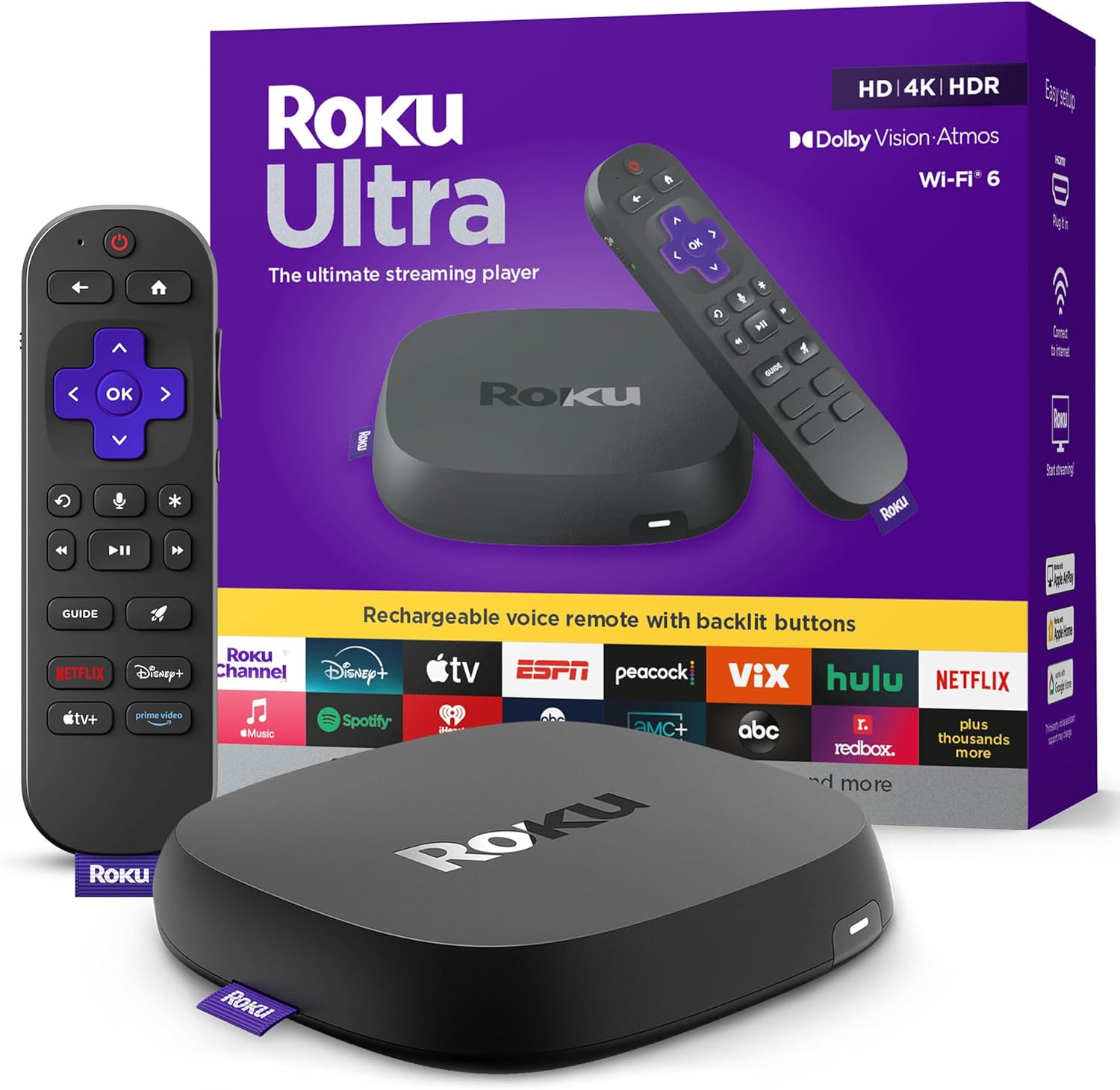
A: Absolutely. Most outdoor TVs have multiple HDMI ports for connecting cable boxes, Roku, Apple TV, or gaming consoles. Ensure the device is also protected from the elements.
Q: Are outdoor TVs worth the extra cost?
A: If you frequently entertain outdoors or watch sports in your yard, yes. The durability, visibility, and peace of mind justify the investment. For occasional use, a partial-cover model may suffice.
Our Final Recommendations
- Best for Budget-Conscious Buyers: TCL 6-Series in a certified outdoor enclosure. Offers excellent picture quality and smart features at a lower price, ideal for covered patios.
- Best Overall Value: SunBriteTV Veranda 3 Series. Combines weather resistance, 700+ nits brightness, and reliable performance at a mid-range price.
- Best Premium Option: Samsung The Terrace. Features 1,500 nits brightness, IP55 rating, and stunning QLED display—perfect for sunny backyards.
- Best for Beginners: LG Outdoor TV (partial-cover model). Easy setup, intuitive webOS interface, and good audio output for casual users.
- Best for Advanced Users: Seura Ultra Bright Outdoor TV. Ultra-high brightness, commercial-grade build, and customizable mounting for serious outdoor setups.
Conclusion: Making the Right Choice
Choosing the right outdoor TV for football games and outdoor entertainment is about balancing performance, durability, and budget. With so many options available, it’s easy to get overwhelmed—but by focusing on key factors like weather resistance, brightness, and smart features, you can narrow down your choices and find a model that fits your needs. Remember, an outdoor TV is more than just a screen; it’s the centerpiece of your backyard gatherings, game-day parties, and summer movie nights.
Prioritize your specific environment and usage. If you’re watching football under the sun, brightness and anti-glare are non-negotiable. If you’re hosting frequent events, invest in quality audio and a reliable mount. And always choose a TV designed for outdoor use—don’t compromise on safety or longevity. With the insights from this guide, you’re now equipped to make a smart, confident purchase that will deliver years of enjoyment under the open sky. So go ahead—set up your outdoor theater, invite the neighbors, and never miss a touchdown again.

