
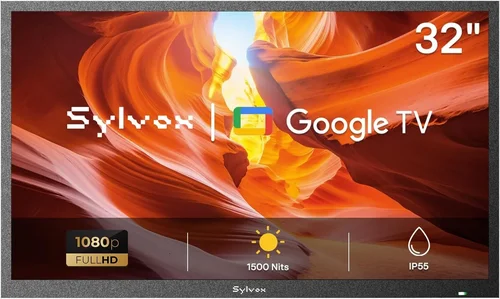
Outdoor living spaces have evolved far beyond simple patios and decks. Today’s homeowners are transforming their backyards into fully functional extensions of their homes—complete with outdoor kitchens, fire pits, sound systems, and yes, televisions. Among the most popular structures for these modern outdoor rooms is the pergola. With its open-air design, partial shade, and architectural charm, a pergola offers the perfect balance between shelter and openness. But here’s the catch: not all TVs are built to thrive in this unique environment.
That’s where this guide comes in. Whether you’re lounging under your pergola on a sunny afternoon or hosting a movie night under the stars, choosing the right outdoor television can make or break your experience. A standard indoor TV might seem like a budget-friendly shortcut, but it won’t withstand humidity, temperature swings, UV exposure, or even morning dew. Outdoor TVs are specifically engineered for these conditions—offering weatherproofing, anti-glare screens, enhanced brightness, and rugged enclosures. This guide will walk you through everything you need to know to pick the best outdoor TV for your pergola setup, from technical specs to real-world performance, budget considerations, and common pitfalls to avoid.
By the end of this comprehensive buying guide, you’ll understand exactly what separates an outdoor TV from its indoor counterpart, how to match a model to your specific pergola conditions (partial shade vs. full sun), and which brands and models deliver the best value, durability, and picture quality. We’ll also break down pricing tiers, highlight expert tips for getting the best deal, and answer frequently asked questions based on real user experiences. The market for outdoor TVs has grown significantly in recent years, with options ranging from budget-friendly all-weather displays to premium commercial-grade units used in luxury resorts. With so many choices—and so much at stake if you get it wrong—this guide ensures you make a confident, informed decision that enhances your outdoor lifestyle for years to come.

What to Look for When Buying Buying Guide
1. Weather Resistance & IP Rating
When mounting a TV under a pergola, weather resistance isn’t just a nice-to-have—it’s essential. Unlike fully enclosed patios or screened-in porches, pergolas offer limited protection from rain, snow, dust, and humidity. Even if your pergola has a solid roof or retractable canopy, moisture and temperature fluctuations can still affect electronics over time. That’s why every outdoor TV must carry an official Ingress Protection (IP) rating, which indicates its level of resistance to solids (like dust) and liquids (like rain).
Look for a minimum IP55 rating, which means the TV is protected against low-pressure water jets from any direction and limited dust ingress. For pergolas in regions with heavy rainfall or coastal climates, aim for IP65 or higher—this ensures complete dust-tight sealing and protection against water projected by a nozzle. Some premium models even boast IP66 or IP67 ratings, making them suitable for near-total immersion (though you’d never submerge a TV, this level of sealing speaks to overall build quality). Avoid any outdoor TV that doesn’t clearly state its IP rating—it’s a red flag that the manufacturer hasn’t tested it for real-world outdoor use.
Beyond the rating itself, examine the materials used in the TV’s housing. High-quality outdoor TVs use powder-coated aluminum or marine-grade stainless steel to resist rust and corrosion. Internal components should also be conformal-coated—a protective layer applied to circuit boards to prevent moisture damage. Remember: even with a high IP rating, it’s wise to install your TV under the deepest part of your pergola overhang and consider adding a weatherproof cover when not in use during extreme storms.
2. Screen Brightness & Anti-Glare Technology
One of the biggest challenges of watching TV outdoors is ambient light. Even under a pergola, sunlight reflecting off the screen can wash out colors and make details hard to see. Indoor TVs typically peak around 300–500 nits of brightness—fine for a dim living room but inadequate for outdoor viewing. Outdoor TVs, by contrast, are engineered for high luminance, often delivering 700 nits or more, with some premium models exceeding 2,500 nits.
For pergolas that receive partial sunlight—especially during morning or late afternoon—you’ll want a TV with at least 1,000 nits of brightness. If your pergola is partially open to direct sun (common with lattice-style roofs), aim for 1,500+ nits. But brightness alone isn’t enough. You also need advanced anti-glare technology. Look for screens with optically bonded glass, which reduces internal reflections by fusing the display panel directly to the outer glass layer. This minimizes glare and improves viewing angles, so you can enjoy a clear picture whether you’re sitting directly in front or off to the side.
Some manufacturers also incorporate special coatings that diffuse ambient light rather than reflecting it. These “sunlight-readable” displays maintain color accuracy and contrast even in bright conditions. Avoid TVs that rely solely on software-based brightness boosts—these can cause color distortion and reduce panel lifespan. Instead, prioritize hardware-level solutions designed specifically for outdoor environments.
3. Temperature Tolerance & Thermal Management
Outdoor temperatures can swing dramatically—from freezing winter nights to scorching summer afternoons. Most consumer electronics are rated for operation between 32°F and 95°F (0°C to 35°C), but outdoor TVs must handle extremes far beyond that range. A quality outdoor TV should operate reliably from -30°F to 120°F (-34°C to 49°C), ensuring performance in both snowy Minnesota winters and Arizona summers.
To achieve this, manufacturers use specialized thermal management systems. Passive cooling (heat sinks and ventilation channels) is common, but some high-end models include active cooling fans or even heating elements to prevent condensation in cold, humid climates. These systems are designed to run quietly and efficiently without compromising the TV’s weatherproof seal. Internal temperature sensors automatically adjust fan speed or activate heaters as needed, protecting sensitive components like the LCD panel and power supply.
Pay attention to how the TV handles thermal expansion and contraction. Repeated exposure to temperature changes can weaken solder joints and cause premature failure in poorly designed units. Look for brands that conduct rigorous environmental testing, including thermal cycling and humidity exposure. Also, consider your pergola’s microclimate: if it’s near a pool or hot tub, humidity will be higher; if it’s exposed to wind, the TV may cool faster. Choose a model with a tolerance range that comfortably exceeds your local climate extremes.
4. Build Quality & Durability
An outdoor TV isn’t just a display—it’s a long-term investment in your outdoor living space. Unlike indoor TVs, which sit safely behind closed doors, outdoor models face constant exposure to the elements, potential impacts (from tree branches or playful pets), and even vandalism in shared spaces. That’s why build quality matters more than ever.
Start with the chassis. Premium outdoor TVs use extruded aluminum frames with reinforced corners and sealed seams. The back panel should be fully enclosed with no exposed vents or gaps that could allow moisture ingress. Look for reinforced mounting points compatible with VESA standards (typically 200x200mm to 600x400mm) and ensure the included wall mount is also weather-rated. Some brands offer optional ceiling mounts or articulating arms designed specifically for pergolas.
The screen itself should be made of tempered glass—not plastic—to resist scratches and impacts. Many outdoor TVs also feature shatter-resistant coatings for added safety. Internally, components are often potted in epoxy or silicone to protect against vibration and moisture. Check for certifications like UL Listed for outdoor use or compliance with international standards like IEC 60529 (for IP ratings). Finally, inspect user reviews for reports of long-term durability—especially after 2–3 years of seasonal use. A TV that looks great on day one but fails after its first winter isn’t worth the savings.
5. Smart Features & Connectivity
Just because your TV lives outdoors doesn’t mean it should lack modern conveniences. Today’s best outdoor TVs come equipped with full smart platforms, allowing you to stream Netflix, YouTube, Disney+, and more without needing an external device. However, not all smart systems are created equal—especially in outdoor settings.
Look for TVs running established platforms like Android TV, webOS (LG), or Roku TV. These offer regular software updates, broad app support, and intuitive interfaces. Avoid proprietary systems with limited app stores or slow update cycles. Voice control via Google Assistant or Alexa is a nice bonus, especially when your hands are full with grilling tongs or a cold drink.
Connectivity is equally important. Ensure the TV has multiple HDMI ports (at least two, preferably three), USB inputs for media playback, and Ethernet for wired internet (Wi-Fi alone can be unreliable outdoors due to signal interference). Some models include built-in Bluetooth for wireless audio to outdoor speakers. For pergola setups near a home theater or gaming console, HDMI 2.1 support enables 4K/120Hz gaming and Variable Refresh Rate (VRR)—a must for serious gamers.
One often-overlooked feature is remote control design. Standard IR remotes struggle in bright sunlight and require line-of-sight. Opt for TVs with RF (radio frequency) remotes that work through walls and in direct sun, or those that support smartphone apps for control. A few premium models even include backlit remotes for evening use.
6. Size & Viewing Distance
Choosing the right screen size for your pergola depends on two key factors: seating distance and viewing angle. Unlike indoor TVs, where you might sit 6–10 feet away, pergola setups often involve closer seating—especially if the TV is mounted above a grill station or seating nook. A screen that’s too large can cause neck strain; one that’s too small becomes hard to see in daylight.
As a general rule, multiply your viewing distance (in inches) by 0.84 to get the ideal screen diagonal in inches. For example, if your primary seating is 8 feet (96 inches) away, aim for a 80-inch TV (96 × 0.84 ≈ 80). However, outdoor brightness allows for slightly larger screens than indoor equivalents—you can comfortably go up one size without sacrificing clarity.
Consider your pergola’s dimensions. A 55-inch TV works well in smaller pergolas (10×10 ft or less), while 65–75 inches suit medium to large structures. For expansive outdoor rooms with multiple seating zones, an 85-inch model delivers a cinematic experience. Also, think about mounting height: the center of the screen should be at or slightly below eye level when seated (typically 42–48 inches from the ground). Avoid placing the TV too high, as this forces viewers to look upward and reduces immersion.
7. Brand Reputation & Ecosystem Compatibility
Not all outdoor TV brands are equal. Some are established players with years of experience in commercial and residential outdoor displays; others are newcomers repackaging indoor TVs with weatherproof shells. Stick with reputable manufacturers known for reliability, customer service, and genuine outdoor engineering.
Top-tier brands like SunBriteTV (a subsidiary of Sylvane), Samsung (with its Terrace series), and Seura have dedicated R&D teams focused solely on outdoor performance. They conduct real-world testing in deserts, coastlines, and snowy climates—not just lab simulations. These companies also offer comprehensive ecosystems: matching outdoor soundbars, weatherproof mounts, and even integrated lighting solutions.
Ecosystem compatibility matters if you already own smart home devices. For instance, Samsung’s Terrace TV integrates seamlessly with SmartThings, allowing you to control lighting, irrigation, and security from one app. LG’s outdoor models work with ThinQ AI for voice commands and energy monitoring. If you’re invested in Apple HomeKit or Google Home, verify compatibility before buying—some outdoor TVs lack support for these platforms.
Also, consider regional availability. Certain brands dominate in North America (SunBriteTV), while others are stronger in Europe (Philips Outdoor Displays). Check local dealer networks for installation support and service centers—you don’t want to ship a 75-inch TV across the country for repairs.
8. Warranty & Customer Support
Outdoor TVs are expensive—often 2–3 times the price of comparable indoor models—so protecting your investment with a strong warranty is non-negotiable. Most reputable brands offer 2–3 years of coverage, but read the fine print carefully. Some warranties exclude damage from “acts of nature” (hail, lightning) or improper installation, while others cover only parts, not labor.
Look for brands that provide on-site service or local technician networks. SunBriteTV, for example, partners with certified installers across the U.S. who can diagnose and repair issues without removing the TV. Samsung offers extended warranty plans through third-party providers, including accidental damage coverage.
Customer support responsiveness is just as important. Test the brand’s support before buying: call their helpline, send an email, or chat online. How quickly do they respond? Are they knowledgeable about outdoor-specific issues like condensation or signal interference? Check forums and review sites for recurring complaints about unresponsive service or denied claims.
Finally, consider the availability of replacement parts. Outdoor TVs have unique components (weatherproof remotes, specialized power supplies) that aren’t sold separately by generic retailers. Ensure the manufacturer stocks spare parts for at least 5–7 years after discontinuation.
Different Types of Buying Guide

Common Buying Mistakes to Avoid
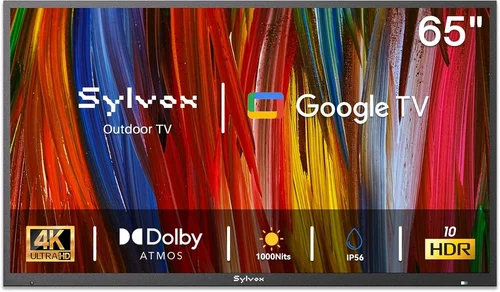
❌ Mistake: Buying an Indoor TV for Outdoor Use
Why it’s bad: Indoor TVs lack weatherproofing, have low brightness, and aren’t designed for temperature extremes. Even under a pergola, moisture, dust, and UV exposure will degrade components quickly, leading to premature failure, discoloration, or complete shutdown. Many indoor TVs also void warranties if used outdoors.
What to do instead: Invest in a purpose-built outdoor TV or use a certified outdoor enclosure if you must repurpose an indoor model. Never assume “it’s covered enough”—outdoor electronics require specialized engineering.
❌ Mistake: Ignoring IP Ratings
Why it’s bad: Without a proper IP rating, you have no guarantee the TV can handle rain, splashes, or humidity. A TV labeled “weather-resistant” without an IP code may only be splash-proof, not suitable for prolonged outdoor exposure.
What to do instead: Always verify the IP rating (aim for IP55 or higher) and understand what it means. IP55 protects against water jets; IP65 adds dust-tight sealing. Match the rating to your pergola’s exposure level.
❌ Mistake: Overlooking Brightness Needs
Why it’s bad: A dim screen (under 700 nits) will look washed out even in partial shade. You’ll strain to see details during daytime viewing, defeating the purpose of having an outdoor TV.
What to do instead: Assess your pergola’s light conditions. For partial shade, choose 1,000+ nits; for full sun, go for 2,000+ nits. Prioritize optically bonded anti-glare screens over software brightness hacks.
❌ Mistake: Skimping on Mounting Hardware
Why it’s bad: Standard indoor mounts aren’t rated for outdoor use. They can rust, loosen over time, or fail under wind load, risking damage to the TV and injury to people below.
What to do instead: Use a weatherproof, VESA-compatible outdoor mount from the same brand as your TV or a trusted third party like Peerless or Chief. Ensure it’s rated for your TV’s weight and size.
❌ Mistake: Neglecting Power and Signal Protection
Why it’s bad: Outdoor environments are prone to power surges from lightning or grid fluctuations. Unprotected TVs can suffer electrical damage, especially during storms.
What to do instead: Install a whole-home surge protector and use outdoor-rated power cords. For signal cables (HDMI, Ethernet), use in-wall rated (CL2/CL3) or direct burial cables with waterproof connectors.
❌ Mistake: Choosing Based on Price Alone
Why it’s bad: The cheapest outdoor TV often cuts corners on materials, brightness, and durability. You may save $500 upfront but spend more on replacements or repairs within 2–3 years.
What to do instead: Focus on total cost of ownership. A mid-range outdoor TV with a 3-year warranty and proven reliability often offers better long-term value than a budget model.
❌ Mistake: Not Planning for Cable Management
Why it’s bad: Exposed cables are unsightly, vulnerable to weather, and can become tripping hazards. They also make future upgrades or repairs difficult.
What to do instead: Run cables through conduit or use in-wall channels during installation. Choose a TV with rear access panels for easy maintenance. Label all cables for future reference.
Budget Guidelines: How Much Should You Spend?
Outdoor TVs represent a significant investment, but understanding price tiers helps you align spending with your needs and expectations. Here’s a realistic breakdown based on current market offerings:
Entry-Level ($800–$1,500): These are typically indoor TVs housed in basic outdoor enclosures or low-cost all-weather displays with minimal brightness (500–700 nits). Best for fully covered pergolas in mild climates with minimal sun exposure. Expect limited smart features, shorter warranties (1–2 years), and basic weather sealing (IP54). Ideal for occasional evening use but not recommended for daily daytime viewing.
Mid-Range ($1,500–$3,500): This is the sweet spot for most pergola owners. These TVs offer true outdoor engineering: 1,000–1,500 nits brightness, IP55 or IP65 ratings, robust aluminum chassis, and full smart platforms. Models like the SunBriteTV Veranda series or Samsung Terrace (smaller sizes) fall here. They handle partial shade well, include quality remotes, and come with 2–3 year warranties. Perfect for regular family use and entertaining.
Premium ($3,500–$6,000): Designed for challenging environments, these TVs deliver 2,000+ nits brightness, advanced thermal management, and commercial-grade durability. Examples include the SunBriteTV Pro series and larger Samsung Terrace models. They’re ideal for pergolas with lattice roofs, coastal areas, or regions with extreme temperatures. Expect premium materials, extended warranties (3+ years), and ecosystem integration.
Luxury ($6,000+): Reserved for large-scale installations, luxury homes, or commercial venues, these units offer 24/7 operation, ultra-high brightness (3,000+ nits), and bespoke mounting solutions. Brands like Peerless-AV and Planar specialize in this tier. They often include professional installation, custom calibration, and lifetime support. Only necessary if your pergola doubles as a high-end entertainment venue.
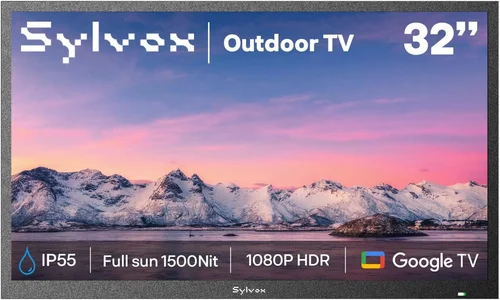
Expert Tips for Getting the Best Deal
- Buy during off-seasons: Outdoor TV sales peak in spring and summer. Shop in late fall or winter (November–February) for discounts of 15–25%. Retailers clear inventory before new models launch.
- Check manufacturer rebates: Brands like Samsung and SunBriteTV often run seasonal promotions or offer mail-in rebates. Sign up for newsletters to get early access.
- Consider refurbished units: Certified refurbished outdoor TVs from authorized dealers come with full warranties and can save you 20–30%. Ensure they include original accessories and haven’t been used commercially.
- Bundle with other outdoor gear: Some dealers offer discounts when you buy a TV, soundbar, and mount together. This is especially common with SunBriteTV’s ecosystem packages.
- Negotiate installation: If hiring a pro, ask if they’ll waive labor fees with a TV purchase. Many certified installers have partnerships with brands and can pass savings to you.
- Read return policies carefully: Outdoor TVs are large and expensive to return. Ensure the retailer offers at least 30 days for returns and covers shipping costs if the unit is defective.
- Test brightness in person: If possible, visit a showroom to compare screens under simulated daylight. Online specs don’t always reflect real-world performance.
- Join owner forums: Communities like AVS Forum or Reddit’s r/outdoortv share deals, installation tips, and long-term reviews you won’t find elsewhere.

Frequently Asked Questions
Q: Can I use a regular TV under my pergola if it’s covered?
A: Technically yes, but it’s not recommended. Even covered pergolas experience humidity, temperature swings, and dust. Indoor TVs lack conformal coating, weatherproof seals, and high brightness—leading to early failure. For reliable, long-term use, invest in an outdoor-rated model.
Q: Do outdoor TVs need special power outlets?
A: Not necessarily, but they should be connected to a grounded outdoor GFCI outlet for safety. Use a heavy-duty outdoor extension cord if needed, and always install a surge protector to guard against lightning strikes.
Q: How do I clean an outdoor TV screen?
A: Use a microfiber cloth slightly dampened with distilled water. Avoid ammonia-based cleaners or paper towels, which can scratch the anti-glare coating. For stubborn spots, use a screen-safe cleaner designed for outdoor displays.
Q: Will an outdoor TV work in winter?
A: Yes, if it’s rated for low temperatures (most operate down to -30°F). However, avoid turning it on immediately after bringing it in from extreme cold—let it acclimate to room temperature first to prevent condensation.
Q: Can I mount an outdoor TV on a pergola beam?
A: Only if the beam is structurally sound and rated to support the TV’s weight (typically 50–150 lbs). Use a reinforced mount and consult a contractor if unsure. Never mount directly to lattice or thin wood.
Q: Do outdoor TVs consume more power?
A: Slightly, due to higher brightness and thermal systems. However, modern LED backlighting keeps energy use reasonable—most 65-inch outdoor TVs draw 150–250 watts under normal use.
Q: What’s the difference between “partial shade” and “full sun” outdoor TVs?
A: Partial shade models (1,000–1,500 nits) are for covered areas with indirect light. Full sun models (2,000+ nits) use brighter panels, enhanced cooling, and superior anti-glare for direct sunlight. Choose based on your pergola’s roof design.
Q: How long do outdoor TVs last?
A: With proper care, 7–10 years is typical. High-end models with commercial-grade components can last 10–15 years. Regular maintenance (cleaning, checking seals) extends lifespan.
Q: Can I connect gaming consoles to an outdoor TV?
A: Absolutely. Look for HDMI 2.1 ports with support for 4K/120Hz, VRR, and ALLM. The Samsung Terrace and SunBriteTV Pro series are excellent for gaming.
Q: Are outdoor TVs noisy due to cooling fans?
A: Quality models use whisper-quiet fans or passive cooling. Noise levels are typically under 25 dB—quieter than a refrigerator hum. Avoid budget units with loud, undersized fans.
Our Final Recommendations
Best for Budget-Conscious Buyers: SunBriteTV Veranda Series (55″–65″) – Offers true outdoor performance at a mid-range price, with 1,000 nits brightness, IP55 rating, and Android TV. Ideal for covered pergolas.
Best Overall Value: Samsung The Terrace (65″–75″) – Combines stunning QLED color, 2,000+ nits brightness, and seamless SmartThings integration. Perfect for partial to full sun pergolas.
Best Premium Option: SunBriteTV Pro Series (75″–86″) – Built for extreme conditions with 2,500 nits, military-grade durability, and 24/7 operation. Ideal for luxury pergolas and commercial use.
Best for Beginners: Seura Outdoor TV (55″–65″) – User-friendly interface, excellent customer support, and sleek design. Great for first-time outdoor TV owners.
Best for Advanced Users: Peerless-AV Xtreme Outdoor Display – Modular design, customizable mounting, and professional calibration tools. For tech-savvy users who want full control.
Conclusion: Making the Right Choice
Choosing the best outdoor TV for your pergola isn’t just about picture quality—it’s about creating a durable, enjoyable, and future-proof entertainment space that enhances your outdoor lifestyle. From weather resistance and brightness to smart features and build quality, every detail matters when your TV lives under the open sky. By prioritizing your specific pergola conditions, setting a realistic budget, and avoiding common pitfalls, you’ll find a model that delivers years of reliable performance.
Remember: an outdoor TV is more than a screen—it’s the centerpiece of your backyard oasis. Whether you’re watching the big game, streaming a movie under the stars, or simply enjoying the ambiance, the right TV transforms your pergola from a shaded retreat into a true outdoor living room. Take your time, do your research, and invest wisely. Your future self—and your guests—will thank you.
Ready to upgrade your pergola? Start by assessing your space, defining your must-have features, and exploring the recommendations above. With the right outdoor TV, every season becomes prime time.

