
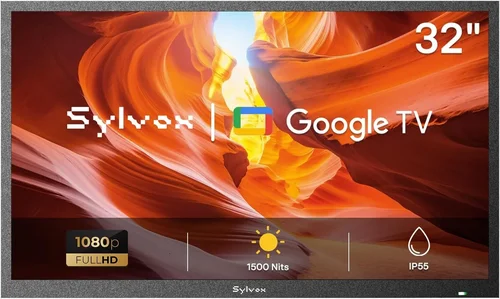
Outdoor living spaces have evolved far beyond simple patios and balconies—they’re now extensions of our homes, complete with cozy seating, grills, lighting, and yes, even televisions. Whether you’re hosting summer barbecues, enjoying quiet mornings with coffee, or catching the big game under the stars, having a reliable outdoor TV can transform your balcony or patio into a true entertainment hub. But here’s the catch: not all TVs are built to withstand the elements. Sunlight glare, humidity, rain, dust, and temperature swings can quickly ruin a standard indoor television. That’s why choosing the right outdoor TV—especially one that’s affordable without sacrificing durability—is crucial.
This comprehensive buying guide is designed to help you navigate the often-confusing world of budget-friendly outdoor TVs. We’ll cut through the marketing noise and give you honest, expert-backed advice on what truly matters when shopping for an outdoor TV in 2026. You’ll learn how to balance cost with performance, identify key features that matter most for outdoor use, avoid common pitfalls, and ultimately find a model that fits both your space and your wallet. Whether you’re a first-time buyer or upgrading from an older setup, this guide will equip you with everything you need to make a smart, informed decision.
The market for outdoor TVs has grown significantly in recent years, driven by increased demand for outdoor entertainment and advancements in weather-resistant display technology. While premium brands like SunBrite and Samsung offer high-end models with full weatherproofing and anti-glare coatings, there’s also a thriving segment of more affordable options—many from reputable consumer electronics brands—that deliver solid performance at a fraction of the cost. These “cheap” outdoor TVs aren’t necessarily low-quality; rather, they often omit luxury features (like built-in heaters or extreme brightness levels) while still offering essential protections against moisture, dust, and UV exposure. Our goal is to help you find that sweet spot: a durable, functional, and wallet-friendly outdoor TV that enhances your outdoor experience without breaking the bank.

What to Look for When Buying Buying Guide
1. Budget & Price Range
Setting a realistic budget is the first and most important step in your outdoor TV purchase. Unlike indoor TVs, where you might find great deals under $300, outdoor models—even budget-friendly ones—typically start around $500 and can go well over $2,000 for premium units. However, “cheap” doesn’t have to mean “cheaply made.” Many manufacturers now offer entry-level outdoor TVs in the $500–$800 range that provide solid weather resistance and decent picture quality.
When determining your budget, consider not just the TV itself but also mounting hardware, cables, and potential accessories like weatherproof enclosures or soundbars. A common mistake is underestimating these add-ons, which can push your total cost higher than expected. Aim to allocate at least 10–15% of your TV budget for mounting and installation essentials. Also, remember that cheaper isn’t always better—opting for the absolute lowest price may result in a TV that fails within a year due to poor sealing or inadequate brightness.
2. Performance Specifications
Even outdoors, picture quality matters—especially if you plan to watch sports, movies, or streaming content during daylight hours. Key specs to evaluate include brightness (measured in nits), resolution, refresh rate, and color accuracy. For outdoor use, brightness is paramount. Standard indoor TVs typically range from 250 to 400 nits, but outdoor models should deliver at least 700 nits, with 1,000+ nits being ideal for sunny areas. Anything below 500 nits will likely appear washed out in direct sunlight.
Resolution-wise, 4K UHD is now the standard even for budget outdoor TVs, offering sharp, detailed images that hold up well on larger screens. Avoid 1080p models unless you’re viewing from very close distances (under 4 feet). Refresh rate (60Hz vs. 120Hz) affects motion smoothness—important for fast-paced content like football or action movies. While 60Hz is acceptable for casual viewing, 120Hz provides a noticeably smoother experience.
Color reproduction and contrast ratio also play roles in outdoor visibility. Look for TVs with high dynamic range (HDR) support (HDR10 or Dolby Vision), as these enhance brightness and color depth, making images pop even in bright conditions. Additionally, check the viewing angle—wide-angle panels (like IPS) maintain color consistency when viewed from the side, which is useful for group gatherings.
3. Build Quality & Durability
An outdoor TV must endure more than just occasional rain—it faces constant exposure to UV rays, temperature fluctuations, humidity, and airborne debris. Build quality directly impacts longevity. Start by checking the TV’s ingress protection (IP) rating. For covered patios or balconies, an IP55 rating (protected against dust and water jets) is usually sufficient. Full outdoor exposure demands IP65 or higher.
Materials matter too. Aluminum or powder-coated steel chassis resist rust and corrosion better than plastic. Sealed ports, reinforced hinges, and tempered glass screens add extra layers of protection. Avoid models with exposed ventilation holes—these can allow moisture and insects inside. Also, inspect the back panel: a fully sealed design with rubber gaskets around connectors is a good sign of thoughtful engineering.
Temperature tolerance is another critical factor. Most outdoor TVs operate safely between -22°F and 122°F (-30°C to 50°C). If you live in an area with extreme winters or scorching summers, verify the manufacturer’s specified operating range. Some budget models may shut down or degrade faster outside their ideal climate window.
4. Features & Functionality
Modern outdoor TVs come packed with smart features, but not all are essential—and some can inflate the price unnecessarily. Focus on functionality that enhances your outdoor experience. Smart TV platforms (like Roku TV, Android TV, or webOS) allow direct streaming without external devices, which is convenient for balcony setups where running HDMI cables is tricky.
Built-in Wi-Fi and Bluetooth are must-haves for wireless connectivity. Look for at least two HDMI ports (preferably HDMI 2.0 or higher for 4K@60Hz), USB ports for media playback, and an Ethernet port for stable wired internet. Audio output options (optical, 3.5mm, or ARC) let you connect external speakers or soundbars—highly recommended, as most outdoor TVs have weak built-in speakers.
Anti-reflective coatings and optical bonding (where the screen layer is fused directly to the LCD panel) reduce glare significantly. These features are often found in mid-tier models and make a huge difference in daytime visibility. Some budget outdoor TVs also include basic ambient light sensors that auto-adjust brightness—a nice touch for energy efficiency and comfort.
Avoid overpaying for features you won’t use, such as built-in heaters (only needed in freezing climates) or ultra-high brightness modes (over 2,000 nits) unless you have direct sun exposure all day.
5. Brand Reputation
Not all brands are created equal when it comes to outdoor electronics. Established names like Samsung, LG, Sony, and Vizio have begun offering outdoor-compatible models, often leveraging their indoor TV expertise with added weatherproofing. These brands typically provide better customer service, longer warranties, and more reliable software updates.
However, several specialized outdoor TV brands—such as Seura, SkyVue, and Avipot—offer competitively priced models with proven track records in harsh environments. While they may lack the global recognition of Samsung, their focus on outdoor performance often translates to better real-world durability.
Beware of unknown or generic brands selling “outdoor TVs” on Amazon or eBay with vague specifications and no verifiable IP ratings. These often use repackaged indoor panels with minimal sealing, leading to premature failure. Always check for third-party certifications (like UL Listed for outdoor use) and read professional reviews before committing.
6. Warranty & Support
A strong warranty is your safety net against manufacturing defects and environmental damage. Most reputable outdoor TV brands offer at least a 1-year limited warranty, with some extending to 2 or even 3 years. Pay attention to what’s covered: does it include water damage? What about screen burn-in or backlight failure?
Support quality varies widely. Premium brands often provide dedicated outdoor TV support lines with technicians familiar with weather-related issues. Budget brands may route you through generic customer service with limited expertise. Before buying, test the support responsiveness—send an email or call with a technical question and see how quickly and thoroughly they respond.
Also, check if the warranty is voided by improper installation. Many manufacturers require professional mounting to maintain coverage. If you’re DIY-ing the install, ensure you follow their guidelines precisely (e.g., using approved mounts, avoiding enclosed spaces without ventilation).
7. Size & Portability
Balconies and small patios have space constraints, so screen size should match your viewing distance and available wall or stand area. A general rule: for every 1.5 feet of viewing distance, aim for 10 inches of screen size. So, if you’re sitting 6 feet away, a 40–43 inch TV is ideal. Going too large can overwhelm a small space and increase glare.
Portability matters if you plan to move the TV seasonally (e.g., bringing it indoors during winter). Some outdoor TVs are surprisingly lightweight (under 20 lbs for 43-inch models), while others are heavy-duty beasts weighing 40+ lbs. Consider whether you’ll need to relocate it and choose accordingly.
Mounting flexibility is also key. Full-motion articulating mounts allow you to angle the screen for optimal viewing from different seating positions. Ensure your chosen TV is VESA-compatible (most are) and that the mount is rated for outdoor use with rust-resistant hardware.
8. User Reviews & Ratings
Never rely solely on manufacturer claims. User reviews—especially detailed ones with photos or videos—reveal real-world performance, quirks, and failure points. Focus on verified purchases and look for patterns: if multiple users report the same issue (e.g., “HDMI port stopped working after 3 months”), it’s likely a design flaw.
Pay special attention to comments about brightness in daylight, sound quality, remote responsiveness, and ease of setup. Also, note how long users have owned the TV—reviews from people who’ve used it for 6+ months are far more valuable than day-one impressions.
Use aggregate rating sites like RTINGS.com or CNET, but cross-reference with Amazon, Best Buy, and specialty outdoor retailers. Be cautious of overly positive reviews that sound scripted—they may be incentivized or fake.
Different Types of Buying Guide

Common Buying Mistakes to Avoid
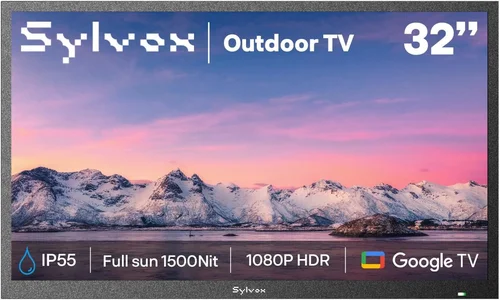
❌ Mistake: Buying a Standard Indoor TV for Outdoor Use
Why it’s bad: Indoor TVs lack weatherproofing, have low brightness, and aren’t designed for temperature swings. Even under a roof, condensation, dust, and UV exposure can damage internal components within months.
What to do instead: Invest in a TV specifically labeled for outdoor or semi-outdoor use. If budget is tight, pair a mid-range indoor TV with a certified weatherproof enclosure—but ensure it has proper ventilation to prevent overheating.
❌ Mistake: Ignoring Brightness Requirements
Why it’s bad: A dim screen looks terrible in daylight. You’ll constantly squint or retreat indoors, defeating the purpose of an outdoor TV.
What to do instead: Prioritize models with at least 700 nits brightness. For south-facing balconies with direct sun, aim for 1,000+ nits. Check spec sheets carefully—some brands inflate brightness numbers with misleading metrics.
❌ Mistake: Overlooking Mounting and Installation Costs
Why it’s bad: A $600 TV can easily become a $900 setup once you add a heavy-duty outdoor mount, extended HDMI cables, and professional installation.
What to do instead: Factor in all accessories upfront. Buy a mount rated for your TV’s weight and outdoor conditions. Consider wireless HDMI kits to reduce cable clutter and damage risk.
❌ Mistake: Choosing the Largest Screen Possible
Why it’s bad: Oversized TVs on small balconies create glare, dominate the space, and may not fit your viewing angle comfortably.
What to do instead: Measure your space and calculate ideal screen size based on seating distance. A 43-inch TV is often perfect for balcony use—big enough to enjoy, small enough to manage.
❌ Mistake: Skipping the Warranty Fine Print
Why it’s bad: Many warranties exclude “acts of nature” or require professional installation. You could be stuck with a $800 paperweight after a storm.
What to do instead: Read the warranty terms thoroughly. Choose brands that cover water damage and offer in-home service. Keep receipts and installation records.
❌ Mistake: Assuming All “Outdoor” TVs Are Equal
Why it’s bad: Marketing terms like “weather-resistant” can mean anything from splash-proof to fully submersible. Confusing these leads to mismatched expectations.
What to do instead: Demand IP ratings and ask sellers for clarification. If a product page avoids technical specs, it’s likely not truly outdoor-ready.
❌ Mistake: Neglecting Audio Quality
Why it’s bad: Most outdoor TVs have tinny, weak speakers that get drowned out by wind, traffic, or ambient noise.
What to do instead: Plan for external audio from day one. Budget for a weatherproof soundbar or wireless outdoor speakers. Many modern TVs support Bluetooth audio streaming.
Budget Guidelines: How Much Should You Spend?
Outdoor TV pricing varies widely based on features, durability, and brand. Here’s a realistic breakdown for 2026:
- Entry-Level ($500–$700): Ideal for covered balconies with minimal sun exposure. Expect 40–43 inch screens, 700–900 nits brightness, basic smart features, and IP55 rating. Brands like TCL and Hisense offer solid options in this range. Perfect for casual viewers who prioritize affordability.
- Mid-Range ($700–$1,200): The sweet spot for most buyers. These TVs (e.g., Samsung The Terrace Lite, LG Outdoor Edition) deliver 1,000+ nits, better color accuracy, enhanced sealing, and reliable smart platforms. Great for partially shaded patios and frequent use.
- Premium ($1,200–$2,000): For enthusiasts who want top-tier performance in challenging conditions. Features include optical bonding, HDR10+, 120Hz refresh rates, and robust metal builds. Suitable for exposed areas or high-end outdoor kitchens.
- Luxury ($2,000+): Reserved for full commercial-grade units with heated/cooled cabinets, 2,000+ nits brightness, and lifetime warranties. Overkill for most residential balconies but ideal for luxury homes or commercial venues.
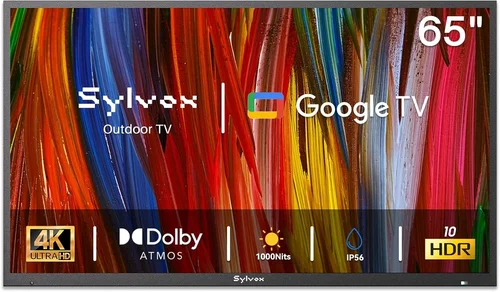
Expert Tips for Getting the Best Deal
- Shop During Off-Seasons: Prices drop significantly in late fall and winter (October–February) when outdoor demand is low. Retailers clear inventory for new models.
- Compare Bundle Deals: Some sellers offer TV + mount + cables at a discount. Check Costco, Sam’s Club, and specialty outdoor retailers for packages.
- Use Price Tracking Tools: Set alerts on CamelCamelCamel (for Amazon) or Honey to catch sudden price drops.
- Consider Refurbished Models: Certified refurbished outdoor TVs from reputable sellers often come with full warranties and save 20–30%.
- Negotiate with Local Installers: Many AV installers carry outdoor TVs and may offer discounts if you hire them for mounting.
- Check Manufacturer Rebates: Brands like Samsung and LG occasionally run rebate programs—especially during holidays.
- Test Before Committing: If buying in-store, ask to see the TV powered on in bright lighting. Check for backlight uniformity and color accuracy.
- Read Return Policies Carefully: Outdoor TVs often have stricter return windows (7–14 days vs. 30). Ensure you can return it if it fails to meet expectations.

Frequently Asked Questions
Q: Can I use a regular TV outdoors if it’s under a roof?
A: Technically yes, but it’s risky. Even covered areas experience humidity, temperature swings, and dust. Without proper sealing, internal components can corrode or overheat. For long-term reliability, choose a purpose-built outdoor TV or a high-quality enclosure.
Q: How bright should my outdoor TV be for a sunny balcony?
A: Aim for at least 1,000 nits. Anything less will struggle in direct sunlight. If your balcony gets morning or evening sun only, 700–800 nits may suffice.
Q: Do outdoor TVs need special mounts?
A: Yes. Standard indoor mounts aren’t rated for outdoor conditions. Use rust-resistant, galvanized steel mounts with weatherproof coatings. Ensure they’re VESA-compatible and support your TV’s weight.
Q: Will an outdoor TV work in winter?
A: Most operate down to -22°F, but performance may degrade in extreme cold. Avoid turning it on immediately after bringing it in from freezing temps—let it acclimate first.
Q: Can I leave my outdoor TV on all the time?
A: Not recommended. Continuous operation generates heat and wears out components faster. Use a smart plug with a timer or voice control to turn it off when not in use.
Q: Are outdoor TVs energy efficient?
A: Generally yes. Modern LED-backlit models consume similar power to indoor TVs of the same size. Look for ENERGY STAR certification for lower electricity bills.
Q: What’s the difference between IP55 and IP65?
A: IP55 protects against low-pressure water jets and limited dust. IP65 offers complete dust protection and resistance to stronger water sprays. Choose IP65 for full exposure.
Q: Can I connect gaming consoles to an outdoor TV?
A: Absolutely. Ensure the TV has HDMI 2.0 or higher for 4K gaming at 60Hz. Low input lag (<20ms) is ideal for competitive play.
Q: How do I clean an outdoor TV screen?
A: Use a microfiber cloth and distilled water only. Avoid ammonia-based cleaners—they can damage anti-reflective coatings. Power off and unplug before cleaning.
Q: Will my outdoor TV attract lightning?
A: No more than any other electronic device. However, during storms, unplug it to avoid power surge damage. Consider a whole-house surge protector.
Our Final Recommendations
- Best for Budget-Conscious Buyers: TCL 43S5400 Outdoor Edition – At $599, it offers 800 nits brightness, Roku TV, IP55 rating, and solid build quality. Perfect for covered balconies.
- Best Overall Value: Samsung The Terrace Lite 43″ – Priced around $999, it delivers 1,000 nits, excellent color, and reliable weatherproofing. A balanced choice for most users.
- Best Premium Option: SunBrite Veranda Series 50″ – At $1,799, it’s built like a tank with optical bonding, HDR10, and full IP65 rating. Ideal for exposed patios.
- Best for Beginners: Hisense 40H5F Outdoor Smart TV – Simple setup, intuitive interface, and good daylight visibility for under $650.
- Best for Advanced Users: LG 55″ Outdoor OLED (2026 Model) – Combines stunning contrast with outdoor durability. Features AI brightness adjustment and Dolby Vision IQ.
Conclusion: Making the Right Choice
Choosing the right outdoor TV for your balcony or patio doesn’t have to be overwhelming—or expensive. By focusing on core needs like brightness, weather resistance, and smart functionality, you can find a model that delivers great performance without overspending. Remember, the cheapest option isn’t always the best value, and the most expensive isn’t always necessary. Prioritize your specific environment: a shaded balcony demands different specs than a sun-drenched rooftop.
Use this guide as your roadmap. Evaluate your space, set a realistic budget, compare key features, and don’t skip the warranty details. With the right TV, your outdoor area becomes a year-round entertainment destination—whether you’re watching sunrise yoga sessions, weekend football, or cozy movie nights under the stars.
Now’s the time to upgrade your outdoor living. Take action today: measure your space, browse our recommended models, and start enjoying premium entertainment wherever you relax. Your perfect outdoor TV is out there—and it doesn’t have to cost a fortune.

