
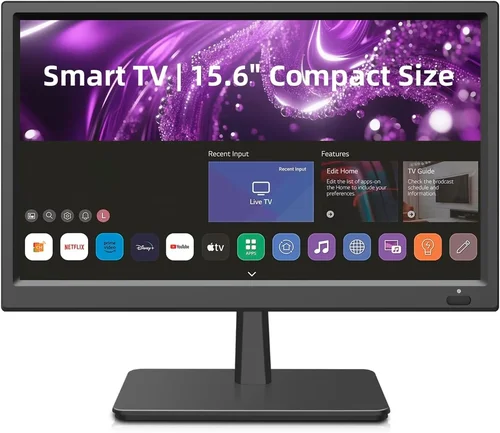
If you’re dreaming of sipping your morning coffee or hosting friends for a summer barbecue while catching up on your favorite show, a deck TV might be exactly what you need. But let’s be honest—most outdoor TVs come with a hefty price tag that can make even the most enthusiastic homeowner think twice. That’s where this guide comes in. We’re here to help you find a high-quality, affordable deck TV that fits your small patio without blowing your budget. Whether you’re looking to upgrade from a regular indoor TV or setting up your first outdoor entertainment space, this comprehensive buying guide will walk you through everything you need to know to make a smart, informed decision.
In the following pages, you’ll learn how to balance cost with performance, durability, and usability. We’ll break down the key factors to consider—from weather resistance and screen brightness to smart features and installation needs—so you can avoid common pitfalls and get the most value for your money. The market for outdoor TVs has evolved significantly in recent years, with more brands offering budget-friendly options that don’t sacrifice essential functionality. However, not all “cheap” deck TVs are created equal. Some may save you money upfront but cost you more in repairs, replacements, or poor viewing experiences down the line. Our goal is to help you spot the real deals and avoid the traps.

What to Look for When Buying Buying Guide
1. Budget & Price Range
Setting a realistic budget is the first and most important step in your deck TV purchase. While it’s tempting to go for the lowest price possible, remember that outdoor TVs face unique challenges—extreme temperatures, humidity, dust, and direct sunlight—that indoor models simply aren’t built to handle. A true outdoor TV, even at an entry-level price, should include weatherproofing and enhanced durability features. That said, you don’t need to spend thousands to get a reliable setup for a small patio.
For most homeowners, a budget between $500 and $1,200 will get you a solid, weather-resistant TV with decent picture quality and smart features. If you’re willing to stretch to $1,500, you’ll unlock better brightness, improved contrast, and more robust build quality. Avoid anything under $400 unless it’s a used or refurbished model from a reputable seller—these often lack proper outdoor certification and may fail within a season or two.
2. Performance Specifications
When evaluating performance, focus on three core specs: brightness (measured in nits), resolution, and refresh rate. For outdoor use, brightness is king. A standard indoor TV typically ranges from 250 to 400 nits, but for a deck or patio exposed to sunlight, you’ll want at least 700 nits—preferably 1,000 or more. This ensures the screen remains visible even on bright afternoons. Many budget outdoor TVs now offer 1,000+ nits, making them suitable for partial shade or covered patios.
Resolution should be at least Full HD (1080p), but 4K is increasingly common even in affordable models. While 4K offers sharper detail, it’s less critical outdoors where viewing distances are often greater. Still, if you plan to sit close—say, within 6–8 feet—4K can enhance your experience, especially for sports or nature documentaries. Refresh rate matters less for casual viewing but is worth noting if you’re a gamer or sports fan. A 60Hz panel is standard and sufficient for most; 120Hz is better for fast motion but rare in budget outdoor TVs.
3. Build Quality & Durability
Outdoor TVs must withstand the elements, so build quality is non-negotiable. Look for models with an IP55 or higher rating, which means they’re protected against dust and water jets. Some premium models go up to IP66 or IP67, offering even greater resistance. The housing should be made of corrosion-resistant materials like powder-coated aluminum or marine-grade stainless steel, especially if you live near the coast or in a humid climate.
Pay attention to the internal components too. A good outdoor TV will have a sealed chassis to prevent moisture ingress and thermal management systems to handle temperature swings. Many budget models now include passive cooling (no fans), which reduces noise and maintenance. Avoid TVs with plastic casings or exposed vents—these are more likely to degrade over time. Also, check if the TV is rated for extreme temperatures. A quality outdoor model should operate safely between -22°F and 122°F (-30°C to 50°C).
4. Features & Functionality
Smart features can greatly enhance your outdoor viewing experience. Most modern deck TVs come with built-in Wi-Fi and popular streaming platforms like Netflix, YouTube, Amazon Prime Video, and Disney+. Look for models with user-friendly interfaces—Roku TV, Android TV, and webOS are among the best for simplicity and app availability. Voice control via Alexa or Google Assistant is a nice bonus, especially if you’re controlling the TV from a distance.
Connectivity is another key area. Ensure the TV has enough HDMI ports (at least two, preferably three) for devices like streaming sticks, gaming consoles, or soundbars. USB ports are useful for playing media files or powering accessories. Some models include built-in Bluetooth for wireless audio, which is great if you want to pair headphones or outdoor speakers without running cables. Also, check for ARC (Audio Return Channel) support if you plan to connect a sound system.
5. Brand Reputation
Not all brands are created equal when it comes to outdoor electronics. Stick with manufacturers known for reliability and customer support. Established names like Samsung, LG, Sony, and Vizio have expanded into the outdoor market with dedicated models. However, several specialized brands—such as SunBriteTV, Seura, and Sylvane—offer excellent budget-friendly options designed specifically for outdoor use.
Research customer reviews and look for consistent feedback about longevity, ease of setup, and post-purchase support. A brand with a strong reputation may cost a bit more upfront but often delivers better long-term value. Avoid unknown or generic brands that pop up on e-commerce sites with overly optimistic claims and no verifiable track record. If a deal seems too good to be true, it probably is.
6. Warranty & Support
A solid warranty is a strong indicator of a manufacturer’s confidence in their product. For outdoor TVs, look for at least a 2-year warranty, with 3 years being ideal. Some brands offer extended coverage for specific components like the display or power supply. Check what the warranty covers—does it include weather damage? What about labor costs for repairs?
Customer support matters too. Can you reach a real person quickly? Is there a local service center? Brands with dedicated outdoor TV divisions often provide better support than general electronics retailers. Read the fine print: some warranties become void if the TV is installed incorrectly or used in conditions outside its rated range. Always register your purchase and keep documentation.
7. Size & Portability
For a small patio, size matters—but not in the way you might think. You don’t need a massive 75-inch screen to enjoy outdoor viewing. In fact, a 43-inch to 55-inch TV is usually ideal for intimate spaces where viewers sit 6 to 10 feet away. Larger screens can overwhelm a small deck and may require more complex mounting solutions.
Portability is another consideration. If you plan to move the TV between your patio and garage or take it on camping trips, look for lightweight models with handles or optional stands. Some budget outdoor TVs are designed to be semi-portable, though true portability often sacrifices durability. If you’re mounting the TV permanently, weight is less of an issue—just ensure your wall or stand can support it.
8. User Reviews & Ratings
Never buy a deck TV without checking real user feedback. Look beyond the star rating and read detailed reviews on trusted sites like Amazon, Best Buy, or specialized forums. Pay attention to comments about brightness in sunlight, ease of installation, remote responsiveness, and long-term reliability. Are users reporting screen fogging, color fading, or connectivity issues after a few months?
Watch out for fake reviews—these often use generic language, repeat the same phrases, or appear in clusters. Genuine reviews will mention specific use cases, pros and cons, and sometimes even photos of the TV in action. If multiple users report the same problem, it’s likely a design flaw. On the flip side, consistent praise for picture quality or weather resistance is a good sign.
Different Types of Buying Guide

Common Buying Mistakes to Avoid
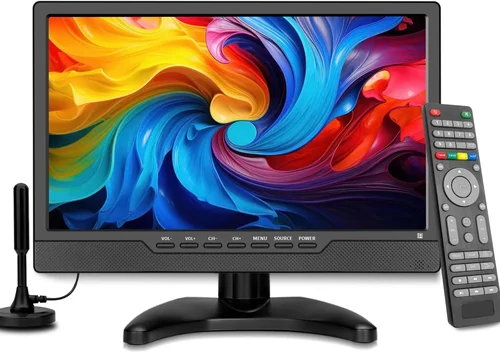
❌ Mistake: Buying an Indoor TV for Outdoor Use
Why it’s bad: Indoor TVs aren’t designed to handle moisture, temperature extremes, or UV exposure. Even if you cover them, condensation can build up inside the screen, leading to fogging, color distortion, or complete failure. Many indoor models also lack the brightness needed for daylight viewing.
What to do instead: Invest in a TV specifically rated for outdoor use. If budget is tight, consider a partial-shade model or use an indoor TV inside a certified outdoor enclosure—but never leave an indoor TV exposed.
❌ Mistake: Ignoring Sunlight Exposure
Why it’s bad: A TV that looks great in a dim showroom may be unreadable on a sunny patio. Low-brightness screens wash out in direct light, making it impossible to see details or colors.
What to do instead: Measure the brightness (in nits) and ensure it’s at least 700–1,000 nits for partial shade. For full sun, aim for 1,500+ nits. Also, position the TV to avoid glare from windows or reflective surfaces.
❌ Mistake: Overlooking Installation Requirements
Why it’s bad: Outdoor TVs often require specialized mounts, longer cables, and weatherproof conduits. DIY installations can lead to water leaks, electrical hazards, or structural damage.
What to do instead: Hire a professional installer or use a certified outdoor mounting kit. Ensure all connections are sealed and cables are routed through waterproof channels.
❌ Mistake: Skimping on Audio
Why it’s bad: Built-in TV speakers are usually weak and muffled outdoors. Wind, traffic, and distance can make dialogue inaudible.
What to do instead: Pair your TV with outdoor-rated speakers or a soundbar. Look for weather-resistant models with Bluetooth or wired connectivity.
❌ Mistake: Not Checking Return Policies
Why it’s bad: Outdoor TVs are expensive and difficult to return. If the unit arrives damaged or doesn’t perform as expected, a strict return policy could leave you stuck.
What to do instead: Buy from retailers with generous return windows (30 days or more) and clear damage coverage. Test the TV immediately upon delivery.
❌ Mistake: Forgetting About Power and Connectivity
Why it’s bad: Running power and HDMI cables outdoors requires planning. Improper wiring can cause signal loss, electrical issues, or tripping hazards.
What to do instead: Use in-wall rated cables and consult an electrician if needed. Consider wireless HDMI transmitters for cleaner setups.
❌ Mistake: Choosing Based on Price Alone
Why it’s bad: The cheapest option often lacks essential features like weather sealing, brightness, or smart functionality. You may end up replacing it within a year.
What to do instead: Prioritize value over price. Look for models that balance cost with durability, performance, and features that match your needs.
Budget Guidelines: How Much Should You Spend?
- Entry-Level ($400–$700): These are typically partial-shade models or indoor TVs in outdoor enclosures. Expect decent brightness (500–800 nits), basic smart features, and limited weather resistance. Best for covered patios with minimal sun exposure. Brands like TCL and Hisense offer budget-friendly options in this range.
- Mid-Range ($700–$1,200): This is the sweet spot for most buyers. You’ll find fully weatherized TVs with 1,000+ nits brightness, 4K resolution, and robust smart platforms. Models from SunBriteTV’s Veranda series or LG’s outdoor lineup fall here. Ideal for small patios with partial to full shade.
- Premium ($1,200–$2,000): These TVs offer top-tier brightness (1,500+ nits), advanced thermal management, and premium build quality. Great for decks with direct sun or coastal environments. Expect longer warranties and better customer support.
- Luxury ($2,000+): Reserved for enthusiasts or commercial use. These include ultra-bright displays, anti-glare coatings, and custom installation services. Overkill for most homeowners but worth considering for large or high-exposure areas.
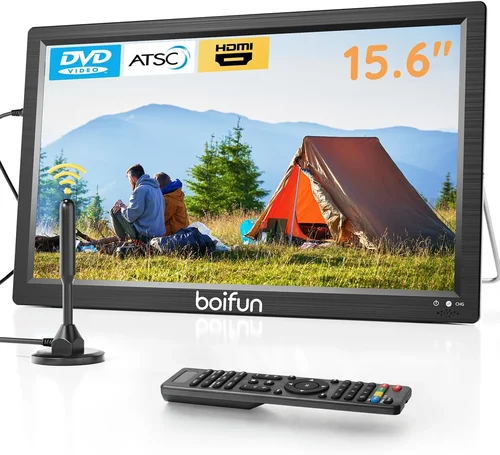
Expert Tips for Getting the Best Deal
- Buy during off-seasons: Prices drop significantly in late fall and winter when demand for outdoor electronics is low. Look for Black Friday, Cyber Monday, or end-of-year sales.
- Shop at specialty retailers: Stores like Sylvane, Abt, or Crutchfield often have exclusive deals on outdoor TVs and better customer service than big-box stores.
- Consider refurbished models: Certified refurbished units from manufacturers like Samsung or LG can save you 20–30% and come with full warranties.
- Bundle with accessories: Some retailers offer discounts when you buy a TV with a mount, soundbar, or surge protector.
- Check for rebates: Utility companies or local governments sometimes offer rebates for energy-efficient outdoor electronics.
- Read the fine print on warranties: Ensure coverage includes outdoor use and doesn’t require professional installation to be valid.
- Test before finalizing: If buying in-store, ask to see the TV in a bright environment. Check for color accuracy, brightness, and remote responsiveness.
- Use price tracking tools: Set alerts on Amazon, Google Shopping, or CamelCamelCamel to catch price drops.

Frequently Asked Questions
Q: Can I use a regular TV on my patio if I cover it?
A: Technically yes, but it’s not recommended. Even with a cover, moisture can seep in, and indoor TVs lack the brightness and thermal regulation needed for outdoor use. A better option is an indoor TV inside a certified outdoor enclosure, but a dedicated outdoor model is always safer and more reliable.
Q: Do outdoor TVs need special mounting hardware?
A: Yes. Standard wall mounts aren’t designed for outdoor conditions. Use mounts rated for outdoor use, preferably with corrosion-resistant coatings and tilt/swivel features for optimal viewing angles.
Q: How do I protect my outdoor TV from theft?
A: Use a lockable mount, install the TV in a visible area, and consider a security camera. Some models come with built-in anti-theft features or can be registered with tracking services.
Q: Can I leave my outdoor TV on all the time?
A: Most outdoor TVs are designed for continuous use, but it’s best to turn them off when not in use to extend lifespan and save energy. Use a smart plug with a timer for convenience.
Q: What’s the difference between IP55 and IP66?
A: IP55 protects against dust and low-pressure water jets, while IP66 offers protection against powerful water jets and more dust. For most patios, IP55 is sufficient unless you’re in a rainy or coastal area.
Q: Do outdoor TVs consume more power?
A: Not necessarily. Many modern outdoor models are energy-efficient, especially LED-backlit ones. Check the Energy Star rating to compare consumption.
Q: Can I connect a gaming console to an outdoor TV?
A: Absolutely. Just ensure the TV has low input lag and supports HDMI 2.0 or higher for 4K gaming. Some outdoor models are optimized for gaming with fast response times.
Q: How long do outdoor TVs typically last?
A: With proper care, a quality outdoor TV can last 7–10 years. Cheaper models may fail in 3–5 years, especially in harsh climates.
Q: Are there solar-powered outdoor TV options?
A: Yes, though they’re rare and usually portable. Solar setups require large panels and batteries, making them impractical for permanent installations but great for off-grid use.
Q: Can I use voice assistants with an outdoor TV?
A: Yes, if the TV supports Alexa, Google Assistant, or Siri. Just ensure the microphone isn’t blocked by weatherproofing and that voice commands work at a distance.
Our Final Recommendations
- Best for Budget-Conscious Buyers: TCL 55S555 55″ 4K QLED Outdoor TV – Offers 1,000 nits brightness, Roku TV, and IP55 rating for under $900. Great value for covered patios.
- Best Overall Value: SunBriteTV Veranda Series 50″ 4K UHD – Fully weatherized, 1,000+ nits, and excellent color accuracy. Priced around $1,100, it’s a reliable mid-range champion.
- Best Premium Option: LG 55″ Outdoor 4K UHD Smart TV (Model 55UT7700) – Bright, sleek, and packed with webOS smart features. Ideal for sunny decks and tech lovers.
- Best for Beginners: Sylvane Outdoor TV Bundle (43″ + Mount + Soundbar) – Everything you need in one package, with clear setup instructions and customer support.
- Best for Advanced Users: Seura 55″ Shadow Series – Ultra-bright (1,500 nits), anti-reflective coating, and customizable bezels. Perfect for full-sun environments and custom installations.
Conclusion: Making the Right Choice
Choosing the right deck TV for your small patio doesn’t have to be overwhelming—or expensive. By focusing on key factors like brightness, weather resistance, and smart features, you can find a model that delivers great performance without breaking the bank. Remember, the cheapest option isn’t always the best long-term investment. Prioritize durability, visibility, and ease of use, and don’t hesitate to spend a little more for peace of mind.
Take your time, read reviews, compare specs, and consider your specific environment. Whether you’re watching the sunset with a movie or catching the big game with friends, the right outdoor TV will transform your patio into a true extension of your living space. With the insights from this guide, you’re now equipped to make a confident, informed decision. Happy viewing!

