
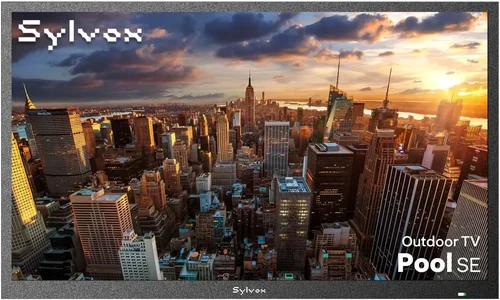
Outdoor sports viewing has evolved dramatically over the past decade. What once meant huddling around a small, weather-beaten portable TV or relying on a smartphone screen has transformed into a full-fledged backyard entertainment experience. Whether you’re hosting a game-day party for the Super Bowl, catching the World Cup final with friends, or simply enjoying a quiet evening watching your favorite team under the stars, having a reliable TV on your deck can elevate the entire experience. But here’s the catch: you don’t need to spend thousands to get a great outdoor viewing setup. In fact, with the right knowledge, you can find a high-performing, durable, and feature-rich deck TV without breaking the bank.
This guide is designed for anyone looking to upgrade their outdoor entertainment space without overspending. Whether you’re a casual fan who watches a few games a year or a die-hard sports enthusiast who treats every match like a major event, we’ll help you navigate the crowded market of budget-friendly outdoor TVs. You’ll learn how to balance cost with performance, durability, and usability—so you can enjoy crystal-clear action under the sun or stars, rain or shine. We’ll break down the essential features, compare different types of outdoor TVs, highlight common pitfalls, and offer expert-backed recommendations to ensure you make a smart, informed purchase.
The market for outdoor TVs has expanded significantly, with more manufacturers entering the space and traditional indoor TV brands now offering weather-resistant models. However, not all “outdoor” TVs are created equal—and many budget options cut corners in ways that could leave you frustrated. From poor brightness in daylight to flimsy mounting systems, the wrong choice can turn your dream deck setup into a costly mistake. That’s why this guide focuses specifically on cheap deck TVs that still deliver solid performance. We’re not talking about the ultra-premium $5,000+ weatherproof models—instead, we’re spotlighting affordable options under $800 that offer the best value for outdoor sports viewing. By the end, you’ll know exactly what to look for, what to avoid, and how to get the most bang for your buck.

What to Look for When Buying Buying Guide
1. Brightness and Display Quality
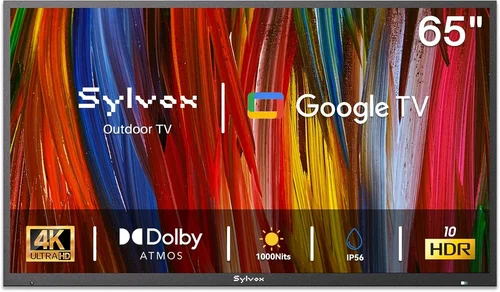
When it comes to outdoor TVs, brightness isn’t just a nice-to-have—it’s essential. Unlike indoor viewing, where ambient light is controlled, your deck is exposed to direct sunlight, glare, and changing weather conditions. A TV with low brightness will look washed out or nearly invisible during daytime games. Look for a model with at least 700 nits of brightness, though 1,000 nits or more is ideal for sunny decks. This ensures that colors remain vibrant and details stay sharp, even when the sun is high.
Beyond brightness, consider the display technology. LED-LCD panels are the most common in budget outdoor TVs and offer good color accuracy and energy efficiency. Some models feature anti-glare or matte finishes that reduce reflections—critical if your deck faces south or west. Avoid glossy screens unless you plan to use the TV only at night. Also, check the resolution: while 1080p (Full HD) is acceptable for smaller screens (under 43 inches), we recommend 4K UHD for anything larger, especially if you’re sitting within 8–10 feet. The higher pixel density makes a noticeable difference during fast-paced sports like football or soccer.
Refresh rate is another key factor. A 60Hz panel is standard, but if you’re watching high-action sports, look for 120Hz or models with motion interpolation (often marketed as “Motion Rate” or “Clear Motion”). These features reduce motion blur during quick cuts and player movements, keeping the action smooth and easy to follow.
2. Weather Resistance and Durability
Not all TVs labeled “outdoor” are built to withstand the elements. True outdoor TVs are engineered with sealed components, rust-resistant materials, and protective coatings to guard against rain, humidity, dust, and temperature extremes. However, many budget models are simply indoor TVs marketed for outdoor use—don’t fall for this trap. Check the IP (Ingress Protection) rating: IP55 or higher means the TV is protected against dust and water jets, making it suitable for most deck environments. IP65 offers even better protection, ideal for areas with heavy rain or snow.
Also consider the operating temperature range. A good outdoor TV should function reliably between -22°F and 122°F (-30°C to 50°C). Cheaper models may shut down in extreme heat or cold, leaving you without coverage during a crucial playoff game. Look for reinforced casings, sealed ports, and ventilation systems that prevent overheating without allowing moisture in. Some brands use passive cooling (no fans), which reduces noise and maintenance—ideal for quiet backyard settings.
Durability extends beyond weatherproofing. Check the build quality of the stand and mounting hardware. A flimsy stand can tip over in windy conditions, while poor-quality VESA mounts may not support the TV securely. If you’re mounting on a railing or post, ensure the TV is compatible with standard outdoor mounting kits.
3. Size and Viewing Distance
Choosing the right screen size is crucial for both visibility and budget. A TV that’s too small will strain your eyes, especially from a distance, while one that’s too large may overwhelm your deck space and exceed your price range. As a general rule, multiply your viewing distance (in inches) by 0.84 to get the ideal screen size in inches. For example, if you’ll be sitting 10 feet (120 inches) away, aim for a 100-inch screen—but that’s likely beyond budget. Instead, consider a 55- to 65-inch TV, which offers a great balance of size and affordability for most decks.
For smaller decks or intimate gatherings, a 43-inch model may suffice, especially if viewers are within 6–8 feet. However, avoid going below 40 inches unless space is extremely limited. Larger screens enhance immersion, making you feel like you’re at the stadium. Also, consider the TV’s aspect ratio and bezel size. Slim bezels maximize screen real estate and look more modern, while thick bezels can make a 50-inch TV feel smaller.
Portability matters too. If you plan to move the TV between the deck and indoor spaces, look for lightweight models with built-in handles or easy-to-detach stands. Some outdoor TVs are designed to be wall-mounted permanently, which saves space but reduces flexibility.
4. Connectivity and Smart Features
Modern outdoor TVs should offer a range of connectivity options to support your streaming devices, gaming consoles, and audio systems. Look for at least three HDMI ports—preferably HDMI 2.0 or higher for 4K content. USB ports are useful for playing media files or powering streaming sticks like Roku or Amazon Fire TV. Ethernet and Wi-Fi are essential for stable streaming, especially if your deck is far from your router. A built-in smart platform (like Roku TV, Android TV, or webOS) eliminates the need for external devices, simplifying setup and reducing cable clutter.
Audio is often overlooked but important. Most budget outdoor TVs have weak built-in speakers that struggle outdoors due to open space and ambient noise. If audio quality matters, look for models with Dolby Audio, DTS support, or optical audio output to connect to external speakers or a soundbar. Some TVs even support Bluetooth for wireless audio streaming.
Remote control functionality is another consideration. Standard IR remotes require line-of-sight, which can be problematic on a deck with obstacles. RF or Bluetooth remotes offer better range and reliability. Also, check if the TV supports voice control via Alexa or Google Assistant—convenient when your hands are full with snacks and drinks.
5. Power Consumption and Energy Efficiency
Outdoor TVs often run for hours during games, barbecues, or movie nights, so energy efficiency can impact your electricity bill over time. Look for models with ENERGY STAR certification, which indicates lower power consumption without sacrificing performance. LED-backlit TVs are generally more efficient than older LCD or plasma models. Also, check the TV’s power rating in watts—lower is better for long-term savings.
Some budget outdoor TVs include power-saving features like automatic brightness adjustment (based on ambient light) or sleep timers. These can extend the TV’s lifespan and reduce energy use when not actively watching. If you plan to leave the TV on for background viewing, these features are worth prioritizing.
Consider the power source. Most outdoor TVs plug into standard 120V outlets, but ensure your deck has a GFCI (Ground Fault Circuit Interrupter) outlet for safety. If not, hire an electrician to install one—never use extension cords as a permanent solution.
6. Brand Reputation and Reliability
Not all budget TV brands are equal. While you can find great deals from lesser-known manufacturers, sticking with reputable brands increases your chances of getting a reliable, well-supported product. Brands like Samsung, LG, TCL, and Hisense have strong track records in both indoor and outdoor TV markets. They offer better quality control, more consistent performance, and stronger customer support.
Research customer reviews on trusted platforms like Amazon, Best Buy, or Consumer Reports. Pay attention to recurring complaints—such as poor brightness, short lifespan, or unresponsive remotes—as these can signal deeper issues. Also, check if the brand offers firmware updates, which can improve performance and add features over time.
Avoid no-name brands that offer suspiciously low prices. These often use inferior components, lack proper weather sealing, or have no warranty support. A slightly higher upfront cost from a known brand can save you money and frustration in the long run.
7. Warranty and Customer Support
A solid warranty is a sign of a manufacturer’s confidence in their product. For outdoor TVs, look for at least a 1-year limited warranty, though 2–3 years is preferable. Some brands offer extended warranties for outdoor use, which cover damage from weather exposure—this is a major plus. Read the fine print: many warranties void coverage if the TV is used in direct sunlight or extreme temperatures, so ensure your usage aligns with the terms.
Customer support matters too. If something goes wrong, you want a responsive team that can help with troubleshooting, repairs, or replacements. Check if the brand offers phone, email, or live chat support, and read user experiences with their service. Brands with local service centers or partnerships with repair shops make it easier to get help quickly.
Return policies are equally important. Ideally, you should have at least 30 days to return the TV if it doesn’t meet your expectations. Some retailers offer extended return windows during holiday sales, which can be useful if you’re buying ahead of the season.
8. User Reviews and Real-World Performance
Specs on a spec sheet don’t always reflect real-world performance. User reviews provide invaluable insights into how a TV performs under actual outdoor conditions. Look for reviews from people who use the TV on decks, patios, or pool areas—these will highlight issues like glare, overheating, or connectivity problems that lab tests might miss.
Pay attention to long-term reviews (6 months or more), as they reveal durability and reliability over time. A TV that works great out of the box may fail after a few months of sun exposure. Also, check video reviews on YouTube, where you can see the screen in daylight and hear the audio quality.
Use aggregate review scores wisely. A 4.5-star average with thousands of reviews is more trustworthy than a 5-star rating from just a handful of users. Be wary of fake reviews—look for detailed, balanced feedback that mentions both pros and cons.
Different Types of Buying Guide

Common Buying Mistakes to Avoid
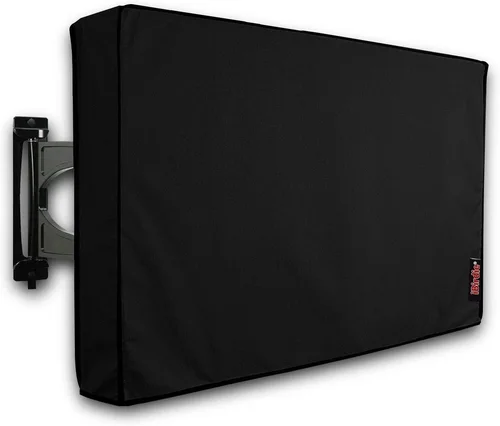
❌ Mistake: Buying an Indoor TV for Outdoor Use
Why it’s bad: Indoor TVs aren’t designed to handle moisture, temperature swings, or UV exposure. Using one outside can lead to overheating, screen damage, or electrical hazards. Even if it works initially, the lifespan will be drastically reduced.
What to do instead: Only purchase TVs specifically rated for outdoor use. Look for IP ratings, weatherproof casings, and manufacturer disclaimers that confirm outdoor suitability.
❌ Mistake: Ignoring Brightness Requirements
Why it’s bad: A dim TV will be unusable during daytime games. You’ll strain your eyes trying to see the action, and the experience will be frustrating.
What to do instead: Prioritize brightness—aim for at least 700 nits, ideally 1,000+. Check reviews for real-world brightness performance, not just manufacturer claims.
❌ Mistake: Overlooking Mounting and Installation
Why it’s bad: A poorly mounted TV can fall, get damaged, or become a safety hazard. DIY mounting without proper hardware can void warranties.
What to do instead: Use a certified outdoor mounting kit and consider professional installation. Ensure the mount is rated for your TV’s weight and size.
❌ Mistake: Skimping on Audio
Why it’s bad: Built-in speakers on budget TVs are often weak and muffled outdoors. You’ll miss commentary, crowd noise, and key audio cues.
What to do instead: Invest in a weather-resistant soundbar or outdoor speakers. Look for TVs with optical or Bluetooth audio output for easy connectivity.
❌ Mistake: Not Checking Return Policies
Why it’s bad: If the TV doesn’t perform as expected, you could be stuck with a costly disappointment.
What to do instead: Buy from retailers with generous return windows (30+ days). Test the TV thoroughly during this period.
❌ Mistake: Falling for “Too Good to Be True” Deals
Why it’s bad: Extremely low prices often indicate counterfeit products, refurbished units sold as new, or models with hidden defects.
What to do instead: Stick to reputable retailers and brands. Compare prices across multiple sites to spot outliers.
❌ Mistake: Neglecting Power and Safety
Why it’s bad: Using improper outlets or extension cords can cause electrical fires or shocks, especially in wet conditions.
What to do instead: Ensure your deck has a GFCI outlet installed by a licensed electrician. Avoid daisy-chaining power strips.
Budget Guidelines: How Much Should You Spend?
- Entry-Level ($150–$300): These are basic models, often portable or designed for covered areas. Expect lower brightness (400–600 nits), limited smart features, and minimal weather resistance. Best for occasional use or small spaces.
- Mid-Range ($300–$600): The sweet spot for most buyers. You’ll find 43- to 55-inch TVs with 700+ nits brightness, basic smart platforms, and decent weatherproofing. Ideal for regular sports viewing on a covered or shaded deck.
- Premium ($600–$800): For enthusiasts who want reliability and performance. These models offer 1,000+ nits, 4K resolution, advanced smart features, and robust build quality. Suitable for full sun exposure and year-round use.
- Luxury ($800+): While this guide focuses on budget options, luxury outdoor TVs offer top-tier brightness (2,000+ nits), full IP65+ ratings, and premium materials. Best for large decks, commercial use, or extreme climates.
Expert Tips for Getting the Best Deal
- Buy During Off-Season: Prices drop significantly in late winter and early spring (February–April), when demand for outdoor TVs is lowest. You can save 20–30% compared to summer or holiday sales.
- Shop Refurbished or Open-Box: Certified refurbished models from brands like Samsung or LG offer near-new performance at a discount. Open-box deals at Best Buy or Costco can also yield big savings.
- Use Price Tracking Tools: Apps like Honey, CamelCamelCamel, or Keepa alert you when prices drop on Amazon or other retailers.
- Check Retailer Promotions: Look for bundle deals (e.g., TV + mount + soundbar) or financing options with no interest.
- Read the Fine Print on Warranties: Some brands offer free extended warranties during promotions—don’t miss these.
- Test Before Finalizing: If buying in-store, ask to see the TV powered on in bright light. Check for dead pixels, color accuracy, and remote responsiveness.
- Consider Local Pickup: Avoid shipping fees and damage risks by picking up large TVs locally when possible.
- Join Loyalty Programs: Retailers like Costco, Sam’s Club, or Best Buy offer member-exclusive discounts and return policies.

Frequently Asked Questions
Q: Can I use a regular indoor TV on my deck if it’s under a roof?
A: Technically yes, but it’s not recommended. Even under cover, indoor TVs aren’t built to handle humidity, temperature changes, or dust. Over time, this can cause internal damage. For long-term use, invest in an outdoor-rated model.
Q: Do outdoor TVs need special installation?
A: Not necessarily, but proper mounting is crucial. Use a weatherproof outdoor mount and ensure all cables are sealed and protected. For permanent installations, consult a professional.
Q: How do I protect my outdoor TV from theft?
A: Use a locking mount, install motion-sensor lights, and consider a security camera. Some mounts include built-in locks or tamper-resistant screws.
Q: Can I leave my outdoor TV on all the time?
A: Most outdoor TVs are designed for continuous use, but it’s best to turn them off when not in use to extend lifespan and save energy. Use a timer or smart plug for automation.
Q: What’s the difference between IP55 and IP65?
A: IP55 protects against dust and low-pressure water jets. IP65 offers the same dust protection but can handle more intense water exposure, making it better for rainy climates.
Q: Do outdoor TVs come with built-in heaters or coolers?
A: Some premium models do, but most budget TVs rely on passive cooling and operate within a safe temperature range. Avoid using them in extreme conditions outside the specified range.
Q: Can I stream Netflix or YouTube on a budget outdoor TV?
A: Yes, if it has a smart platform like Roku or Android TV. Just ensure strong Wi-Fi coverage on your deck—consider a Wi-Fi extender if needed.
Q: How long do outdoor TVs typically last?
A: With proper care, 5–7 years is typical. Cheaper models may last 3–4 years, while premium units can exceed 10 years.
Q: Are outdoor TVs energy efficient?
A: Most modern LED outdoor TVs are energy efficient, especially those with ENERGY STAR ratings. Look for models with auto-brightness and sleep modes.
Q: Can I use a projector instead of a TV?
A: Projectors can work, but they require a dark environment and a screen. For daytime sports, a bright outdoor TV is usually a better choice.
Our Final Recommendations
- Best for Budget-Conscious Buyers: TCL 43S5400 43-inch Outdoor Roku TV – At under $400, it offers 700 nits brightness, Roku smart platform, and solid weather resistance. Great for covered decks.
- Best Overall Value: Hisense 50A7G 50-inch 4K Outdoor TV – Priced around $550, it delivers 1,000 nits, Dolby Vision, and excellent color accuracy. A top pick for sunny decks.
- Best Premium Option: Samsung The Terrace 55-inch Partial Sun Outdoor TV – At $799, it’s at the top of our budget range but offers 2,000 nits brightness, full smart features, and IP55 rating. Ideal for serious sports fans.
- Best for Beginners: LG 43UR7300 43-inch Outdoor-Ready TV – Simple setup, reliable performance, and strong customer support. Perfect for first-time outdoor TV buyers.
- Best for Advanced Users: Sony X85K 55-inch Outdoor-Compatible TV – While not fully outdoor-rated, its high brightness and superior processing make it a great choice for covered, tech-heavy setups.
Conclusion: Making the Right Choice
Choosing the right cheap deck TV for outdoor sports watching doesn’t have to be overwhelming. By focusing on key factors like brightness, weather resistance, size, and smart features, you can find a model that delivers excellent performance without overspending. Avoid common pitfalls like buying indoor TVs or ignoring audio quality, and always prioritize safety and durability. Remember, the best TV is the one that fits your space, budget, and viewing habits.
Take the time to compare models, read real user reviews, and consider your long-term needs. Whether you’re watching the big game with friends or enjoying a solo match under the stars, a well-chosen outdoor TV can transform your deck into the ultimate sports viewing destination. Use this guide as your roadmap, and you’ll be ready to make a confident, informed purchase that brings years of enjoyment. Now go enjoy the game—your perfect outdoor setup is just a decision away.

