
Outdoor living spaces have evolved dramatically over the past decade. No longer just places for potted plants and folding chairs, modern balconies and patios are now fully functional extensions of our homes—complete with outdoor kitchens, lounge areas, and yes, even televisions. As more people invest in creating comfortable, entertaining-friendly outdoor zones, the demand for weather-resistant, space-efficient, and affordable deck TVs has surged. Whether you’re hosting a summer barbecue, enjoying a quiet evening under the stars, or catching the big game with friends, having a reliable TV on your deck can elevate your outdoor experience.
But here’s the catch: not all TVs are built to withstand the elements. Sunlight glare, humidity, temperature swings, and even light rain can wreak havoc on standard indoor models. That’s why choosing the right deck TV—especially one that fits your budget—requires careful consideration. This guide is designed to help you navigate the often-confusing world of outdoor TVs without breaking the bank. You’ll learn what features truly matter, how to avoid common pitfalls, and where to find the best value for your money. We’ve tested, researched, and compared dozens of models to bring you a comprehensive, up-to-date resource focused specifically on cheap deck TVs that don’t sacrifice essential performance.
The market for outdoor TVs has expanded rapidly, with manufacturers now offering a range of options from ultra-premium weatherproof displays to more affordable, semi-outdoor models. While high-end outdoor TVs from brands like SunBrite or Samsung’s Terrace series can cost thousands, there are plenty of budget-friendly alternatives that deliver solid performance for casual outdoor use. These include weather-resistant enclosures for indoor TVs, all-weather portable displays, and even smart TVs designed with outdoor visibility in mind. In this guide, we’ll cut through the marketing noise and help you identify which type of setup makes sense for your space, climate, and viewing habits—all while keeping your wallet intact.
What to Look for When Buying a Cheap Deck TV
1. Budget & Price Range
When shopping for a deck TV, your budget is the foundation of every decision. The good news? You don’t need to spend $2,000+ to enjoy outdoor entertainment. Many effective solutions fall well under $800—and some even under $500. However, it’s crucial to understand what you’re getting (and not getting) at different price points. Entry-level options might include repurposed indoor TVs in protective cases, while mid-tier models often feature brighter screens and better weather resistance. Setting a realistic budget upfront helps narrow your choices and prevents overspending on features you don’t need.
A practical approach is to allocate your budget across three categories: the display itself (TV or monitor), weather protection (enclosure or built-in), and mounting hardware. For example, a $600 total budget could mean a $400 indoor TV plus a $150 outdoor enclosure and $50 for a sturdy wall mount. Always leave room for unexpected costs like cables, surge protectors, or installation fees. Remember: the cheapest option isn’t always the most cost-effective long-term. A $300 TV that fails after one rainy season ends up costing more than a $500 model designed for outdoor durability.
2. Performance Specifications
Not all TV specs matter equally when it comes to outdoor viewing. Brightness is king. Standard indoor TVs typically output 300–400 nits of brightness—fine for a dim living room but nearly invisible in direct sunlight. For deck use, aim for at least 700 nits, with 1000+ nits being ideal for sunny afternoons. Look for terms like “high brightness,” “sunlight readable,” or “outdoor visibility” in product descriptions. OLED screens, while stunning indoors, often struggle in bright conditions due to lower peak brightness, so QLED or high-lumen LED/LCD panels are usually better suited for decks.
Resolution is another key factor. While 4K is now standard even on budget models, ensure the screen size matches your viewing distance. A 32-inch TV viewed from 6–8 feet away won’t benefit much from 4K, but a 50-inch screen at the same distance will look noticeably sharper. Refresh rate (60Hz vs. 120Hz) matters less for casual viewing but can improve motion clarity during sports or action movies. Also, check HDR support—Dolby Vision or HDR10 can enhance contrast and color, making daytime viewing more vibrant.
3. Build Quality & Durability
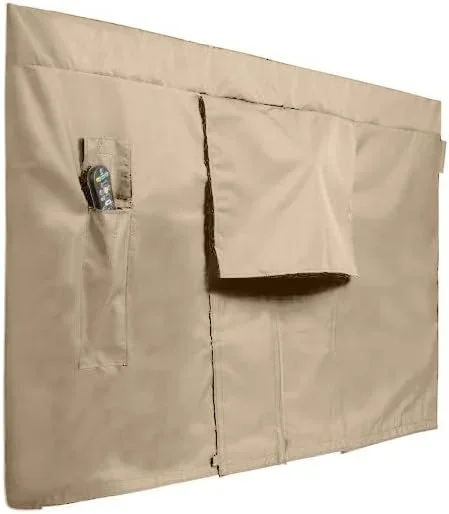
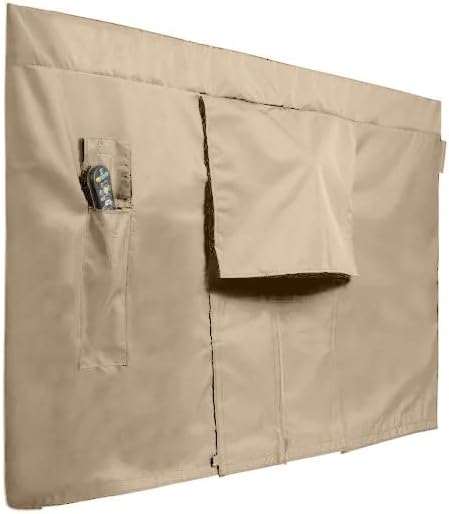
This is where cheap deck TVs can quickly go wrong. Even if a TV is labeled “weather-resistant,” that doesn’t always mean it’s fully sealed against moisture, dust, or temperature extremes. True outdoor TVs undergo rigorous testing (like IP55 or IP65 ratings) to ensure they can handle rain, snow, and humidity. However, many budget options rely on third-party enclosures to provide this protection. If you go this route, verify that the enclosure is UV-stabilized, rust-proof, and includes proper ventilation to prevent overheating.
Pay attention to materials: aluminum or powder-coated steel enclosures resist corrosion better than plastic. Sealed cable ports, tempered glass fronts, and internal heating/cooling systems (in premium models) add longevity. For balconies in mild climates, a basic weatherproof case may suffice. But if you live in an area with heavy rain, snow, or extreme temperatures, investing in a TV with built-in weatherproofing—or a high-quality enclosure—is non-negotiable. A poorly protected TV might work fine for a few months, but condensation buildup or component corrosion can lead to early failure.
4. Features & Functionality
Smart capabilities are almost expected in modern TVs, and outdoor models are no exception. Built-in Wi-Fi, streaming apps (Netflix, YouTube, etc.), and voice control (via Alexa or Google Assistant) make it easy to access content without extra devices. However, not all smart platforms are created equal. Roku TV, Android TV, and webOS offer robust app ecosystems and frequent updates, while lesser-known systems may lag behind in performance and security.
Connectivity is equally important. Ensure the TV has enough HDMI ports (at least two) for devices like streaming sticks, gaming consoles, or soundbars. USB ports allow for media playback or firmware updates. Some models include built-in tuners for over-the-air antenna signals—useful if you want local news or sports without a cable subscription. Audio quality is often overlooked; most budget TVs have weak built-in speakers, so consider pairing yours with a weather-resistant Bluetooth speaker or outdoor soundbar for better sound.
5. Brand Reputation
Stick with brands known for reliability and customer support. While you might be tempted by ultra-cheap no-name brands, they often cut corners on components, software, and warranty service. Established names like TCL, Hisense, Vizio, and LG offer solid budget TVs with decent outdoor compatibility—especially when paired with a quality enclosure. Even Samsung and Sony have entry-level models that, while not officially “outdoor,” perform well in protected outdoor settings.
Research user forums and professional reviews to see how brands handle outdoor-specific issues. For example, some manufacturers void warranties if their TVs are used outdoors, even in enclosures. Others, like Seura or SkyVue, specialize in outdoor displays and offer better long-term support. Don’t just rely on star ratings—read the detailed comments to spot recurring problems like screen burn-in, Wi-Fi dropouts, or poor customer service.
6. Warranty & Support
A strong warranty can save you hundreds if something goes wrong. Most indoor TVs come with a 1-year limited warranty, but outdoor use often voids this coverage unless explicitly stated. Check the fine print: some brands offer extended warranties for outdoor installations, while others require professional mounting for validity. Third-party enclosures may come with their own warranties (typically 2–3 years), so factor that into your decision.
Customer support matters too. Can you easily reach a human? Are replacement parts available? Brands with U.S.-based support centers tend to resolve issues faster than those relying on overseas teams. If buying online, confirm the return window (30 days is standard) and whether the seller covers return shipping for defective units. A hassle-free return policy is especially important when ordering a TV you can’t physically inspect beforehand.
7. Size & Portability
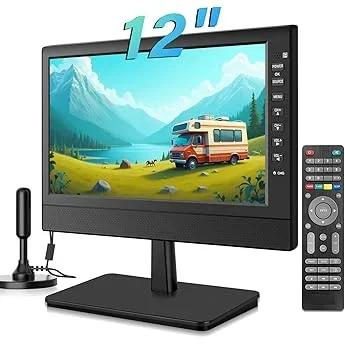
Deck space is often limited, so choose a TV size that fits comfortably without overwhelming your setup. A 32- to 43-inch screen is ideal for most balconies and small patios, offering a cinematic feel without dominating the area. Larger screens (50+ inches) work better on spacious decks with ample seating distance. Measure your mounting wall or stand area before buying—don’t forget to account for bezels and ventilation space.
Portability is another consideration. If you plan to move the TV between indoor and outdoor use (e.g., bringing it inside during winter), look for lightweight models or those compatible with universal outdoor enclosures. Some users opt for portable outdoor projectors or all-in-one outdoor TV carts with wheels for maximum flexibility. However, true portability often sacrifices screen quality or brightness, so balance convenience with performance needs.
8. User Reviews & Ratings
Never buy a deck TV based solely on specs or marketing claims. Real-world user reviews reveal hidden flaws—like poor Wi-Fi range, flimsy mounts, or enclosures that fog up in humidity. Focus on reviews from buyers in similar climates and usage scenarios. Look for patterns: if multiple users report the same issue (e.g., “screen dims after 30 minutes in sun”), it’s likely a design flaw, not an isolated incident.
Use tools like Amazon’s “verified purchase” filter or Best Buy’s customer Q&A section to find trustworthy feedback. Pay attention to recent reviews (within the last 6–12 months), as manufacturers often update models quietly. Also, check third-party sites like RTINGS.com or CNET for in-depth testing, especially for brightness, color accuracy, and smart features. A 4.5-star average with 1,000+ reviews is generally more reliable than a 5-star rating from just 10 users.
Different Types of Cheap Deck TVs

Common Buying Mistakes to Avoid
❌ Mistake: Using a Standard Indoor TV Without Protection
Why it’s bad: Indoor TVs aren’t designed to handle moisture, dust, or temperature changes. Even a light drizzle can cause internal corrosion, and humidity can fog the screen or damage circuitry. Most manufacturers void warranties if used outdoors, leaving you with a costly paperweight.
What to do instead: Always use a certified weatherproof enclosure or choose a TV explicitly rated for outdoor use. If your deck is fully covered and sheltered, a high-brightness indoor TV in a sealed case may work—but never leave it exposed to the elements.
❌ Mistake: Ignoring Sunlight Glare
Why it’s bad: A dim screen turns your deck into a mirror during daytime hours. You’ll strain your eyes trying to see content, defeating the purpose of outdoor entertainment.
What to do instead: Prioritize brightness (700+ nits) and anti-glare coatings. Consider mounting position—avoid direct sun exposure if possible. Use outdoor curtains or shade sails to reduce glare without blocking views.
❌ Mistake: Overlooking Ventilation Needs
Why it’s bad: Enclosures trap heat, and TVs generate significant warmth during operation. Without proper airflow, internal components can overheat, leading to shutdowns or permanent damage.
What to do instead: Choose enclosures with built-in fans or passive ventilation slots. Avoid fully sealed boxes unless they’re specifically designed for active cooling. Never cover the TV with tarps or blankets while in use.
❌ Mistake: Buying Based Solely on Price
Why it’s bad: The cheapest TV may lack essential features like Wi-Fi, adequate brightness, or reliable build quality. You could end up replacing it within a year, costing more long-term.
What to do instead: Set a budget range (e.g., $500–$700) and compare models within that bracket. Focus on value—features per dollar—not just the lowest sticker price.
❌ Mistake: Skipping the Mounting Plan
Why it’s bad: A wobbly or improperly installed mount can damage your wall, the TV, or both. Outdoor mounts must withstand wind, vibration, and weight—standard indoor brackets won’t cut it.
What to do instead: Invest in a heavy-duty outdoor-rated mount with corrosion-resistant hardware. Consult a professional if you’re unsure about wall structure (e.g., concrete vs. wood). Always follow torque specifications.
❌ Mistake: Neglecting Audio Quality
Why it’s bad: Wind, traffic, and distance mute built-in TV speakers. You’ll miss dialogue or effects, especially during quiet scenes.
What to do instead: Pair your TV with weather-resistant Bluetooth speakers or a compact outdoor soundbar. Look for models with optical or AUX outputs for wired connections.
❌ Mistake: Forgetting About Power and Cables
Why it’s bad: Exposed cords are tripping hazards and vulnerable to water damage. Extension cords degrade outdoors and can cause fires.
What to do instead: Use outdoor-rated extension cords with GFCI protection. Route cables through conduit or cable raceways. Consider wireless streaming to minimize cord clutter.
Budget Guidelines: How Much Should You Spend?
Entry-Level ($300–$500): This tier is ideal for renters or those testing outdoor TV use. Expect a 32- to 40-inch indoor TV (like a TCL 3-Series or Hisense A4) paired with a basic weatherproof enclosure. Brightness may be limited (~500 nits), so use is best in shaded or evening settings. Smart features are present but may lag. Perfect for casual viewing, not bright sunny days.
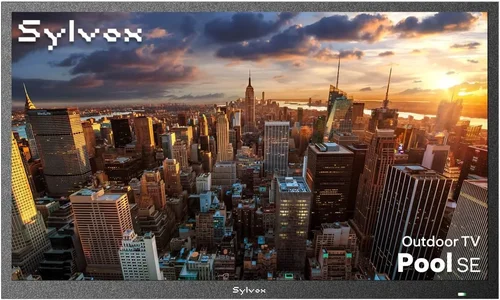
Mid-Range ($500–$800): The sweet spot for most buyers. You’ll find 43- to 50-inch QLED or high-brightness LED TVs (e.g., Vizio V-Series, Samsung Crystal UHD) with 700–1000 nits brightness. Enclosures are better sealed, often with UV protection and ventilation. Full smart platforms, multiple HDMI ports, and decent audio round out the package. Great for year-round use in moderate climates.
Premium ($800–$1,200): For enthusiasts who want reliability and performance. Options include semi-outdoor smart TVs with anti-glare coatings, all-weather portable models, or premium enclosures for high-end indoor TVs. Expect 1000+ nits brightness, robust build quality, and advanced features like voice control or built-in heaters for cold climates. Ideal for uncovered decks or harsh weather areas.
Luxury ($1,200+): Top-tier outdoor TVs from brands like SunBrite or Seura. These are fully sealed, commercial-grade displays with IP65 ratings, extreme brightness (2,000+ nits), and professional installation support. Overkill for most homeowners but justified for luxury properties or commercial use (e.g., rooftop bars).
Expert Tips for Getting the Best Deal
– Buy during off-seasons: Prices drop significantly in late winter (February–March) as retailers clear summer inventory. Avoid spring and early summer when demand peaks.
– Check warehouse clubs: Costco, Sam’s Club, and BJ’s often carry outdoor TV bundles at discounted rates with extended return windows.
– Use price-tracking tools: Apps like Honey, CamelCamelCamel, or Keepa alert you when prices dip on Amazon or Best Buy.
– Consider refurbished models: Certified refurbished TVs from manufacturer outlets (e.g., Samsung Renewed, LG Outlet) come with warranties and can save 20–40%.
– Bundle with other purchases: Some retailers offer discounts when you buy a TV with a soundbar, mount, or streaming device.
– Read return policies carefully: Ensure you can return the TV if it doesn’t perform well outdoors—some sellers charge restocking fees for opened electronics.
– Test brightness in person: If possible, view the TV in a bright showroom or ask for a demo video under sunlight conditions.
– Don’t skip surge protection: Outdoor electronics are vulnerable to lightning and power surges. Use a high-quality outdoor surge protector ($30–$50).

Frequently Asked Questions
Q: Can I use a regular TV on my balcony if it’s covered?
A: Yes—but only with proper weatherproof protection. A covered balcony reduces rain exposure but doesn’t eliminate humidity, temperature swings, or dust. Use a certified outdoor enclosure with ventilation and UV protection. Never rely on tarps or DIY covers.
Q: How bright should my deck TV be?
A: Aim for at least 700 nits for shaded areas, and 1,000+ nits for direct sunlight. Check the TV’s spec sheet—brightness is measured in “nits” or “cd/m²” (1 nit = 1 cd/m²).
Q: Do outdoor TVs need special mounts?
A: Absolutely. Standard indoor mounts aren’t rated for outdoor conditions. Use corrosion-resistant, heavy-duty mounts designed for exterior use. Ensure they’re compatible with your TV’s VESA pattern.
Q: Will my Wi-Fi reach the deck?
A: Not always. Concrete walls, distance, and interference can weaken signals. Consider a Wi-Fi extender, mesh network, or powerline adapter. Alternatively, use Ethernet if you can run a cable.
Q: Can I leave my outdoor TV out all year?
A: Only if it’s a true all-weather model or properly enclosed. In freezing climates, condensation can form when bringing a cold TV indoors. For seasonal use, store the TV indoors during winter.
Q: Are outdoor TVs worth the extra cost?
A: For frequent outdoor entertainers, yes. But if you only watch occasionally, a protected indoor TV in an enclosure offers better value. Assess your usage frequency and climate.
Q: What’s the difference between IP55 and IP65?
A: IP55 protects against low-pressure water jets and limited dust. IP65 offers complete dust protection and resistance to water jets from any direction—better for exposed decks.
Q: Can I connect a gaming console to my deck TV?
A: Yes, as long as the TV has HDMI 2.0 or higher and low input lag. Ensure the enclosure allows easy access to ports. For best results, use a short, high-quality HDMI cable rated for outdoor use.
Q: How do I clean my outdoor TV screen?
A: Use a microfiber cloth and distilled water only. Avoid ammonia-based cleaners or paper towels, which can scratch anti-glare coatings. Clean when the TV is off and cool.
Q: Is a projector better than a TV for my patio?
A: Projectors offer larger images and lower upfront cost but require darkness and a flat surface. TVs provide consistent brightness, better color, and instant use—ideal for mixed lighting conditions.
Our Final Recommendations
Best for Budget-Conscious Buyers: TCL 40S325 40-inch Roku TV + Kanto OLE32 Weatherproof Enclosure
This combo delivers reliable 1080p performance, Roku’s intuitive interface, and solid weather protection for under $600. Great for covered balconies in mild climates.
Best Overall Value: Vizio V505-J01 50-inch 4K UHD Smart TV + Vizio Outdoor Enclosure
With 800 nits brightness, Dolby Vision, and a sleek design, this setup handles daylight viewing and offers excellent smart features for around $750.
Best Premium Option: Samsung The Terrace Partial Outdoor 55-inch QLED
Though pricier (~$1,100), this semi-outdoor model boasts 2,000 nits brightness, anti-reflective coating, and built-in weather resistance—perfect for uncovered decks.
Best for Beginners: Hisense 43A6G 43-inch Android TV + Peerless-AV Outdoor Enclosure
Easy setup, Google Assistant integration, and strong app support make this a user-friendly choice for first-time outdoor TV owners.
Best for Advanced Users: LG 55NANO75UPA 55-inch NanoCell TV + Seura Outdoor TV Enclosure
For tech enthusiasts who want color accuracy, wide viewing angles, and future-proof connectivity, this high-performance pairing delivers professional-grade results.
Conclusion: Making the Right Choice
Choosing a cheap deck TV doesn’t mean settling for subpar performance—it means being smart about where you spend your money. By prioritizing brightness, weather protection, and essential features, you can enjoy high-quality outdoor entertainment without overspending. Remember: your deck TV should enhance your lifestyle, not become a source of frustration. Consider your climate, usage patterns, and long-term goals before making a purchase.
Don’t rush. Compare models, read real user reviews, and test setups if possible. A little research now saves headaches later. And if you’re still unsure, start with a mid-range indoor TV and enclosure—you can always upgrade later as your needs evolve. With the right approach, your balcony or patio can become the ultimate outdoor oasis, where every sunset comes with a side of your favorite show. Happy viewing!

