
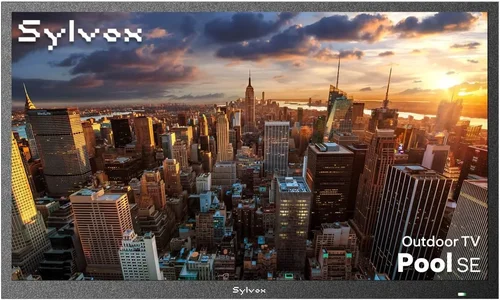
Backyard entertainment has evolved dramatically over the past decade. What once meant gathering around a portable radio or squinting at a smartphone screen under the sun has transformed into full-scale outdoor living experiences—complete with weather-resistant speakers, smart lighting, and yes, outdoor TVs. For homeowners with small patios, balconies, or compact yards, adding a television can elevate everything from weekend barbecues to movie nights under the stars. But here’s the catch: traditional indoor TVs aren’t built for the elements, and true outdoor-rated models often come with premium price tags that stretch far beyond what most budget-conscious buyers are willing—or need—to spend.
That’s where this guide comes in. Whether you’re looking to catch the big game while grilling, stream your favorite show during a summer evening, or simply enjoy background entertainment while relaxing outdoors, finding an affordable yet reliable backyard TV doesn’t have to be overwhelming. The market is flooded with options—from ruggedized outdoor displays to clever DIY setups using indoor TVs with protective enclosures. Our goal is to cut through the noise, help you understand exactly what matters (and what doesn’t), and guide you toward a smart purchase that fits both your space and your wallet. By the end of this guide, you’ll know how to balance cost, performance, durability, and usability so you can make a confident decision—no marketing fluff, no hidden gotchas.
We’ll walk you through the essential factors to consider when shopping for a cheap backyard TV, compare different types of solutions, highlight common pitfalls to avoid, and even share insider tips on scoring the best deals. Whether you’re working with $200 or $800, there’s a viable option out there—and we’re here to help you find it.

What to Look for When Buying Buying Guide
1. Budget & Price Range
Setting a realistic budget is the first and most critical step in your backyard TV journey. Unlike indoor TVs, which often prioritize cutting-edge features like 8K resolution or OLED panels, outdoor setups demand a different kind of value proposition: resilience over resolution, practicality over prestige. For small patios, you likely don’t need a massive 75-inch screen—most users find that 32 to 50 inches provides ample viewing distance without overwhelming the space.
Expect to spend between $200 and $600 for a functional, entry-level outdoor TV solution. True all-weather outdoor TVs from brands like SunBrite or Seura start around $1,500 and can exceed $4,000—far beyond the scope of “cheap.” However, you can achieve excellent results by pairing a standard indoor TV with a weatherproof enclosure or choosing a semi-outdoor model designed for covered areas. The key is defining what “cheap” means to you: Are you okay with a used or refurbished unit? Do you have a covered patio that shields the TV from direct rain and snow? Answering these questions will shape your price range and open up more viable options.
2. Performance Specifications
When evaluating performance specs for a backyard TV, focus on three core metrics: brightness, contrast, and viewing angle. Brightness is paramount—outdoor environments, even shaded ones, are significantly brighter than indoor rooms. A TV with less than 350 nits of brightness will appear washed out in daylight. Aim for at least 400 nits, but ideally 500–700 nits if your patio gets direct morning or afternoon sun. Some manufacturers list “outdoor luminance” separately; if available, prioritize that number.
Contrast ratio matters less outdoors than indoors because ambient light washes out deep blacks anyway. However, a TV with good local dimming or high dynamic range (HDR10 or Dolby Vision) can still deliver richer colors and better detail in mixed lighting. Viewing angle is another often-overlooked factor—especially on small patios where seating may be off-center. IPS panels offer wider viewing angles than VA panels, though they typically have lower contrast. If your seating is directly in front of the TV, a VA panel might suffice; for angled seating, go IPS.
Resolution-wise, 1080p (Full HD) is perfectly adequate for screens under 43 inches viewed from 6–8 feet away. While 4K offers sharper detail, the difference is negligible at typical outdoor viewing distances—and 4K TVs often cost more without providing meaningful outdoor benefits. Refresh rate (60Hz vs. 120Hz) is only important if you plan to watch fast-action sports or play video games outdoors, which is rare for most patio setups.
3. Build Quality & Durability
Even if your TV sits under a covered patio, it’s still exposed to humidity, temperature swings, dust, and occasional splashes—especially if you’re near a grill, pool, or garden hose. Standard indoor TVs aren’t sealed against moisture or designed to handle extreme temps (below 32°F or above 95°F). Over time, this can lead to fogging, component corrosion, or premature failure.
Look for TVs with metal chassis instead of plastic, as they dissipate heat better and resist warping. Check the IP (Ingress Protection) rating if available—though most consumer TVs don’t carry one. If you’re using an indoor TV outdoors, consider a weatherproof enclosure with an IP54 or higher rating. These enclosures protect against dust and water splashes while allowing ventilation to prevent overheating. Avoid fully sealed boxes unless they include active cooling, as trapped heat is a silent killer of electronics.
Also pay attention to port protection. HDMI and USB ports should be accessible but shielded. Some enclosures come with grommets or flaps to keep connectors dry. If you’re mounting the TV, ensure the VESA pattern matches your bracket and that the mounting hardware is stainless steel or powder-coated to resist rust.
4. Features & Functionality
Smart functionality is a game-changer for outdoor TVs. Built-in Wi-Fi, streaming apps (Netflix, YouTube, Disney+, etc.), and voice control eliminate the need for external devices like Roku sticks or Apple TV boxes—which add clutter, require extra power, and create more points of failure. Most modern budget TVs (TCL, Hisense, Vizio, Samsung) run Roku TV, Google TV, or Fire TV OS, all of which are user-friendly and regularly updated.
However, don’t get swayed by gimmicks. Features like ambient light sensors (which auto-adjust brightness) are useful outdoors, but motion smoothing or “gaming modes” are rarely needed on a patio. Audio is another consideration: most slim TVs have weak built-in speakers. If you’re not planning to connect external speakers or a soundbar, look for models with at least 10W of output or Dolby Audio support. Keep in mind that wind and ambient noise can drown out TV audio, so external audio is often worth the investment.
Connectivity matters too. Ensure the TV has enough HDMI ports for your needs—one for a streaming device (if not smart), one for a cable box, and maybe one for a gaming console. USB ports are handy for playing media files or powering accessories. Bluetooth support allows wireless headphones or speakers, which is great for late-night viewing without disturbing neighbors.
5. Brand Reputation
Not all budget TV brands are created equal. While you can find decent deals from lesser-known manufacturers, sticking with established names reduces risk and improves long-term satisfaction. TCL and Hisense dominate the affordable TV market with reliable performance, frequent software updates, and strong customer support. Vizio offers solid mid-range options with good picture quality, while Samsung and LG provide premium features even in their lower-tier models—though at a higher price point.
Avoid ultra-cheap, no-name brands sold exclusively through third-party Amazon sellers or discount warehouses. These often use outdated panels, lack firmware updates, and have minimal warranty coverage. Check professional reviews from outlets like RTINGS.com, CNET, or Wirecutter—they test real-world performance, including brightness, color accuracy, and smart platform responsiveness. User reviews on retailer sites (Best Buy, Amazon) are also valuable, especially comments about longevity and outdoor use.
Brand reputation also affects repairability and parts availability. If something goes wrong, you’ll want a company that honors warranties and stocks replacement components. TCL and Hisense, for example, have extensive service networks in the U.S., whereas obscure brands may leave you stranded.
6. Warranty & Support
A good warranty can be the difference between a $300 TV lasting one season or five. Most manufacturers offer a standard one-year limited warranty covering defects in materials and workmanship. However, this typically excludes damage from improper use—including outdoor exposure unless the TV is explicitly rated for it. Read the fine print carefully.
If you’re using an indoor TV outdoors, consider purchasing an extended warranty or protection plan from the retailer (e.g., Best Buy’s Geek Squad Protection). These often cover accidental damage, power surges, and liquid exposure—common risks in outdoor settings. Some credit cards also offer purchase protection that extends the manufacturer’s warranty by up to a year.
Customer support quality varies widely. Samsung and LG tend to have responsive support teams, while budget brands may rely on email-only assistance with slow response times. Before buying, search for “[Brand] customer service reviews” to gauge real-user experiences. A TV is only as good as the support behind it—especially when you’re troubleshooting connectivity issues on a rainy Saturday night.
7. Size & Portability
For small patios, screen size should align with viewing distance and available wall or stand space. A general rule: divide your viewing distance (in inches) by 1.6 to get the ideal screen diagonal. So, if you’re sitting 8 feet (96 inches) away, a 55-inch TV is about right. But on a compact patio, you’re likely 6–7 feet away, making 40–50 inches the sweet spot. Anything larger may feel overwhelming and require a wider mounting area.
Portability is another factor if you plan to move the TV between indoor and outdoor use—or store it during winter. Lightweight models (under 20 lbs for 50-inch screens) are easier to handle, but ensure the stand or mount is stable in windy conditions. Some users opt for wheeled TV carts designed for outdoor use, allowing them to roll the TV under cover during storms.
If your patio has limited wall space, consider a tilt or full-motion mount that lets you angle the screen downward for better viewing from seated positions. Just make sure the mount is rated for outdoor use and can support the TV’s weight plus any enclosure.
8. User Reviews & Ratings
Never buy a backyard TV based solely on specs or marketing claims. Real-world user feedback reveals hidden flaws—like poor Wi-Fi range, flimsy stands, or enclosures that trap heat. Focus on reviews from buyers who’ve used the TV outdoors, even partially. Look for keywords like “patio,” “covered deck,” “garage,” or “outdoor enclosure” in the review text.
Pay attention to recurring complaints. If multiple users report the same issue—say, HDMI ports failing after a few months—it’s likely a design flaw, not a one-off defect. Conversely, consistent praise for brightness, ease of setup, or app performance is a strong positive signal. Use tools like Amazon’s “Top Critical Review” filter to see balanced perspectives.
Also check return rates and product longevity. A TV with a 4.5-star average but hundreds of 1-star reviews citing early failures may be riskier than a 4.2-star model with uniformly positive feedback. And remember: a TV that works great indoors might struggle outdoors—even under cover—due to thermal management or speaker limitations.
Different Types of Buying Guide

Common Buying Mistakes to Avoid
❌ Mistake: Buying a Standard Indoor TV Without Protection
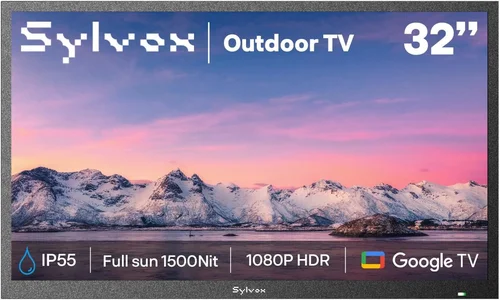
Why it’s bad: Even under a covered patio, indoor TVs are vulnerable to humidity, temperature extremes, and dust. Condensation can form inside the panel during cool nights, leading to permanent damage. Most manufacturers void warranties if the TV is used outdoors.
What to do instead: Always use a certified weatherproof enclosure or choose a TV explicitly rated for partial outdoor use. If budget is tight, look for enclosures under $100 that offer IP54 protection and ventilation.
❌ Mistake: Ignoring Brightness Requirements
Why it’s bad: A dim TV (under 350 nits) will look gray and washed out in daylight, ruining the viewing experience. You’ll constantly adjust settings or retreat indoors.
What to do instead: Prioritize TVs with high brightness ratings. Check reviews for real-world luminance measurements—not just manufacturer claims. If unsure, lean toward models with “outdoor mode” or “high brightness” in the description.
❌ Mistake: Overpaying for “Outdoor” Labeling
Why it’s bad: True all-weather outdoor TVs cost 3–5x more than indoor equivalents. For covered patios, this is overkill and wastes money that could go toward better audio or a nicer enclosure.
What to do instead: Reserve full outdoor TVs for open decks or poolside areas. For covered spaces, a protected indoor TV delivers 90% of the performance at a fraction of the cost.
❌ Mistake: Neglecting Audio Quality
Why it’s bad: Wind, traffic, and ambient noise make built-in TV speakers nearly useless outdoors. You’ll strain to hear dialogue or miss key moments.
What to do instead: Budget for a waterproof Bluetooth speaker or outdoor soundbar. Many cost under $100 and dramatically improve audio clarity. Alternatively, use wireless headphones for private viewing.
❌ Mistake: Skipping Mounting Safety Checks
Why it’s bad: Improperly mounted TVs can fall, causing injury or damage. Outdoor mounts must withstand wind, rain, and thermal expansion.
What to do instead: Use a VESA-compatible mount rated for outdoor use and your TV’s weight. Anchor it securely to wall studs or concrete—not just drywall. Consider a tilt mount to reduce glare.
❌ Mistake: Forgetting About Power and Cables
Why it’s bad: Exposed cords create tripping hazards and can short-circuit in wet conditions. Running extension cords across the patio is unsafe and unsightly.
What to do instead: Hire an electrician to install an outdoor-rated outlet near the TV. Use cable management sleeves or conduit to protect wires. Choose a TV with rear-facing ports to simplify routing.
❌ Mistake: Not Planning for Seasonal Storage
Why it’s bad: Leaving a TV outside year-round—even under cover—exposes it to winter moisture, pests, and temperature swings that shorten its lifespan.
What to do instead: If possible, store the TV indoors during off-seasons. Use a portable cart or choose a lightweight model that’s easy to move. At minimum, cover it with a breathable, waterproof TV cover.
Budget Guidelines: How Much Should You Spend?
Entry-Level ($150–$300): This tier is ideal for renters, temporary setups, or those testing the waters. Expect refurbished or older-model indoor TVs (32–43 inches) with basic smart features. Pair with a budget enclosure ($50–$80) for basic weather protection. Picture quality will be decent in shade but struggle in direct sun. Audio will likely require external speakers.
Mid-Range ($300–$500): The sweet spot for most small patio owners. You’ll find new 40–50 inch TVs from TCL, Hisense, or Vizio with 400–600 nits brightness, robust smart platforms, and reliable build quality. Add a mid-tier enclosure ($80–$120) for solid protection. This range offers the best balance of performance, durability, and value.
Premium ($500–$700): For enthusiasts who want near-outdoor performance without the four-figure price tag. Look for newer models with 700+ nits, HDR support, and metal chassis. Some semi-outdoor TVs fall here, offering better thermal design and port sealing. Enclosures may include active cooling or anti-glare screens.
Luxury ($700+): Only necessary if you have an uncovered patio or demand top-tier reliability. This includes professional outdoor enclosures with heating/cooling systems or all-weather TVs from SunBrite. Overkill for most small patios but justified for extreme climates or commercial use.
Expert Tips for Getting the Best Deal
- Shop during off-seasons: TV prices drop significantly in January (post-holiday sales) and July/August (pre-back-to-school). Avoid spring and early summer when demand peaks.
- Check warehouse clubs: Costco and Sam’s Club often carry discounted TVs with generous return policies—sometimes 90 days.
- Use price-tracking tools: Set alerts on CamelCamelCamel (for Amazon) or Honey to catch sudden drops.
- Consider open-box deals: Best Buy and Micro Center sell returned TVs at 15–30% off, often with full warranties.
- Bundle with accessories: Some retailers offer discounts when you buy a TV + mount + enclosure together.
- Read return policies carefully: Ensure you can return the TV if it doesn’t perform well outdoors—some stores restrict returns on opened electronics.
- Test brightness in person: If possible, view the TV in a bright showroom to judge real-world luminance.
- Negotiate extended warranties: Retailers may waive fees if you decline unnecessary add-ons.

Frequently Asked Questions
Q: Can I use a regular TV outside if it’s under a covered patio?
A: Yes—but only with proper protection. A weatherproof enclosure is essential to guard against humidity, dust, and accidental splashes. Never leave an indoor TV exposed to the elements, even partially.
Q: How bright should my outdoor TV be?
A: Aim for at least 400 nits for shaded areas and 600+ nits if your patio gets direct sunlight. Check professional reviews for实测亮度, as manufacturer specs can be misleading.
Q: Do I need a special mount for outdoor use?
A: Absolutely. Use a mount rated for outdoor conditions with rust-resistant hardware. Ensure it’s securely anchored to structural elements—not just siding or drywall.
Q: Will my Wi-Fi reach the patio?
A: Possibly not. Consider a Wi-Fi extender or mesh network node near the TV. Alternatively, use a TV with Ethernet for a wired connection if you can run a cable.
Q: How do I protect the TV from rain?
A: A quality enclosure with an IP54 rating or higher is your best bet. Ensure it has drainage holes and doesn’t trap condensation. For extra safety, install an outdoor cover when not in use.
Q: Can I leave my outdoor TV on all day?
A: Not recommended. Continuous operation generates heat, which can degrade components faster outdoors. Use a timer or smart plug to limit usage.
Q: Are portable outdoor TVs worth it?
A: Great for renters or small spaces! Look for models with built-in batteries, handles, and kickstands. Just note that screen sizes are usually under 32 inches.
Q: What’s the lifespan of an indoor TV used outdoors?
A: With proper protection, 3–5 years is realistic. Without it, failure can occur within months due to moisture or thermal stress.
Q: Should I get a projector instead?
A: Only if you want a giant screen for group viewing. Projectors require darkness and are less convenient for daily use. TVs offer better reliability and ease of setup.
Q: Can I use my outdoor TV in winter?
A: Only if stored indoors or in a heated enclosure. Most electronics fail below freezing. If you must leave it out, choose a model with a heated outdoor case.
Our Final Recommendations
Best for Budget-Conscious Buyers: TCL 4-Series 43S04 43″ (~$250) + Kanto OLE500 Weatherproof Enclosure (~$90). This combo delivers 400+ nits brightness, Roku TV, and solid build quality for under $350.
Best Overall Value: Hisense A6 Series 50A6 50″ (~$350) with built-in Google TV, 500 nits brightness, and excellent color accuracy. Pair with a VIVO Outdoor TV Enclosure (~$100) for full protection.
Best Premium Option: Vizio V-Series 55V-G1 55″ (~$450) featuring 600 nits, Dolby Vision, and a metal chassis. Ideal for larger patios needing extra brightness and future-proofing.
Best for Beginners: Refurbished Samsung TU7000 43″ (~$200 from Best Buy Outlet) with simple Tizen OS and reliable performance. Easy to set up and pair with a basic enclosure.
Best for Advanced Users: LG UQ75 50″ (~$400) with webOS, HDMI 2.1, and excellent motion handling. Perfect if you plan to game or stream 4K content outdoors.
Conclusion: Making the Right Choice
Choosing a cheap backyard TV for your small patio doesn’t have to mean sacrificing quality or peace of mind. By focusing on brightness, protection, smart features, and real-world durability—not just the lowest price—you can create an outdoor entertainment setup that enhances your lifestyle without breaking the bank. Remember: the goal isn’t to replicate your living room experience, but to extend it thoughtfully into the fresh air.
Prioritize your specific needs—whether that’s surviving humid summers, resisting grill splatter, or simply streaming comfortably from your favorite chair. Use this guide to compare options, avoid common traps, and invest wisely. And don’t forget the little things: good audio, safe mounting, and seasonal care can make all the difference in longevity and enjoyment.
Your perfect backyard TV is out there. With the insights from this guide, you’re now equipped to find it—affordably, confidently, and ready to enjoy countless evenings under the open sky. Happy viewing!

