
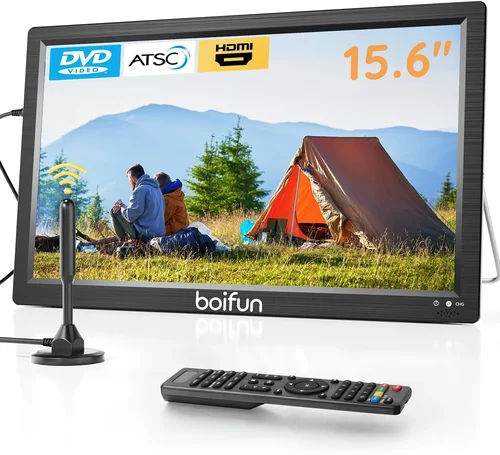
Summer is here, and with it comes the season of backyard barbecues, pool parties, movie nights under the stars, and casual hangouts with friends and family. Nothing elevates an outdoor gathering quite like a big-screen TV that brings the action—whether it’s a live sports game, a classic film, or a binge-worthy series—right into your yard. But you don’t need to break the bank to enjoy high-quality outdoor entertainment. The market for affordable backyard TVs has exploded in recent years, offering impressive performance at surprisingly low price points.
This comprehensive buying guide is designed to help you navigate the crowded landscape of budget-friendly outdoor TVs. Whether you’re hosting your first summer soirée or upgrading from an old indoor TV used outdoors, we’ll walk you through everything you need to know to make a smart, informed decision. From understanding key performance specs to avoiding common pitfalls, this guide covers all the essentials. You’ll learn how to balance cost, durability, picture quality, and functionality so you can enjoy crystal-clear visuals and reliable performance—without overspending.
The good news? You no longer have to choose between affordability and quality. Brands like TCL, Hisense, Vizio, and even emerging players like Skyworth and RCA now offer feature-rich models under $500 that are specifically built or well-suited for outdoor use. With advancements in display technology, weather resistance, and smart features, today’s cheap backyard TVs deliver more value than ever. This guide will help you cut through the noise, compare your options, and find the perfect screen to turn your backyard into the ultimate summer entertainment hub.

What to Look for When Buying Buying Guide
1. Budget & Price Range
Setting a realistic budget is the first and most important step in your backyard TV search. While “cheap” is relative, most buyers looking for affordable outdoor options should expect to spend between $300 and $800 for a quality 50- to 65-inch model. This range typically includes TVs that offer solid picture quality, basic weather resistance, and smart features—without the premium price tag of fully outdoor-rated models.
It’s tempting to go for the lowest-priced option, but be cautious. TVs under $250 often cut corners on brightness, durability, and connectivity, which can lead to poor visibility in daylight or premature failure when exposed to the elements. On the other hand, spending over $1,000 may get you into fully weatherproof, commercial-grade outdoor TVs—ideal for permanent installations but often overkill for casual summer use.
2. Performance Specifications
When it comes to outdoor viewing, performance specs matter more than ever. Sunlight, ambient light, and distance from the screen can all impact how well you see your content. Here are the key specs to prioritize:
- Brightness (Nits): For outdoor use, aim for at least 400 nits, but 500–700 nits is ideal. Higher brightness helps combat glare and ensures visibility even on sunny afternoons. Many budget TVs now offer 500+ nits, especially in the QLED and mini-LED categories.
- Resolution: Stick with 4K UHD (3840 x 2160) for sharp, detailed images. While 1080p is cheaper, the difference in clarity—especially on larger screens—is significant. Most modern budget TVs offer 4K at no extra cost.
- Refresh Rate: A 60Hz refresh rate is standard and sufficient for movies and casual viewing. If you plan to watch live sports or fast-action content, look for 120Hz support (often labeled as “Motion Rate” or “Clear Motion” on budget models).
- HDR Support: High Dynamic Range (HDR10, Dolby Vision, or HLG) enhances contrast and color depth. Even budget TVs now include HDR, but performance varies. Look for models that support multiple HDR formats for better compatibility.
Don’t overlook contrast ratio and color accuracy. While OLEDs offer the best contrast, they’re rare in budget outdoor setups. Instead, look for LED or QLED panels with local dimming or high contrast ratios (e.g., 5000:1 or higher) for deeper blacks and more vibrant images.
3. Build Quality & Durability
Unlike indoor TVs, backyard screens face real environmental challenges: rain, humidity, dust, temperature swings, and UV exposure. Even if you plan to use your TV under a covered patio or pergola, some level of weather resistance is essential.
Most affordable outdoor TVs aren’t fully weatherproof (that’s a premium feature), but many are designed with outdoor durability in mind. Look for:
- VESA Mount Compatibility: Ensures you can securely attach the TV to a wall or stand. Most budget models support standard VESA patterns (200×200, 400×400).
- Metal or Reinforced Plastic Casings: These resist warping and cracking better than cheap plastic.
- Sealed Ports and Connectors: Some models include rubber gaskets or covers for HDMI and USB ports to prevent moisture ingress.
- Anti-Glare or Matte Screens: Reduce reflections from sunlight, improving visibility during daytime use.
While fully outdoor-rated TVs (like those from SunBrite or Seura) come with IP55 or IP65 ratings, they’re expensive. For most backyard setups, a well-ventilated, covered area with a quality indoor TV designed for outdoor resilience is a smart compromise.
4. Features & Functionality
Modern budget TVs pack impressive smart features that enhance usability and convenience. Here’s what to look for:
- Smart TV Platform: Roku TV, Google TV, and webOS are the most user-friendly. Roku is especially popular in budget models for its simplicity and vast app selection. Avoid proprietary systems with limited app support.
- Voice Control: Built-in Alexa, Google Assistant, or Roku Voice lets you change channels, search content, or adjust volume hands-free—perfect for outdoor use.
- Streaming Apps: Ensure your TV supports Netflix, YouTube, Disney+, Hulu, and Amazon Prime Video out of the box. Most do, but double-check if you rely on niche services.
- Connectivity: At least three HDMI ports (preferably HDMI 2.0 or higher), USB ports, and Wi-Fi 5 (802.11ac) are essential. Bluetooth support is a bonus for wireless speakers or headphones.
- Screen Mirroring & Casting: Chromecast built-in or AirPlay 2 allows you to stream from your phone or tablet directly to the TV.
Some budget models also include built-in speakers, but don’t expect theater-quality sound. For outdoor parties, consider pairing your TV with a weather-resistant Bluetooth speaker or outdoor soundbar for fuller audio.
5. Brand Reputation
Not all budget brands are created equal. Some offer excellent value with reliable performance, while others prioritize low cost over longevity. Stick with brands known for quality and customer support:
- TCL: Consistently praised for offering premium features (like QLED and Dolby Vision) at budget prices. Their 4-Series and 5-Series are popular for outdoor use.
- Hisense: Known for aggressive pricing and solid performance. The U6 and U7 series offer great brightness and color for the price.
- Vizio: Offers strong picture quality and smart features. The V-Series is a reliable mid-budget option.
- Samsung: While pricier, their Crystal UHD series often goes on sale and delivers excellent brightness and reliability.
- LG: Their UQ75 series provides good value with webOS and strong HDR performance.
Avoid unknown or off-brand TVs with no customer support or warranty. A reputable brand ensures better build quality, software updates, and access to replacement parts.
6. Warranty & Support
Even the best TVs can fail, especially when exposed to outdoor conditions. A solid warranty protects your investment. Most reputable brands offer a 1-year limited warranty, but some extend coverage for panels or specific components.
Check the warranty terms carefully:
- Does it cover outdoor use? Some warranties void coverage if the TV is used outside.
- Is accidental damage included? Rare in budget models, but worth noting.
- What’s the return policy? Look for at least 30 days, ideally 60.
- Is customer support accessible? Brands like TCL and Hisense offer phone, chat, and email support.
If you’re buying from a third-party seller (e.g., Amazon, Walmart), ensure the warranty is honored and not limited to the retailer’s return window.
7. Size & Portability
The right screen size depends on your viewing distance and seating arrangement. For backyard use, a 50- to 65-inch TV is ideal for most setups:
- 50–55 inches: Best for smaller patios or viewing distances of 6–10 feet.
- 60–65 inches: Ideal for larger yards or groups, with comfortable viewing up to 12–15 feet away.
- 70+ inches: Overkill for most backyards unless you have a large open space and high seating.
Portability matters if you plan to move the TV between indoor and outdoor use. Look for models under 30 lbs with built-in handles or compatible with portable stands. Wall-mounted TVs are more permanent but offer better stability and protection from theft or weather.
8. User Reviews & Ratings
Before buying, always check user reviews on trusted platforms like Amazon, Best Buy, or Wirecutter. Look for patterns in feedback:
- Are multiple users reporting screen burn-in, poor brightness, or Wi-Fi issues?
- Do reviewers mention durability after months of outdoor use?
- Are there complaints about customer service or warranty claims?
Pay attention to recent reviews (within the last 6–12 months), as TV models and firmware can change. A 4.5-star average with hundreds of reviews is a strong indicator of reliability.
Different Types of Buying Guide

Common Buying Mistakes to Avoid
❌ Mistake: Buying a Standard Indoor TV for Full Outdoor Exposure
Why it’s bad: Indoor TVs aren’t designed to handle moisture, temperature changes, or UV rays. Even brief exposure to rain or high humidity can damage internal components, leading to costly repairs or total failure.
What to do instead: Use indoor TVs only under covered, sheltered areas like a screened porch or pergola with a roof. For open yards, invest in an outdoor-ready model or a weatherproof enclosure.
❌ Mistake: Ignoring Brightness Requirements
Why it’s bad: A dim screen (under 400 nits) will look washed out in daylight, making it hard to see sports, movies, or game footage. You’ll end up squinting or waiting for sunset to enjoy your TV.
What to do instead: Prioritize TVs with 500+ nits brightness. Look for terms like “high brightness,” “outdoor viewing,” or “anti-glare” in the product description.
❌ Mistake: Overlooking Smart Features
Why it’s bad: A TV without built-in streaming apps forces you to rely on external devices (like a Fire Stick or Roku), adding clutter, extra cables, and potential points of failure.
What to do instead: Choose a smart TV with a reliable platform (Roku, Google TV, or webOS) and regular software updates. This simplifies setup and ensures long-term usability.
❌ Mistake: Skimping on Mounting and Installation
Why it’s bad: A poorly mounted TV can wobble, fall, or get damaged in wind. DIY mounts or weak stands increase the risk of accidents and theft.
What to do instead: Use a sturdy, VESA-compatible wall mount or outdoor TV stand. For permanent installs, consider professional installation to ensure safety and stability.
❌ Mistake: Not Checking Return and Warranty Policies
Why it’s bad: If your TV arrives damaged or fails within weeks, a restrictive return policy or voided warranty leaves you with no recourse.
What to do instead: Buy from retailers with at least a 30-day return window and ensure the manufacturer’s warranty covers outdoor use. Keep all receipts and packaging.
❌ Mistake: Choosing the Wrong Screen Size
Why it’s bad: A TV that’s too small forces guests to crowd close, while one that’s too large overwhelms the space and strains the budget.
What to do instead: Measure your viewing distance and use a screen size calculator. For most backyards, 55–65 inches is the sweet spot.
❌ Mistake: Forgetting About Audio
Why it’s bad: Built-in TV speakers are often weak and muffled, especially outdoors where sound dissipates quickly.
What to do instead: Pair your TV with outdoor Bluetooth speakers or a soundbar. Look for weather-resistant models with good bass and volume.
Budget Guidelines: How Much Should You Spend?
- Entry-Level ($300–$450): Ideal for casual users with covered setups. Expect 4K resolution, basic smart features, and 400–500 nits brightness. Models like the TCL 4-Series or Hisense A6 are solid choices. Durability may be limited, so avoid direct exposure.
- Mid-Range ($450–$650): The sweet spot for most buyers. These TVs offer 500+ nits brightness, better color accuracy, stronger build quality, and advanced smart platforms. The TCL 5-Series, Hisense U6, and Vizio V-Series shine here. Perfect for semi-covered patios and frequent use.
- Premium ($650–$900): For enthusiasts who want near-outdoor performance without the full weatherproof price. Look for QLED panels, 700+ nits, Dolby Vision, and enhanced durability. The Hisense U7 and Samsung Crystal UHD are excellent options.
- Luxury ($900+): Includes fully weatherproof TVs or high-end indoor models used in premium outdoor setups. These offer IP ratings, all-weather enclosures, and commercial-grade components. Best for permanent installations or extreme climates.
Expert Tips for Getting the Best Deal
- Shop During Seasonal Sales: Memorial Day, Fourth of July, Black Friday, and back-to-school periods offer the deepest discounts on TVs. Retailers often bundle mounts or streaming devices for free.
- Compare Prices Across Retailers: Check Amazon, Best Buy, Walmart, Costco, and B&H Photo. Use price-tracking tools like Honey or CamelCamelCamel to spot historical lows.
- Consider Refurbished or Open-Box Models: Certified refurbished TVs from reputable sellers come with warranties and can save you 20–30%. Open-box items are often like-new and deeply discounted.
- Read the Fine Print on Warranties: Ensure outdoor use is covered. Some brands void warranties if the TV is mounted outside, even under cover.
- Test Before Finalizing: If buying in-store, check the display model for brightness, color accuracy, and smart interface responsiveness.
- Use Cashback and Rewards: Sign up for cashback sites (Rakuten, TopCashback) or use credit cards with rewards to earn money back on your purchase.
- Negotiate at Big-Box Stores: Best Buy and Costco sometimes price-match or offer additional discounts if you ask, especially during sales events.
- Check for Manufacturer Rebates: Brands like Samsung and LG occasionally offer mail-in rebates or instant savings on select models.
Frequently Asked Questions
Q: Can I use a regular indoor TV outside?
A: Yes, but only under covered, sheltered areas like a screened porch or pergola with a roof. Avoid direct exposure to rain, snow, or extreme temperatures. For open yards, consider an outdoor-ready model or a weatherproof enclosure.
Q: What’s the minimum brightness needed for outdoor viewing?
A: Aim for at least 400 nits, but 500–700 nits is ideal for clear visibility in daylight. Higher brightness combats glare and ensures vibrant colors even in sunny conditions.
Q: Do I need a special mount for outdoor TVs?
A: A standard VESA-compatible wall mount works for most indoor or outdoor-ready TVs. For permanent outdoor installs, use a mount rated for outdoor use with rust-resistant hardware.
Q: How do I protect my TV from the elements?
A: Use a weatherproof TV cover when not in use, install it under cover, and ensure proper ventilation to prevent overheating. Avoid placing it near sprinklers or pools.
Q: Can I connect my phone to the TV wirelessly?
A: Yes, most smart TVs support screen mirroring via Chromecast, AirPlay 2, or Miracast. Check your TV’s specs for compatibility with your device.
Q: What’s the difference between QLED and LED?
A: QLED uses quantum dots to enhance color and brightness, offering better HDR performance and vibrancy than standard LED. It’s more expensive but worth it for outdoor use.
Q: How long do budget outdoor TVs last?
A: With proper care, 5–7 years is typical. Avoid extreme temperatures, keep ports dry, and update software regularly to extend lifespan.
Q: Are portable outdoor TVs worth it?
A: Great for events, camping, or pool parties. Look for models with built-in batteries, lightweight design, and weather resistance. Expect to pay $500–$900 for quality options.
Q: Should I buy a projector instead?
A: Projectors offer giant screens and immersive experiences but require darkness and a flat surface. They’re less versatile than TVs but ideal for movie nights under the stars.
Q: What’s the best size for a backyard TV?
A: For most setups, 55–65 inches is ideal. Measure your viewing distance: multiply by 0.84 to get the recommended screen size in inches (e.g., 10 feet = 100 inches × 0.84 ≈ 84 inches, so 65 inches is sufficient).
Our Final Recommendations
- Best for Budget-Conscious Buyers: TCL 50S555 50-inch 4K QLED Roku TV – At under $400, it delivers 500+ nits brightness, Dolby Vision, and a user-friendly Roku interface. Perfect for covered patios.
- Best Overall Value: Hisense 55U6H 55-inch ULED 4K Google TV – Offers 600 nits brightness, excellent color, and Google Assistant for under $500. A top pick for frequent outdoor use.
- Best Premium Option: Samsung UN65CU7000 65-inch Crystal UHD – With 700 nits brightness, anti-reflective coating, and Tizen OS, it’s a high-performance choice for serious entertainers.
- Best for Beginners: Vizio V505-H19 50-inch 4K Smart TV – Simple setup, solid picture quality, and built-in Apple AirPlay 2. Great for first-time buyers.
- Best for Advanced Users: Hisense 65U7H 65-inch ULED Mini-LED – Features 1,000+ nits brightness, local dimming, and Dolby Vision IQ. Ideal for tech-savvy users who want top-tier performance.
Conclusion: Making the Right Choice
Choosing the right backyard TV doesn’t have to be overwhelming—or expensive. With the right balance of brightness, durability, smart features, and price, you can create an outdoor entertainment space that rivals any indoor setup. Remember to prioritize your specific needs: whether it’s a covered patio, a poolside party zone, or a permanent backyard theater, there’s a budget-friendly option that fits.
Start by setting a realistic budget, then focus on key specs like brightness and resolution. Don’t overlook build quality and smart functionality, and always check user reviews and warranty terms. Avoid common pitfalls like using indoor TVs in exposed areas or ignoring audio needs. And when in doubt, go for a mid-range model from a reputable brand—it’s the sweet spot for performance and value.
Summer is short, but the memories you create with friends and family around a great TV can last a lifetime. So don’t wait—start shopping, set up your screen, and get ready to host the best backyard parties of the season. With this guide in hand, you’re equipped to make a smart, confident decision that delivers years of outdoor enjoyment.

