
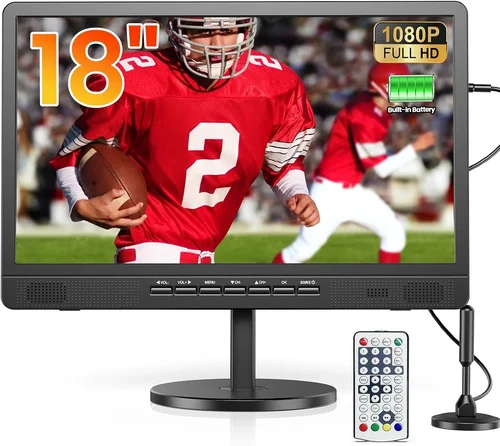
If you’ve ever tried to enjoy a movie night under the stars or catch the big game while lounging on your covered patio, you know how quickly a regular indoor TV can turn into a frustrating experience. Glare from the sun, humidity sneaking in through open sides, and the constant worry about weather damage can turn what should be a relaxing outdoor entertainment setup into a high-maintenance headache. That’s why more homeowners than ever are turning to affordable outdoor TVs designed specifically for covered patios—spaces that offer some protection from the elements but aren’t fully enclosed like a sunroom or indoor living area.
This guide exists because choosing the right cheap backyard TV isn’t as simple as grabbing the least expensive model you can find. While budget is certainly a major factor—especially if you’re working with limited funds—there are critical performance, durability, and usability considerations that directly impact whether your investment lasts a season or five. A poorly chosen TV might deliver washed-out colors in daylight, fail within months due to moisture exposure, or lack the smart features you rely on indoors. Our goal here is to help you avoid those pitfalls by giving you a clear, expert-backed roadmap to selecting a reliable, high-performing outdoor TV that fits both your space and your wallet.
Over the past few years, the market for outdoor televisions has exploded. What used to be a niche category dominated by ultra-expensive commercial-grade models now includes a growing number of consumer-friendly options from mainstream brands like Samsung, LG, TCL, and Vizio—many of which offer “outdoor-ready” versions of their popular indoor TVs at surprisingly accessible price points. These aren’t just regular TVs shoved into weatherproof boxes; they’re engineered with brighter screens, enhanced cooling systems, and protective coatings to handle the unique challenges of semi-outdoor environments. In this guide, we’ll walk you through everything you need to know to pick the best cheap backyard TV for your covered patio in 2026, from key specs and build quality to smart features, installation tips, and hidden costs you might not expect.

What to Look for When Buying a Cheap Backyard TV
1. Brightness & Screen Visibility in Sunlight
One of the most overlooked—but absolutely critical—factors when shopping for an outdoor TV is screen brightness, measured in nits. Indoor TVs typically range from 300 to 500 nits, which is fine for dimly lit living rooms but completely inadequate for even a shaded patio where ambient light reflects off surfaces. For a covered patio that still gets indirect sunlight (especially during morning or late afternoon), you’ll want a minimum of 700 nits, with 1000+ nits being ideal. This ensures that colors stay vibrant and text remains readable without squinting.
Look for TVs labeled as “high-brightness,” “outdoor-viewable,” or “sunlight-readable.” Some manufacturers, like SunBriteTV (a leader in outdoor displays), build their entire product line around this principle. However, even mainstream brands now offer models with enhanced brightness modes. For example, certain TCL 6-Series and Hisense U8K models feature up to 1200 nits peak brightness—perfect for patios with partial sun exposure. Avoid any TV under 600 nits unless your patio is fully shaded all day.
2. Weather Resistance & Environmental Protection
Even though your patio is covered, it’s still exposed to humidity, dust, temperature swings, and occasional splashes—especially if you have misters, a nearby pool, or open sides. A standard indoor TV will corrode, fog up, or overheat in these conditions. That’s why outdoor TVs must meet specific environmental standards.
Look for an IP rating (Ingress Protection). For covered patios, an IP55 rating is generally sufficient—it protects against low-pressure water jets and dust ingress. If your area gets heavy rain or strong winds, consider IP65. Also, check if the TV has a sealed chassis, anti-corrosion coatings, and a fanless or passive cooling system to prevent dust buildup. Many budget-friendly outdoor TVs use aluminum frames and tempered glass fronts to resist rust and UV degradation.
Avoid TVs that are merely “weather-resistant” without clear IP ratings—that term is often marketing fluff. Genuine outdoor models will explicitly state their environmental tolerances.
3. Smart Features & Connectivity
You didn’t buy a smart TV for your living room just to downgrade to a dumb screen outdoors. Fortunately, most modern outdoor TVs come with full smart platforms like Google TV, Roku TV, or webOS. This lets you stream Netflix, YouTube, or Disney+ directly without needing a separate streaming box.
Check for:
– Built-in Wi-Fi (dual-band 2.4GHz/5GHz preferred)
– Voice control compatibility (Google Assistant, Alexa)
– Multiple HDMI ports (at least 3, including one ARC/eARC for soundbars)
– USB ports for media playback
– Bluetooth for wireless headphones or speakers
Some cheaper models skimp on HDMI ports or use outdated Wi-Fi chips, which can cause buffering or connection drops. If you plan to connect a gaming console, sound system, or cable box, ensure there’s enough bandwidth and port variety.
4. Size & Viewing Distance
Outdoor viewing distances are often longer than indoor ones. A TV that looks great from 6 feet away in your living room might feel tiny from 10–12 feet on the patio. Use this rule of thumb:
Viewing distance (in inches) ÷ 1.6 = Ideal screen size (in inches)
For example, if you’ll be sitting 120 inches (10 feet) away, divide by 1.6 to get ~75 inches. So a 65″ or 75″ TV would be ideal. However, don’t go oversized just because you can—a 85″ TV on a small patio can overwhelm the space and strain your eyes.
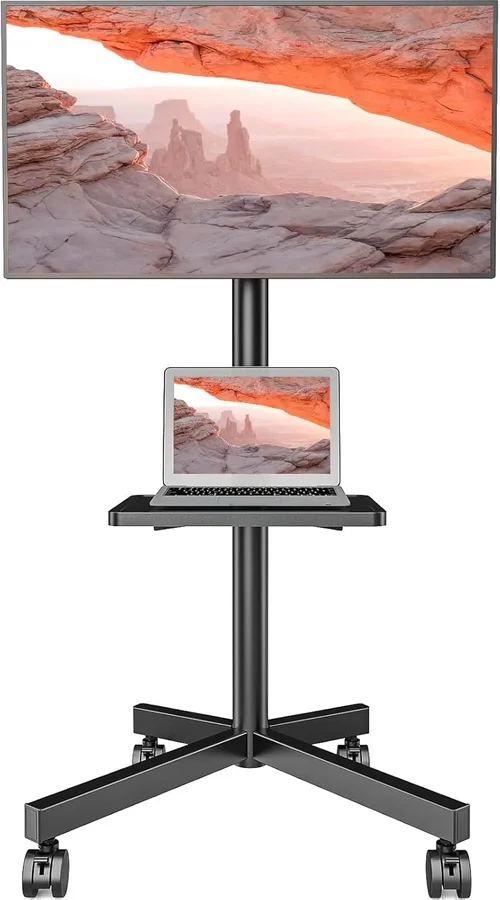
Also consider mounting options. Most outdoor TVs support VESA wall mounts, but verify weight limits and whether the included stand is stable enough for outdoor use (wind can tip lightweight stands). Wall or ceiling mounts are usually safer for covered patios.
5. Audio Quality & Sound Solutions
Outdoor spaces lack the acoustic reflection of walls and ceilings, so built-in TV speakers often sound thin and weak. While many budget outdoor TVs include decent 10–20W speakers, they rarely deliver immersive sound—especially with background noise like traffic or birds.
Plan to pair your TV with external audio:
– A weather-resistant soundbar (e.g., Yamaha YAS-209 Outdoor)
– Wireless outdoor speakers (like Bose Free Space 51)
– A compact AV receiver with patio speakers
If audio isn’t a priority, at least ensure the TV has optical audio out or HDMI ARC for easy soundbar hookup. Avoid models with only basic stereo outputs.
6. Energy Efficiency & Operating Costs
Outdoor TVs often run longer hours than indoor ones—think weekend barbecues, holiday gatherings, or evening relaxation. High brightness and constant use can spike your electricity bill if you’re not careful.
Look for ENERGY STAR-certified models, which use 15–30% less power than standard TVs. Also, check the wattage rating: a 55″ outdoor TV should consume under 150W under normal use. Some models include ambient light sensors that auto-adjust brightness based on surroundings, saving energy when full brightness isn’t needed.
7. Brand Reputation & Real-World Reliability
Not all “cheap” TVs are created equal. Some brands cut corners on components, firmware updates, or customer service. Stick with manufacturers known for durability and consistent performance in outdoor conditions.
Top-tier outdoor specialists like SunBriteTV and Seura offer excellent build quality but at premium prices. For budget buyers, mainstream brands like TCL, Hisense, and Vizio now offer outdoor-ready models with strong track records. Read user reviews on Amazon, Best Buy, and Reddit—look for recurring complaints about overheating, Wi-Fi drops, or screen burn-in after a few months.
Avoid unknown brands with no service network. If something breaks, you’ll want local repair options or hassle-free warranty claims.
8. Warranty & Support Coverage
Outdoor electronics face harsher conditions than indoor gear, so warranty terms matter more than ever. A standard 1-year warranty may not cut it if your TV fails after 14 months due to humidity damage.
Look for:
– At least a 2-year manufacturer warranty
– Coverage for environmental damage (not just defects)
– Easy return/exchange policies
– U.S.-based customer support
Some brands, like Samsung, offer extended outdoor warranties when you register your product. Others provide free replacement parts for the first year. Always read the fine print—many warranties void coverage if the TV is installed in direct rain or extreme temperatures.
Different Types of Outdoor TVs for Covered Patios

For most homeowners with a covered patio, the Covered Patio TV (Semi-Outdoor) category offers the best balance of price, performance, and protection. These models are engineered for environments shielded from direct rain but still exposed to ambient moisture and temperature changes—exactly what you’d find under a roofed deck or enclosed pergola.
Common Buying Mistakes to Avoid
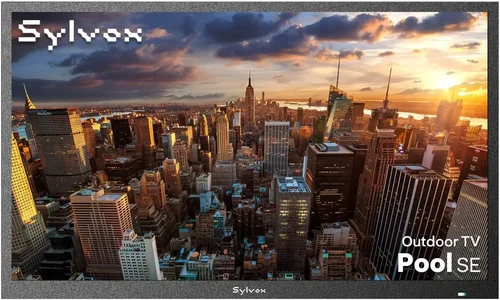
❌ Mistake: Buying a Regular Indoor TV and Expecting It to Survive Outdoors
Why it’s bad: Indoor TVs lack weatherproofing, corrosion-resistant materials, and adequate brightness. Even brief exposure to humidity can cause internal corrosion, while sunlight will wash out the image. Most indoor TVs also overheat in enclosed outdoor spaces due to poor ventilation design.
What to do instead: Invest in a TV specifically rated for semi-outdoor use (IP55 or higher). If budget is extremely tight, consider a weatherproof enclosure—but only for fully covered, low-humidity areas.
❌ Mistake: Ignoring Brightness Because “It’s Covered”
Why it’s bad: Even under a roof, ambient light from open sides, reflective surfaces (like concrete or water), and time of day drastically affect visibility. A 400-nit TV will look dim and lifeless by mid-morning.
What to do instead: Prioritize brightness above all else. Aim for 700+ nits minimum. Test potential models in similar lighting if possible, or rely on verified user reviews mentioning daytime viewing.
❌ Mistake: Overlooking Audio Needs
Why it’s bad: Outdoor acoustics diffuse sound, making built-in TV speakers nearly useless beyond a few feet. You’ll end up shouting over the TV or missing dialogue during action scenes.
What to do instead: Budget for a weather-resistant sound system from day one. A $150 soundbar can dramatically improve the experience and is often cheaper than upgrading the TV later.
❌ Mistake: Choosing the Largest Screen Without Considering Viewing Distance
Why it’s bad: A massive TV too close causes eye strain; too far away, and you lose detail. Oversized screens also cost more and may not fit your mounting setup.
What to do instead: Use the viewing distance formula (distance in inches ÷ 1.6 = ideal size). Measure your space and mock up dimensions with painter’s tape before buying.
❌ Mistake: Skipping the Warranty Fine Print
Why it’s bad: Many “outdoor” warranties exclude damage from moisture, heat, or improper installation. You could pay full price for a replacement after a single humid summer.
What to do instead: Read warranty terms carefully. Look for explicit coverage of environmental factors and confirm whether professional installation is required for validity.
❌ Mistake: Assuming All “Outdoor” Labels Mean the Same Thing
Why it’s bad: Some brands slap “outdoor-ready” on slightly modified indoor models with minimal upgrades. These often fail prematurely in real-world conditions.
What to do instead: Verify IP ratings, brightness specs, and user feedback. Cross-reference with expert reviews from sites like RTINGS.com or Wirecutter.
❌ Mistake: Forgetting About Power and Cable Management
Why it’s bad: Running extension cords across the patio creates tripping hazards and looks messy. Exposed cables degrade faster outdoors.
What to do instead: Plan for in-wall or conduit wiring during installation. Use outdoor-rated extension cords temporarily, but aim for permanent solutions.
Budget Guidelines: How Much Should You Spend?
– Entry-Level ($400–$700): At this price, you’re typically looking at smaller screens (43″–50″) with basic smart features, 600–800 nits brightness, and minimal weatherproofing (IP54). Best for fully shaded patios with low usage. Examples: TCL 4-Series Outdoor Edition, Vizio V-Series SmartCast Outdoor.
– Mid-Range ($700–$1,200): This is the sweet spot for most covered patio owners. You’ll get 55″–65″ screens, 800–1,200 nits brightness, IP55 rating, full smart platforms, and better audio. Models like the Hisense U8K Outdoor or TCL 6-Series Roku TV Outdoor offer excellent value here.
– Premium ($1,200–$2,000): For larger patios or frequent entertainers, these TVs deliver 75″+ screens, 1,500+ nits, advanced local dimming, premium materials, and extended warranties. Ideal if you host often or live in a bright, humid climate.
– Luxury ($2,000+): Reserved for all-weather, commercial-grade, or ultra-high-end residential setups. These include features like anti-reflective glass, 24/7 operation capability, and professional installation services. Only necessary for extreme environments or luxury homes.
Expert Tips for Getting the Best Deal
– Shop During Off-Season: Outdoor TVs peak in spring and summer. Buy in late fall or winter (November–February) for discounts of 20–30%. Retailers clear inventory before new models arrive.
– Check Retailer Return Policies: Some stores (like Costco or Best Buy) offer generous return windows—up to 90 days. This gives you time to test the TV in real patio conditions.
– Look for Open-Box or Refurbished Models: Certified refurbished outdoor TVs from manufacturers often come with full warranties and cost 25–40% less. Avoid third-party refurbishers without clear credentials.
– Bundle with Accessories: Some retailers offer free mounts or soundbars with TV purchases during promotions. Always ask!
– Use Price Tracking Tools: Set alerts on CamelCamelCamel (for Amazon) or Honey for price drops. Outdoor TVs rarely fluctuate daily, but seasonal sales are predictable.
– Verify Local Installation Options: If you’re not DIY-savvy, factor in professional mounting costs ($150–$400). Some brands partner with local installers for discounted rates.
– Test Before Committing: If buying in-store, ask to see the TV powered on in a bright area. Check for color accuracy, responsiveness, and speaker quality.
– Register for Extended Warranties Wisely: Third-party extended warranties are often overpriced. Manufacturer extensions (if offered) are usually better value.

Frequently Asked Questions
Q: Can I use a regular TV under my covered patio?
A: Technically yes, but it’s not recommended. Without proper weatherproofing, humidity and temperature swings can shorten its lifespan significantly. If you must, use a high-quality outdoor enclosure and ensure the area is fully protected from rain and direct sun.
Q: Do outdoor TVs need special mounting hardware?
A: Most use standard VESA patterns, but always confirm compatibility. For covered patios, tilt or full-motion mounts help reduce glare. Use stainless steel or powder-coated brackets to prevent rust.
Q: How do I protect my outdoor TV from theft?
A: Install it high on the wall, use security screws, or add a cable lock. Some models include built-in security slots. Motion-sensor lights and cameras also deter thieves.
Q: Will an outdoor TV work in winter?
A: Yes, most operate from -22°F to 122°F (-30°C to 50°C). However, extreme cold can temporarily reduce brightness. Avoid turning it on immediately after bringing it indoors from freezing temps—let it acclimate first.
Q: Can I leave my outdoor TV on all the time?
A: Consumer-grade outdoor TVs aren’t designed for 24/7 operation like commercial displays. Limit continuous use to 8–12 hours. Use sleep timers or smart plugs to automate shutoff.
Q: Do I need a separate antenna for outdoor TV?
A: Only if you watch over-the-air broadcasts. Most smart outdoor TVs connect to Wi-Fi for streaming. If using an antenna, choose an outdoor-rated model mounted away from the TV to reduce interference.
Q: How often should I clean my outdoor TV screen?
A: Wipe gently with a microfiber cloth weekly. For smudges, use a 50/50 mix of distilled water and isopropyl alcohol. Never use ammonia-based cleaners—they damage anti-reflective coatings.
Q: Are outdoor TVs harder to repair?
A: Parts may be less available than for indoor models, but major brands offer service networks. Keep your receipt and warranty info handy. DIY repairs are risky due to sealed designs.
Q: Can I use my outdoor TV with a projector instead?
A: Projectors struggle in any ambient light, making them poor choices for covered patios unless fully darkened. TVs offer brighter, sharper images with lower maintenance.
Q: What’s the lifespan of a typical outdoor TV?
A: With proper care, 5–7 years is realistic. High-end models can last 8–10 years. Avoid placing near saltwater or in areas with constant direct sun exposure to maximize longevity.
Our Final Recommendations
– Best for Budget-Conscious Buyers: TCL 55″ 6-Series Roku TV Outdoor Edition – At around $750, it delivers 1,000 nits brightness, IP55 rating, and excellent Roku smart features. Great for shaded patios under $800.
– Best Overall Value: Hisense 65″ U8K Outdoor – Priced near $1,100, it offers 1,200 nits, quantum dot color, and robust build quality. Ideal for mixed lighting conditions and frequent use.
– Best Premium Option: SunBriteTV Veranda Series 75″ – Though pricier (~$1,800), it’s built like a tank with IP55 rating, anti-glare glass, and superior cooling. Perfect for high-end homes or commercial use.
– Best for Beginners: Vizio 50″ V-Series SmartCast Outdoor – Simple setup, intuitive interface, and solid 800-nit brightness. Great first outdoor TV under $700.
– Best for Advanced Users: Samsung The Terrace 65″ – Features Samsung’s Tizen OS, 1,500 nits, and seamless integration with smart home systems. Best for tech-savvy users wanting ecosystem synergy.
Conclusion: Making the Right Choice
Choosing a cheap backyard TV for your covered patio doesn’t have to mean sacrificing quality or durability. By focusing on brightness, weather resistance, smart functionality, and real-world reliability, you can find a model that delivers years of enjoyment without breaking the bank. Remember: the cheapest option upfront often costs more in the long run due to premature failure or poor performance.
Start by assessing your patio’s specific conditions—how much sun it gets, humidity levels, and typical usage patterns. Then match those needs to the right price tier and feature set. Don’t rush the decision; take advantage of seasonal sales, read verified reviews, and consider total cost of ownership (including audio and mounting).
Ultimately, the best outdoor TV is the one that disappears into your lifestyle—letting you focus on good company, great content, and the simple pleasure of entertainment under open skies. With the insights from this guide, you’re now equipped to make a confident, informed choice that brings your backyard vision to life in 2026 and beyond.

