
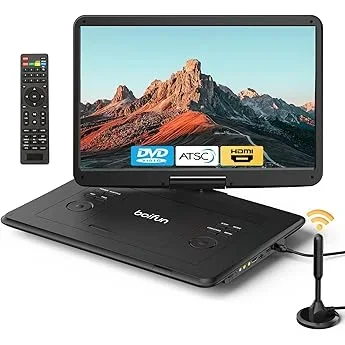
Outdoor entertaining has evolved far beyond simple backyard barbecues and string lights. Today’s homeowners want to create full-fledged outdoor living spaces—complete with comfortable seating, outdoor kitchens, fire pits, and yes, even high-quality entertainment systems. One of the most transformative additions you can make to your patio or backyard setup is an outdoor TV. Whether you’re hosting summer movie nights, watching the big game under the stars, or simply enjoying music videos while grilling, an outdoor TV elevates the entire experience.
But here’s the catch: not all TVs are built for the elements. Standard indoor TVs may look great in your living room, but they’re not designed to withstand sunlight, humidity, rain, dust, or temperature swings—all common conditions on a patio. That’s why investing in a purpose-built outdoor TV is essential if you want reliable performance and longevity. This comprehensive buying guide will walk you through everything you need to know to choose the best outdoor TV for your summer parties and year-round enjoyment. From understanding key technical specs to avoiding costly mistakes, we’ve got you covered.
The market for outdoor TVs has grown significantly over the past few years, driven by increased demand for outdoor living and advancements in display technology. Brands like Samsung, LG, Sony, and specialized manufacturers such as Seura, SunBriteTV, and Sylvane now offer models specifically engineered for outdoor use. These aren’t just regular TVs shoved into weatherproof boxes—they’re purpose-built with enhanced brightness, anti-glare coatings, rugged enclosures, and thermal management systems. Whether you’re looking for a budget-friendly option for occasional use or a premium model that rivals your indoor setup, there’s an outdoor TV that fits your needs. By the end of this guide, you’ll have the knowledge and confidence to make the right choice for your space, lifestyle, and budget.

What to Look for When Buying Buying Guide
1. Weather Resistance & IP Rating
One of the most critical factors when choosing an outdoor TV is its ability to withstand the elements. Unlike indoor TVs, outdoor models must be built to resist rain, snow, dust, humidity, and extreme temperatures. Look for TVs with a high Ingress Protection (IP) rating—this standardized code indicates how well a device is protected against solids and liquids. For outdoor use, an IP55 rating or higher is ideal. IP55 means the TV is protected against low-pressure water jets from any direction and limited dust ingress. Some premium models go even further with IP65 or IP66 ratings, offering full dust protection and resistance to powerful water jets.
Beyond the IP rating, consider the TV’s operating temperature range. Most outdoor TVs are designed to function between -22°F and 122°F (-30°C to 50°C), which covers nearly all seasonal conditions in the U.S. and Europe. If you live in an area with harsh winters or scorching summers, verify that the model you’re considering can handle your local climate. Also, check whether the TV includes a built-in heater or cooling fan—these features help maintain optimal internal temperatures and prevent condensation or overheating.
2. Brightness & Anti-Glare Performance
Sunlight is the enemy of screen visibility outdoors. Even on a cloudy day, ambient light can wash out an indoor TV’s image, making it nearly impossible to see. That’s why outdoor TVs must have significantly higher brightness levels than their indoor counterparts. Look for models with a minimum brightness of 700 nits, but ideally 1,000 nits or more. For direct sunlight exposure—such as a TV mounted on a south-facing wall—opt for 1,500 nits or higher. This level of brightness ensures that colors remain vibrant and details stay sharp, even at midday.
In addition to high brightness, anti-glare technology is essential. Many outdoor TVs feature optically bonded glass or anti-reflective coatings that reduce glare from the sun or artificial lighting. Some models also include ambient light sensors that automatically adjust brightness based on surrounding conditions. This not only improves visibility but also helps conserve energy when full brightness isn’t needed. When comparing models, look for terms like “direct sunlight readable,” “high-brightness display,” or “anti-glare screen” in the product description.
3. Screen Size & Viewing Distance
Choosing the right screen size depends on your patio layout, seating arrangement, and typical viewing distance. A TV that’s too small will be hard to see from a distance, while one that’s too large can overwhelm the space and strain your eyes. As a general rule, the optimal viewing distance is about 1.5 to 2.5 times the diagonal screen size. For example, a 55-inch TV is best viewed from 6.9 to 11.5 feet away. On a typical patio with seating 8–10 feet from the screen, a 55-inch to 65-inch model is ideal.
Consider how many people will be watching at once. For large summer parties, a larger screen ensures everyone has a good view. However, if your patio is small or you primarily watch alone or with a partner, a 43-inch or 50-inch model may suffice. Also, think about mounting options—will the TV be wall-mounted, on a stand, or in a weatherproof enclosure? Make sure there’s enough space and structural support for your chosen size. And don’t forget about sound: larger screens often come with better built-in speakers, but for parties, you may still want to pair the TV with outdoor speakers for fuller audio.
4. Display Technology: LED vs. OLED vs. QLED
The type of display technology used in an outdoor TV affects image quality, brightness, energy efficiency, and durability. Most outdoor TVs use LED-backlit LCD panels because they offer high brightness, long lifespan, and cost-effectiveness. LED TVs are reliable, widely available, and perform well in bright conditions—making them the most common choice for outdoor use.
QLED (Quantum Dot LED) TVs, popularized by Samsung, offer enhanced color accuracy, wider color gamut, and higher peak brightness compared to standard LED models. They’re an excellent middle ground between LED and OLED, providing vibrant visuals without the risk of burn-in. However, QLED TVs are typically more expensive and may not be necessary unless you prioritize color fidelity for movies or sports.
OLED TVs, known for their perfect blacks and infinite contrast, are generally not recommended for outdoor use. While they deliver stunning picture quality indoors, their organic compounds are sensitive to moisture and UV exposure, which can degrade performance over time. Additionally, OLED panels struggle with brightness in direct sunlight. Unless you’re using the TV in a shaded or covered area with minimal sun exposure, stick with LED or QLED for outdoor applications.
5. Connectivity & Smart Features
Modern outdoor TVs come with a range of connectivity options to support streaming, gaming, and multimedia playback. Look for models with multiple HDMI ports (at least two, preferably three or more), USB inputs, and support for Wi-Fi and Bluetooth. HDMI 2.1 is ideal if you plan to connect gaming consoles or 4K streaming devices, as it supports higher bandwidth for 4K/120Hz content. Some outdoor TVs also include Ethernet ports for a more stable wired internet connection, which is helpful if your Wi-Fi signal is weak outdoors.
Smart TV platforms are another key consideration. Most outdoor TVs run on popular operating systems like Android TV, webOS (LG), or Tizen (Samsung). These platforms give you access to streaming apps like Netflix, YouTube, Disney+, and Amazon Prime Video directly on the TV. However, keep in mind that outdoor environments can interfere with Wi-Fi signals, so ensure your patio has strong coverage or consider using a mesh network extender. Also, check whether the TV supports voice assistants like Alexa or Google Assistant for hands-free control—especially useful when your hands are full during a party.
6. Build Quality & Durability
Outdoor TVs are exposed to more wear and tear than indoor models, so build quality is paramount. Look for TVs with robust, powder-coated aluminum or stainless-steel chassis that resist rust and corrosion. The screen should be made of tempered glass to prevent scratches and shattering. Internal components should be sealed to prevent moisture ingress, and ventilation systems (if present) should include filters to keep dust and insects out.
Pay attention to the mounting hardware as well. Many outdoor TVs come with compatible wall mounts designed for outdoor use, featuring corrosion-resistant bolts and adjustable tilt or swivel functions. If you’re mounting the TV on a pergola, fence, or freestanding pole, ensure the mount is rated for outdoor conditions and can support the TV’s weight. Some manufacturers offer all-in-one outdoor TV enclosures that include the TV, mount, and weatherproof housing—ideal for renters or those who want a plug-and-play solution.
7. Audio Quality & Speaker Options
While picture quality often takes center stage, audio is just as important for an immersive outdoor experience. Built-in speakers on outdoor TVs vary widely in quality. Some models feature downward-firing or side-firing speakers that can sound tinny or muffled, especially in open spaces. For casual viewing, these may suffice, but for summer parties or movie nights, you’ll likely want to upgrade.
Consider pairing your outdoor TV with weather-resistant Bluetooth speakers, soundbars, or a full outdoor audio system. Many outdoor TVs support audio output via optical cable, HDMI ARC, or Bluetooth, making it easy to connect external speakers. Look for models with at least 20W of total audio output, but don’t rely solely on built-in sound for large gatherings. Also, check if the TV includes audio enhancement features like Dolby Audio, DTS:X, or virtual surround sound—these can improve clarity and depth even with basic speakers.
8. Warranty & Support
Outdoor TVs are a significant investment, so protection through warranty and customer support is essential. Most reputable brands offer a 1- to 3-year limited warranty that covers defects in materials and workmanship. However, warranties for outdoor use may have specific conditions—such as requiring professional installation or prohibiting use in saltwater environments. Always read the fine print to understand what’s covered and what voids the warranty.
Look for manufacturers with strong customer service reputations and readily available replacement parts. Brands like SunBriteTV and Seura specialize in outdoor electronics and often provide extended warranties or service plans. If you’re buying from a third-party retailer, check their return and exchange policies—some may not accept returns on outdoor TVs due to their specialized nature. It’s also wise to register your product upon purchase to ensure full warranty coverage and receive updates or recalls.
Different Types of Buying Guide

Common Buying Mistakes to Avoid
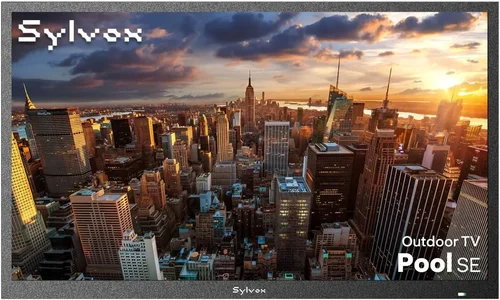
❌ Mistake: Using an Indoor TV Outdoors
Why it’s bad: Indoor TVs are not designed to handle moisture, temperature changes, or UV exposure. Even a brief rain shower can cause internal damage, and prolonged sun exposure can degrade the screen and electronics. Most indoor TVs also lack the brightness needed for outdoor visibility, resulting in a washed-out image.
What to do instead: Always choose a TV specifically rated for outdoor use. If you must use an indoor model, invest in a high-quality outdoor enclosure with proper ventilation, weather sealing, and UV protection. However, this is rarely cost-effective compared to buying a dedicated outdoor TV.
❌ Mistake: Ignoring Sunlight Exposure
Why it’s bad: Placing a TV in direct sunlight without adequate brightness or anti-glare features leads to poor visibility and eye strain. You’ll end up squinting or moving seats constantly, which ruins the viewing experience.
What to do instead: Assess your patio’s sun patterns throughout the day. If the TV will face direct sun, choose a model with at least 1,000 nits of brightness and an anti-reflective screen. Consider installing a retractable awning or shade sail to reduce glare during peak hours.
❌ Mistake: Overlooking Audio Needs
Why it’s bad: Built-in TV speakers are often insufficient for outdoor spaces, where sound dissipates quickly. Guests may struggle to hear dialogue or music, especially with background noise from wind, traffic, or conversation.
What to do instead: Plan your audio setup from the start. Invest in weather-resistant outdoor speakers or a Bluetooth soundbar. Position speakers strategically around the seating area for even coverage. Test the audio during daylight hours to ensure clarity.
❌ Mistake: Choosing the Wrong Size
Why it’s bad: A TV that’s too small forces viewers to lean in or squint, while one that’s too large can dominate the space and cause visual fatigue. Both scenarios detract from comfort and enjoyment.
What to do instead: Measure your viewing distance and use the 1.5x to 2.5x screen size rule. For example, if your seating is 10 feet away, a 50-inch to 65-inch TV is ideal. Also, consider the TV’s aspect ratio and how it fits with your decor.
❌ Mistake: Skimping on Mounting Hardware
Why it’s bad: Using indoor mounts or flimsy brackets outdoors can lead to rust, instability, or even the TV falling. This poses a safety risk and can damage the TV or surrounding area.
What to do instead: Use mounts specifically designed for outdoor use, made from corrosion-resistant materials like stainless steel or powder-coated aluminum. Ensure the mount is rated for your TV’s weight and size, and consider professional installation for peace of mind.
❌ Mistake: Not Checking Wi-Fi Signal Strength
Why it’s bad: Weak Wi-Fi can cause buffering, app crashes, or inability to stream content. This is especially frustrating during a party when everyone wants to watch the same thing.
What to do instead: Test your Wi-Fi signal at the TV’s location before purchasing. Use a Wi-Fi analyzer app to check strength and interference. If needed, install a mesh network extender or use a wired Ethernet connection via a weatherproof cable conduit.
❌ Mistake: Forgetting About Power Supply
Why it’s bad: Outdoor TVs require a reliable power source. Running extension cords across the patio is unsafe and unsightly, while battery-powered models may not last through long events.
What to do instead: Have a licensed electrician install a dedicated outdoor outlet near the TV location. Use GFCI (Ground Fault Circuit Interrupter) outlets for safety. If wiring isn’t feasible, consider solar-powered options or high-capacity portable power stations.
Budget Guidelines: How Much Should You Spend?
- Entry-Level ($600 – $1,200): These are typically indoor TVs paired with basic outdoor enclosures or partial-shade models with lower brightness (500–700 nits). Best for covered patios with minimal sun exposure. Expect limited smart features and shorter warranties. Ideal for occasional use or small gatherings.
- Mid-Range ($1,200 – $2,500): The sweet spot for most homeowners. These TVs offer 700–1,000 nits brightness, IP55 or higher ratings, and reliable smart platforms. Models like the SunBriteTV Veranda series or Samsung’s outdoor-compatible QLEDs fall here. Great for regular summer parties and year-round use in moderate climates.
- Premium ($2,500 – $4,500): Designed for full outdoor exposure, these TVs feature 1,000+ nits brightness, advanced anti-glare tech, and robust build quality. Brands like Seura and SunBriteTV’s Pro series dominate this tier. Ideal for open patios, pool areas, or commercial use. Includes extended warranties and professional support.
- Luxury ($4,500+): Top-tier models with ultra-bright displays (1,500+ nits), commercial-grade durability, and 24/7 operation capability. Often used in hotels, resorts, or high-end homes. May include custom mounting, integrated audio systems, and remote monitoring. Only necessary for extreme environments or professional applications.
Expert Tips for Getting the Best Deal
- Buy During Off-Season: Outdoor TVs are in highest demand during spring and summer. Shop in late fall or winter (October–February) for discounts of 15–30%. Retailers often clear inventory to make room for new models.
- Compare Retailers: Check prices at specialty outdoor electronics stores (like Sylvane or Outdoor TV Direct), big-box retailers (Best Buy, Costco), and online marketplaces (Amazon, B&H). Some offer bundle deals with mounts or speakers.
- Look for Refurbished Models: Certified refurbished outdoor TVs from reputable brands can save you 20–40% off retail. Ensure they come with a warranty and have been tested for outdoor performance.
- Negotiate Installation: Some retailers or local installers offer free or discounted mounting when you purchase the TV. Ask about package deals—especially if you’re buying multiple outdoor electronics.
- Check Return Policies: Outdoor TVs are often non-returnable due to their specialized nature. Confirm the return window (ideally 30 days or more) and whether restocking fees apply.
- Test Before Finalizing: If possible, visit a showroom to see the TV in person. Check brightness, color accuracy, and menu navigation under simulated outdoor lighting.
- Register for Warranty: Always register your product online to activate the full warranty. Keep receipts and installation records in case you need service later.
- Consider Energy Efficiency: Higher brightness means higher power consumption. Look for ENERGY STAR-certified models to reduce long-term electricity costs, especially if the TV runs frequently.

Frequently Asked Questions
Q: Can I use a regular TV outdoors if it’s under a covered patio?
A: It’s possible, but not recommended. Even under cover, humidity, temperature swings, and occasional moisture can damage an indoor TV over time. For reliable performance, choose a partial-shade outdoor model or use a high-quality outdoor enclosure.
Q: How do I clean an outdoor TV screen?
A: Use a microfiber cloth and a mild cleaning solution designed for electronics. Avoid ammonia-based cleaners or abrasive materials. Turn off the TV and let it cool before cleaning. For enclosures, wipe down with a damp cloth and dry thoroughly.
Q: Will an outdoor TV work in winter?
A: Yes, most outdoor TVs are designed to operate in cold temperatures down to -22°F. However, avoid turning the TV on immediately after it’s been exposed to extreme cold—let it acclimate for 30–60 minutes to prevent condensation.
Q: Can I mount an outdoor TV on a brick or concrete wall?
A: Absolutely. Use masonry anchors and a heavy-duty outdoor mount. For best results, hire a professional to ensure secure installation and proper cable routing.
Q: Do outdoor TVs come with remotes?
A: Yes, but consider upgrading to a weather-resistant remote or using a smartphone app for control. Some models support voice commands via Alexa or Google Assistant.
Q: How long do outdoor TVs last?
A: With proper care, most outdoor TVs last 7–10 years. LED models tend to have longer lifespans than OLED. Regular maintenance and avoiding extreme conditions can extend usability.
Q: Can I stream 4K content on an outdoor TV?
A: Yes, many outdoor TVs support 4K resolution and HDR. Ensure your internet speed is at least 25 Mbps for smooth streaming, and use a strong Wi-Fi signal or wired connection.
Q: Are outdoor TVs waterproof?
A: They are water-resistant, not fully waterproof. IP55 or IP65 ratings mean they can handle rain and splashes, but should not be submerged or exposed to high-pressure water jets.
Q: Can I use an outdoor TV indoors?
A: Yes, outdoor TVs work perfectly indoors. Their high brightness may be overkill for a dark living room, but you can adjust settings for optimal viewing.
Q: Do I need a special antenna for outdoor TV?
A: If you’re using over-the-air broadcasts, a standard indoor antenna may not suffice. Consider an outdoor-rated antenna with a signal booster for better reception.
Our Final Recommendations
- Best for Budget-Conscious Buyers: SunBriteTV Veranda Series (55-inch) – Offers excellent value with 700 nits brightness, IP55 rating, and smart features. Perfect for covered patios under $1,500.
- Best Overall Value: Samsung The Terrace (65-inch QLED) – Combines stunning picture quality, 1,500 nits brightness, and robust build. Ideal for mixed indoor/outdoor use around $3,000.
- Best Premium Option: Seura Outdoor TV (75-inch) – Ultra-bright, fully sealed, and designed for extreme conditions. Top choice for open patios and luxury setups over $4,000.
- Best for Beginners: Sylvane All-Weather 50-inch Smart TV – Easy setup, reliable performance, and strong customer support. Great first outdoor TV under $1,800.
- Best for Advanced Users: SunBriteTV Pro Series with Integrated Audio – Commercial-grade durability, 2,000 nits brightness, and built-in speakers. For tech-savvy users who demand the best.
Conclusion: Making the Right Choice
Choosing the right outdoor TV for your patio is about more than just picking the biggest or brightest screen. It’s about understanding your environment, lifestyle, and long-term goals. Whether you’re hosting intimate movie nights or large summer parties, the right TV can transform your outdoor space into a true entertainment hub. By focusing on weather resistance, brightness, size, and smart features—and avoiding common pitfalls—you’ll ensure a satisfying investment that lasts for years.
Remember, the best outdoor TV is the one that fits your specific needs. Don’t overspend on features you won’t use, but don’t cut corners on essentials like durability and visibility. Take the time to assess your patio’s conditions, test your Wi-Fi, and plan your audio setup. And when in doubt, consult with a professional installer or outdoor electronics specialist.
Summer is the perfect time to enjoy your backyard to the fullest. With the right outdoor TV, you’ll be ready for barbecues, game nights, and sunset screenings—all in comfort and style. So go ahead, upgrade your patio, and make every gathering unforgettable. Your future self (and your guests) will thank you.

