
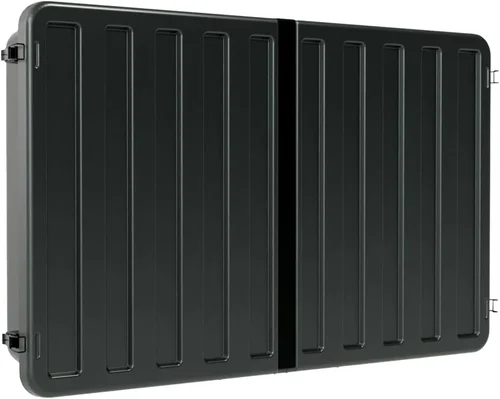
Outdoor living spaces have evolved dramatically over the past decade. What was once a simple patio with a grill has transformed into fully equipped entertainment zones—complete with outdoor kitchens, fire pits, and yes, weatherproof televisions. As homeowners increasingly invest in their outdoor lifestyles, the demand for durable, high-performance TVs that can withstand the elements has surged. But here’s a critical question many buyers overlook: Can you actually use a weatherproof TV in hot climates? The short answer is yes—but not all weatherproof TVs are created equal when it comes to extreme heat. This guide dives deep into what makes a TV truly suitable for scorching environments, from desert summers to tropical humidity, and helps you make an informed decision that balances performance, durability, and value.
Whether you’re planning to install a TV by the pool, on a covered patio, or under a pergola in Arizona, understanding the nuances of heat resistance, cooling systems, and material durability is essential. A standard indoor TV might survive a few hours in the sun, but it won’t last more than a season. Weatherproof TVs, on the other hand, are engineered specifically for outdoor use—but even among them, performance in hot climates varies widely. In this comprehensive guide, you’ll learn how to evaluate key factors like temperature tolerance, build quality, display technology, and smart features. We’ll also compare different types of outdoor TVs, highlight common buying mistakes, provide budget guidelines, and share expert tips to help you get the best deal. By the end, you’ll know exactly what to look for—and what to avoid—when choosing a weatherproof TV for hot weather.
The market for outdoor TVs has expanded significantly, with brands like SunBriteTV, Samsung, LG, and Seura leading the charge. These manufacturers now offer models designed not just to resist rain and dust, but also to operate reliably in temperatures exceeding 100°F (38°C). However, not all “weatherproof” labels mean the same thing. Some TVs are only suitable for shaded or partially covered areas, while others can handle direct sunlight and extreme heat. This guide cuts through the marketing noise and delivers actionable, expert-level advice tailored to real-world conditions. Whether you’re a DIY enthusiast or working with a professional installer, this resource will ensure your outdoor entertainment setup stands the test of time—and temperature.

What to Look for When Buying Buying Guide
1. Temperature Operating Range
One of the most critical factors when choosing a weatherproof TV for hot climates is its operating temperature range. Unlike indoor TVs, which typically operate between 50°F and 95°F (10°C to 35°C), outdoor models must withstand much wider extremes. Look for TVs that specify an operating range of at least -30°F to 120°F (-34°C to 49°C), with some premium models going even higher. For example, SunBriteTV’s Veranda series is rated for up to 122°F (50°C), making it ideal for desert or tropical environments. Always check the manufacturer’s specifications—don’t assume “weatherproof” means heat-resistant. A TV that shuts down at 105°F might seem fine on paper, but in direct sunlight, surface temperatures can easily exceed that threshold.
2. Cooling System Technology
Heat buildup is the silent killer of electronics, and TVs are no exception. In hot climates, passive cooling—like ventilation slots—is often insufficient. Look for weatherproof TVs with active cooling systems, such as internal fans or heat exchangers. These systems circulate air inside the TV’s sealed enclosure, preventing overheating without allowing dust or moisture to enter. For instance, the SunBriteTV Pro Series features a dual-fan cooling system that maintains optimal internal temperatures even in direct sunlight. Some models also include thermal sensors that adjust fan speed based on real-time temperature readings. Avoid TVs that rely solely on passive cooling if you live in a region with prolonged high temperatures.
3. Display Brightness and Anti-Glare Technology
In outdoor settings, especially under direct sunlight, screen visibility is a major challenge. A dim display will be washed out and nearly impossible to see during the day. For hot climates—where sunlight is often intense—look for TVs with high brightness levels, measured in nits. Aim for at least 700 nits, but 1,000 nits or more is ideal for full sun exposure. Additionally, anti-glare or anti-reflective coatings are essential. These coatings reduce reflections from the sun, improving contrast and color accuracy. Samsung’s The Terrace, for example, boasts 2,000 nits of brightness and a matte finish that minimizes glare. Without these features, even the most durable TV will fail in practical use.
4. Build Quality and IP Rating
Weatherproof TVs must resist not only heat but also dust, humidity, and occasional rain. The Ingress Protection (IP) rating tells you how well a TV is sealed against these elements. For outdoor use, an IP55 or higher rating is recommended. IP55 means the TV is protected against dust (limited ingress) and low-pressure water jets from any direction. Higher ratings like IP65 offer complete dust protection and resistance to water jets. However, IP rating alone doesn’t guarantee heat resistance. Look for TVs with powder-coated aluminum chassis, which resist corrosion and dissipate heat better than plastic. Also, check for sealed ports and connectors to prevent moisture damage over time.
5. Smart Features and Connectivity
Modern outdoor TVs aren’t just about durability—they’re also expected to deliver a full smart TV experience. Look for models with built-in Wi-Fi, Bluetooth, and popular streaming platforms like Netflix, YouTube, and Disney+. Voice control via Alexa or Google Assistant is a plus, especially when you’re lounging by the pool. HDMI ports, USB inputs, and optical audio outputs ensure compatibility with soundbars, gaming consoles, and streaming devices. Some premium models, like the Seura Outdoor TV, include built-in streaming sticks or support for Apple AirPlay and Chromecast. However, be cautious: not all smart features are optimized for outdoor use. Test connectivity in your intended location, as Wi-Fi signals can weaken under metal roofs or thick walls.
6. Size and Viewing Distance
Choosing the right screen size depends on your viewing distance and seating arrangement. For outdoor spaces, larger screens (55 inches and up) are often preferred due to ambient light and distance. A general rule is to sit at a distance of 1.5 to 2.5 times the screen’s diagonal size. For example, a 65-inch TV is best viewed from 8 to 13 feet away. However, in hot climates, larger screens generate more heat and require more robust cooling. Ensure your chosen model can handle the thermal load of a bigger display. Also, consider the TV’s weight and mounting requirements—larger units may need reinforced brackets or professional installation.
7. Brand Reputation and Customer Support
Not all outdoor TV brands are equal. Established names like SunBriteTV, Samsung, and Seura have years of experience designing for harsh environments. They offer better engineering, longer warranties, and more reliable customer support. Cheaper, lesser-known brands may cut corners on materials or cooling systems, leading to premature failure. Research user reviews and look for brands with dedicated outdoor TV divisions. Also, check if the company provides local service centers or on-site support. A strong warranty—typically 2–3 years for outdoor models—is a sign of confidence in the product’s durability.
8. Warranty and Return Policy
A weatherproof TV is a significant investment, so protect it with a solid warranty. Most reputable brands offer 2-year warranties, with some extending to 3 years for commercial use. Look for coverage that includes both parts and labor, and check if it applies to outdoor installations. Some warranties are voided if the TV is installed in direct sunlight or without proper ventilation—so read the fine print. Additionally, choose retailers with flexible return policies (30 days or more) in case the TV doesn’t perform as expected. Avoid buying from third-party sellers on marketplaces unless they’re authorized dealers.
Different Types of Buying Guide
Common Buying Mistakes to Avoid
❌ Mistake: Assuming All Weatherproof TVs Handle Heat Equally
Why it’s bad: Many buyers assume that if a TV is labeled “weatherproof,” it can handle extreme heat. However, some models are only designed for light rain and mild temperatures. Using such a TV in a hot climate can lead to overheating, screen burn-in, or complete failure within months.
What to do instead: Always check the operating temperature range and cooling system. Choose a model specifically rated for high-heat environments, with active cooling and a high upper temperature limit.
❌ Mistake: Installing in Direct Sunlight Without Proper Shade
Why it’s bad: Even the best outdoor TVs can struggle in direct, unfiltered sunlight. Prolonged exposure increases surface temperature, reduces lifespan, and can cause image distortion or shutdowns.
What to do instead: Install the TV under a covered area, pergola, or awning. Use UV-resistant outdoor curtains or retractable shades to block midday sun. If full shade isn’t possible, opt for a full-sun model with maximum brightness and cooling.
❌ Mistake: Overlooking Ventilation Requirements
Why it’s bad: Some buyers mount TVs in enclosed cabinets or tight spaces, trapping heat and preventing airflow. This can cause internal components to overheat, even if the TV has a cooling system.
What to do instead: Ensure at least 4–6 inches of clearance around the TV for airflow. Use ventilated mounts or outdoor TV enclosures designed for heat dissipation. Avoid sealing the TV in a box unless it’s specifically rated for enclosed installation.
❌ Mistake: Choosing Based on Indoor TV Features Alone
Why it’s bad: Buyers often prioritize features like 4K resolution or HDR without considering outdoor usability. A stunning picture means little if the screen is unreadable in daylight.
What to do instead: Prioritize brightness (nits), anti-glare coating, and heat resistance over minor feature upgrades. A 1080p outdoor TV with 1,500 nits will outperform a 4K model with 500 nits in bright conditions.
❌ Mistake: Ignoring Power and Connectivity Needs
Why it’s bad: Outdoor installations often lack nearby power outlets or strong Wi-Fi signals. Running cables through walls or under decks can be costly and complex.
What to do instead: Plan your installation early. Use weatherproof conduits for power and Ethernet cables. Consider a mesh Wi-Fi system to boost signal strength. Some TVs support wired Ethernet for more reliable streaming.
❌ Mistake: Buying from Unauthorized Sellers
Why it’s bad: Third-party sellers on online marketplaces may offer lower prices, but they often sell refurbished, damaged, or counterfeit units. Warranties may be voided, and support is limited.
What to do instead: Purchase from authorized dealers or the manufacturer’s website. Verify the seller’s credentials and check for warranty registration options.
Budget Guidelines: How Much Should You Spend?
- Entry-Level ($1,200 – $2,000): These TVs are ideal for covered patios or screened-in porches. They offer basic weather resistance, moderate brightness (500–700 nits), and passive cooling. Brands like Seura and some Samsung models fall into this range. Expect limited smart features and shorter warranties (1–2 years). Best for occasional use in mild heat.
- Mid-Range ($2,000 – $3,500): This is the sweet spot for most homeowners. These TVs feature active cooling, higher brightness (800–1,200 nits), and better build quality. Models like the SunBriteTV Veranda series offer excellent value with strong heat resistance and reliable performance. Ideal for hot climates with partial shade.
- Premium ($3,500 – $5,500): Designed for full-sun exposure and extreme temperatures, these TVs include advanced cooling, 1,500+ nits brightness, and commercial-grade materials. The Samsung The Terrace and SunBriteTV Pro Series are top contenders. They support 4K HDR, robust smart platforms, and come with 2–3 year warranties. Perfect for poolside or open-air installations.
- Luxury ($5,500+): These are commercial-grade units built for 24/7 operation in harsh environments. They feature dual-fan cooling, heated enclosures (for cold climates), and IP65+ ratings. Used in resorts, stadiums, and high-end homes. Expect top-tier performance, but at a significant cost. Only necessary for extreme conditions or professional use.

Expert Tips for Getting the Best Deal
- Buy During Off-Season: Outdoor TVs are in highest demand during spring and summer. Shop in late fall or winter (October–February) for discounts of 15–25%. Many retailers clear inventory before the new season.
- Look for Bundled Deals: Some manufacturers offer packages that include mounts, cables, or soundbars. These can save $200–$500 compared to buying separately.
- Check for Rebates and Incentives: Utility companies in hot states (like Arizona or Texas) sometimes offer rebates for energy-efficient outdoor electronics. Also, look for manufacturer rebates during holiday sales.
- Compare Installation Costs: Professional installation can add $300–$800. Get quotes from certified technicians and factor this into your budget. Some retailers offer free installation with purchase.
- Test Before Committing: If possible, visit a showroom or dealer to see the TV in person. Check brightness, color accuracy, and menu navigation in simulated outdoor lighting.
- Read the Warranty Fine Print: Ensure the warranty covers outdoor use, heat damage, and includes on-site service. Avoid models with “limited” or “prorated” warranties.
- Consider Refurbished Models: Authorized refurbished units from brands like SunBriteTV often come with full warranties and can save 20–30%. Just verify the condition and return policy.
- Use Price Tracking Tools: Set alerts on sites like CamelCamelCamel (for Amazon) or Honey to monitor price drops. Outdoor TVs rarely go on sale, but tracking helps you spot rare deals.

Frequently Asked Questions
Q: Can I use a regular TV outdoors if I cover it?
A: No. Regular TVs are not designed for outdoor conditions. Even with a cover, they lack proper sealing, cooling, and UV protection. Moisture, dust, and heat will damage internal components over time. Always use a certified weatherproof TV.
Q: How long do weatherproof TVs last in hot climates?
A: With proper installation and maintenance, a quality outdoor TV can last 7–10 years in hot climates. Models with active cooling and high-grade materials tend to outlast those with passive systems. Avoid direct sunlight when possible to extend lifespan.
Q: Do outdoor TVs need special mounts?
A: Yes. Standard TV mounts are not rated for outdoor use. Look for weatherproof, rust-resistant mounts with tilt and swivel options. Ensure the mount is compatible with your TV’s VESA pattern and weight.
Q: Can I leave my outdoor TV on all day in the heat?
A: Most modern outdoor TVs are designed for extended use, but continuous operation in extreme heat can shorten lifespan. Use a timer or smart plug to turn it off during peak afternoon hours. Ensure proper ventilation and cooling.
Q: Are outdoor TVs energy efficient?
A: Yes, many outdoor TVs use LED backlighting and energy-saving modes. Look for ENERGY STAR certification. Brightness settings can be adjusted to reduce power consumption without sacrificing visibility.
Q: What’s the difference between IP55 and IP65?
A: IP55 protects against dust (limited ingress) and low-pressure water jets. IP65 offers complete dust protection and resistance to water jets. For most residential use, IP55 is sufficient, but IP65 is better for areas with heavy rain or spray.
Q: Can I connect a soundbar to an outdoor TV?
A: Yes, most outdoor TVs have optical audio, HDMI ARC, or Bluetooth for soundbars. Choose a weatherproof or outdoor-rated soundbar for best results. Avoid placing the soundbar in direct sunlight.
Q: Do outdoor TVs support 4K and HDR?
A: Yes, many premium models offer 4K resolution and HDR10/Dolby Vision. However, brightness and anti-glare are more important than resolution for outdoor viewing. A bright 1080p screen often looks better than a dim 4K one in sunlight.
Q: What happens if my outdoor TV overheats?
A: Most models have thermal protection that shuts them down automatically to prevent damage. Once cooled, they restart. If overheating occurs frequently, check ventilation, shading, and the cooling system.
Our Final Recommendations
- Best for Budget-Conscious Buyers: Seura 55″ Outdoor TV – At around $1,800, it offers solid build quality, 700 nits brightness, and IP54 rating. Great for covered patios in warm climates.
- Best Overall Value: SunBriteTV Veranda 65″ – Priced at $2,800, it features active cooling, 1,000 nits brightness, and a 2-year warranty. Ideal for hot, partially shaded areas.
- Best Premium Option: Samsung The Terrace 75″ – With 2,000 nits, IP55 rating, and full smart features, this $4,500 model excels in full sun and extreme heat.
- Best for Beginners: SunBriteTV 55″ Partial-Shade Model – Easy to install, reliable, and well-supported. Perfect for first-time outdoor TV buyers.
- Best for Advanced Users: SunBriteTV Pro Series 86″ – Commercial-grade with dual-fan cooling, 1,500 nits, and 24/7 operation capability. Built for demanding environments.
Conclusion: Making the Right Choice
Choosing a weatherproof TV for a hot climate isn’t just about finding something that survives the heat—it’s about finding a TV that thrives in it. From temperature tolerance and cooling systems to brightness and build quality, every detail matters when the mercury climbs. This guide has walked you through the essential factors, compared different types, highlighted common pitfalls, and provided actionable tips to help you make a smart, long-term investment.
Remember, the best TV for your outdoor space is the one that matches your specific environment, usage, and budget. Don’t sacrifice durability for flashy features, and always prioritize heat resistance in hot climates. With the right model, you can enjoy movie nights by the pool, game days on the patio, and sunset streaming sessions for years to come.
Take your time, do your research, and consult with experts if needed. Your outdoor oasis deserves a TV that’s built to last—not just survive. Now that you’re equipped with expert knowledge, you’re ready to make a confident, informed decision. Happy viewing!

