
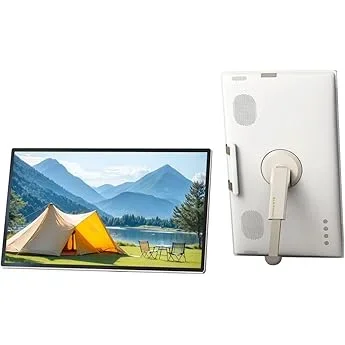
Outdoor entertainment has evolved dramatically over the past decade, and nowhere is this more evident than in the growing popularity of outdoor TVs. Whether you’re hosting a backyard Super Bowl party, enjoying a summer evening watching a live soccer match under the stars, or simply relaxing on your patio with a baseball game, having a reliable, high-performing outdoor television can transform your outdoor living space into a true entertainment hub. But not all TVs are created equal—especially when it comes to withstanding the elements and delivering a crisp, vibrant picture in bright daylight or under harsh weather conditions.
This comprehensive buying guide is designed to help you navigate the often-confusing world of outdoor TVs, with a specific focus on using them for watching outdoor sports. From football and baseball to golf, tennis, and international events like the World Cup or Olympics, outdoor sports viewing demands a unique set of features: exceptional brightness, weather resistance, wide viewing angles, and reliable connectivity. Whether you’re a casual fan or a die-hard sports enthusiast, choosing the right outdoor TV can make all the difference in your viewing experience. In this guide, you’ll learn what to look for, how to avoid common pitfalls, and which models offer the best value for your needs.
The outdoor TV market has expanded significantly, with manufacturers now offering specialized models built from the ground up for outdoor use. Unlike simply mounting a standard indoor TV outside (a risky and often disappointing approach), true outdoor TVs are engineered to handle temperature fluctuations, humidity, rain, dust, and direct sunlight. As we move into 2026, advancements in display technology, smart features, and durability have made outdoor TVs more accessible and capable than ever. This guide will walk you through every critical factor—from screen brightness and weatherproofing to smart functionality and installation—so you can make an informed decision and enjoy your favorite sports in stunning clarity, no matter the weather.

What to Look for When Buying Buying Guide
1. Brightness & Display Performance
When it comes to outdoor TVs, brightness isn’t just a nice-to-have—it’s essential. Unlike indoor TVs, which are typically viewed in dimly lit rooms, outdoor screens must compete with natural sunlight, glare, and ambient light. For sports viewing, where fast motion and vibrant colors are key, a high-brightness display ensures you won’t miss a single play due to washed-out visuals.
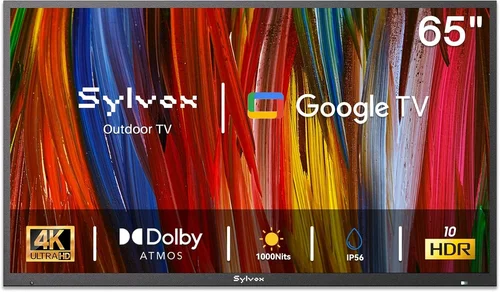
Look for outdoor TVs with a minimum brightness of 700 nits, but ideally 1,000 nits or higher. Some premium models now offer up to 2,500 nits, which is especially useful for south-facing patios or decks with minimal shade. This level of brightness helps maintain image clarity even during midday games. Additionally, consider displays with anti-reflective coatings or optically bonded screens, which reduce glare and improve visibility in direct sunlight.
Resolution is another critical factor. While 4K UHD is now the standard for most outdoor TVs, ensure the model supports HDR (High Dynamic Range) for richer colors and better contrast. Sports broadcasts, especially those in 4K HDR, benefit greatly from this technology, offering more lifelike player uniforms, field textures, and stadium lighting. OLED panels offer superior contrast and viewing angles but are less common in outdoor models due to cost and durability concerns. Instead, most outdoor TVs use high-quality LED or QLED panels optimized for outdoor performance.
2. Weather Resistance & Durability
One of the most important distinctions between indoor and outdoor TVs is their ability to withstand the elements. Standard TVs are not built to handle moisture, temperature swings, or dust—all of which are common in outdoor environments. An outdoor TV must be fully weatherproof, with an IP (Ingress Protection) rating that guarantees resistance to water and dust.
Look for models with an IP55 or higher rating. IP55 means the TV is protected against low-pressure water jets from any direction and limited dust ingress—sufficient for most covered patios. For more exposed areas, consider IP65 or IP66 ratings, which offer full dust protection and resistance to powerful water jets. These ratings ensure your TV can survive rain, snow, and even accidental splashes from a nearby pool or sprinkler system.
Durability also extends to the internal components. Outdoor TVs should feature sealed enclosures, corrosion-resistant materials, and temperature-regulated internal systems to prevent overheating in summer or freezing in winter. Some models include built-in heaters or cooling fans to maintain optimal operating temperatures. For example, the SunBriteTV Veranda series includes a thermal management system that keeps the internal temperature stable, even in extreme climates.
3. Screen Size & Viewing Distance
Choosing the right screen size is crucial for an immersive sports-watching experience. Too small, and you’ll miss the action; too large, and the image may appear pixelated or overwhelming. The ideal size depends on your seating distance and the layout of your outdoor space.
A general rule of thumb is to sit at a distance of 1.5 to 2.5 times the diagonal screen size. For example, a 65-inch TV should be viewed from 8 to 13 feet away. If your patio or deck allows for closer seating, a 55-inch model may suffice. For larger gatherings or open yards, consider 75-inch or even 85-inch screens to ensure everyone has a clear view.
Keep in mind that larger screens require more power and may need additional support during installation. Wall mounts and outdoor enclosures must be rated for the TV’s weight and size. Also, consider the viewing angle—sports fans often gather in groups, so a TV with wide viewing angles (178 degrees or more) ensures consistent picture quality from the sides.
4. Smart Features & Connectivity
Modern outdoor TVs are no longer just passive displays—they’re smart entertainment centers. For sports fans, smart features are invaluable. Built-in Wi-Fi, streaming apps like YouTube TV, Hulu + Live TV, ESPN+, and Sling TV, and voice control via Alexa or Google Assistant allow you to access live games, highlights, and replays with ease.
Look for models running on robust platforms like Android TV, webOS, or Roku TV, which offer regular updates, a wide app selection, and smooth performance. Some outdoor TVs also support screen mirroring via Chromecast or AirPlay, so you can stream content from your phone or tablet directly to the screen.
Connectivity is equally important. Ensure the TV has multiple HDMI ports (at least three), USB ports for external devices, and an Ethernet port for a stable wired connection. For live sports, a strong and reliable internet connection is essential to avoid buffering during critical moments. If your outdoor area has weak Wi-Fi, consider a mesh network extender or a dedicated outdoor access point.
5. Audio Quality & Sound Solutions
While picture quality often takes center stage, audio is just as important for an engaging sports experience. The roar of the crowd, the commentator’s analysis, and the crack of a bat or kick of a ball all contribute to the atmosphere. Unfortunately, most outdoor TVs have limited built-in speakers due to space and weatherproofing constraints.
Many outdoor TVs come with basic stereo speakers, but they often lack the power and clarity needed for outdoor environments where sound can dissipate quickly. For a better experience, consider pairing your TV with external weatherproof speakers or a soundbar designed for outdoor use.
Some models, like the Samsung Terrace, include enhanced audio features such as Dolby Atmos support and built-in subwoofers. Alternatively, wireless outdoor speaker systems from brands like Bose, Sonos, or Polk Audio can be mounted around your patio for immersive surround sound. Bluetooth connectivity allows for easy pairing, and some systems even support multi-room audio so you can extend the experience to other areas of your home.
6. Installation & Mounting Options
Proper installation is critical for both performance and safety. Outdoor TVs must be securely mounted to withstand wind, vibrations, and accidental bumps. Unlike indoor TVs, outdoor models often require specialized mounting hardware and enclosures.
Most outdoor TVs are compatible with standard VESA mounting patterns, but you’ll need a weatherproof outdoor mount rated for your TV’s size and weight. Full-motion mounts allow you to adjust the angle for optimal viewing, while fixed mounts offer a sleek, low-profile look. For patios with limited space, consider a ceiling-mounted or articulating arm mount that swings out when needed.
Cable management is another consideration. All connections should be routed through waterproof conduits or sealed cable channels to prevent moisture damage. Some outdoor TVs come with built-in cable management systems, while others require aftermarket solutions.
Professional installation is recommended, especially for larger screens or complex setups. A certified installer can ensure the TV is level, securely anchored, and properly grounded to prevent electrical hazards.
7. Brand Reputation & Reliability
Not all outdoor TV brands are created equal. Some manufacturers specialize exclusively in outdoor displays, while others offer outdoor versions of their indoor models. When it comes to reliability and long-term performance, brand reputation matters.
Leading brands in the outdoor TV space include SunBriteTV, Samsung (with its Terrace and Outdoor Series), LG (with its OLED and NanoCell outdoor models), and Seura. These companies have a proven track record of designing TVs specifically for outdoor use, with rigorous testing for durability, brightness, and weather resistance.
SunBriteTV, for example, is often considered the gold standard for outdoor displays, with models tested in extreme conditions from desert heat to coastal humidity. Samsung’s Terrace series combines smart features with robust build quality, making it a favorite among tech-savvy users. LG offers excellent color accuracy and viewing angles, ideal for sports with vibrant visuals like football or soccer.
When evaluating brands, look for customer reviews, third-party testing results, and industry awards. Avoid lesser-known brands that lack transparency about their weatherproofing standards or use vague terms like “weather-resistant” without an IP rating.
8. Warranty & Customer Support
Outdoor TVs are a significant investment, often costing two to three times more than comparable indoor models. Because they’re exposed to harsh conditions, having a strong warranty and reliable customer support is essential.
Most reputable outdoor TV brands offer warranties ranging from two to five years, covering defects, performance issues, and sometimes even accidental damage. SunBriteTV, for instance, provides a 3-year limited warranty with optional extended coverage. Samsung and LG typically offer 1-2 years, but their support networks are extensive.
Before purchasing, review the warranty terms carefully. Check what’s covered (e.g., screen burn-in, water damage, power failures) and what’s excluded (e.g., physical damage from improper installation). Also, consider the availability of local service centers or authorized repair technicians.
Customer support should be accessible via phone, email, or live chat, with knowledgeable representatives who understand outdoor-specific issues. Some brands offer installation support or remote diagnostics to help troubleshoot problems quickly.
Different Types of Buying Guide

Common Buying Mistakes to Avoid
❌ Mistake: Using an Indoor TV Outdoors
Why it’s bad: Indoor TVs are not designed to handle moisture, temperature changes, or UV exposure. Even in a covered area, humidity and condensation can damage internal components, leading to premature failure. Additionally, indoor screens are too dim for daylight viewing, resulting in a washed-out, unwatchable image.
What to do instead: Invest in a purpose-built outdoor TV or use an indoor TV inside a certified outdoor enclosure. While enclosures add cost, they provide essential protection and are far safer than exposing a standard TV to the elements.
❌ Mistake: Ignoring Brightness Requirements
Why it’s bad: A dim screen makes it impossible to see fast-moving action during daytime sports. Even on cloudy days, ambient light can reduce visibility, especially for games played in open fields or stadiums.
What to do instead: Choose a TV with at least 1,000 nits of brightness. For south-facing or high-glare areas, aim for 1,500 nits or higher. Check reviews and specs to confirm real-world brightness performance.
❌ Mistake: Overlooking Audio Needs
Why it’s bad: Built-in speakers on outdoor TVs are often weak and lack bass, making it hard to hear commentary or crowd noise—especially with background wind or traffic.
What to do instead: Plan for external audio from the start. Invest in weatherproof speakers or a soundbar, and ensure your TV has the necessary audio outputs (optical, HDMI ARC, or Bluetooth).
❌ Mistake: Skimping on Installation
Why it’s bad: Improper mounting can lead to instability, screen tilt, or even collapse in high winds. DIY installations without proper tools or knowledge increase the risk of damage or injury.
What to do instead: Hire a professional installer experienced with outdoor AV setups. They can ensure secure mounting, proper cable routing, and compliance with local building codes.
❌ Mistake: Not Checking Warranty Coverage
Why it’s bad: Outdoor TVs are expensive, and repairs can be costly. A limited or unclear warranty may leave you paying out of pocket for issues that should be covered.
What to do instead: Read the warranty terms carefully. Look for coverage of weather-related damage, screen defects, and labor costs. Consider extended warranties for added peace of mind.
❌ Mistake: Buying Based on Price Alone
Why it’s bad: The cheapest option may lack essential features like brightness, weatherproofing, or smart capabilities, leading to disappointment and the need for an early replacement.
What to do instead: Balance budget with performance. Mid-range models often offer the best value, combining durability, brightness, and features at a reasonable price.
❌ Mistake: Forgetting About Internet Connectivity
Why it’s bad: Streaming live sports requires a strong, stable internet connection. Weak Wi-Fi can cause buffering, lag, or dropped signals during critical moments.
What to do instead: Test your outdoor Wi-Fi signal before buying. Use a mesh extender or outdoor access point to boost coverage. Consider a wired Ethernet connection if possible.
Budget Guidelines: How Much Should You Spend?
Entry-Level ($800 – $1,500): This tier includes portable outdoor TVs or indoor TVs in basic enclosures. They’re suitable for small, covered spaces with limited sun exposure. Expect lower brightness (500-700 nits), basic smart features, and shorter warranties. Ideal for casual viewers or temporary setups.
Mid-Range ($1,500 – $3,000): The sweet spot for most homeowners. These TVs offer 1,000+ nits brightness, IP55+ weather resistance, 4K HDR, and robust smart platforms. Models like the SunBriteTV Veranda or Samsung Terrace fall here. Great for regular sports viewing in covered patios.
Premium ($3,000 – $5,000): Designed for full outdoor exposure and large gatherings. Features include 1,500-2,500 nits brightness, advanced thermal management, Dolby Vision, and premium audio. Ideal for open decks, pool areas, or homes in extreme climates.
Luxury ($5,000+): Top-tier models with commercial-grade durability, ultra-bright displays, and custom installation options. Often used in luxury homes, resorts, or public venues. Built for 24/7 operation and maximum reliability.
Expert Tips for Getting the Best Deal
1. Shop During Off-Season: Outdoor TVs are in highest demand during spring and summer. Buy in late fall or winter (October–February) for better deals and discounts.
2. Compare Retailers: Check prices at specialty AV stores, big-box retailers (Best Buy, Costco), and online marketplaces (Amazon, Crutchfield). Some offer price matching or bundle deals.
3. Look for Bundles: Many brands offer packages that include the TV, mount, and cables at a reduced price. These can save you 10–20% compared to buying separately.
4. Read Real User Reviews: Focus on reviews from buyers who use the TV outdoors for sports. Look for comments on brightness, weather performance, and reliability.
5. Test Before You Buy: If possible, visit a showroom to see the TV in person. Check brightness, color accuracy, and smart interface responsiveness.
6. Negotiate Installation: Some retailers offer free or discounted installation with purchase. Ask about promotions or package deals.
7. Consider Refurbished Models: Certified refurbished outdoor TVs from reputable brands can offer significant savings with full warranties.
8. Check Return Policies: Ensure the retailer allows returns within 30 days, especially if you’re unsure about fit or performance.

Frequently Asked Questions
Q: Can I use a regular TV outside if it’s under a roof?
A: While a covered area reduces exposure, humidity, temperature swings, and dust can still damage an indoor TV over time. For reliable, long-term use, an outdoor-rated TV or enclosure is strongly recommended.
Q: How do I protect my outdoor TV from theft?
A: Use a lockable mount, install the TV in a visible but secure location, and consider a security camera. Some mounts include built-in locks or tamper-resistant hardware.
Q: Will an outdoor TV work in winter?
A: Yes, most outdoor TVs are designed to operate in temperatures from -22°F to 122°F. Models with built-in heaters can prevent screen fogging in cold weather.
Q: Can I watch live sports in 4K on an outdoor TV?
A: Yes, if your TV supports 4K HDR and you have a compatible streaming service (like YouTube TV or FuboTV) with a strong internet connection. Check your provider’s 4K sports offerings.
Q: Do outdoor TVs use more electricity?
A: They can, especially high-brightness models. Look for ENERGY STAR-rated models or those with eco modes to reduce power consumption.
Q: How long do outdoor TVs last?
A: With proper care, most outdoor TVs last 7–10 years. Regular cleaning and avoiding extreme temperature exposure can extend lifespan.
Q: Can I mount an outdoor TV on a brick wall?
A: Yes, but you’ll need a masonry mount and possibly a professional installer to drill safely and securely.
Q: Are outdoor TVs compatible with streaming devices?
A: Most have built-in smart platforms, but you can also connect external devices like Roku, Apple TV, or Fire Stick via HDMI.
Q: What’s the difference between IP55 and IP65?
A: IP55 protects against low-pressure water jets and limited dust. IP65 offers full dust protection and resistance to powerful water jets—better for exposed areas.
Q: Can I use an outdoor TV indoors?
A: Yes, but it’s overkill and more expensive than needed. Outdoor TVs are optimized for harsh conditions, not indoor aesthetics.
Our Final Recommendations
Best for Budget-Conscious Buyers: SunBriteTV Veranda Series (55-inch) – Offers excellent brightness (1,000 nits), IP55 rating, and 4K HDR at a mid-range price. Ideal for covered patios.
Best Overall Value: Samsung Terrace (65-inch) – Combines smart features, 1,500 nits brightness, and sleek design. Great for sports fans who want premium performance without luxury pricing.
Best Premium Option: SunBriteTV Pro Series (75-inch) – Built for extreme conditions with 2,500 nits brightness, IP66 rating, and commercial-grade durability. Perfect for open decks or coastal homes.
Best for Beginners: LG Outdoor OLED (55-inch) – Easy setup, intuitive webOS interface, and stunning picture quality. Great for first-time outdoor TV buyers.
Best for Advanced Users: Seura Outdoor TV with Integrated Sound – Features built-in weatherproof speakers, 4K HDR, and customizable mounting. Ideal for tech-savvy users who want an all-in-one solution.
Conclusion: Making the Right Choice
Choosing the right outdoor TV for sports watching is about more than just screen size or price—it’s about creating a reliable, immersive entertainment experience that stands up to the elements. From brightness and weather resistance to smart features and audio quality, every detail matters when you’re trying to catch every play under the sun.
As you evaluate your options, prioritize your specific needs: How exposed is your space? How many people will be watching? What’s your budget? By answering these questions and using the guidance in this guide, you’ll be well-equipped to select an outdoor TV that delivers stunning visuals, lasting durability, and years of enjoyment.
Remember, an outdoor TV is an investment in your lifestyle. Whether you’re cheering on your favorite team or hosting the ultimate game-day party, the right TV will make every moment count. Take your time, do your research, and don’t hesitate to consult with professionals. With the right setup, your backyard can become the best seat in the house.

