
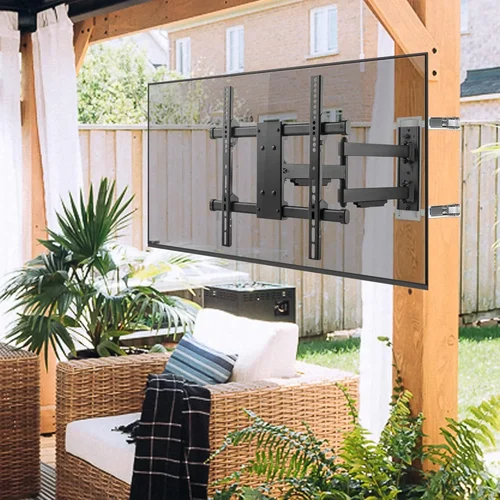
Outdoor living spaces have evolved dramatically over the past decade. What was once a simple backyard retreat with a grill and a few chairs has transformed into fully equipped entertainment zones—complete with outdoor kitchens, fire pits, sound systems, and yes, even televisions. Among the most popular structures for these modern outdoor setups is the pergola. These open-air frameworks offer partial shade, architectural charm, and a perfect foundation for mounting an outdoor TV. But here’s the big question: Can you really use an outdoor TV for a pergola? The short answer is yes—but only if you choose wisely.
This comprehensive buying guide is designed to help you navigate the often-confusing world of outdoor televisions, especially when it comes to installing one under a pergola. Whether you’re building a new outdoor lounge or upgrading your existing space, selecting the right TV involves more than just picking a screen size and brand. You need to consider weather resistance, brightness, mounting options, connectivity, and long-term durability. Many homeowners mistakenly assume that any TV labeled “outdoor” will work in all conditions—but that’s not true. Pergolas, while offering some protection, still expose your TV to sunlight, humidity, temperature swings, and occasional rain. Without the right equipment and planning, you could end up with a foggy screen, faded colors, or worse—a completely fried display.
In this guide, we’ll walk you through every critical factor to consider when choosing an outdoor TV for your pergola. From understanding IP ratings and brightness levels to comparing all-weather models versus indoor TVs with enclosures, we’ll break down the technical details in plain language. You’ll learn how to avoid common pitfalls, how much to budget, and which features truly matter for outdoor viewing. By the end, you’ll have the confidence to make a smart, informed decision that ensures your outdoor TV delivers stunning picture quality season after season—no matter what Mother Nature throws at it.
—

What to Look for When Buying Buying Guide
1. Weather Resistance & IP Rating
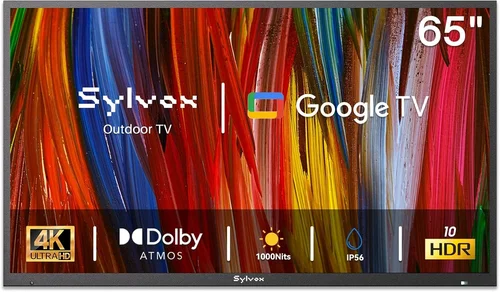
When it comes to outdoor TVs, weather resistance isn’t just a nice-to-have—it’s essential. Unlike indoor TVs, outdoor models are built to withstand the elements, but not all are created equal. The key metric to look for is the Ingress Protection (IP) rating, which indicates how well a device resists dust and water. For pergola installations, where your TV may be partially exposed to rain, humidity, and morning dew, you’ll want a minimum IP55 rating. This means the TV is protected against dust ingress (limited) and water jets from any direction.
However, if your pergola is more open-sided or located in a region with heavy rainfall or high humidity, consider stepping up to IP65 or even IP66. These ratings offer full dust protection and resistance to powerful water jets—ideal for areas where rain might blow sideways during storms. Some premium outdoor TVs even come with sealed internal components, anti-corrosion coatings, and UV-resistant casings to prevent yellowing or cracking over time.
It’s also important to note that “weather-resistant” doesn’t mean “weatherproof.” Even the best outdoor TVs should be installed under some form of cover—like a pergola with a solid roof or retractable awning—to maximize lifespan. Never mount an outdoor TV in direct, unprotected exposure to the elements, regardless of its IP rating.
2. Screen Brightness & Anti-Glare Technology
One of the biggest challenges of outdoor TV viewing is ambient light. Sunlight reflecting off the screen can wash out colors, reduce contrast, and make it nearly impossible to see details—even on a cloudy day. That’s why brightness, measured in nits, is arguably the most important specification for an outdoor TV.
For pergola use, where the TV is partially shaded but still exposed to indirect sunlight, you’ll need a display with at least 700 nits of brightness. However, for optimal visibility—especially during daytime viewing—aim for 1,000 nits or higher. Premium outdoor TVs often feature brightness levels between 1,500 and 2,500 nits, rivaling commercial-grade displays used in sports bars and stadiums.
But brightness alone isn’t enough. You also need anti-glare technology. Look for TVs with matte or anti-reflective coatings that diffuse light rather than reflecting it. Some models use advanced optical filters or polarized layers to minimize glare without sacrificing color accuracy. Additionally, consider the screen’s viewing angle. Wide-angle panels (like those using IPS or VA technology) ensure that colors remain consistent even when viewed from the side—perfect for group gatherings under a pergola.
3. Build Quality & Durability
Outdoor TVs are subjected to more stress than their indoor counterparts. Temperature fluctuations, humidity, dust, and even pests can affect performance over time. That’s why build quality matters—not just for longevity, but for safety and reliability.
Start by examining the materials used in the TV’s chassis. High-quality outdoor models typically feature aluminum or powder-coated steel frames that resist rust and corrosion. Avoid plastic-heavy designs, as they can warp or become brittle under extreme heat or cold. The screen itself should be made of tempered glass or reinforced acrylic to prevent shattering from accidental impacts or thermal expansion.
Internal components are equally important. Look for TVs with sealed circuit boards, conformal coatings on electronics, and thermal management systems like heat sinks or passive cooling. These features help prevent overheating in summer and condensation buildup in winter. Some manufacturers even include built-in heaters for cold climates, ensuring the TV starts reliably even after a freeze.
Durability also extends to the remote control and input ports. Outdoor remotes should be weather-resistant or come with protective sleeves. HDMI, USB, and power ports should be covered with rubber gaskets or flip-up caps to keep moisture out.
4. Size & Viewing Distance
Choosing the right screen size for your pergola depends on two main factors: viewing distance and seating arrangement. A TV that’s too small will be hard to see from a distance, while one that’s too large can overwhelm the space and strain your eyes.
As a general rule, the optimal viewing distance is 1.5 to 2.5 times the diagonal screen size. For example, a 55-inch TV should be viewed from 6.5 to 11 feet away. If your pergola seats are closer than 6 feet, consider a 43- or 50-inch model. For larger setups with seating 10–15 feet away, a 65- or 75-inch screen may be ideal.
But don’t forget about mounting height. The center of the screen should be at or slightly below eye level when seated—typically around 42 to 48 inches from the ground. This ensures comfortable viewing without neck strain. Also, consider the TV’s bezel size. Thinner bezels provide a more immersive experience and look more modern in outdoor settings.
5. Connectivity & Smart Features
Modern outdoor TVs aren’t just about picture quality—they’re also entertainment hubs. Connectivity options determine how easily you can stream content, connect gaming consoles, or integrate with smart home systems.
Start with HDMI ports. Look for at least two HDMI 2.0 or 2.1 inputs to support 4K HDR content from devices like Apple TV, Roku, or gaming consoles. USB ports are useful for playing media files or updating firmware. Some models even include Ethernet ports for wired internet connections, which can be more stable than Wi-Fi in outdoor environments.
Smart TV platforms are another key consideration. Popular options include Android TV, webOS (LG), and Roku TV. These platforms give you access to streaming apps like Netflix, YouTube, and Disney+. However, not all smart features are optimized for outdoor use. Voice assistants like Google Assistant or Alexa may struggle with background noise from wind or nearby conversations. Consider using a dedicated streaming device instead for better reliability.
Also, check for compatibility with outdoor sound systems. Many outdoor TVs have limited built-in speakers, so you’ll likely want to connect external weatherproof speakers or a soundbar via optical audio, Bluetooth, or HDMI ARC.
6. Mounting & Installation Flexibility
How you mount your outdoor TV can make or break your pergola setup. Unlike indoor TVs, outdoor models often require specialized mounting hardware due to their weight, weatherproofing, and ventilation needs.
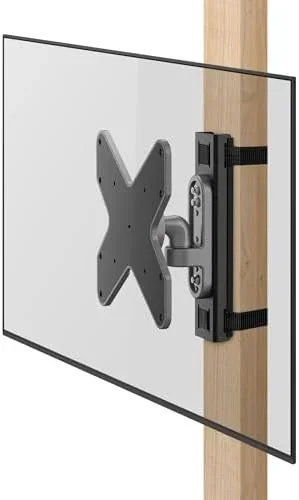
First, ensure your pergola structure can support the TV’s weight. Most outdoor TVs range from 30 to 80 pounds, depending on size and build. You’ll need sturdy wall mounts or ceiling brackets rated for outdoor use. Look for mounts with corrosion-resistant coatings and adjustable tilt/swivel features for optimal viewing angles.
Some outdoor TVs come with built-in mounting systems or proprietary brackets designed for easy installation. Others are compatible with standard VESA patterns (e.g., 200×200, 400×400), giving you more flexibility. If your pergola has a sloped roof or uneven surfaces, consider a full-motion mount that allows you to adjust the TV’s position seasonally.
Don’t forget about cable management. Outdoor-rated conduit or raceways can protect power and HDMI cables from weather damage and keep your setup looking clean. Some TVs include hidden cable channels or rear access panels for tidy installations.
7. Brand Reputation & Reliability
Not all outdoor TV brands are equal. While some companies specialize in all-weather electronics, others simply repackage indoor models with minor modifications. Choosing a reputable brand ensures better build quality, customer support, and long-term reliability.
Top-tier outdoor TV manufacturers include Seura, SunBriteTV, Samsung Terrace, and LG Pro:Idiom. These brands have a proven track record of designing TVs specifically for outdoor environments, with rigorous testing for temperature extremes, humidity, and UV exposure.
When evaluating brands, look for third-party certifications like UL Listed, FCC Certified, or CE Marked. These indicate compliance with safety and performance standards. Also, check customer reviews on trusted platforms like Amazon, Best Buy, or specialty outdoor retailers. Pay attention to comments about longevity, customer service, and real-world performance in similar climates.
Avoid no-name or ultra-budget brands that promise “outdoor-ready” TVs at suspiciously low prices. These often lack proper weather sealing, use inferior components, or have no warranty support.
8. Warranty & Support
Outdoor TVs are a significant investment, so protecting that investment with a solid warranty is crucial. Most reputable brands offer warranties ranging from 1 to 3 years, covering defects, performance issues, and sometimes even accidental damage.
However, warranty terms can vary widely. Some cover only parts and labor, while others include on-site service or replacement units. Be sure to read the fine print—many warranties are voided if the TV is installed incorrectly, exposed to direct rain, or used in temperatures outside the specified range (usually -22°F to 122°F).
Customer support is equally important. Look for brands with responsive service teams, online troubleshooting guides, and local repair centers. Some companies even offer extended warranty plans or maintenance packages for peace of mind.
—
Different Types of Buying Guide

—
Common Buying Mistakes to Avoid
❌ Mistake: Using an Indoor TV Without Protection
Why it’s bad: Indoor TVs are not designed to handle moisture, temperature swings, or UV exposure. Even under a pergola, condensation can form inside the screen, leading to fogging, corrosion, or electrical failure. The warranty will almost certainly be voided.
What to do instead: Either invest in a true outdoor TV or use a high-quality outdoor enclosure rated for your climate. Never assume “it’s covered enough”—outdoor electronics require purpose-built protection.
❌ Mistake: Ignoring Brightness Requirements
Why it’s bad: A dim screen will look washed out in daylight, making it unusable for daytime viewing. You’ll end up watching TV only at night, defeating the purpose of an outdoor setup.
What to do instead: Prioritize brightness (1,000+ nits) and anti-glare technology. Test the TV in similar lighting if possible, or read reviews from users in sunny regions.
❌ Mistake: Overlooking Mounting and Ventilation Needs
Why it’s bad: Improper mounting can lead to instability, water pooling, or overheating. Some outdoor TVs require airflow around the unit to prevent internal damage.
What to do instead: Use manufacturer-recommended mounts and follow installation guidelines precisely. Ensure at least 2–3 inches of clearance around the TV for ventilation.
❌ Mistake: Choosing Based on Price Alone
Why it’s bad: Cheap “outdoor” TVs often cut corners on weather sealing, brightness, and build quality. You may save money upfront but spend more on replacements or repairs.
What to do instead: Focus on value, not just cost. Consider total cost of ownership, including warranty, durability, and performance over 5–10 years.
❌ Mistake: Neglecting Audio Quality
Why it’s bad: Most outdoor TVs have weak built-in speakers. In an open pergola, sound dissipates quickly, making dialogue hard to hear.
What to do instead: Pair your TV with weatherproof outdoor speakers or a soundbar. Look for models with optical audio output or Bluetooth for easy connectivity.
❌ Mistake: Forgetting About Cable Management
Why it’s bad: Exposed cables can degrade from sun and rain, creating safety hazards and an untidy appearance.
What to do instead: Use outdoor-rated conduit, raceways, or in-wall cable channels. Plan your wiring route before mounting the TV.
❌ Mistake: Not Planning for Future Upgrades
Why it’s bad: Technology evolves quickly. A TV with limited ports or outdated smart features may become obsolete in a few years.
What to do instead: Choose a model with future-proof connectivity (HDMI 2.1, USB-C, Wi-Fi 6) and regular firmware updates. Consider modular systems that allow component upgrades.
—
Budget Guidelines: How Much Should You Spend?
– Entry-Level ($800 – $1,500): Ideal for covered pergolas with minimal exposure. Look for indoor TVs in weatherproof enclosures or basic outdoor models with 700–1,000 nits brightness. Expect limited smart features and shorter warranties.
– Mid-Range ($1,500 – $3,000): The sweet spot for most homeowners. These TVs offer 1,000–1,500 nits brightness, solid weather resistance (IP55+), and reliable smart platforms. Brands like SunBriteTV and Samsung Terrace shine here.
– Premium ($3,000 – $5,000): For enthusiasts and those in harsh climates. Expect 1,500–2,500 nits brightness, full weatherproofing, advanced thermal management, and premium materials. Great for large pergolas or commercial use.
– Luxury ($5,000+): Top-tier models with commercial-grade durability, ultra-high brightness, and cutting-edge features like OLED or transparent displays. Best for high-end outdoor theaters or luxury homes.
—
Expert Tips for Getting the Best Deal
– Buy during off-seasons: Look for discounts in late fall or winter when demand for outdoor electronics drops.
– Shop at specialty retailers: Stores like Crutchfield, Abt, or Outdoor TV Direct often have better expertise and bundle deals than big-box stores.
– Check for rebates and financing: Some manufacturers offer seasonal promotions or 0% financing for outdoor TVs.
– Read real user reviews: Focus on long-term feedback about durability and performance in similar climates.
– Test before you buy: If possible, visit a showroom with outdoor demo units.
– Negotiate installation packages: Some retailers offer free or discounted mounting and setup with purchase.
– Consider refurbished models: Certified pre-owned outdoor TVs from reputable brands can save 20–30% with full warranties.
—
Frequently Asked Questions
Q: Can I use a regular TV under a pergola?
A: Technically yes, but only if it’s fully enclosed in a weatherproof outdoor TV cabinet. Even then, it’s not ideal due to heat buildup and limited ventilation. A purpose-built outdoor TV is always the safer, longer-lasting choice.
Q: Do outdoor TVs need to be plugged into a GFCI outlet?
A: Yes. For safety, all outdoor electronics should be connected to a Ground Fault Circuit Interrupter (GFCI) outlet to prevent electrical shock in wet conditions.
Q: How long do outdoor TVs last?
A: With proper installation and maintenance, most outdoor TVs last 7–10 years. Premium models with commercial-grade components can exceed 10 years.
Q: Can I leave my outdoor TV on in the rain?
A: Only if it’s rated for direct exposure (IP65 or higher) and installed correctly. Even then, it’s best to power it off during heavy storms to avoid electrical risks.
Q: Do outdoor TVs come with remotes?
A: Yes, but many include weather-resistant remotes or recommend using a smartphone app. Keep the remote in a dry place when not in use.
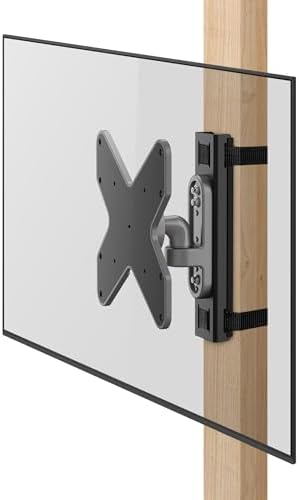
Q: Can I mount an outdoor TV on a pergola beam?
A: Only if the beam is structurally sound and rated for the TV’s weight. Use heavy-duty lag bolts and consult a contractor if unsure.
Q: Are outdoor TVs energy efficient?
A: Modern outdoor TVs are designed for efficiency, but high brightness increases power consumption. Look for ENERGY STAR ratings or models with auto-dimming features.
Q: Can I use streaming devices with outdoor TVs?
A: Absolutely. Most outdoor TVs support external devices like Roku, Apple TV, or Fire Stick via HDMI. Just ensure the device is protected from the elements.
Q: What’s the difference between partial and full sun outdoor TVs?
A: Partial sun models (like those for pergolas) are designed for shaded or covered areas with indirect light. Full sun TVs have higher brightness (2,000+ nits) and are built for direct sunlight exposure.
—
Our Final Recommendations
– Best for Budget-Conscious Buyers: SunBriteTV Veranda Series – Excellent value with 1,000 nits brightness, IP55 rating, and reliable performance under covered pergolas.
– Best Overall Value: Samsung The Terrace – Combines stunning 4K QLED picture, 1,500 nits brightness, and smart features in a sleek, weatherproof design.
– Best Premium Option: Seura Shadow Series – Ultra-bright (2,000+ nits), fully sealed, and built like a tank. Ideal for high-end outdoor lounges.
– Best for Beginners: LG Pro:Idiom Outdoor – User-friendly smart platform, solid build quality, and excellent customer support.
– Best for Advanced Users: Peerless-AV Xtreme – Modular design, customizable configurations, and commercial-grade durability for tech-savvy homeowners.
—
Conclusion: Making the Right Choice
Installing an outdoor TV under your pergola is more than just a luxury—it’s an investment in your outdoor lifestyle. Whether you’re hosting game nights, enjoying morning coffee with the news, or streaming movies under the stars, the right TV can transform your space into a true entertainment destination. But as we’ve covered, not all outdoor TVs are suitable for pergola use. You need to prioritize weather resistance, brightness, build quality, and smart features that match your environment and viewing habits.
Remember, the cheapest option isn’t always the best long-term value. A well-chosen outdoor TV will deliver years of reliable performance, stunning visuals, and peace of mind—even when the weather turns unpredictable. Take the time to assess your pergola’s exposure, seating layout, and connectivity needs. Read reviews, compare models, and don’t hesitate to consult with experts or professionals for installation.
Ultimately, the goal is to create an outdoor oasis that feels as comfortable and functional as your indoor living room. With the insights from this guide, you’re now equipped to make a confident, informed decision. So go ahead—bring the screen outside, fire up your favorite show, and enjoy the perfect blend of technology and nature. Your pergola deserves it.

