
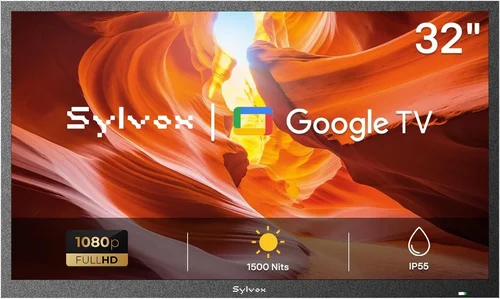
Outdoor TVs have evolved from a niche luxury to a mainstream must-have for homeowners who love entertaining, relaxing, or simply enjoying entertainment under the open sky. Whether you’re hosting a backyard movie night, watching the big game with friends, or unwinding with your favorite show after a long day, an outdoor TV can transform your patio into a true outdoor living room. But not all TVs are created equal—especially when it comes to enduring the elements. That’s why choosing the right outdoor TV for a large patio requires careful consideration, expert knowledge, and a clear understanding of what makes these specialized displays different from their indoor counterparts.
This comprehensive buying guide is designed to help you navigate the growing market of outdoor TVs in 2026. Whether you’re a first-time buyer or upgrading from an older model, you’ll learn everything you need to make a smart, informed decision. We’ll break down the key factors to consider—from weather resistance and brightness to smart features and installation requirements—so you can find a TV that delivers stunning picture quality, reliable performance, and long-term durability. You’ll also discover the different types of outdoor TVs available, avoid common purchasing mistakes, and get expert tips to maximize your investment. By the end of this guide, you’ll have the confidence to choose the perfect outdoor TV for your large patio setup.
The outdoor TV market has expanded significantly in recent years, driven by advances in display technology, increased demand for outdoor living spaces, and the rise of smart home integration. Today’s outdoor TVs are brighter, more energy-efficient, and more feature-rich than ever before. Leading brands like Samsung, Sony, LG, and specialized outdoor manufacturers such as SunBriteTV and Seura have introduced models that rival indoor TVs in picture quality while offering superior protection against rain, dust, extreme temperatures, and UV exposure. With options ranging from budget-friendly weatherproof enclosures to fully integrated outdoor displays, there’s never been a better time to invest in an outdoor TV. This guide will help you cut through the noise and find the right solution for your space, lifestyle, and budget.

What to Look for When Buying Buying Guide
1. Weather Resistance & IP Rating
One of the most critical factors when selecting an outdoor TV is its ability to withstand environmental conditions. Unlike indoor TVs, outdoor models must endure rain, snow, humidity, dust, and temperature fluctuations. Look for TVs with a high Ingress Protection (IP) rating—specifically IP55 or higher. An IP55 rating means the TV is protected against low-pressure water jets from any direction and limited dust ingress, making it suitable for most covered patios. For fully exposed areas, consider IP65 or IP66 ratings, which offer complete dust protection and resistance to powerful water jets.
Additionally, check if the TV is designed for outdoor use from the ground up. True outdoor TVs are built with sealed cooling systems, corrosion-resistant materials, and UV-protected screens. Avoid placing indoor TVs in weatherproof enclosures unless they’re specifically rated for outdoor use—many enclosures don’t provide adequate ventilation, leading to overheating and premature failure.
2. Brightness & Display Quality
Sunlight is the enemy of screen visibility. On a large patio, especially one with partial or full sun exposure, a standard indoor TV will appear washed out and nearly impossible to see during the day. Outdoor TVs are engineered with significantly higher brightness levels—measured in nits—to combat glare. Look for models with at least 700 nits of brightness, but ideally 1,000 nits or more for optimal daytime viewing.
Display technology also plays a role. LED and QLED panels are common in outdoor TVs due to their brightness and color accuracy. OLEDs, while offering superior contrast, are less common outdoors because they can be more susceptible to burn-in and may not perform as well in direct sunlight. Consider anti-reflective coatings and optically bonded screens, which reduce glare and improve clarity in bright conditions. For large patios, a larger screen size (65 inches or more) ensures everyone has a great view, but make sure the resolution matches—4K UHD is standard, and 8K is emerging for premium models.
3. Build Quality & Durability
Outdoor TVs must endure more than just weather—they’re also exposed to temperature swings, humidity, and potential physical impacts. High-quality outdoor TVs are constructed with rugged, powder-coated aluminum or stainless steel chassis that resist rust and corrosion. Internal components are often sealed to prevent moisture damage, and cooling systems are designed to operate efficiently without drawing in outside air.
Pay attention to the TV’s operating temperature range. Most outdoor models function between -22°F and 122°F (-30°C to 50°C), making them suitable for most climates. However, if you live in an area with extreme winters or scorching summers, verify the manufacturer’s specifications. Also, consider the TV’s weight and mounting requirements—larger outdoor TVs can be heavy, so ensure your wall or ceiling mount is rated for the load and designed for outdoor use.
4. Smart Features & Connectivity
Modern outdoor TVs come equipped with smart platforms like Android TV, webOS, or Tizen, allowing you to stream content from Netflix, YouTube, Disney+, and other services directly. This eliminates the need for external streaming devices and simplifies your setup. Look for models with built-in Wi-Fi (preferably dual-band 2.4GHz and 5GHz) and Bluetooth for connecting wireless speakers or headphones.
Connectivity options are equally important. Ensure the TV has multiple HDMI ports (at least three), USB ports, and audio outputs. For large patios, consider models with HDMI-CEC and ARC (Audio Return Channel) support to simplify control with a single remote. Some premium outdoor TVs also include built-in speakers with enhanced audio quality, though for a truly immersive experience, you may want to pair the TV with an outdoor soundbar or wireless speaker system.
5. Size & Viewing Distance
Choosing the right screen size is crucial for a large patio. A TV that’s too small will be difficult to see from a distance, while one that’s too large may overwhelm the space. As a general rule, the optimal viewing distance is 1.5 to 2.5 times the diagonal screen size. For example, a 75-inch TV is best viewed from 9 to 15 feet away—perfect for a spacious patio with seating areas spread across the area.
Consider the layout of your patio. If you have multiple seating zones, a larger screen ensures everyone gets a clear view. Wall-mounted TVs should be installed at eye level when seated, typically 42 to 48 inches from the ground to the center of the screen. For ceiling mounts or articulating arms, ensure the TV can be angled for optimal viewing from different positions. Also, think about future-proofing—investing in a slightly larger screen now can save you from upgrading in a few years.
6. Installation & Mounting Options
Proper installation is key to both performance and safety. Outdoor TVs require specialized mounting solutions that can handle wind, weight, and exposure to the elements. Look for mounts rated for outdoor use, with rust-resistant hardware and secure locking mechanisms. Full-motion mounts allow you to tilt, swivel, and extend the TV, which is ideal for large patios with varying seating arrangements.
Consider the location of power and signal sources. Running cables through walls or under decking may require professional installation, especially if you’re connecting to a home theater system or outdoor speakers. Some outdoor TVs come with cable management systems to keep wires hidden and protected. If you’re mounting the TV under a pergola or covered area, ensure there’s adequate ventilation to prevent overheating.
7. Brand Reputation & Reliability
Not all outdoor TV brands are created equal. Established names like Samsung, LG, and Sony offer outdoor-compatible models with strong reputations for quality and customer support. However, specialized outdoor brands like SunBriteTV, Seura, and Avid Power are designed specifically for outdoor environments and often outperform mainstream brands in durability and brightness.
Research customer reviews and expert ratings to gauge reliability. Look for brands with a proven track record of long-term performance in real-world conditions. Check if the manufacturer offers firmware updates, which can improve performance and add new features over time. Also, consider the availability of replacement parts and service centers in your area—especially important for outdoor electronics that may require maintenance.
8. Warranty & Support
Outdoor TVs are a significant investment, so a strong warranty is essential. Most reputable manufacturers offer at least a one-year limited warranty, but premium models may come with two to three years of coverage. Some brands also offer extended warranties or protection plans that cover accidental damage, power surges, or environmental wear.
Pay attention to what the warranty includes. Does it cover labor and parts? Is on-site service available? Are there exclusions for weather-related damage? Read the fine print carefully. Additionally, check the manufacturer’s customer support options—phone, email, live chat, and online resources should be readily available. A responsive support team can make a big difference if you encounter issues during installation or use.
Different Types of Buying Guide
Common Buying Mistakes to Avoid
❌ Mistake: Using an Indoor TV Outdoors Without Protection
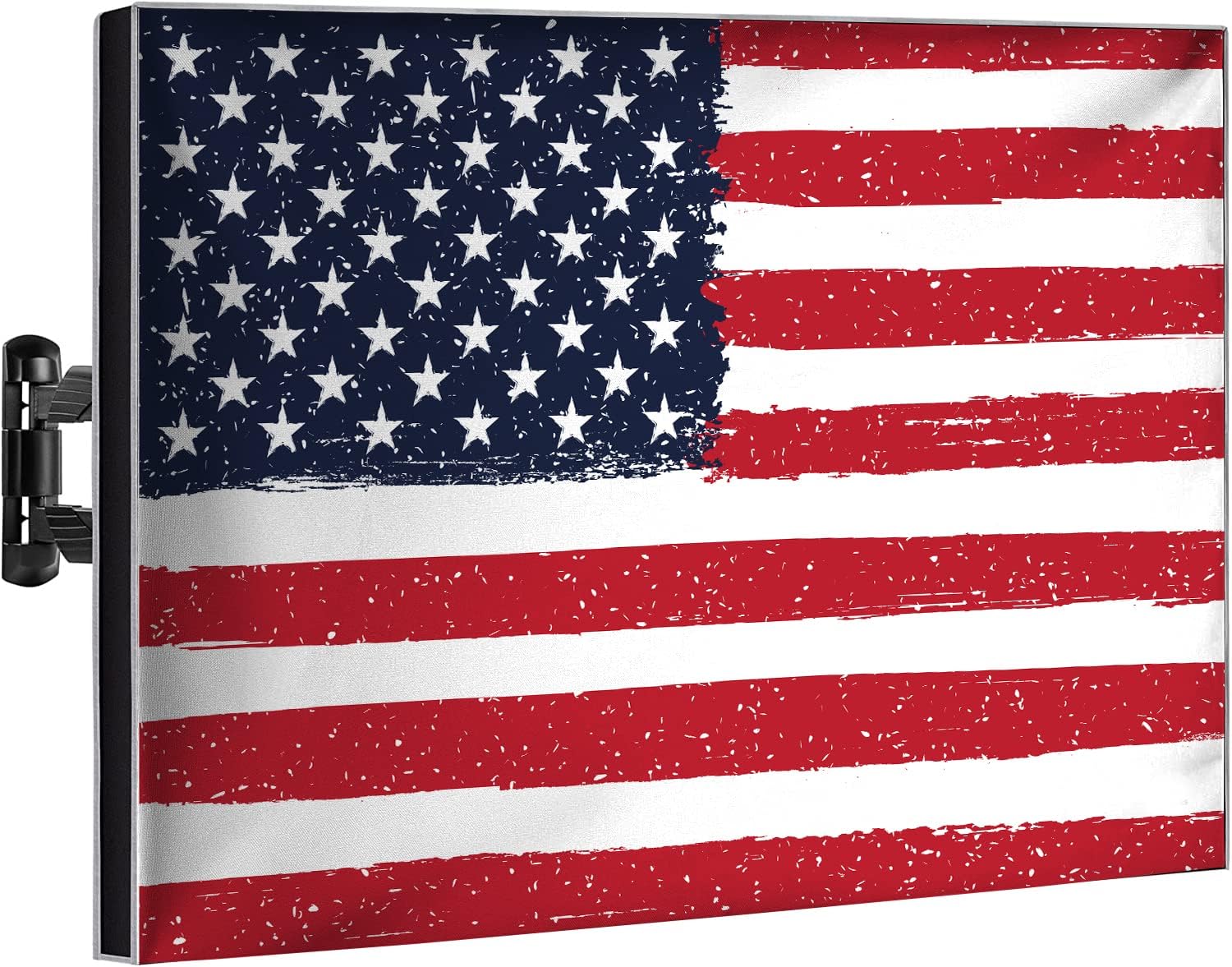
Why it’s bad: Indoor TVs are not designed to handle moisture, dust, or temperature extremes. Even under a covered patio, condensation and humidity can seep into the internal components, causing corrosion, short circuits, and permanent damage. Additionally, indoor TVs lack the brightness needed for daylight viewing, resulting in a dim, unusable screen.
What to do instead: Always use a TV specifically rated for outdoor use or pair an indoor TV with a certified weatherproof enclosure. If choosing an enclosure, ensure it’s ventilated, UV-resistant, and compatible with your TV model. Better yet, invest in a true outdoor TV for long-term reliability.
❌ Mistake: Ignoring Brightness Requirements
Why it’s bad: A TV with insufficient brightness will be nearly invisible during the day, especially on a large patio with ambient light. This defeats the purpose of having an outdoor entertainment system and limits usage to nighttime only.
What to do instead: Choose a TV with at least 700 nits of brightness, but aim for 1,000 nits or more if your patio gets direct sunlight. Look for anti-glare coatings and optically bonded screens to enhance visibility. Test the TV in similar lighting conditions if possible.
❌ Mistake: Overlooking Proper Mounting and Installation
Why it’s bad: Improper mounting can lead to instability, especially in windy conditions. Using indoor mounts or weak hardware can result in the TV falling, causing injury or damage. Poor cable management can also expose wires to the elements, leading to corrosion and signal loss.
What to do instead: Use outdoor-rated mounts with rust-resistant hardware and secure locking mechanisms. Hire a professional installer if needed, especially for ceiling or wall mounts. Route cables through protective conduits and use weatherproof connectors.
❌ Mistake: Choosing the Wrong Screen Size
Why it’s bad: A TV that’s too small will be hard to see from a distance, while one that’s too large can dominate the space and strain the eyes. On a large patio, screen size directly impacts the viewing experience for all guests.
What to do instead: Use the 1.5 to 2.5x rule for viewing distance. For a 75-inch TV, sit 9 to 15 feet away. Consider the layout of your patio and ensure the TV is visible from all seating areas. When in doubt, go slightly larger—modern 4K resolution makes large screens sharp and comfortable to watch.
❌ Mistake: Neglecting Audio Quality
Why it’s bad: Outdoor environments have more ambient noise—wind, traffic, birds—which can drown out built-in TV speakers. Relying on weak audio diminishes the overall experience, especially during movies or sports.
What to do instead: Pair your outdoor TV with a weather-resistant soundbar or wireless outdoor speakers. Look for models with Bluetooth connectivity and robust bass response. For large patios, consider a multi-speaker setup with a central subwoofer for immersive sound.
❌ Mistake: Skipping the Warranty and Support Check
Why it’s bad: Outdoor electronics are more prone to failure due to environmental stress. Without a solid warranty, repair or replacement costs can be high. Poor customer support can leave you stranded if issues arise.
What to do instead: Always review the warranty terms before purchasing. Opt for brands with at least a two-year warranty and accessible customer service. Consider extended protection plans for added peace of mind.
❌ Mistake: Buying Based on Price Alone
Why it’s bad: The cheapest option may save money upfront but cost more in the long run due to poor durability, frequent repairs, or early replacement. Outdoor TVs are a long-term investment.
What to do instead: Balance price with quality, features, and expected lifespan. A mid-range outdoor TV with strong reviews and a good warranty often provides better value than a budget model that fails within a year.
Budget Guidelines: How Much Should You Spend?
Entry-Level ($800 – $1,500): This tier includes indoor TVs paired with weatherproof enclosures or basic outdoor models with limited brightness (500–700 nits). Ideal for small, covered patios with minimal sun exposure. Expect fewer smart features and shorter warranties. Best for occasional use or renters.
Mid-Range ($1,500 – $3,000): The sweet spot for most homeowners. These TVs offer true outdoor ratings (IP55+), 700–1,000 nits brightness, 4K resolution, and full smart functionality. Brands like SunBriteTV and Seura dominate this range. Great for large patios with partial sun and regular use.
Premium ($3,000 – $5,000): For enthusiasts and those with fully exposed patios. These models feature 1,000+ nits brightness, anti-reflective screens, advanced cooling, and commercial-grade durability. Often include built-in speakers, voice control, and extended warranties. Perfect for year-round entertainment.
Luxury ($5,000+): Top-tier outdoor displays with 8K resolution, ultra-high brightness (1,500+ nits), and professional installation services. Designed for large estates, pool areas, or commercial venues. May include custom mounting, integrated audio systems, and 24/7 operation capability.
Expert Tips for Getting the Best Deal
- Shop During Off-Season: Outdoor TVs are in highest demand during spring and summer. Look for discounts in late fall and winter when retailers clear inventory. Black Friday and Cyber Monday also offer significant savings.
- Compare Retailers: Check prices at specialty outdoor electronics stores, big-box retailers, and online marketplaces. Some retailers offer price matching or bundle deals with mounts and cables.
- Read Real User Reviews: Expert reviews are helpful, but real-world feedback from homeowners with similar setups is invaluable. Look for reviews that mention long-term durability, brightness, and customer service.
- Consider Refurbished Models: Many manufacturers sell certified refurbished outdoor TVs at 20–30% off retail. These come with full warranties and are often indistinguishable from new units.
- Negotiate Installation Packages: Some retailers offer free or discounted installation with purchase. If hiring a pro, get multiple quotes and ask about experience with outdoor AV setups.
- Check for Rebates and Incentives: Energy-efficient models may qualify for local utility rebates. Some states offer tax incentives for outdoor home improvements.
- Test Before You Buy: If possible, visit a showroom to see the TV in bright lighting. Compare brightness, color accuracy, and smart interface responsiveness.
- Prioritize Future-Proofing: Choose a TV with HDMI 2.1, Wi-Fi 6, and regular firmware updates. This ensures compatibility with next-gen devices and streaming services.

Frequently Asked Questions
Q: Can I use a regular TV outdoors if it’s under a covered patio?
A: Technically yes, but it’s not recommended. Even covered patios can experience humidity, temperature swings, and dust. Without proper ventilation and protection, indoor TVs are prone to overheating and moisture damage. A weatherproof enclosure or true outdoor TV is a safer, longer-lasting solution.
Q: How bright should an outdoor TV be for a large patio?
A: For a large patio with partial sun, aim for at least 700 nits. For full sun exposure, choose 1,000 nits or higher. Brightness ensures the screen remains visible during the day, especially when watching sports or movies in daylight.
Q: Do outdoor TVs need special mounts?
A: Yes. Outdoor mounts must be rust-resistant, securely anchored, and rated for the TV’s weight and size. Full-motion mounts are ideal for large patios with multiple seating areas, allowing you to adjust the viewing angle.
Q: Can I leave my outdoor TV on all the time?
A: Most outdoor TVs are designed for extended use, but continuous 24/7 operation is best left to commercial-grade models. For home use, it’s fine to leave it on during events, but turn it off when not in use to prolong lifespan.
Q: Are outdoor TVs energy efficient?
A: Modern outdoor TVs are surprisingly energy efficient, especially LED and QLED models. Look for ENERGY STAR certification to reduce power consumption. Brightness settings can also be adjusted to save energy during nighttime use.
Q: What’s the difference between IP55 and IP65?
A: IP55 protects against low-pressure water jets and limited dust. IP65 offers complete dust protection and resistance to powerful water jets, making it better for exposed areas. Choose based on your patio’s exposure level.
Q: Can I connect streaming devices to an outdoor TV?
A: Absolutely. Most outdoor TVs have multiple HDMI ports for devices like Roku, Apple TV, or Fire Stick. Some even have built-in streaming platforms, eliminating the need for external devices.
Q: How do I clean an outdoor TV screen?
A: Use a microfiber cloth and a mild cleaner designed for electronics. Avoid ammonia-based cleaners or abrasive materials. Clean gently to avoid scratching the anti-reflective coating.
Q: Will an outdoor TV work in cold weather?
A: Yes, as long as it’s rated for low temperatures. Most outdoor TVs operate down to -22°F (-30°C). Avoid turning on the TV if it’s extremely cold—let it acclimate to room temperature first.
Q: Can I use voice control with an outdoor TV?
A: Many smart outdoor TVs support voice assistants like Alexa, Google Assistant, or Siri. Ensure the TV has a built-in microphone or is compatible with external voice-enabled remotes.
Our Final Recommendations
Best for Budget-Conscious Buyers: SunBriteTV Veranda Series 55-inch – A reliable, fully outdoor-rated TV with 700 nits brightness, IP55 rating, and built-in smart features. Priced under $2,000, it’s perfect for covered patios and offers excellent value.
Best Overall Value: Seura Shadow 65-inch 4K Outdoor TV – Combines 1,000 nits brightness, anti-glare screen, and premium build quality. Ideal for large patios with partial sun. Includes a three-year warranty and strong customer support.
Best Premium Option: Samsung The Terrace 75-inch QLED – A high-end outdoor TV with 1,500 nits brightness, quantum dot technology, and full smart platform integration. Designed for luxury patios and all-weather performance.
Best for Beginners: Avid Power 50-inch Outdoor TV – An affordable, easy-to-install option with 600 nits brightness and basic smart features. Great for first-time buyers or small patios.
Best for Advanced Users: Peerless-AV Xtreme 86-inch Commercial Display – Built for 24/7 operation, extreme weather, and large-scale entertainment. Features 2,000 nits brightness, modular design, and professional installation support.
Conclusion: Making the Right Choice
Choosing the right outdoor TV for your large patio is about more than just picture quality—it’s about creating a durable, enjoyable, and future-proof entertainment space. From weather resistance and brightness to smart features and installation, every decision impacts your long-term satisfaction. By prioritizing your specific needs—whether it’s budget, screen size, or audio quality—you can find a TV that enhances your outdoor lifestyle for years to come.
Remember, the best outdoor TV isn’t necessarily the most expensive one—it’s the one that fits your space, climate, and usage patterns. Take the time to research, compare options, and consult with experts if needed. And don’t forget the importance of proper installation and maintenance to protect your investment.
With the right outdoor TV, your patio can become the heart of your home—a place where memories are made, games are watched, and relaxation is guaranteed. So go ahead, elevate your outdoor experience, and enjoy entertainment under the stars with confidence. Your perfect outdoor TV is out there—this guide has shown you how to find it.

