
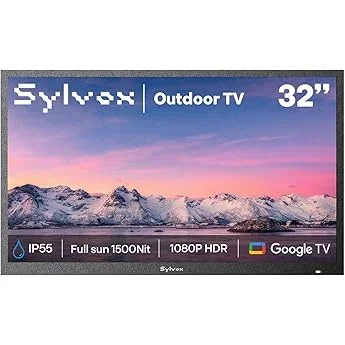
Watching football games outside is an exhilarating experience—nothing beats the roar of the crowd, the crisp autumn air, and the thrill of live action under open skies. Whether you’re hosting a tailgate party, setting up a backyard viewing zone, or transforming your patio into a game-day sanctuary, having a reliable weatherproof TV can elevate your outdoor entertainment to professional levels. But not all outdoor TVs are created equal. Standard indoor televisions simply won’t survive the elements—rain, snow, dust, extreme temperatures, or direct sunlight can quickly turn your investment into a paperweight. That’s why choosing the right weatherproof TV requires careful consideration, expert knowledge, and a clear understanding of what truly makes a display suitable for outdoor use.
This comprehensive buying guide is designed to help you navigate the often-confusing world of outdoor televisions with confidence. Whether you’re a casual fan who wants to catch Sunday games from your deck or a die-hard enthusiast building a permanent outdoor media setup, we’ve got you covered. You’ll learn how to evaluate critical factors like weather resistance ratings, screen brightness, durability, smart features, and installation requirements. We’ll also break down common pitfalls, compare different types of weatherproof TVs, and provide real-world advice based on performance, value, and long-term reliability. By the end of this guide, you’ll have everything you need to make a smart, informed decision—and enjoy every touchdown, field goal, and overtime thriller in stunning clarity, rain or shine.
The market for weatherproof TVs has evolved significantly in recent years, driven by growing demand for outdoor living spaces and the rise of smart home integration. What was once a niche category dominated by a handful of specialty brands has now expanded to include high-end models from major manufacturers like Samsung, LG, and Sony, alongside dedicated outdoor specialists such as SunBriteTV, Seura, and Peerless-AV. These TVs are engineered from the ground up to withstand harsh environmental conditions while delivering picture quality that rivals—or even exceeds—indoor models. From fully sealed enclosures and anti-glare screens to built-in heaters and cooling systems, today’s weatherproof TVs are marvels of engineering. However, this variety also means more choices, more technical specs, and more potential for confusion. Our goal is to cut through the noise and deliver a clear, actionable roadmap so you can find the perfect TV for your outdoor football-watching needs—without overspending or compromising on performance.

What to Look for When Buying Buying Guide
1. Weather Resistance & IP Rating
When it comes to outdoor electronics, weather resistance isn’t just a nice-to-have—it’s absolutely essential. A standard indoor TV might survive a light drizzle, but prolonged exposure to moisture, dust, UV rays, and temperature swings will inevitably lead to failure. That’s where the Ingress Protection (IP) rating comes into play. This international standard measures how well a device resists intrusion from solids (like dust) and liquids (like rain or splashes). For outdoor TVs, you’ll typically see ratings like IP55, IP56, or even IP65. An IP55 rating means the TV is protected against dust (limited ingress) and low-pressure water jets from any direction—ideal for covered patios or decks. IP65 takes it further, offering complete dust protection and resistance to powerful water jets, making it suitable for fully exposed areas. Always check the manufacturer’s official IP rating and avoid vague claims like “weather-resistant” without certification. Also, consider whether the TV includes additional protective features like sealed ports, corrosion-resistant screws, and UV-stabilized casings—these details can make a big difference in longevity.
2. Screen Brightness & Anti-Glare Technology
One of the biggest challenges with outdoor viewing is ambient light. Sunlight reflecting off the screen can wash out colors, reduce contrast, and make it nearly impossible to see the action during daytime games. That’s why brightness—measured in nits—is a critical spec for any weatherproof TV. While most indoor TVs range from 300 to 600 nits, outdoor models should deliver at least 700 nits, with premium options hitting 1,500 to 2,500 nits or more. Higher brightness ensures that images remain vivid and legible even under direct sunlight. But brightness alone isn’t enough. You also need advanced anti-glare technology. Look for TVs with optically bonded glass, which reduces internal reflections by bonding the LCD panel directly to the outer glass layer. This not only minimizes glare but also improves contrast and viewing angles. Some models also feature matte finishes or specialized coatings that diffuse harsh light without sacrificing color accuracy. For football fans who want to catch early kickoffs or afternoon matchups, a high-brightness, anti-glare screen is non-negotiable.
3. Temperature Tolerance & Built-In Climate Control
Outdoor environments aren’t just wet—they’re also subject to extreme temperature fluctuations. A TV left outside in winter might face sub-zero conditions, while summer heat can push internal components past their safe operating limits. Most consumer electronics are rated for use between 32°F and 95°F (0°C to 35°C), but outdoor TVs must handle much wider ranges. Premium weatherproof models often include built-in climate control systems: heaters for cold weather and fans or passive cooling for hot days. These systems activate automatically based on internal sensors, ensuring the TV operates safely whether it’s snowing in Green Bay or scorching in Phoenix. Without proper thermal management, LCD panels can develop image retention in the cold, while overheating can cause premature backlight failure or circuit damage. When comparing models, check the specified operating temperature range—ideally, you want something that covers -22°F to 122°F (-30°C to 50°C) or broader. Also, ensure the TV is designed for continuous outdoor use, not just occasional exposure.
4. Build Quality & Enclosure Design
Durability goes beyond just weatherproofing—it encompasses the entire structural integrity of the TV. A well-built weatherproof TV should feel solid, with no loose panels, flimsy mounts, or exposed wiring. The enclosure must be fully sealed to prevent moisture and dust from entering, and all internal components should be protected with conformal coatings that resist corrosion. Look for TVs housed in powder-coated aluminum or marine-grade stainless steel, materials known for their strength and resistance to rust. Pay attention to细节 like cable management systems; many outdoor TVs include hidden channels or rear access panels to keep cords organized and protected. Additionally, consider the weight and mounting options. Heavier TVs often indicate better build quality, but they also require sturdier wall or ceiling mounts. Some models come with integrated mounting brackets, while others require separate purchases—always verify compatibility before buying. Remember: a TV that looks sleek indoors might not hold up outdoors. Prioritize function over form when it comes to construction.
5. Smart Features & Connectivity
Just because a TV is built for the outdoors doesn’t mean it should lack modern conveniences. Today’s best weatherproof TVs come equipped with full smart TV platforms, allowing you to stream games via apps like YouTube TV, Hulu + Live TV, fuboTV, or ESPN+. Look for models running established operating systems such as Android TV, webOS (LG), or Tizen (Samsung), which offer regular updates, voice control, and seamless integration with other smart home devices. Connectivity is equally important. Ensure the TV has multiple HDMI ports (preferably HDMI 2.1 for future-proofing), USB inputs, Ethernet for stable wired internet, and strong Wi-Fi 6 support for reliable streaming. Some premium models even include built-in speakers or audio outputs for connecting external soundbars—a must if you’re hosting a crowd. Don’t overlook remote control design either; outdoor remotes should be backlit, weather-resistant, and easy to use in low light. For football fans who rely on live stats, instant replays, or multi-game viewing, robust smart functionality is key to a satisfying experience.
6. Size, Viewing Distance & Placement Flexibility
Choosing the right screen size isn’t just about personal preference—it’s about optimizing your viewing experience based on distance and environment. For outdoor setups, larger screens are generally better because they compensate for ambient light and allow multiple viewers to enjoy the action from different angles. A good rule of thumb: divide your viewing distance (in inches) by 1.5 to get the ideal screen diagonal. So, if you’re sitting 10 feet (120 inches) away, aim for an 80-inch TV. However, space constraints and mounting options may limit your choices. Consider whether the TV will be wall-mounted, ceiling-hung, or placed on a stand. Some weatherproof models are ultra-slim for discreet installation, while others are bulkier due to added insulation and climate systems. Also, think about portability—if you plan to move the TV between locations (e.g., from garage to patio), look for lightweight designs with carrying handles. Finally, ensure the TV’s bezel and overall profile won’t obstruct sightlines or clash with your outdoor décor.
7. Brand Reputation & Industry Certifications
Not all outdoor TV brands are equal. While big names like Samsung and LG have entered the space, they often rely on third-party enclosures rather than designing TVs specifically for outdoor use. In contrast, companies like SunBriteTV, Seura, and Peerless-AV specialize exclusively in weatherproof displays and have spent years refining their technology. These brands typically offer better warranties, more rigorous testing, and deeper expertise in outdoor challenges. Look for industry certifications such as UL Listed for safety, FCC compliance for electromagnetic interference, and ISO standards for manufacturing quality. Reading professional reviews from trusted sources (like CNET, RTINGS.com, or Outdoor Electronics Magazine) can also provide insights into real-world performance. Be wary of generic “outdoor TVs” sold on marketplaces like Amazon without clear branding or support—these are often rebranded indoor models with minimal modifications and little accountability.
8. Warranty, Support & Long-Term Reliability
Investing in a weatherproof TV is a significant purchase, often ranging from $1,500 to $5,000 or more. That’s why warranty and customer support matter immensely. Most reputable outdoor TV manufacturers offer extended warranties—typically 2 to 3 years—that cover both parts and labor, including damage from environmental factors. Some even provide on-site service or expedited replacements. Avoid brands with limited or vague warranty terms, especially those that exclude “acts of nature” or require you to ship the TV back at your own expense. Additionally, check if the company offers firmware updates, replacement parts, and technical support via phone or chat. Long-term reliability is another concern: outdoor TVs should last 5–7 years with proper care. Look for user testimonials mentioning longevity, and consider brands with a proven track record in commercial or hospitality settings (like stadiums or resorts), where durability is constantly tested.
Different Types of Buying Guide

Common Buying Mistakes to Avoid
❌ Mistake: Buying a Standard Indoor TV for Outdoor Use
Why it’s bad: Indoor TVs lack the necessary weatherproofing, brightness, and thermal management required for outdoor environments. Even if placed under a roof, they can fail due to humidity, temperature swings, or accidental splashes. The cost of replacement far outweighs the initial savings.
What to do instead: Invest in a purpose-built weatherproof TV or use a certified outdoor enclosure designed for your specific indoor model. Never assume “it’ll be fine under the awning.”
❌ Mistake: Ignoring the IP Rating
Why it’s bad: Without a verified IP rating, you have no guarantee the TV can handle rain, snow, or dust. Marketing terms like “weather-resistant” are often misleading and not standardized.
What to do instead: Always confirm the official IP rating (e.g., IP55 or higher) and cross-reference it with the manufacturer’s specifications. If the rating isn’t clearly stated, avoid the product.
❌ Mistake: Overlooking Screen Brightness
Why it’s bad: A dim screen will look washed out in daylight, making it hard to follow fast-paced football action. You’ll miss key plays and struggle with visibility during afternoon games.
What to do instead: Choose a TV with at least 700 nits of brightness, preferably 1,000+ nits for sunny locations. Pair it with anti-glare technology for optimal daytime viewing.
❌ Mistake: Skimping on Mounting Hardware
Why it’s bad: Using indoor mounts or flimsy brackets can lead to sagging, vibration, or even the TV falling—posing safety risks and potential damage.
What to do instead: Use heavy-duty, corrosion-resistant outdoor mounts rated for your TV’s weight and size. Consider tilt or swivel options for better viewing angles.
❌ Mistake: Neglecting Audio Quality
Why it’s bad: Most outdoor TVs have limited built-in speakers due to space and sealing constraints. Relying solely on TV audio results in weak, tinny sound that drowns out in wind or crowd noise.
What to do instead: Plan for external audio from the start—wireless outdoor speakers, soundbars, or even a full outdoor audio system. Ensure your TV has audio outputs (optical, RCA, or Bluetooth).
❌ Mistake: Not Planning for Power and Connectivity
Why it’s bad: Running extension cords across your yard is unsafe and unsightly. Poor Wi-Fi signal can cause buffering during live games.
What to do instead: Install a dedicated outdoor-rated electrical outlet near the TV location. Use Ethernet for wired internet if possible, or invest in a weatherproof Wi-Fi extender.
❌ Mistake: Forgetting About Seasonal Storage
Why it’s bad: Even all-weather TVs benefit from protection during off-seasons. Leaving them exposed year-round accelerates wear and reduces lifespan.
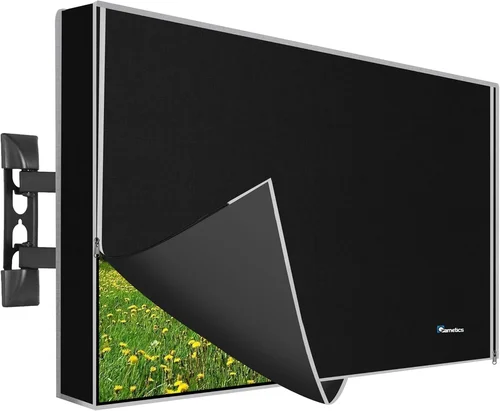
What to do instead: If possible, store the TV indoors during extreme weather or use a custom-fit weatherproof cover when not in use for extended periods.
Budget Guidelines: How Much Should You Spend?
– Entry-Level ($800 – $1,500): These are typically partial-outdoor models or indoor TVs paired with basic enclosures. They work well under covered patios but lack advanced climate control or extreme brightness. Ideal for casual viewers in mild climates. Expect limited smart features and shorter warranties.
– Mid-Range ($1,500 – $3,000): This is the sweet spot for most homeowners. You’ll find fully weatherproof TVs with IP55+ ratings, 1,000+ nits brightness, decent smart platforms, and solid build quality. Brands like SunBriteTV and Seura offer reliable options here with 2–3 year warranties.
– Premium ($3,000 – $5,000): Designed for serious outdoor entertainment enthusiasts. These models feature IP65 ratings, 1,500–2,500 nits brightness, built-in heaters and coolers, premium smart OS, and robust audio support. Perfect for open-air setups in variable climates.
– Luxury ($5,000+): Top-tier commercial-grade or custom-installed systems. Often used in high-end resorts or professional venues, these TVs offer 24/7 operation, modular designs, advanced remote monitoring, and lifetime support. Overkill for most residential users but unmatched in performance and durability.
Expert Tips for Getting the Best Deal
– Buy During Off-Season: Prices drop significantly in spring and early summer (March–June) when demand is lowest. Avoid fall and winter, especially September–November, when football season drives up prices.
– Check Manufacturer Direct: Brands like SunBriteTV often run exclusive promotions on their websites, including free shipping, extended warranties, or bundled mounts.
– Look for Refurbished Models: Certified refurbished outdoor TVs from reputable sellers can save you 20–30% while offering the same performance and warranty as new units.
– Bundle with Accessories: Some retailers offer package deals that include mounts, cables, and covers—compare total value rather than just TV price.
– Verify Return Policies: Ensure you have at least 30 days to test the TV in your actual outdoor environment. Some issues (like glare or Wi-Fi range) only become apparent after installation.
– Read Real User Reviews: Professional reviews are helpful, but owner feedback on forums like AVS Forum or Reddit reveals long-term reliability and hidden quirks.
– Consider Energy Efficiency: Outdoor TVs with higher brightness consume more power. Look for ENERGY STAR ratings or models with auto-dimming features to reduce electricity costs.
– Plan for Future Upgrades: Choose a TV with HDMI 2.1, eARC, and robust app support to ensure compatibility with next-gen streaming devices and audio systems.

Frequently Asked Questions
Q: Can I use a regular TV outside if it’s under a roof?
A: Technically yes, but it’s risky. Even under cover, indoor TVs aren’t designed for humidity, temperature extremes, or dust. Over time, moisture can seep into vents, and thermal stress can damage components. For reliable, long-term use, a weatherproof TV or certified enclosure is strongly recommended.
Q: Do weatherproof TVs need special maintenance?
A: Minimal maintenance is required. Wipe the screen with a microfiber cloth and mild cleaner as needed. Check seals and ports annually for debris. Avoid harsh chemicals or pressure washers. Most models are designed for “set it and forget it” operation.
Q: Will a weatherproof TV work in direct sunlight?
A: Yes—but only if it has sufficient brightness (1,000+ nits) and anti-glare technology. Lower-brightness models will appear dim even in partial sun. For south-facing installations, prioritize ultra-bright displays with optically bonded screens.
Q: How do I connect my outdoor TV to the internet?
A: Use a wired Ethernet connection for the most reliable signal. If Wi-Fi is necessary, ensure your router supports 5GHz bands and consider a weatherproof outdoor Wi-Fi extender placed near the TV.
Q: Can I mount a weatherproof TV on a pole or freestanding frame?
A: Absolutely. Many manufacturers offer pole mounts or pedestal kits designed for outdoor use. Just ensure the structure is anchored securely and rated for wind loads in your area.
Q: Are weatherproof TVs compatible with streaming devices like Roku or Apple TV?
A: Yes. Most modern outdoor TVs have HDMI ports and support external streaming sticks. However, keep the device protected from the elements—use a weatherproof media box or install it indoors with a long HDMI cable.
Q: What happens if my outdoor TV gets rained on?
A: If it’s truly weatherproof (IP55 or higher), rain won’t damage it. The sealed enclosure prevents water ingress. However, avoid spraying it directly with high-pressure water, as this can force moisture through seams over time.
Q: Do I need a permit to install an outdoor TV?
A: Generally no, but check local building codes—especially if you’re running electrical wiring through walls or mounting on a shared structure (like an apartment balcony). HOA rules may also apply.
Q: Can I leave my outdoor TV on all the time?
A: While many models support 24/7 operation, it’s best to turn it off when not in use to extend panel life and save energy. Use a smart plug with scheduling for convenience.
Q: What’s the difference between a weatherproof TV and a marine TV?
A: Marine TVs are built for boats and prioritize saltwater resistance, vibration damping, and compact size. Weatherproof TVs are designed for fixed outdoor installations and focus on brightness, climate control, and large-screen performance. Choose based on your environment.
Our Final Recommendations
– Best for Budget-Conscious Buyers: SunBriteTV Veranda Series (55″) – Offers excellent value with IP55 rating, 1,000 nits brightness, and full smart features under $2,000. Perfect for covered patios.
– Best Overall Value: Seura Outdoor 4K Ultra Bright (65″) – Combines IP65 protection, 1,500 nits brightness, built-in cooling, and sleek design at a competitive mid-range price.
– Best Premium Option: Peerless-AV Xtreme High Brightness (75″) – Built for extreme conditions with 2,500 nits, dual climate zones, and commercial-grade durability. Ideal for open-air luxury setups.
– Best for Beginners: Samsung The Terrace (55″ Partial-Outdoor) – Familiar brand, easy setup, and strong app ecosystem. Great for those new to outdoor TVs who want reliability without complexity.
– Best for Advanced Users: SunBriteTV Pro Series (86″ All-Weather) – Modular design, remote diagnostics, and customizable mounting. Tailored for tech-savvy users who demand maximum control and performance.
Conclusion: Making the Right Choice
Choosing the right weatherproof TV for watching football outside is about more than just screen size or price—it’s about creating a reliable, immersive experience that stands up to the elements season after season. From understanding IP ratings and brightness requirements to avoiding common pitfalls and planning for installation, every detail matters. Remember: your outdoor TV isn’t just a gadget; it’s the centerpiece of your game-day gatherings, the anchor of your backyard oasis, and a long-term investment in quality entertainment.
Prioritize your specific needs—whether that’s all-weather resilience, stunning daytime visibility, or seamless smart integration—and don’t compromise on core features like build quality and warranty support. Use the guidelines, comparisons, and expert tips in this guide to narrow your options and find a TV that delivers both performance and peace of mind. And when that final whistle blows and your team clinches the win, you’ll be glad you made the right choice.
Now it’s your turn. Assess your space, set your budget, and take the leap into outdoor viewing excellence. Your perfect weatherproof TV is out there—ready to bring every snap, sack, and touchdown to life under the open sky.

