
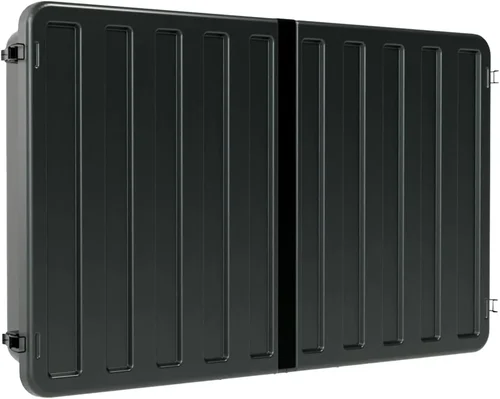
If you’ve ever tried watching your favorite show on a regular TV under your covered patio, you know how quickly the dream of outdoor entertainment can turn into a soggy, pixelated nightmare. Whether it’s morning dew, afternoon humidity, or an unexpected summer downpour sneaking past the eaves, standard indoor TVs simply aren’t built to handle even semi-outdoor conditions. That’s where weatherproof TVs come in—specially engineered displays designed to withstand the elements while delivering crisp visuals and reliable performance year-round.
This comprehensive buyer’s guide is here to help you navigate the often-confusing world of outdoor televisions. Whether you’re planning a backyard movie night, hosting game-day gatherings, or simply want to enjoy your morning news with a cup of coffee on the porch, choosing the right weatherproof TV requires more than just picking the biggest screen you can afford. You’ll learn what truly defines a “weatherproof” TV, how to evaluate key specs like brightness and durability, which brands offer the best value, and how to avoid costly mistakes that could leave you with a fried display after one rainy weekend. By the end of this guide, you’ll have the confidence to make an informed decision that fits your space, budget, and lifestyle.
The market for outdoor TVs has exploded in recent years, driven by rising demand for outdoor living spaces and advancements in display technology. What was once a niche category dominated by a handful of premium brands now includes a wide range of options—from budget-friendly models to ultra-high-end commercial-grade displays. However, not all “outdoor-ready” TVs are created equal. Some are merely indoor TVs with a protective cover, while others are fully sealed, IP-rated units built from the ground up for exterior use. Understanding these differences is critical, especially when your investment could be exposed to temperature swings, UV rays, dust, and moisture for years to come.

What to Look for When Buying Buying Guide
1. IP Rating & Weather Resistance
The most important factor when buying a weatherproof TV is its Ingress Protection (IP) rating—a two-digit code that tells you exactly how well the TV resists dust and water. The first digit ranges from 0 to 6 and measures protection against solid particles like dust; the second digit ranges from 0 to 9 and indicates resistance to liquids. For covered patios, look for at least an IP55 rating (dust-protected and protected against water jets), but IP65 or higher is ideal for full outdoor resilience.
Why does this matter? A TV with an inadequate IP rating might survive light mist but fail catastrophically during heavy rain or high humidity. For example, a unit rated IP43 might handle splashes but won’t survive a thunderstorm. Always verify the IP rating in the product specifications—don’t assume “weatherproof” means fully sealed. Some manufacturers use marketing terms like “all-weather” or “outdoor-ready” without providing concrete IP data, which is a red flag.
Additionally, consider the TV’s operating temperature range. Most quality weatherproof TVs function reliably between -22°F and 122°F (-30°C to 50°C). If you live in an area with extreme winters or scorching summers, ensure the model you choose can handle those conditions without performance degradation or permanent damage.
2. Brightness & Anti-Glare Performance
Indoor TVs typically peak at 300–500 nits of brightness—fine for a dim living room but hopelessly washed out under direct sunlight or even bright patio lighting. Weatherproof TVs need significantly higher brightness to remain visible outdoors. Look for models with at least 700 nits, but ideally 1,000 nits or more for daytime viewing.
Brightness alone isn’t enough, though. Glare from windows, patio doors, or reflective surfaces can ruin the viewing experience even on a bright screen. That’s why top-tier outdoor TVs feature anti-reflective coatings and matte finishes that diffuse ambient light rather than reflecting it. Some premium models also include optical bonding—a process where the LCD panel is directly bonded to the protective glass, reducing internal reflections and improving clarity in bright conditions.
For example, if your covered patio faces west and gets strong afternoon sun, a TV with 1,200 nits and an anti-glare screen will perform far better than a 800-nit model without such features. Test visibility in person if possible, or check detailed reviews that include real-world brightness assessments.
3. Build Quality & Durational Materials
A weatherproof TV isn’t just about electronics—it’s about construction. The chassis should be made from corrosion-resistant materials like powder-coated aluminum or stainless steel, not plastic that can crack, warp, or degrade under UV exposure. Pay close attention to the seals around ports, vents, and the screen itself. High-quality gaskets and silicone seals prevent moisture ingress, which is the leading cause of failure in outdoor electronics.
Also consider the internal components. Reputable manufacturers use conformal-coated circuit boards that resist humidity and corrosion. Cheaper models may skip this step, leading to premature failure. Look for TVs with fully enclosed designs—no exposed vents or gaps where water or insects can enter.
Durability also extends to mounting hardware. Ensure the TV comes with or is compatible with VESA-standard outdoor mounts rated for your TV’s weight and size. Many weatherproof TVs are heavier than their indoor counterparts due to reinforced frames and protective layers, so standard indoor mounts may not suffice.
4. Display Technology & Picture Quality
While brightness and durability are paramount, don’t sacrifice picture quality. Most weatherproof TVs use either LED-LCD or QLED panels. OLEDs are generally avoided for outdoor use due to their susceptibility to burn-in and lower peak brightness compared to QLED.
QLED TVs offer superior color volume, deeper blacks, and higher brightness—making them excellent choices for sunny patios. However, they tend to be more expensive. Standard LED-LCD models can still deliver great performance if they have high brightness and good contrast ratios.
Resolution is another key factor. 4K UHD is now the standard, even for outdoor TVs, and provides sharp, detailed images even on large screens. Avoid 1080p models unless you’re on a very tight budget—they look noticeably softer, especially from close distances.
HDR support (HDR10, HLG, or Dolby Vision) enhances dynamic range, making bright skies and shadowed areas look more natural. While not all outdoor content is HDR-optimized, having the capability future-proofs your investment.
5. Smart Features & Connectivity
Modern weatherproof TVs come equipped with smart platforms like Android TV, webOS, or Roku, allowing you to stream Netflix, YouTube, and other services without external devices. This is especially useful outdoors, where running cables to a streaming box can be impractical.
Check the available ports: HDMI 2.0 or 2.1 inputs are essential for 4K/60Hz content, and USB ports allow for media playback or firmware updates. Some models include weatherproof port covers to protect connections from moisture—a small but critical detail.
Voice control via Google Assistant or Alexa is increasingly common and adds convenience, especially when your hands are full with grilling tools or drinks. Bluetooth support lets you pair wireless speakers or headphones for private listening.
However, be cautious with built-in Wi-Fi. Outdoor environments can have weaker signals due to distance from your router or interference from walls and foliage. Consider using a mesh Wi-Fi system or a dedicated outdoor access point to ensure reliable connectivity.
6. Size & Viewing Distance
Choosing the right screen size depends on your patio layout and typical seating arrangement. A general rule of thumb: for every inch of screen diagonal, sit about 1.5 to 2.5 feet away. So, a 55-inch TV is ideal for viewers 6.5 to 11 feet away.
But don’t go too big—oversized screens can cause eye strain and look disproportionate on smaller patios. Conversely, a screen that’s too small will be hard to see from a distance, especially in bright conditions.
Consider the TV’s bezel width as well. Slim bezels maximize screen real estate and look more modern, but some rugged outdoor models have thicker frames for added protection. Measure your mounting space carefully, including clearance for ventilation and cable management.
7. Brand Reputation & Ecosystem Compatibility
Not all brands that sell weatherproof TVs specialize in them. Some repurpose indoor models with aftermarket enclosures, which may void warranties or compromise performance. Stick with manufacturers known for outdoor electronics, such as SunBriteTV, Samsung (The Terrace), LG (Outdoor OLED), and Seura.
These brands invest in R&D specifically for outdoor use, offering better thermal management, longer lifespans, and more reliable service. They also tend to provide better customer support and clearer warranty terms.
Additionally, consider ecosystem compatibility. If you already own smart home devices from a particular brand (e.g., Google Nest or Apple HomeKit), choosing a TV that integrates seamlessly can simplify control and automation.
8. Warranty & Support
Outdoor TVs are a significant investment, often costing two to three times more than comparable indoor models. A robust warranty is essential. Look for at least a 2-year comprehensive warranty that covers both parts and labor, including damage from environmental factors.
Some premium brands offer extended warranties or service plans that include on-site repairs or replacements. Avoid models with only a 1-year warranty or those that exclude “acts of nature” or “environmental damage”—these loopholes can leave you footing the bill for a failed unit.
Check the manufacturer’s support infrastructure: Do they have local service centers? Is technical support available by phone or chat? Reading user reviews about post-purchase service can reveal a lot about a brand’s reliability.
Different Types of Buying Guide
Common Buying Mistakes to Avoid
❌ Mistake: Assuming All “Outdoor” TVs Are Fully Weatherproof
Why it’s bad: Many retailers label indoor TVs as “suitable for outdoor use” when they’re only meant for fully enclosed, climate-controlled spaces like sunrooms. These units lack proper sealing and can fail within months when exposed to humidity or temperature swings.
What to do instead: Always verify the IP rating and confirm the TV is designed for partial or full outdoor exposure. Look for terms like “all-weather certified” or “built for outdoor use” from reputable manufacturers.
❌ Mistake: Overlooking Brightness Requirements
Why it’s bad: A TV that looks great indoors will appear dim and washed out in daylight, even under a covered patio. This leads to frustration and the temptation to max out brightness, which can shorten the panel’s lifespan.
What to do instead: Prioritize models with at least 700 nits for shaded areas and 1,000+ nits for spaces with indirect sunlight. Check independent reviews that measure real-world brightness.
❌ Mistake: Ignoring Thermal Management
Why it’s bad: Electronics generate heat, and without proper ventilation or cooling, internal components can overheat—especially in enclosed outdoor cabinets or during summer months. Overheating causes performance throttling, color shifts, and premature failure.
What to do instead: Choose TVs with passive cooling systems (heat sinks) or active fans (if rated for outdoor use). Avoid placing the TV in a completely sealed cabinet unless it’s specifically designed for that purpose.
❌ Mistake: Buying Based Solely on Screen Size
Why it’s bad: A massive 75-inch TV might seem impressive, but if your patio only has 8 feet of viewing distance, the image will be overwhelming and pixelated. Conversely, a 43-inch screen may be too small for a large gathering space.
What to do instead: Use the 1.5–2.5x rule for viewing distance and measure your space before buying. Consider how many people will typically watch and where they’ll sit.
❌ Mistake: Skimping on Mounting Hardware
Why it’s bad: Standard indoor mounts aren’t built to handle the weight and environmental stress of weatherproof TVs. Using the wrong mount can lead to sagging, instability, or even the TV falling.
What to do instead: Invest in a VESA-compatible outdoor mount rated for your TV’s weight and size. Look for corrosion-resistant materials and tilt/swivel options for optimal viewing angles.
❌ Mistake: Neglecting Power and Connectivity Planning
Why it’s bad: Running power cords across a patio creates tripping hazards and exposes cables to weather damage. Poor Wi-Fi signal leads to buffering and frustration.
What to do instead: Plan for weatherproof conduit for cables and consider a dedicated outdoor Wi-Fi extender. Use wireless streaming when possible to minimize cable clutter.
❌ Mistake: Not Reading the Fine Print on Warranties
Why it’s bad: Some warranties exclude “environmental damage” or require professional installation to remain valid. You could be denied service for a legitimate defect.
What to do instead: Read the full warranty terms before purchasing. Choose brands that explicitly cover outdoor use and offer hassle-free claims.
Budget Guidelines: How Much Should You Spend?
Entry-Level ($800 – $1,500): This tier includes indoor TVs paired with third-party outdoor enclosures or basic weatherproof models with limited brightness (500–700 nits) and lower IP ratings (IP44–IP54). Best for fully covered, shaded patios with minimal sun exposure. Expect shorter lifespans and fewer smart features. Ideal for occasional use or secondary viewing areas.
Mid-Range ($1,500 – $3,000): The sweet spot for most homeowners. These TVs offer 700–1,200 nits brightness, IP55 or higher ratings, robust build quality, and full smart functionality. Models like the SunBriteTV Veranda series or Samsung The Terrace (partial sun) fall here. They balance performance, durability, and price, making them perfect for regular use under covered patios.
Premium ($3,000 – $5,000): Designed for serious outdoor entertainment. These units feature 1,200–2,000+ nits brightness, IP65 or higher ratings, advanced anti-glare coatings, and commercial-grade components. They’re built to last 7–10 years with minimal maintenance. Great for patios with partial sun or high humidity.
Luxury ($5,000+): Top-tier models like the SunBriteTV Pro Series or LG Outdoor OLED offer极致 performance, ultra-high brightness, and bespoke designs. Often used in high-end homes, resorts, or commercial settings. These TVs support 24/7 operation, extreme temperatures, and come with extended warranties and white-glove installation services.

Expert Tips for Getting the Best Deal
1. Buy During Off-Season: Prices drop significantly in late fall and winter when outdoor living demand is low. Look for end-of-season sales from April to June, or post-holiday discounts in January.
2. Compare Total Cost of Ownership: A cheaper TV may cost more long-term if it fails after two years. Factor in expected lifespan, warranty length, and energy efficiency.
3. Shop Authorized Retailers: Buy directly from the manufacturer or authorized dealers to ensure genuine products, valid warranties, and access to support. Avoid third-party sellers on marketplaces unless verified.
4. Negotiate Bundles: Some retailers offer discounts when you buy a TV with a mount, soundbar, or installation service. Ask about package deals.
5. Check for Rebates and Incentives: Energy-efficient models may qualify for local utility rebates. Some manufacturers offer mail-in rebates or trade-in programs.
6. Test Before You Commit: If possible, visit a showroom to evaluate brightness, color accuracy, and build quality in person. Online reviews are helpful, but hands-on experience is invaluable.
7. Read Return Policies Carefully: Outdoor TVs are often non-returnable due to their specialized nature. Ensure you have at least a 14-day return window and understand restocking fees.
8. Consider Refurbished or Open-Box Units: Certified refurbished models from reputable brands can save 20–30% and often come with the same warranty as new units.

Frequently Asked Questions
Q: Can I use a regular TV under a covered patio?
A: Technically yes, but it’s not recommended. Even covered patios can experience humidity, temperature swings, and accidental splashes. Without proper sealing and thermal management, an indoor TV will likely fail within 1–3 years. A weatherproof TV is a safer, longer-lasting investment.
Q: Do weatherproof TVs need special maintenance?
A: Minimal maintenance is required. Wipe the screen with a microfiber cloth and mild cleaner monthly. Check seals and ports for debris. Avoid harsh chemicals or abrasive materials. Most models are designed for set-it-and-forget-it use.
Q: Will a weatherproof TV work in winter?
A: Yes, as long as it’s rated for low temperatures. Most operate down to -22°F (-30°C). However, extreme cold can temporarily reduce brightness. Allow the TV to warm up gradually before extended use.
Q: Can I mount a weatherproof TV on a wall or ceiling?
A: Absolutely. Most come with standard VESA mounting patterns. Use an outdoor-rated mount and ensure the surface can support the weight. Ceiling mounts are great for pergolas or gazebos.
Q: Do I need a soundbar for outdoor TVs?
A: Built-in speakers on outdoor TVs are often underpowered due to space and sealing constraints. For better audio, pair with a weatherproof soundbar or outdoor speakers. Wireless options reduce cable clutter.
Q: Are weatherproof TVs energy efficient?
A: Modern models are surprisingly efficient, especially QLED and LED-LCD types. Look for ENERGY STAR certification. Brightness settings also impact power use—lower brightness when possible saves energy.
Q: Can I leave my weatherproof TV on all the time?
A: Only if it’s a commercial-grade model rated for 24/7 operation. Residential units are designed for intermittent use. Continuous operation can overheat components and void warranties.
Q: What’s the difference between IP55 and IP65?
A: IP55 protects against dust (limited ingress) and low-pressure water jets from any direction. IP65 offers complete dust protection and resistance to stronger water jets. IP65 is better for areas with heavy rain or hose cleaning.
Q: Do weatherproof TVs come with remotes?
A: Yes, but many include weather-resistant remotes with rubberized buttons. Some also support smartphone apps or voice control for added convenience.
Q: How long do weatherproof TVs last?
A: With proper care, most last 7–10 years. Premium models with commercial components can exceed 10 years. Lifespan depends on usage, climate, and build quality.
Our Final Recommendations
Best for Budget-Conscious Buyers: SunBriteTV Veranda Series (55″) – Offers excellent value with 700 nits brightness, IP55 rating, and full smart features under $2,000. Perfect for covered patios with minimal sun exposure.
Best Overall Value: Samsung The Terrace (Partial Sun, 65″) – Combines QLED color, 1,000+ nits brightness, and sleek design at a competitive price. Ideal for most covered outdoor spaces.
Best Premium Option: SunBriteTV Pro Series (75″) – Built for extreme conditions with 2,000 nits brightness, IP65 rating, and military-grade durability. Worth the investment for serious outdoor entertainers.
Best for Beginners: Seura Outdoor TV (50″) – User-friendly setup, reliable performance, and strong customer support. Great first outdoor TV with minimal hassle.
Best for Advanced Users: LG Outdoor OLED (65″) – Delivers stunning contrast and color with OLED technology, optimized for outdoor use. Best for those who prioritize picture quality above all.
Conclusion: Making the Right Choice
Choosing the right weatherproof TV for your covered patio is about balancing performance, durability, and budget. It’s not just about surviving the elements—it’s about enjoying crisp, vibrant entertainment outdoors, rain or shine. By focusing on key factors like IP rating, brightness, build quality, and warranty, you can avoid common pitfalls and invest in a TV that will enhance your outdoor living space for years to come.
Remember, the cheapest option isn’t always the best value, and the biggest screen isn’t always the right fit. Prioritize your specific needs: How much sun does your patio get? How many people will typically watch? What’s your ideal viewing distance? Answering these questions will guide you to the perfect model.
Don’t rush the decision. Take advantage of seasonal sales, read detailed reviews, and consult with experts if needed. Your outdoor TV is more than a gadget—it’s the centerpiece of memorable gatherings, quiet mornings, and everything in between. With the insights from this guide, you’re now equipped to make a confident, informed choice that brings your outdoor entertainment dreams to life.

