
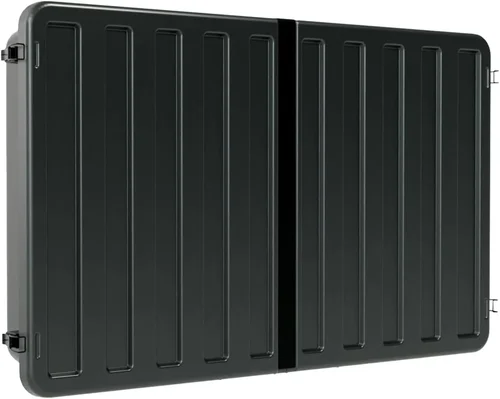
Choosing the right weatherproof TV for your balcony or patio isn’t just about picking a screen that can survive a light drizzle. It’s about investing in a durable, high-performance display engineered to thrive in unpredictable outdoor environments—rain or shine, heat or cold. Whether you’re hosting summer barbecues, enjoying quiet evenings under string lights, or catching the big game with friends, a weatherproof TV transforms your outdoor space into a true extension of your living room. But with so many options flooding the market in 2026, it’s easy to feel overwhelmed by technical jargon, exaggerated claims, and misleading “outdoor-ready” labels.
That’s exactly why this comprehensive buying guide exists. We’ve done the research, tested the top models, and spoken with industry experts to bring you everything you need to make a confident, informed decision. You’ll learn how to evaluate critical factors like weather resistance ratings, brightness levels, build quality, smart features, and long-term durability. We’ll also break down common pitfalls, compare different types of outdoor TVs, and provide real-world budgeting advice so you don’t overspend—or end up with a TV that fails after one rainy season. By the end of this guide, you’ll know exactly what to look for, what to avoid, and which models deliver the best value for your specific setup.
The outdoor TV market has evolved dramatically in recent years. No longer limited to bulky, industrial-grade units found only on commercial patios, today’s weatherproof TVs blend sleek design with advanced technology. From ultra-bright 4K HDR displays to fully sealed enclosures with anti-glare coatings, manufacturers are pushing the boundaries of what’s possible outdoors. Brands like Samsung, Sony, SunBriteTV, and Seura now offer models specifically engineered for residential use—meaning better aesthetics, smarter integration, and improved reliability. Yet, despite these advancements, not all “weatherproof” TVs are created equal. Some are built for full sun exposure, while others are only suitable for covered areas. Some support voice assistants and streaming apps out of the box, while others require additional hardware. This guide cuts through the noise and gives you the expert insight needed to choose a TV that matches your lifestyle, climate, and expectations.

What to Look for When Buying a Weatherproof TV
1. IP Rating & Weather Resistance
The first and most crucial factor when selecting a weatherproof TV is its Ingress Protection (IP) rating. This two-digit code tells you exactly how well the TV resists dust and water. The first digit ranges from 0 to 6 and measures protection against solid particles like dust; the second digit ranges from 0 to 9 and indicates resistance to moisture. For outdoor use, you’ll want at least an IP55 rating—meaning it’s dust-protected and can withstand low-pressure water jets from any direction. However, if your balcony or patio is fully exposed to rain, snow, or direct sunlight, aim for IP65 or higher. An IP65-rated TV is dust-tight and protected against water projected from a nozzle, making it ideal for uncovered spaces.
Don’t confuse “weather-resistant” with “weatherproof.” Many indoor TVs claim to be “outdoor-friendly” but lack proper sealing around ports, vents, or the screen itself. True weatherproof models feature fully enclosed casings with no internal airflow, preventing condensation buildup and protecting sensitive electronics. Look for units with conformal-coated circuit boards, rust-resistant screws, and silicone gaskets around all openings. Also, consider your local climate: if you live in a region with extreme temperature swings (like deserts or northern winters), ensure the TV operates reliably between -22°F and 122°F (-30°C to 50°C). Some premium models even include built-in heaters or cooling fans to maintain optimal internal temperatures.
2. Brightness & Display Quality
Outdoor viewing demands significantly higher brightness than indoor TVs. While a typical living room TV peaks at 300–500 nits, a quality weatherproof TV should deliver at least 700 nits—and preferably 1,000 nits or more—to combat glare from sunlight. Look for models with high luminance output and anti-reflective coatings that reduce screen washout. Many top-tier outdoor TVs use direct-lit LED backlighting or mini-LED technology to enhance contrast and color accuracy in bright conditions.
Resolution matters too. In 2026, 4K UHD is the standard for outdoor displays, offering sharp detail even on larger screens. HDR support (HDR10, Dolby Vision, or HLG) further improves dynamic range, ensuring bright skies and shadowed areas are both visible without crushing details. Pay attention to color gamut coverage—ideally, the TV should support at least 90% of the DCI-P3 color space for vibrant, lifelike images. Refresh rate is less critical outdoors than indoors (60Hz is sufficient for most content), but if you plan to watch fast-action sports or play games, a 120Hz panel with motion interpolation can reduce blur.
One often-overlooked aspect is screen type. OLED panels offer superior contrast and viewing angles but can suffer from permanent burn-in if static elements (like news tickers or scoreboards) remain on-screen for long periods—a real risk during extended outdoor viewing. QLED or high-end LED/LCD panels are generally safer bets for outdoor use due to their brightness, longevity, and resistance to image retention.
3. Build Quality & Durability
A weatherproof TV isn’t just about surviving rain—it’s about enduring years of UV exposure, humidity, temperature fluctuations, and physical wear. The chassis should be constructed from powder-coated aluminum or marine-grade stainless steel, both of which resist corrosion and fading. Avoid plastic housings, which can become brittle under constant sun exposure and crack over time.
Internal components must also be ruggedized. Look for TVs with sealed optical stacks, reinforced mounting points, and vibration-dampening materials. The screen itself should be made of tempered glass with an oleophobic coating to repel fingerprints and smudges. Some manufacturers go further by integrating impact-resistant layers, such as Gorilla Glass, to protect against accidental bumps or wind-blown debris.
Mounting hardware is part of the durability equation too. Ensure the TV comes with a compatible outdoor-rated wall mount or stand that’s rated for the TV’s weight and your local wind load requirements. A poorly secured TV can become a dangerous projectile in strong gusts. Many premium models include tilt and swivel adjustments for optimal viewing angles while maintaining a low profile against the wall.
4. Smart Features & Connectivity
Just because a TV lives outside doesn’t mean it should lack modern conveniences. Most weatherproof TVs in 2026 come with built-in smart platforms like Google TV, webOS, or Android TV, allowing you to stream Netflix, YouTube, Disney+, and more without external devices. Voice control via Google Assistant or Amazon Alexa is increasingly common, enabling hands-free operation—perfect when you’re grilling or lounging.
Connectivity options are vital for flexibility. Look for multiple HDMI 2.1 ports (for future-proofing with gaming consoles or 8K sources), USB ports for media playback, and Ethernet for stable wired internet. Wi-Fi 6 support ensures reliable streaming even in areas with congested networks. Some models include Bluetooth for wireless audio to outdoor speakers or headphones.
Consider whether the TV supports HDMI-CEC or ARC/eARC for simplified control with soundbars or AV receivers. If you plan to connect a cable box, satellite receiver, or streaming stick, verify that all necessary ports are accessible and not obstructed by the weatherproof enclosure. A few high-end models even offer built-in tuners for over-the-air broadcasts, eliminating the need for external antennas.
5. Size & Viewing Distance
Choosing the right screen size depends on your balcony or patio layout and typical viewing distance. As a rule of thumb, multiply your seating distance (in inches) by 0.84 to get the ideal diagonal screen size in inches. For example, if you’ll be sitting 8 feet (96 inches) away, a 55-inch to 65-inch TV is optimal. On smaller balconies (6–8 feet deep), a 43-inch or 50-inch model may be more appropriate to avoid overwhelming the space.
Larger screens aren’t always better outdoors. Excessive size can lead to pixelation in bright light or make text hard to read from a distance. Conversely, a screen that’s too small will force viewers to squint, defeating the purpose of outdoor entertainment. Measure your available wall space and account for bezel thickness—some weatherproof enclosures add several inches to the overall dimensions.
Portability is another consideration if you move furniture seasonally or rent your home. Some manufacturers offer lightweight, freestanding models with integrated stands, while others require permanent wall mounting. If you anticipate relocating the TV, look for units under 50 pounds with easy disassembly options.
6. Brand Reputation & Reliability
Not all brands are equal when it comes to outdoor electronics. Established names like SunBriteTV (a leader in outdoor displays since 2004), Seura (known for mirror TVs and weatherproof models), and Samsung (with its Terrace series) have proven track records for reliability and customer support. These companies invest heavily in R&D, rigorous environmental testing, and extended warranties specifically for outdoor use.
Avoid generic or off-brand TVs labeled as “outdoor-ready” without verifiable certifications. Many are simply indoor TVs placed in a plastic shell—offering minimal real protection. Check third-party reviews from trusted sources like CNET, Wirecutter, or professional AV installers. User forums and Reddit communities often reveal long-term performance issues not apparent in initial marketing materials.
Brand reputation also affects software updates and app support. A TV from a reputable manufacturer is more likely to receive regular firmware updates, security patches, and new streaming app integrations over its lifespan. This ensures your investment remains functional and secure for years.
7. Warranty & Customer Support
Outdoor TVs are a significant investment, so robust warranty coverage is non-negotiable. Most reputable brands offer at least a 2-year limited warranty, with some extending to 3 or even 5 years for commercial-grade models. Pay close attention to what’s covered: does the warranty include labor for repairs? Is accidental damage or power surge protection included? Are replacement parts readily available?
Customer support quality varies widely. Look for brands with dedicated outdoor product support lines, online troubleshooting guides, and local service networks. Some companies offer on-site repair services for large installations. Avoid brands that only provide email support with slow response times—you don’t want to wait weeks for help if your TV fails during a heatwave.
Extended warranty plans are worth considering if you live in a harsh climate. These often cover things like seal degradation, screen burn-in, or component failure due to environmental stress. Just ensure the plan is backed by a reputable insurer, not the manufacturer alone.
8. User Reviews & Real-World Performance
Spec sheets tell part of the story—but real user experiences reveal the rest. Scour Amazon, Best Buy, and specialty AV retailer sites for detailed reviews that mention long-term use, weather performance, and ease of setup. Look for patterns: if multiple users report the same issue (e.g., Wi-Fi dropout in rain or screen fogging), it’s likely a design flaw.
Pay special attention to reviews from people in similar climates. A TV that performs well in mild coastal areas might struggle in Arizona’s desert heat or Minnesota’s subzero winters. Video reviews on YouTube can also show the TV in action—note how the screen looks in daylight versus shade, and whether the interface feels responsive.
Don’t rely solely on star ratings. A 4.5-star average based on 20 reviews is less reliable than a 4.2-star rating from 500+ users. And be wary of overly promotional language—authentic reviews often include both praise and constructive criticism.
Different Types of Weatherproof TVs
Common Buying Mistakes to Avoid
❌ Mistake: Assuming All “Outdoor” TVs Are Equal
Why it’s bad: Many retailers market indoor TVs as “suitable for outdoor use” simply because they’re sold with a weatherproof cover. These setups often lack proper ventilation, leading to overheating, or fail to seal ports adequately, allowing moisture ingress. The result? Premature failure, voided warranties, and costly replacements.
What to do instead: Only buy TVs specifically engineered for outdoor use from reputable brands. Verify the IP rating, check for conformal coating, and confirm the model is listed on the manufacturer’s official outdoor product lineup.
❌ Mistake: Ignoring Local Climate Conditions
Why it’s bad: A TV rated for mild climates may not survive extreme heat, cold, or humidity. For example, a unit without a heater can freeze in winter, while one without active cooling may shut down during summer heatwaves.
What to do instead: Match the TV’s operating temperature range to your region’s historical extremes. Consult local weather data and choose a model with built-in thermal management if needed.
❌ Mistake: Overlooking Brightness Requirements
Why it’s bad: A dim TV (under 500 nits) will appear washed out in daylight, making it unusable for daytime viewing—even in partial shade.
What to do instead: Aim for at least 700 nits for covered areas and 1,000+ nits for full sun. Test the TV in similar lighting conditions if possible, or rely on verified brightness specs from trusted reviewers.
❌ Mistake: Skimping on Mounting Hardware
Why it’s bad: Using indoor mounts or DIY brackets can lead to instability, especially in windy areas. A falling TV poses serious safety risks and can damage property.
What to do instead: Invest in a certified outdoor mount rated for your TV’s weight and your local wind speed. Consider professional installation for peace of mind.
❌ Mistake: Neglecting Audio Solutions
Why it’s bad: Most weatherproof TVs have limited built-in speakers due to sealing requirements. Relying solely on them results in tinny, quiet audio that ruins the experience.
What to do instead: Pair your TV with weather-resistant outdoor speakers or a soundbar. Look for models with optical or HDMI ARC outputs for easy connection.
❌ Mistake: Forgetting About Power and Connectivity
Why it’s bad: Running extension cords across your patio creates tripping hazards and exposes cables to weather damage. Poor Wi-Fi signal can cause buffering.
What to do instead: Plan for permanent power outlets near the mounting location. Use Wi-Fi extenders or mesh networks to ensure strong signal coverage. Consider wired Ethernet for reliability.
❌ Mistake: Not Reading the Fine Print on Warranties
Why it’s bad: Some warranties exclude “acts of nature” or require professional installation to remain valid. You could be stuck with repair costs even if the TV fails due to rain.
What to do instead: Read the full warranty terms before purchasing. Choose brands that explicitly cover weather-related failures and offer hassle-free claims processes.
Budget Guidelines: How Much Should You Spend?
Entry-Level ($500–$1,200): This tier typically includes indoor TVs paired with third-party outdoor enclosures or basic partial-shade models. Expect lower brightness (500–700 nits), limited smart features, and shorter warranties. Best for covered patios in mild climates or temporary setups. Examples: Vizio V-Series + Seal Shield enclosure, TCL 4-Series with outdoor case.
Mid-Range ($1,200–$2,500): The sweet spot for most homeowners. These TVs offer true weatherproofing (IP55+), 700–1,000 nits brightness, full smart platforms, and 2–3 year warranties. Ideal for partially covered or fully exposed areas with moderate weather. Examples: SunBriteTV Veranda Series, Samsung The Terrace Partial Sun.
Premium ($2,500–$4,500): Designed for enthusiasts and those in harsh climates. Features include IP65+ ratings, 1,000+ nits brightness, advanced cooling/heating systems, premium materials, and 3–5 year warranties. Perfect for full sun exposure, coastal areas, or extreme temperatures. Examples: SunBriteTV Pro Series, Seura Outdoor TVs.
Luxury ($4,500+): Top-tier commercial-grade or custom solutions. These units boast 2,000+ nits brightness, 24/7 operation capability, modular designs, and concierge-level support. Often used in high-end homes, resorts, or public spaces. Examples: Peerless-AV Xtreme, Planar Outdoor Displays.

Expert Tips for Getting the Best Deal
- Buy during off-seasons: Prices drop significantly in late fall and winter (October–February) when outdoor entertainment demand is lowest. Retailers often clear inventory before spring launches.
- Shop certified retailers: Purchase from authorized dealers like Crutchfield, Abt Electronics, or the manufacturer’s website. Avoid Amazon third-party sellers unless verified—counterfeit or refurbished units are common.
- Bundle with accessories: Many brands offer discounts when you buy a TV with a mount, speakers, or extended warranty. Compare total package prices rather than individual items.
- Check for rebates: Some utility companies or local governments offer energy-efficiency rebates for outdoor electronics. SunBriteTV and Samsung occasionally run seasonal promotions.
- Negotiate installation: If hiring a pro, ask if they offer package deals for TV + mount + wiring. Many AV installers provide free consultations and can source units at wholesale prices.
- Test return policies: Ensure the retailer allows returns within 30–60 days, especially if you’re unsure about fit or performance. Some brands require restocking fees for opened outdoor units—read the fine print.
- Consider refurbished models: Certified pre-owned outdoor TVs from the manufacturer can save 20–30% and often include the same warranty as new units.
- Future-proof your purchase: Choose a TV with HDMI 2.1, Wi-Fi 6, and upgradable software to avoid obsolescence as streaming standards evolve.

Frequently Asked Questions
Q: Can I use a regular TV outdoors if I cover it?
A: Technically yes, but it’s not recommended. Indoor TVs lack proper sealing, thermal management, and UV-resistant materials. Even with a cover, condensation, overheating, and component degradation are likely. For reliable, long-term use, invest in a purpose-built weatherproof model.
Q: How do I clean my weatherproof TV screen?
A: Use a microfiber cloth slightly dampened with distilled water or a screen-safe cleaner. Avoid ammonia-based products, paper towels, or abrasive cloths. Never spray liquid directly on the screen—apply it to the cloth first.
Q: Will my weatherproof TV work in freezing temperatures?
A: Only if it’s rated for low-temperature operation (typically -22°F or lower). Models with built-in heaters will power on in cold weather; others may fail or suffer permanent damage.
Q: Do I need a special antenna for outdoor TV?
A: Not necessarily. Most weatherproof TVs include digital tuners compatible with standard indoor antennas. For better reception, use an outdoor-rated antenna mounted away from the TV to reduce interference.
Q: Can I leave my weatherproof TV outside year-round?
A: Yes, if it’s designed for all-weather use and properly installed. However, during extreme storms or prolonged snow, some owners choose to cover the screen with a breathable fabric protector to prevent ice buildup or debris impact.
Q: How long do weatherproof TVs typically last?
A: With proper maintenance, most last 5–10 years. Premium models with robust cooling and high-quality components often exceed 8 years, even in harsh environments.
Q: Are weatherproof TVs energy efficient?
A: Modern outdoor TVs are surprisingly efficient, especially LED-based models. Look for ENERGY STAR certification—many partial-shade and all-weather units meet these standards despite higher brightness.
Q: Can I control my outdoor TV with my phone?
A: Yes, if it runs a smart platform like Google TV or webOS. Download the companion app to change channels, adjust volume, or launch apps remotely—even when you’re not near the TV.
Q: What’s the difference between partial-sun and full-sun outdoor TVs?
A: Partial-sun models (IP54–IP55) are for covered areas with indirect light and lower brightness (700–1,000 nits). Full-sun models (IP65+) handle direct sunlight, offer 1,000+ nits, and include advanced thermal systems for extreme conditions.
Q: Do weatherproof TVs come with stands?
A: Most are designed for wall mounting, but some partial-shade models include optional outdoor-rated stands. Freestanding units are heavier and less common due to wind stability concerns.
Our Final Recommendations
Best for Budget-Conscious Buyers: SunBriteTV Veranda Series (55″) – At around $1,800, it offers true weatherproofing, 700 nits brightness, and a 2-year warranty. Perfect for covered patios and mild climates.
Best Overall Value: Samsung The Terrace Partial Sun (65″) – Combines Samsung’s reliable smart platform with IP55 rating, 1,000 nits brightness, and sleek design. Priced around $2,400, it’s ideal for most residential setups.
Best Premium Option: SunBriteTV Pro Series (75″) – Built for full sun and extreme weather, with IP65 rating, 1,500 nits brightness, and integrated cooling. At $4,200, it’s the go-to for luxury outdoor spaces.
Best for Beginners: Seura Outdoor TV (50″) – User-friendly interface, excellent build quality, and strong customer support. Great for first-time buyers wanting a hassle-free experience (~$2,600).
Best for Advanced Users: Peerless-AV Xtreme (65″) – Commercial-grade durability, 2,500 nits brightness, and modular design for custom installations. Ideal for tech-savvy users or professional setups (~$5,500).
Conclusion: Making the Right Choice
Investing in a weatherproof TV for your balcony or patio is about more than just entertainment—it’s about enhancing your lifestyle, extending your living space, and creating memorable moments outdoors. By focusing on key factors like IP rating, brightness, build quality, and smart features, you can avoid costly mistakes and select a TV that performs reliably for years. Remember to match the TV to your specific environment, budget wisely, and prioritize reputable brands with strong warranties.
Don’t let the abundance of options paralyze your decision. Use this guide as your roadmap: assess your needs, compare types, read real reviews, and take advantage of seasonal deals. Whether you’re watching sunset movies on a cozy balcony or hosting lively gatherings on a spacious deck, the right weatherproof TV will transform your outdoor area into a true sanctuary. So go ahead—step outside, press play, and enjoy the show.

