
Outdoor living spaces have evolved dramatically over the past decade, transforming from simple backyards into fully functional extensions of the home. For many families, the patio is no longer just a place for grilling or sunbathing—it’s become the heart of social gatherings, movie nights under the stars, and weekend game-day celebrations. As more people invest in outdoor comfort and entertainment, one piece of technology has emerged as a game-changer: the patio TV. Whether you’re hosting a barbecue, watching the big game with friends, or enjoying a quiet evening with a movie, having a reliable outdoor television can elevate your experience significantly.
But choosing the right patio TV isn’t as simple as picking up any old indoor model and mounting it outside. Outdoor environments present unique challenges—intense sunlight, fluctuating temperatures, humidity, rain, dust, and even pests—that can quickly damage standard electronics. That’s why this comprehensive buying guide exists: to help you navigate the complex world of outdoor televisions with confidence. Whether you’re a first-time buyer or upgrading from an older model, you’ll learn exactly what to look for, which features matter most, how to avoid common pitfalls, and how to get the best value for your investment.
The market for outdoor TVs has grown rapidly in recent years, with manufacturers now offering a wide range of options tailored specifically for exterior use. From fully weatherproof models built to withstand extreme conditions to more affordable semi-outdoor displays designed for covered patios, there’s something for every budget and lifestyle. However, with so many choices—and so much misinformation online—it’s easy to feel overwhelmed. This guide cuts through the noise, providing expert insights, real-world advice, and actionable tips to help you make a smart, informed decision. By the end, you’ll know not only what to buy but also how to use it effectively for years of family fun.
What to Look for When Buying Buying Guide
1. Weather Resistance & IP Rating
When it comes to outdoor electronics, weather resistance isn’t optional—it’s essential. Unlike indoor TVs, which operate in controlled environments, patio TVs are exposed to rain, snow, dust, UV rays, and temperature swings. That’s why the Ingress Protection (IP) rating is one of the most critical specifications to check before making a purchase.
The IP rating consists of two numbers: the first indicates protection against solid particles like dust, and the second measures resistance to liquids such as water. For example, an IP55 rating means the TV is protected from limited dust ingress and low-pressure water jets from any direction. For most covered patios, an IP54 or higher is sufficient. However, if your TV will be installed in an open area exposed to direct rain or snow, you’ll want at least an IP65 rating—meaning it’s dust-tight and protected against water projected from a nozzle.
Beyond the IP rating, look for additional weatherproofing features such as sealed ports, corrosion-resistant materials, and UV-protected casings. Some premium models even include internal heaters or cooling systems to maintain optimal operating temperatures in extreme cold or heat. These features may increase the price, but they significantly extend the lifespan of your TV and reduce the risk of premature failure.
It’s also worth noting that “weather-resistant” doesn’t always mean “weatherproof.” Many manufacturers market their TVs as suitable for outdoor use, but upon closer inspection, they’re only designed for semi-covered areas like screened-in porches or gazebos. Always read the fine print and verify the intended installation environment. If you’re unsure, consult the manufacturer or a certified installer.
2. Screen Brightness & Anti-Glare Technology
One of the biggest challenges with outdoor viewing is ambient light. Sunlight reflecting off the screen can wash out colors, reduce contrast, and make it nearly impossible to see details—especially during daytime gatherings. That’s why brightness, measured in nits, is a crucial factor when selecting a patio TV.
Indoor TVs typically range from 250 to 500 nits, which is fine for dimly lit rooms but inadequate for outdoor use. For patios, you’ll want a minimum of 700 nits, with 1000 nits or higher being ideal for bright, sunny locations. Some top-tier outdoor models boast brightness levels exceeding 2000 nits, ensuring crisp, vibrant images even at noon on a cloudless day.
Equally important is anti-glare technology. Many outdoor TVs feature specialized coatings or matte finishes that diffuse reflected light, minimizing glare without sacrificing image quality. Look for terms like “anti-reflective coating,” “sunlight-readable display,” or “high-brightness panel” in the product description. These features work best when combined with proper placement—avoid installing the TV directly opposite windows or reflective surfaces like pools or glass railings.
Another consideration is viewing angle. Unlike indoor setups where everyone sits directly in front of the screen, outdoor gatherings often involve people seated at various angles. Choose a TV with wide viewing angles (ideally 178 degrees horizontal and vertical) to ensure consistent picture quality from all positions. OLED panels generally offer superior viewing angles compared to standard LCDs, though they come at a higher cost.
3. Build Quality & Durability
Outdoor TVs aren’t just exposed to the elements—they’re also subject to physical wear and tear from wind, vibrations, and accidental bumps. That’s why build quality matters more than ever. A well-constructed patio TV should feel solid and substantial, with robust materials that resist warping, rust, and degradation over time.
Start by examining the frame and housing. Aluminum alloys are popular choices because they’re lightweight, corrosion-resistant, and durable. Avoid plastic enclosures unless they’re specifically engineered for outdoor use and reinforced with UV stabilizers. Pay attention to seams and joints—poorly sealed areas can allow moisture and debris to enter, leading to internal damage.
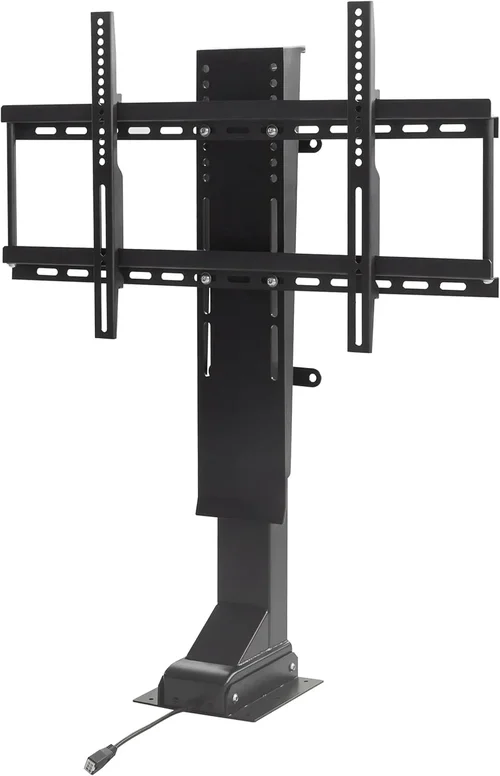
Mounting hardware is another area where quality counts. Standard indoor mounts won’t cut it outdoors. You’ll need a heavy-duty, weatherproof mount rated for your TV’s size and weight. Many outdoor TVs come with compatible mounts included, but if not, invest in a reputable brand designed for exterior use. Ensure the mount allows for tilt and swivel adjustments so you can optimize the viewing angle based on seating arrangements and sun position.
Additionally, consider the TV’s internal components. High-quality capacitors, heat sinks, and circuit boards are less likely to fail under stress. Some manufacturers use conformal coating—a protective layer applied to circuit boards—to guard against moisture and corrosion. While this detail isn’t always advertised, it’s a sign of thoughtful engineering.
Finally, don’t overlook cable management. Outdoor installations often involve running power and signal cables through walls or along structures. Look for models with accessible, sealed cable ports and optional conduit compatibility to keep wires organized and protected.
4. Size & Viewing Distance
Choosing the right screen size for your patio depends on several factors, including the size of your space, seating arrangement, and typical viewing distance. Unlike indoor TVs, where larger is often better, outdoor setups require a balance between visibility and comfort.
A general rule of thumb is to multiply your viewing distance (in feet) by 0.84 to get the ideal screen diagonal in inches. For example, if your seating area is 10 feet from the TV, a 84-inch screen would be optimal. However, this formula assumes ideal lighting and seating conditions. In practice, you may need to adjust based on ambient light, seating layout, and personal preference.
For small patios or covered decks, a 55- to 65-inch TV is usually sufficient. These sizes provide a cinematic experience without overwhelming the space. Medium-sized patios (12×12 feet or larger) can comfortably accommodate 70- to 85-inch models, especially if you have multiple seating zones. For large outdoor theaters or backyard amphitheaters, consider 90-inch or larger displays—though these require professional installation and robust mounting solutions.
Keep in mind that bigger screens consume more power and generate more heat, which can affect performance in extreme temperatures. Also, ensure your chosen location has enough wall space and structural support. Mounting a large TV on a flimsy fence or pergola is a recipe for disaster.
Another factor is resolution. While 4K UHD is standard even on mid-range models, some budget outdoor TVs still offer only 1080p. For screens larger than 65 inches, 4K is highly recommended to maintain sharpness and detail, especially when viewed up close.
5. Audio Capabilities & Sound Solutions
Most outdoor TVs come with built-in speakers, but don’t expect audiophile-level performance. Due to space constraints and weatherproofing requirements, internal audio systems are often underpowered and lack depth. This isn’t necessarily a flaw—it’s a design trade-off—but it means you’ll likely need external sound reinforcement for family gatherings.
If you plan to host parties or watch movies with a group, consider investing in outdoor speakers. Weather-resistant Bluetooth or wired speakers can be mounted on walls, railings, or posts and synced with your TV via HDMI ARC, optical audio, or wireless streaming. Some advanced models support multi-room audio, allowing you to extend sound to other areas like the deck or poolside.
Alternatively, soundbars designed for outdoor use are becoming more common. These compact units deliver richer bass and clearer dialogue than built-in speakers and are easier to install than full speaker arrays. Look for models with IP ratings matching your TV and compatibility with your preferred audio sources.
For a truly immersive experience, consider a full outdoor audio system with subwoofers and surround speakers. While this adds complexity and cost, it transforms your patio into a premium entertainment zone. Just remember to plan cable runs and power sources in advance.
6. Smart Features & Connectivity
Modern outdoor TVs aren’t just displays—they’re smart hubs capable of streaming content, connecting to home networks, and integrating with voice assistants. When evaluating smart features, focus on usability, app availability, and connectivity options.
Most outdoor TVs run on popular platforms like Android TV, webOS (LG), or Tizen (Samsung). These systems offer access to Netflix, YouTube, Disney+, and other streaming services directly from the TV. Ensure the interface is responsive and easy to navigate with a remote or smartphone app. Some models support voice control via Google Assistant or Alexa, which is handy when your hands are full with food or drinks.
Connectivity is equally important. Look for multiple HDMI ports (at least three), USB inputs, Ethernet for wired internet, and Wi-Fi 5 or 6 for reliable wireless streaming. If you use gaming consoles, cable boxes, or media players, verify compatibility and port availability. Some TVs also include RS-232 or IP control for integration with home automation systems.
One often-overlooked feature is firmware update capability. Outdoor TVs should receive regular software updates to fix bugs, improve performance, and add new features. Check the manufacturer’s update policy and user forums to see how responsive they are to support requests.
7. Installation & Maintenance Requirements
Even the best outdoor TV won’t perform well if it’s poorly installed or neglected. Proper installation ensures safety, optimal viewing, and long-term reliability. Unless you’re experienced with electrical work and structural mounting, hire a certified professional. They’ll assess your patio’s structure, recommend the right mount, and ensure all connections are secure and weatherproof.
Maintenance is another ongoing responsibility. While outdoor TVs are built to last, they still require periodic care. Clean the screen gently with a microfiber cloth and mild cleaner—avoid ammonia-based products that can damage anti-glare coatings. Inspect seals and ports for cracks or debris every few months. If your TV has a filter (some do for ventilation), replace it according to the manufacturer’s schedule.
Seasonal considerations also apply. In colder climates, consider using a protective cover during winter months to shield the TV from snow and ice. In humid regions, ensure adequate airflow around the unit to prevent condensation buildup. Never leave cables dangling or exposed—use conduit or raceways to protect them from animals and weather.
8. Brand Reputation & Customer Support
Not all outdoor TV brands are created equal. Some specialize exclusively in weatherproof displays, while others adapt indoor models for limited outdoor use. Research the manufacturer’s track record, read customer reviews, and check third-party ratings before committing.
Brands like SunBriteTV, Seura, and Peerless are known for their rugged, purpose-built outdoor TVs with excellent warranties and responsive support. These companies often provide detailed installation guides, live chat assistance, and regional service networks. In contrast, generic or off-brand models may lack documentation, spare parts, or reliable customer service.
Pay attention to warranty terms. A standard one-year warranty is common, but premium brands often offer two to five years of coverage, including labor and parts. Some even include on-site repair services. Avoid brands that require you to ship the entire TV for repairs—this can be costly and time-consuming.
Also, check if the company offers extended warranties or protection plans. These can be worthwhile if you live in an area with harsh weather or frequent power fluctuations.
Different Types of Buying Guide

Common Buying Mistakes to Avoid

❌ Mistake: Using an Indoor TV Outdoors
Why it’s bad: Indoor TVs lack the necessary weatherproofing, brightness, and thermal management required for outdoor use. Exposure to moisture, heat, or cold can cause immediate failure, void the warranty, and even pose safety risks like electrical shorts or fires.
What to do instead: Always choose a TV specifically designed for outdoor or semi-outdoor use. If budget is tight, consider a high-quality indoor TV paired with a certified outdoor enclosure—but never skip the enclosure.
❌ Mistake: Ignoring Viewing Angles and Sun Position
Why it’s bad: Placing the TV where it faces direct sunlight or reflective surfaces leads to constant glare, making content unwatchable during peak hours. Poor placement also forces viewers to crane their necks or squint, ruining the experience.
What to do instead: Observe your patio throughout the day to identify shaded areas or install the TV under an eave, pergola, or awning. Use a tilting mount to adjust the screen angle away from the sun’s path.
❌ Mistake: Overlooking Audio Needs
Why it’s bad: Relying solely on built-in speakers results in tinny, quiet audio that gets drowned out by wind, traffic, or conversation. Guests will struggle to hear dialogue or music, especially in larger spaces.
What to do instead: Plan for external audio from day one. Invest in weather-resistant speakers or a soundbar, and ensure your TV has the necessary audio outputs.
❌ Mistake: Choosing the Wrong Size
Why it’s bad: A TV that’s too small forces viewers to lean forward or miss details, while an oversized screen overwhelms the space and strains the eyes. Both scenarios detract from comfort and enjoyment.
What to do instead: Measure your seating distance and use the 0.84x rule as a starting point. Test with a temporary projector or printed screen mockup if possible.
❌ Mistake: Skimping on the Mount
Why it’s bad: A weak or incompatible mount can fail under wind load or vibration, causing the TV to fall and potentially injure someone or damage property.
What to do instead: Use a heavy-duty, weatherproof mount rated for your TV’s size and weight. Have it installed by a professional if you’re unsure.
❌ Mistake: Neglecting Power and Signal Protection
Why it’s bad: Outdoor electrical setups are vulnerable to surges, lightning, and corrosion. Unprotected cables can degrade quickly or cause interference.
What to do instead: Use surge protectors, weatherproof outlets, and shielded cables. Consider a UPS (uninterruptible power supply) for critical setups.
❌ Mistake: Forgetting About Future Upgrades
Why it’s bad: Technology evolves fast. A TV with limited ports or outdated software may become obsolete sooner than expected.
What to do instead: Choose a model with future-proof features like HDMI 2.1, Wi-Fi 6, and regular firmware updates. This extends usability and resale value.
Budget Guidelines: How Much Should You Spend?
Entry-Level ($800 – $1,500): These are typically semi-outdoor models designed for covered patios. Expect decent brightness (500–700 nits), basic weather resistance (IP54), and standard smart features. Ideal for occasional use in protected areas. Brands like LG and Samsung offer adapted indoor models in this range.
Mid-Range ($1,500 – $3,500): This is the sweet spot for most family buyers. You’ll find purpose-built outdoor TVs with 700–1,200 nits brightness, IP55 or higher ratings, robust builds, and full smart platforms. Models from SunBriteTV and Seura dominate here, offering excellent value and reliability.
Premium ($3,500 – $6,000): For enthusiasts and those with open patios, premium models deliver top-tier performance. Expect 1,500+ nits brightness, IP65+ ratings, advanced thermal management, and luxury finishes. These TVs are built to last decades with minimal maintenance.
Luxury ($6,000+): Reserved for commercial applications or ultra-high-end homes, these displays offer 24/7 operation, modular designs, and integrated control systems. They’re overkill for most families but ideal for resorts, stadiums, or tech-forward estates.
Expert Tips for Getting the Best Deal
– Buy during off-seasons: Prices drop significantly in late fall and winter when demand is low. Retailers often clear inventory before spring.
– Check manufacturer rebates: Companies like SunBriteTV occasionally offer seasonal promotions or trade-in programs.
– Bundle with installation: Some dealers include free or discounted setup when you purchase the TV and mount together.
– Compare total cost of ownership: Factor in warranty, energy efficiency, and expected lifespan—not just the sticker price.
– Read real user reviews: Look beyond star ratings. Sites like Wirecutter, CNET, and Reddit offer honest, long-term feedback.
– Test before you buy: If possible, visit a showroom to evaluate brightness, color accuracy, and interface responsiveness in daylight.
– Negotiate extended warranties: Ask if the retailer can match or beat the manufacturer’s coverage terms.
– Consider refurbished models: Certified pre-owned outdoor TVs from reputable sellers can save 20–30% with full warranties.

Frequently Asked Questions
Q: Can I use a regular TV outside if it’s under a roof?
A: Technically yes, but it’s not recommended. Even under cover, humidity, temperature swings, and dust can damage internal components over time. A semi-outdoor TV or proper enclosure is a safer, longer-lasting solution.
Q: Do outdoor TVs consume more power?
A: Yes, due to higher brightness and additional cooling/heating systems. However, modern models are increasingly energy-efficient. Look for ENERGY STAR certification to minimize electricity costs.
Q: How do I hide cables on my patio?
A: Use weatherproof raceways, conduit, or in-wall wiring (if permitted). Some mounts include built-in cable management channels. Always consult an electrician for permanent installations.
Q: Will an outdoor TV work in freezing temperatures?
A: Most are rated for operation between -22°F and 122°F (-30°C to 50°C). Models with internal heaters can function in extreme cold, but performance may vary. Check the spec sheet for exact limits.
Q: Can I stream Netflix on an outdoor TV?
A: Absolutely. Most outdoor TVs run full smart platforms with access to all major streaming apps. Just ensure a stable Wi-Fi or Ethernet connection.
Q: How often should I clean my outdoor TV?
A: Wipe the screen weekly with a dry microfiber cloth. Deep clean monthly with a mild, non-abrasive cleaner. Avoid spraying liquid directly on the screen.
Q: What happens if my outdoor TV gets rained on?
A: If it’s truly weatherproof (IP65 or higher), nothing—it’s designed for that. But always verify the rating and avoid submerging it or exposing it to high-pressure water jets.
Q: Are outdoor TVs worth the extra cost?
A: For frequent outdoor entertainers, yes. The durability, brightness, and peace of mind justify the investment. For occasional use, a semi-outdoor model or enclosure may suffice.
Q: Can I mount an outdoor TV on a brick wall?
A: Yes, but you’ll need masonry anchors and possibly a backing plate. Have a professional assess the wall’s integrity first.
Q: Do outdoor TVs come with remotes?
A: Almost all do, and many include weather-resistant remotes. Some also support smartphone apps for control.
Our Final Recommendations
– Best for Budget-Conscious Buyers: LG 65″ UQ75 Series (with outdoor enclosure) – A reliable 4K smart TV that, when paired with a quality enclosure, offers solid performance for covered patios at under $1,200 total.
– Best Overall Value: SunBriteTV Veranda 3 Series 65″ – Purpose-built for outdoor use with 1,000 nits brightness, IP55 rating, and excellent smart features. Priced around $2,800, it’s the go-to for most families.
– Best Premium Option: Seura Shadow 75″ – With 2,000 nits brightness, IP65 rating, and a sleek, low-profile design, this TV delivers cinema-quality visuals in any weather. Ideal for open patios and luxury setups.
– Best for Beginners: Peerless-AV Outdoor 55″ Smart TV – Easy to install, user-friendly interface, and strong customer support make this a great first outdoor TV.
– Best for Advanced Users: SunBriteTV Pro 2 Series 86″ – Built for 24/7 operation with modular components, remote monitoring, and industrial-grade durability. Perfect for tech-savvy homeowners who want maximum control.
Conclusion: Making the Right Choice
Choosing the right patio TV for family gatherings is about more than just picking a screen that looks good in a catalog. It’s about understanding your environment, prioritizing durability and usability, and investing in a solution that enhances your outdoor lifestyle for years to come. From weather resistance and brightness to audio quality and smart features, every detail matters when you’re bringing the living room outside.
Remember, the cheapest option isn’t always the best value, and the biggest screen isn’t always the most practical. Take the time to assess your space, define your needs, and compare options based on real-world performance—not just marketing claims. Use the guidelines, tips, and recommendations in this guide to narrow your choices and avoid costly mistakes.
Ultimately, the perfect patio TV is one that disappears into the background, letting you focus on what really matters: spending quality time with family and friends under the open sky. Whether you’re watching a sunset movie, cheering on your favorite team, or simply enjoying the ambiance, the right TV will make every moment feel special. So go ahead—invest wisely, install carefully, and get ready to create memories that last a lifetime.

