
Outdoor living spaces have evolved dramatically over the past decade. What once consisted of a simple grill and a few folding chairs has transformed into fully equipped entertainment zones—complete with outdoor kitchens, fire pits, sound systems, and yes, televisions. Whether you’re hosting a summer barbecue, watching the big game under the stars, or enjoying a movie night on your deck, an outdoor TV can elevate your patio experience to something truly special. But unlike indoor TVs, choosing the right television for your outdoor space isn’t as simple as picking the biggest screen with the best picture quality. You’re dealing with sunlight, rain, humidity, temperature swings, and dust—all of which can quickly ruin a standard indoor TV.
That’s why this comprehensive buying guide exists. We’ve spent countless hours researching, testing, and consulting with industry experts to bring you everything you need to know about selecting the perfect outdoor TV for your deck or patio. Whether you’re a first-time buyer or upgrading from an older model, this guide will walk you through every critical decision point—from understanding weather resistance ratings to decoding display technologies designed for bright environments. By the end, you’ll not only know what to look for but also how to avoid costly mistakes and get the best value for your investment.
The outdoor TV market has matured significantly in recent years. Once dominated by a handful of niche manufacturers, it now includes offerings from major electronics brands and specialized outdoor tech companies alike. Prices range from under $1,000 for basic weatherproof models to over $10,000 for premium, commercial-grade displays built to withstand extreme conditions. With so many options available—and so much at stake if you choose poorly—it’s more important than ever to make an informed decision. This guide cuts through the marketing noise and delivers expert-level insights tailored specifically to real-world outdoor use cases.

What to Look for When Buying an Outdoor TV
1. Weather Resistance & IP Rating
When it comes to outdoor electronics, weather resistance isn’t optional—it’s essential. Unlike indoor TVs, which operate in climate-controlled environments, outdoor TVs face constant exposure to moisture, dust, pollen, and even salt air if you live near the coast. The first thing you should check is the TV’s Ingress Protection (IP) rating. This two-digit code tells you exactly how well the device resists solid particles (like dust) and liquids (like rain).
The first digit ranges from 0 to 6 and measures protection against solids. A rating of 6 means the TV is completely dust-tight—ideal for patios near gardens or construction zones. The second digit ranges from 0 to 9 and indicates liquid resistance. For outdoor use, you’ll want at least an IP55 rating (protected against low-pressure water jets from any direction), but IP65 or higher is strongly recommended. IP65 means the TV can handle heavy rain and splashing, while IP66 offers protection against powerful water jets, and IP67 can even survive temporary submersion.
Don’t assume that “weather-resistant” or “all-weather” labels on packaging mean the same thing. Always verify the exact IP rating. Some manufacturers use vague terms like “outdoor-ready” without specifying protection levels—this is a red flag. Also, remember that even the most rugged outdoor TVs aren’t meant to be left uncovered in a hurricane or buried in snow. Proper mounting and optional protective covers (more on that later) are still necessary for long-term durability.
2. Brightness & Anti-Glare Performance
Sunlight is the enemy of screen visibility outdoors. Even on a partly cloudy day, ambient light can wash out colors and make text unreadable on a standard indoor TV. That’s why brightness—measured in nits—is one of the most critical specs for outdoor displays. While most indoor TVs range from 300 to 600 nits, outdoor models typically start at 700 nits and go well beyond 2,500 nits for full sun exposure.
For shaded patios or decks under eaves, a brightness of 1,000–1,500 nits is usually sufficient. But if your viewing area gets direct sunlight for several hours a day, aim for at least 2,000 nits. Some premium models, like those from SunBriteTV or Samsung’s The Terrace series, offer up to 3,000 nits—making them readable even at noon on a cloudless summer day.
Equally important is anti-glare technology. Many outdoor TVs feature optically bonded glass or specialized coatings that reduce reflections without sacrificing color accuracy. Look for terms like “anti-reflective coating,” “direct-lit LED backlighting,” or “high-brightness LCD with optical bonding.” These features work together to maintain contrast and clarity in bright conditions. Avoid TVs that rely solely on software-based brightness boosts—they often cause color distortion and increased power consumption.
Another factor to consider is viewing angle. Outdoor seating arrangements are rarely centered directly in front of the screen. A wide viewing angle (at least 178 degrees) ensures that colors and contrast remain consistent whether you’re sitting on a lounge chair to the side or standing near the grill. IPS (In-Plane Switching) panels generally offer better off-axis performance than VA (Vertical Alignment) panels, though they may sacrifice some contrast ratio.
3. Build Quality & Durability
An outdoor TV isn’t just a display—it’s a piece of ruggedized equipment. The chassis, bezel, and internal components must withstand temperature fluctuations, UV exposure, and physical stress from wind or accidental bumps. Start by examining the materials used. High-quality outdoor TVs typically feature powder-coated aluminum or stainless steel frames, which resist rust and corrosion far better than plastic or standard steel.
Internal components are equally important. Look for conformal coating on circuit boards—a thin polymer layer that protects against moisture and dust. Also, ensure the cooling system is designed for passive or sealed operation. Many outdoor TVs use fanless designs to prevent dust ingress, relying instead on heat sinks and natural convection. This not only improves reliability but also reduces noise—a big plus when you’re trying to hear dialogue over outdoor ambient sounds.
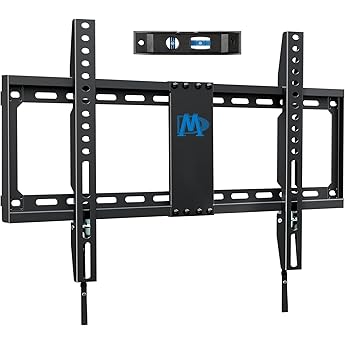
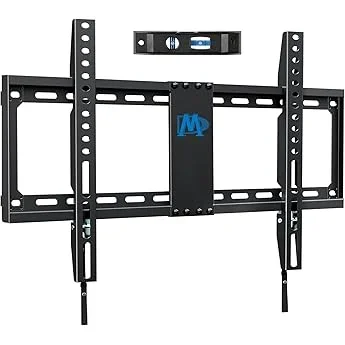
Mounting hardware should be included or explicitly compatible with marine-grade or outdoor-rated brackets. Standard VESA mounts may not hold up under constant vibration or wind load. Check the weight and dimensions carefully; heavier TVs often indicate sturdier construction, but they also require stronger wall or ceiling supports. If you’re mounting on a freestanding pole or post, verify that the structure can handle both the TV’s weight and potential sway in strong winds.
Finally, consider the finish. Matte black or dark gray bezels blend seamlessly into outdoor decor and minimize visual distraction. Avoid glossy finishes—they reflect sunlight and can become uncomfortably hot in direct sun, potentially warping plastic components over time.
4. Display Technology & Picture Quality
Not all outdoor TVs are created equal when it comes to image performance. While brightness gets most of the attention, color accuracy, contrast ratio, and motion handling matter just as much—especially for sports, movies, and gaming. Most outdoor TVs use LCD panels with LED backlighting, but there are important distinctions.
Full-array local dimming (FALD) is a premium feature that improves black levels and contrast by dynamically adjusting brightness across multiple zones. This is particularly useful for nighttime viewing, where deep blacks enhance immersion. However, FALD adds cost and complexity, so it’s typically found only in high-end models. For casual viewing, edge-lit LEDs may suffice, but they often suffer from uneven backlighting and blooming around bright objects.
OLED technology, while exceptional for indoor use, is rarely used in outdoor TVs due to its susceptibility to burn-in and lower peak brightness compared to high-nit LCDs. That said, some manufacturers are experimenting with hybrid approaches, so keep an eye on emerging innovations.
Resolution is another key consideration. 4K UHD (3840 x 2160) is now the standard for outdoor TVs 55 inches and larger, offering four times the detail of Full HD. If you sit within 8–10 feet of the screen, 4K makes a noticeable difference. For smaller screens (under 50 inches) or longer viewing distances, Full HD may be acceptable—but given the minimal price difference today, 4K is almost always the better long-term investment.
HDR (High Dynamic Range) support is also worth prioritizing. HDR10, HDR10+, and Dolby Vision expand the range of colors and brightness levels, making skies bluer, shadows darker, and details more lifelike. Just remember: HDR only works effectively if the TV has sufficient brightness and local dimming. A 700-nit TV with HDR won’t deliver the same impact as a 2,000-nit model.
5. Smart Features & Connectivity
Modern outdoor TVs aren’t just dumb screens—they’re full-fledged smart platforms. Built-in Wi-Fi, Bluetooth, and streaming apps (like Netflix, YouTube, and Disney+) allow you to cut the cord and enjoy content without extra devices. Look for TVs running established operating systems such as Android TV, webOS (LG), Tizen (Samsung), or Roku TV. These platforms receive regular updates, support a wide range of apps, and integrate well with voice assistants like Alexa and Google Assistant.
Connectivity ports are equally important. Ensure the TV has enough HDMI inputs (at least three, preferably HDMI 2.0 or higher for 4K/60Hz), USB ports for media playback, and an Ethernet port for wired internet—especially useful if your patio has weak Wi-Fi signal. Some models also include optical audio outputs or ARC (Audio Return Channel) for connecting soundbars or outdoor speakers.
If you plan to use gaming consoles or streaming sticks, check for low input lag (under 20ms for gaming) and support for variable refresh rate (VRR) and Auto Low Latency Mode (ALLM). These features reduce screen tearing and improve responsiveness during fast-paced action.
One often-overlooked feature is remote control design. Standard remotes can get lost, damaged by rain, or become unresponsive in humid conditions. Many outdoor TVs come with weather-resistant remotes featuring rubberized buttons and sealed casings. Alternatively, consider using a smartphone app for control—just make sure the TV supports it reliably.
6. Size & Viewing Distance
Choosing the right screen size depends on your seating arrangement and available wall space. A common rule of thumb is that the optimal viewing distance is 1.5 to 2.5 times the diagonal screen size. For example, a 65-inch TV is best viewed from 8 to 14 feet away. On a typical deck, this means you’ll likely want a screen between 55 and 75 inches.
However, don’t automatically go for the largest screen possible. Oversized TVs can overwhelm small spaces, create glare issues, and require more powerful mounting solutions. Measure your wall or mounting area carefully, including clearance for ventilation and cable management. Also, consider the height: the center of the screen should be at or slightly below eye level when seated—typically 42 to 48 inches from the ground.
If your patio has multiple seating zones (e.g., a dining table and a lounge area), think about swivel mounts or articulated arms that allow you to adjust the angle. This ensures everyone gets a good view without straining their neck.
For smaller decks or balconies, compact 43- or 50-inch models offer a great balance of visibility and space efficiency. Just remember that smaller screens may not justify 4K resolution unless you sit very close—so weigh your priorities accordingly.
7. Brand Reputation & Ecosystem Compatibility
Not all outdoor TV brands are equal. Some specialize exclusively in weatherproof displays, while others adapt indoor models with external enclosures. Established names like SunBriteTV, Seura, and Samsung have built reputations for reliability and customer support. Lesser-known brands may offer lower prices but often cut corners on build quality or after-sales service.
Research user reviews on trusted platforms like Amazon, Best Buy, and specialty outdoor forums. Pay attention to comments about longevity, customer service responsiveness, and real-world performance in various climates. A brand that performs well in Arizona’s desert heat may struggle in Florida’s humid subtropical environment—so match the TV to your local conditions.
Also consider ecosystem compatibility. If you already own smart home devices (lights, thermostats, cameras), choose a TV that integrates seamlessly. For example, Samsung TVs work well with SmartThings, while LG models support ThinQ AI. This allows you to control your entire outdoor setup from a single app or voice command.
Finally, check whether the brand offers certified installers or partnerships with local AV professionals. Professional installation ensures proper mounting, cable routing, and weatherproofing—critical factors that DIY setups often overlook.
8. Warranty & Support
Outdoor electronics come with higher risks, so a robust warranty is non-negotiable. Most reputable brands offer at least a 2-year limited warranty, with some extending to 3 or even 5 years. Read the fine print: does it cover labor, parts, and on-site service? Is accidental damage or power surge protection included?
Be wary of warranties that exclude “acts of nature” or require you to ship the TV back at your expense. Ideally, the manufacturer should provide local repair options or authorized service centers. Also, check if extended warranties are available—and whether they’re worth the cost based on the TV’s expected lifespan (typically 5–7 years for quality outdoor models).
Customer support responsiveness matters too. Can you reach a human quickly? Do they offer troubleshooting guides or video tutorials? Brands with dedicated outdoor product lines usually provide better support than general electronics retailers.
Different Types of Outdoor TVs
Common Buying Mistakes to Avoid
❌ Mistake: Using a Standard Indoor TV Outdoors
Why it’s bad: Indoor TVs lack weatherproofing, have insufficient brightness for daylight viewing, and are not designed to handle temperature extremes. Even under a covered patio, condensation, humidity, and dust can damage internal components within months.
What to do instead: Always choose a TV specifically rated for outdoor use. If budget is tight, pair an indoor TV with a certified outdoor enclosure—but never leave it exposed.
❌ Mistake: Ignoring Viewing Angle and Sun Path
Why it’s bad: Mounting a TV where it faces direct afternoon sun will result in constant glare, regardless of brightness specs. Similarly, placing it too high or off-center causes neck strain and poor visibility for guests.
What to do instead: Observe your patio’s sun patterns throughout the day. Use a swivel mount to adjust angle seasonally, and position the screen perpendicular to the primary light source.
❌ Mistake: Overlooking Audio Needs
Why it’s bad: Most outdoor TVs have weak built-in speakers that struggle against wind, traffic, and ambient noise. Relying on them leads to muffled dialogue and frustrating viewing experiences.
What to do instead: Invest in weather-resistant outdoor speakers or a soundbar. Wireless options like Sonos Move or Bose SoundLink are great for decks, or run wired speakers through conduit for a clean look.
❌ Mistake: Skimping on Mounting Hardware
Why it’s bad: Cheap mounts may not support the TV’s weight, resist corrosion, or allow proper ventilation. Improper installation can lead to sagging, vibration damage, or even collapse in high winds.
What to do instead: Use marine-grade or outdoor-rated mounts from reputable brands like Sanus or Peerless. Have it installed by a professional if you’re unsure about structural integrity.
❌ Mistake: Not Planning for Cable Management
Why it’s bad: Exposed cables are tripping hazards, attract pests, and degrade quickly when exposed to UV rays and moisture. They also ruin the clean aesthetic of your outdoor setup.
What to do instead: Run cables through waterproof conduit or use in-wall rated cables with sealed grommets. Label everything clearly for easy troubleshooting later.
❌ Mistake: Assuming All “Outdoor” TVs Are Equal
Why it’s bad: Marketing terms like “weather-resistant” or “deck-ready” are not standardized. A TV labeled for “partial shade” may fail in full sun, and vice versa.
What to do instead: Always verify IP ratings, brightness (nits), and intended use case in the product specifications—not just the packaging.
Budget Guidelines: How Much Should You Spend?
Entry-Level ($800 – $1,500): These are typically partial-shade models or indoor TVs in basic enclosures. Expect 50–55 inch screens, 1,000–1,500 nits brightness, and limited smart features. Best for covered patios with minimal sun exposure. Brands like Element and RCA offer budget-friendly options, but build quality may be inconsistent.
Mid-Range ($1,500 – $3,500): This is the sweet spot for most homeowners. You’ll find fully sealed all-weather TVs with 1,500–2,500 nits, 4K HDR, robust smart platforms, and solid warranties. Models from SunBriteTV (Veranda series) and Samsung (The Terrace Lite) excel here. Ideal for decks with mixed sun/shade conditions.
Premium ($3,500 – $7,000): Designed for enthusiasts and those who entertain frequently. Features include 2,500+ nits brightness, FALD, premium materials, and advanced cooling. SunBriteTV’s Pro series and Seura’s Shadow Series fall into this tier. Perfect for full-sun areas or luxury outdoor living spaces.
Luxury ($7,000+): Top-tier commercial-grade displays built for 24/7 operation in harsh environments. These offer extreme durability, modular designs, and custom integration options. Reserved for high-end resorts, luxury homes, or professional installations where failure is not an option.
Expert Tips for Getting the Best Deal
- Buy during off-seasons: Prices drop significantly in late fall and winter when demand is low. Retailers often clear inventory before spring launches.
- Check manufacturer refurbished programs: SunBriteTV and Samsung offer certified refurbished units with full warranties at 20–30% off retail.
- Bundle with installation: Many AV integrators offer discounts when you purchase both the TV and professional setup.
- Negotiate with local dealers: Unlike big-box stores, local electronics shops may price-match or throw in free mounts or cables.
- Read return policies carefully: Outdoor TVs are bulky and expensive to return. Ensure you have at least 30 days to test in your actual environment.
- Consider financing: Some brands offer 0% APR financing for 12–24 months—great for spreading out the cost without interest.
- Join outdoor living forums: Communities like AVS Forum or Reddit’s r/outdoortv often share exclusive promo codes and deal alerts.

Frequently Asked Questions
Q: Can I use my regular indoor TV on my covered patio?
A: Technically yes, but it’s not recommended for long-term use. Even under cover, indoor TVs aren’t built to handle humidity, temperature swings, or dust. If you must, use a certified outdoor enclosure and limit exposure to dry, shaded areas only.
Q: Do outdoor TVs consume more power than indoor models?
A: Yes, due to higher brightness and enhanced cooling systems. Expect 20–50% higher energy use. Look for ENERGY STAR certified models to minimize impact on your electricity bill.
Q: How do I clean my outdoor TV screen?
A: Use a microfiber cloth and distilled water only. Avoid ammonia-based cleaners or paper towels, which can scratch the anti-glare coating. Power off the TV and let it cool before cleaning.
Q: Will an outdoor TV work in winter?
A: Most are rated for temperatures from -22°F to 122°F (-30°C to 50°C). However, extreme cold can temporarily reduce brightness. Store the remote indoors and avoid turning the TV on immediately after bringing it in from freezing conditions.
Q: Can I mount an outdoor TV on a post or freestanding pole?
A: Yes, but the structure must be anchored securely into concrete and rated for the TV’s weight plus wind load. Consult a structural engineer if unsure.
Q: Do outdoor TVs come with built-in heaters or coolers?
A: Some premium models include internal thermal management systems—heaters for cold climates and fans or heat sinks for hot ones. Check the specs for “operating temperature range” details.
Q: Are outdoor TVs compatible with streaming devices like Roku or Apple TV?
A: Absolutely. Most have HDMI ports and support popular streaming sticks. Just ensure the device is also protected from the elements or placed in a weatherproof box nearby.
Q: How long do outdoor TVs typically last?
A: With proper care and installation, 5–7 years is realistic. Commercial-grade models can last 10+ years. Avoid leaving them powered on 24/7 unless specifically designed for it.
Q: Can I connect my outdoor TV to my home theater system?
A: Yes, via HDMI ARC, optical audio, or wireless protocols like Bluetooth. For best results, use a weatherproof AV receiver or soundbar mounted nearby.
Our Final Recommendations
Best for Budget-Conscious Buyers: Element 55″ Partial-Shade Outdoor TV – At under $1,200, it delivers solid 1,200-nit brightness and basic smart features for covered patios. Great entry point for casual users.
Best Overall Value: SunBriteTV Veranda 65″ 4K – Priced around $2,800, it offers full weatherproofing, 2,000 nits, excellent color accuracy, and a 3-year warranty. Ideal for mixed sun/shade decks.
Best Premium Option: Samsung The Terrace 75″ Full Sun – With 3,000 nits, Quantum HDR, and sleek design, this $5,500 model dominates in direct sunlight and integrates seamlessly with Samsung ecosystems.
Best for Beginners: RCA 50″ Outdoor TV with Enclosure Kit – A simple, plug-and-play solution under $900. Perfect for renters or those testing the waters before upgrading.
Best for Advanced Users: Seura Shadow Series 65″ – Ultra-thin bezel, 2,500 nits, and customizable finishes make this $4,200 TV a showstopper for tech-savvy homeowners who demand both performance and aesthetics.
Conclusion: Making the Right Choice
Choosing an outdoor TV for your patio or deck is more than just a purchase—it’s an investment in your lifestyle. The right model transforms your outdoor space into a true extension of your home, enabling unforgettable gatherings, relaxing movie nights, and seamless integration with your smart living ecosystem. But as we’ve covered, success hinges on understanding your environment, prioritizing durability and visibility, and avoiding common pitfalls that lead to disappointment.
Remember: not all outdoor TVs are built for all conditions. A TV perfect for a shaded balcony in Seattle may fail miserably on a sun-drenched deck in Phoenix. Take the time to assess your specific needs—viewing distance, sun exposure, climate, and usage patterns—and match them to a model with the right specs and build quality. Don’t let price alone dictate your decision; a slightly higher upfront cost often translates to years of reliable performance and lower total cost of ownership.
We encourage you to use this guide as your roadmap, not just a checklist. Revisit the key factors, compare the types, and apply the expert tips to your unique situation. And when in doubt, consult a professional installer—they can save you time, money, and headaches down the road.
Your perfect outdoor entertainment setup is within reach. With the knowledge from this guide, you’re now equipped to make a confident, informed decision that will bring joy to your patio for seasons to come. Happy viewing!

