
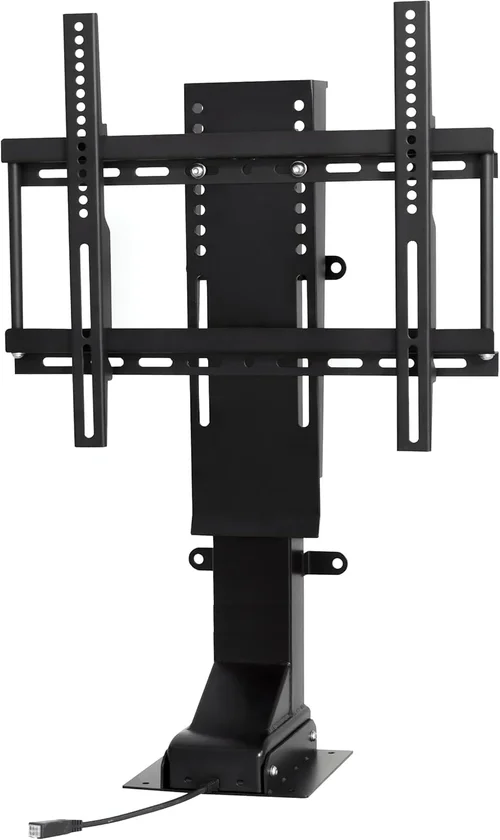
Outdoor living spaces have evolved dramatically over the past decade, transforming from simple patios and balconies into fully functional extensions of the home. For apartment dwellers, especially those in urban environments, outdoor TVs offer a unique opportunity to enjoy entertainment alfresco without sacrificing comfort or style. Whether you’re hosting friends for a summer barbecue, catching the big game under the stars, or unwinding with a movie after a long day, an outdoor TV can elevate your outdoor experience. However, choosing the right one isn’t as simple as buying a regular indoor TV and mounting it outside. The elements—sunlight, rain, dust, temperature swings—demand specialized technology and robust construction.
This comprehensive buying guide is designed to help apartment residents navigate the complex world of outdoor TVs in 2026. We’ll walk you through everything you need to know, from understanding key performance specs to avoiding common pitfalls that could cost you time and money. You’ll learn how to balance budget constraints with durability needs, how to choose the right size for your space, and what features truly matter when you’re watching TV in direct sunlight or light rain. By the end of this guide, you’ll be equipped with expert-level knowledge to make a confident, informed decision—whether you’re working with a small balcony, a rooftop terrace, or a shared courtyard.
The outdoor TV market has matured significantly in recent years. What was once a niche category dominated by a handful of premium brands now includes a wider range of options across different price points and use cases. Innovations in display technology, weatherproofing, and smart integration have made outdoor viewing more accessible than ever. Yet, despite these advances, many buyers still struggle to find the right fit—especially in apartment settings where space, noise, and building regulations come into play. This guide cuts through the noise, offering practical advice tailored specifically to renters and apartment owners who want to enjoy high-quality outdoor entertainment without breaking the bank or violating lease agreements.

What to Look for When Buying Buying Guide
1. Weather Resistance & IP Rating
One of the most critical factors when selecting an outdoor TV is its ability to withstand the elements. Unlike indoor TVs, outdoor models must be built to resist moisture, dust, extreme temperatures, and UV exposure. The first thing to check is the TV’s Ingress Protection (IP) rating—a two-digit code that indicates how well the device is sealed against solids and liquids. For outdoor use, look for a minimum IP55 rating, which means the TV is protected against dust and low-pressure water jets from any direction. For areas with heavy rain or coastal environments, consider IP65 or higher, which offers full dust protection and resistance to water projected from a nozzle.
Beyond the IP rating, examine the materials used in the TV’s construction. High-quality outdoor TVs typically feature powder-coated aluminum or stainless steel housings that resist rust and corrosion. The screen itself should be laminated or treated with anti-reflective coatings to reduce glare from sunlight. Some models also include internal heating and cooling systems to maintain optimal operating temperatures in extreme climates—ranging from -30°F to 120°F. This is especially important for apartments in regions with harsh winters or scorching summers.
Another often-overlooked aspect is ventilation. While the TV needs to be sealed against moisture, it also requires proper airflow to prevent overheating. Look for models with passive cooling systems or sealed fan designs that allow heat dissipation without compromising weather resistance. Avoid TVs with exposed vents or grilles, as these can allow water and debris to enter during storms.
2. Display Brightness & Anti-Glare Technology
Sunlight is the enemy of outdoor viewing. Even the best indoor TVs become nearly unwatchable in direct sunlight due to low brightness and high reflectivity. Outdoor TVs must deliver significantly higher luminance to remain visible in bright conditions. The standard measure for brightness is nits (cd/m²). For outdoor use, aim for a minimum of 700 nits, but ideally 1,000 nits or more for daytime viewing. Some premium models now exceed 2,000 nits, making them suitable for full sun exposure.
Brightness alone isn’t enough—anti-glare technology is equally important. Look for TVs with optically bonded screens, which eliminate the air gap between the LCD panel and the outer glass. This reduces internal reflections and improves contrast in bright light. Additionally, many outdoor TVs feature matte or anti-reflective screen coatings that scatter ambient light rather than reflecting it back to the viewer. These coatings are especially beneficial on balconies or terraces with large windows or reflective surfaces nearby.
Color accuracy and contrast ratio also play a role in outdoor visibility. High dynamic range (HDR) support, particularly HDR10 or Dolby Vision, enhances detail in both bright and dark areas of the image. While HDR is less effective in direct sunlight, it becomes valuable during evening viewing when ambient light drops. Some manufacturers now offer “outdoor mode” settings that automatically adjust brightness, contrast, and color temperature based on ambient light sensors—ideal for apartments where lighting conditions change throughout the day.
3. Size & Viewing Distance
Choosing the right screen size for your outdoor space is crucial. Unlike living rooms, where TVs are often viewed from 6–10 feet away, outdoor setups may require longer or shorter viewing distances depending on your layout. A general rule of thumb is to multiply the screen size (in inches) by 1.5 to determine the optimal viewing distance in inches. For example, a 55-inch TV should be viewed from about 6.9 feet (83 inches) away.
For apartment balconies or small patios, consider a 43- to 55-inch model. These sizes provide a cinematic experience without overwhelming the space. If you have a larger rooftop terrace or shared courtyard, you might opt for a 65-inch or even 75-inch screen—especially if multiple people will be watching from different angles. However, be mindful of building regulations and noise ordinances. Larger TVs often require more powerful speakers, which could disturb neighbors if not properly managed.
Mounting options also influence size selection. Most outdoor TVs are designed for wall or ceiling mounting, but some come with optional stands or articulating arms. If you’re renting, check your lease agreement before drilling into walls or railings. Some landlords allow temporary mounts or freestanding enclosures, while others prohibit any modifications. In such cases, consider a portable outdoor TV enclosure that houses a standard indoor TV—though these may not offer the same level of weather protection or brightness.
4. Smart Features & Connectivity
Modern outdoor TVs are no longer just dumb displays—they’re full-fledged smart platforms. Look for models running Android TV, webOS, or Roku OS, which give you access to streaming services like Netflix, Hulu, Disney+, and YouTube. Built-in Wi-Fi (preferably dual-band 2.4GHz and 5GHz) ensures reliable streaming, even in areas with weak signals. Some high-end models now include 5G connectivity or Ethernet ports for wired internet, which is useful for apartments with limited Wi-Fi coverage outdoors.
Voice control is another valuable feature. Integration with Google Assistant or Amazon Alexa allows you to change channels, adjust volume, or search for content using voice commands—perfect for hands-free operation while grilling or lounging. Bluetooth support enables wireless audio output to headphones or external speakers, which is ideal for late-night viewing without disturbing others.
Connectivity ports are equally important. Ensure the TV has multiple HDMI inputs (at least two), USB ports for media playback, and possibly an optical audio output. If you plan to connect a soundbar, gaming console, or cable box, verify compatibility and cable routing options. Some outdoor TVs include weatherproof cable conduits or rear access panels to keep connections dry and organized.
5. Audio Quality & Speaker Options
Outdoor environments present unique audio challenges. Wind, traffic, and distance can quickly drown out weak built-in speakers. While many outdoor TVs include decent audio systems, they’re often insufficient for larger spaces or group viewing. Look for models with at least 20W of total power output, preferably with dedicated tweeters and woofers for balanced sound.
For better audio performance, consider pairing your outdoor TV with external speakers. Weather-resistant soundbars or wireless outdoor speaker systems (like those from Sonos or Bose) can dramatically improve sound quality and volume. Some TVs support HDMI ARC or eARC, which simplifies audio routing and allows volume control via the TV remote.
If noise is a concern—such as in densely populated apartment complexes—opt for TVs with headphone jacks or Bluetooth audio output. This lets you enjoy immersive sound privately without affecting neighbors. Alternatively, use directional speakers that focus sound toward the seating area, minimizing spillover.
6. Power Requirements & Energy Efficiency
Outdoor TVs consume more power than their indoor counterparts due to higher brightness and additional cooling systems. Before purchasing, check the TV’s power consumption in watts and ensure your outdoor electrical setup can handle it. Most models require a standard 120V outlet, but some larger units may need dedicated circuits.
Energy efficiency is also important, especially if you plan to leave the TV on for extended periods. Look for ENERGY STAR certification or models with low standby power usage (under 0.5W). Some TVs include automatic shutoff timers or motion sensors that turn off the display when no one is present—useful for security and energy savings.
If your apartment lacks outdoor outlets, consider a weatherproof extension cord rated for outdoor use (look for SJTW or SJTOW labels). Never use indoor extension cords outside, as they’re not designed to handle moisture or UV exposure. For permanent installations, consult an electrician to install a GFCI-protected outlet near your TV location.
7. Installation & Mounting Flexibility
Proper installation is key to both performance and safety. Most outdoor TVs are designed for wall or ceiling mounting using VESA-compatible brackets. Ensure the mounting surface—whether it’s a balcony wall, railing, or pergola—can support the TV’s weight (typically 30–80 lbs). Use stainless steel lag bolts and anchors rated for outdoor use.
For renters, temporary mounting solutions are often the best option. Articulating wall mounts allow you to tilt and swivel the TV for optimal viewing angles, while also making it easy to remove when moving out. Some manufacturers offer freestanding enclosures that house standard TVs and can be placed on a table or stand—ideal for renters who can’t drill into walls.
Cable management is another consideration. Exposed wires are not only unsightly but also vulnerable to weather damage. Choose a TV with built-in cable channels or use weatherproof conduit to route HDMI, power, and audio cables safely. Label all connections for easy troubleshooting.
8. Warranty & Customer Support
Outdoor TVs are a significant investment, so robust warranty coverage is essential. Most reputable brands offer 2- to 3-year limited warranties that cover defects in materials and workmanship. Some extend coverage to 5 years for commercial use or include on-site service. Read the fine print carefully—some warranties are voided if the TV is installed incorrectly or used in conditions beyond its rated specifications.
Customer support quality varies widely. Look for brands with responsive technical support, detailed installation guides, and accessible service centers. Online forums and user communities can also be valuable resources for troubleshooting and tips. Avoid brands with poor reviews regarding post-purchase support, as outdoor TVs often require specialized servicing.
Extended warranty plans are available from third-party providers, but weigh the cost against the likelihood of needing repairs. For high-end models, an extended warranty may be worthwhile, but for budget options, it’s often better to allocate that money toward a higher-quality TV upfront.
Different Types of Buying Guide
Common Buying Mistakes to Avoid
❌ Mistake: Buying an Indoor TV for Outdoor Use
Why it’s bad: Indoor TVs lack the necessary weatherproofing, brightness, and thermal management for outdoor environments. Exposing them to moisture, UV rays, or temperature extremes can cause permanent damage, void the warranty, and even create electrical hazards.
What to do instead: Always choose a TV specifically designed for outdoor use. If budget is tight, consider a portable outdoor enclosure that protects a standard TV while providing basic weather resistance.
❌ Mistake: Ignoring Sunlight Exposure
Why it’s bad: A TV with insufficient brightness will appear washed out or completely invisible in direct sunlight, ruining the viewing experience. Many buyers regret purchasing a “bright” indoor TV only to find it unusable during the day.
What to do instead: Prioritize models with at least 1,000 nits of brightness and anti-glare screen technology. Test the TV in similar lighting conditions if possible, or read real-world reviews from users in sunny climates.
❌ Mistake: Overlooking Installation Constraints
Why it’s bad: Renters who drill into walls without permission risk security deposits or lease violations. Poorly mounted TVs can also fall, causing injury or property damage.
What to do instead: Check your lease agreement and consult your landlord before installation. Use temporary mounts or freestanding enclosures when permanent modifications aren’t allowed.
❌ Mistake: Neglecting Audio Needs
Why it’s bad: Built-in speakers on outdoor TVs are often underpowered for open spaces. Viewers may struggle to hear dialogue over wind or traffic noise, especially in urban apartments.
What to do instead: Invest in weather-resistant external speakers or a soundbar. Use Bluetooth headphones for private listening, or install directional speakers to minimize noise pollution.
❌ Mistake: Choosing the Wrong Size
Why it’s bad: A TV that’s too small won’t deliver an immersive experience, while one that’s too large can overwhelm a small balcony or violate building codes.
What to do instead: Measure your space and calculate the optimal screen size based on viewing distance. Consider how many people will watch at once and where seating will be located.
❌ Mistake: Skipping the Warranty Review
Why it’s bad: Outdoor TVs are prone to unique failures like seal degradation or thermal stress. Without proper warranty coverage, repairs can be costly.
What to do instead: Read the warranty terms carefully. Choose brands with strong customer support and consider extended coverage for high-end models.
❌ Mistake: Forgetting About Power and Cables
Why it’s bad: Running indoor extension cords outside is unsafe and can lead to electrical faults. Poor cable management also exposes wires to weather damage.
What to do instead: Use outdoor-rated extension cords and weatherproof conduit. Install a GFCI outlet if possible, and keep all connections elevated and covered.
Budget Guidelines: How Much Should You Spend?
- Entry-Level ($500 – $1,200): These are typically partial-shade models or portable enclosures. They offer basic weather resistance and moderate brightness (500–700 nits). Ideal for covered balconies or occasional use. Expect simpler smart features and shorter warranties.
- Mid-Range ($1,200 – $2,500): The sweet spot for most apartment dwellers. These TVs provide full weatherproofing (IP55+), 1,000+ nits brightness, and robust smart platforms. They often include better audio, wider viewing angles, and 2–3 year warranties.
- Premium ($2,500 – $4,500): Designed for full sun exposure and harsh climates. Features include 2,000+ nits brightness, advanced cooling systems, premium materials, and extended warranties. Best for rooftop terraces or year-round use.
- Luxury ($4,500+): Top-tier commercial-grade displays with 24/7 operation capability, extreme durability, and custom mounting options. Often used in shared apartment amenities or luxury complexes.

Expert Tips for Getting the Best Deal
- Buy During Off-Season: Outdoor TVs are in highest demand during spring and summer. Shop in late fall or winter for discounts of 15–30%.
- Compare Retailers: Check prices at specialty outdoor electronics stores, big-box retailers, and online marketplaces. Some brands offer exclusive bundles with mounts or speakers.
- Look for Refurbished Models: Certified refurbished outdoor TVs from reputable sellers can save you hundreds while offering the same performance and warranty.
- Negotiate Installation: Some retailers include free or discounted installation with purchase—especially for wall-mounted units.
- Check Return Policies: Ensure you can return the TV if it doesn’t perform as expected in your specific environment.
- Test Before Committing: If possible, visit a showroom to see the TV in bright lighting. Many retailers allow in-home trials for outdoor models.
- Bundle Accessories: Purchasing a mount, soundbar, and cables together often qualifies for package discounts.
- Monitor Price Drops: Use price tracking tools like Honey or CamelCamelCamel to alert you when your desired model goes on sale.

Frequently Asked Questions
Q: Can I use a regular TV outside if it’s under a covered balcony?
A: Technically yes, but it’s not recommended. Even covered areas can experience humidity, temperature swings, and indirect moisture. Over time, this can damage internal components. For reliable performance, use a TV rated for outdoor or partial-shade use.
Q: Do outdoor TVs need special mounts?
A: Yes. Standard indoor mounts aren’t designed to withstand outdoor conditions. Use VESA-compatible outdoor mounts made from rust-resistant materials like stainless steel or powder-coated aluminum.
Q: How do I protect my outdoor TV from theft?
A: Use security locks, install the TV in a visible but hard-to-reach location, and consider adding a GPS tracker. Some models come with built-in anti-theft features or can be registered with the manufacturer.
Q: Can I leave my outdoor TV on all the time?
A: Most outdoor TVs are designed for continuous operation, but check the manufacturer’s guidelines. Avoid leaving it on during storms or extreme weather unless it’s rated for such conditions.
Q: Are outdoor TVs energy efficient?
A: They consume more power than indoor TVs due to higher brightness, but many modern models include energy-saving features like automatic dimming and sleep timers.
Q: What’s the difference between IP55 and IP65?
A: IP55 protects against dust and low-pressure water jets. IP65 offers complete dust protection and resistance to water projected from a nozzle—better for heavy rain or coastal areas.
Q: Can I connect my outdoor TV to a sound system?
A: Absolutely. Most outdoor TVs support HDMI ARC, optical audio, or Bluetooth for connecting to external speakers, soundbars, or home theater systems.
Q: Do I need a permit to install an outdoor TV?
A: It depends on your building’s rules and local regulations. In some cities, wall-mounted electronics require permits, especially on historic buildings or shared structures. Always check with your landlord or HOA first.
Q: How long do outdoor TVs last?
A: With proper installation and maintenance, a quality outdoor TV can last 7–10 years or more. Cheaper models or those exposed to harsher conditions may fail sooner.
Q: Can I use a projector instead of an outdoor TV?
A: Yes, especially for large gatherings. Outdoor projectors are more affordable per inch of screen size and highly portable. However, they require darkness for best results and aren’t suitable for daytime viewing.
Our Final Recommendations
- Best for Budget-Conscious Buyers: SunBriteTV Veranda Series (43″) – Excellent value with IP55 rating, 700 nits brightness, and reliable smart features. Perfect for covered balconies.
- Best Overall Value: Seura Shade 2 (55″) – Strikes the ideal balance between price, performance, and durability. 1,000 nits brightness, full weatherproofing, and sleek design.
- Best Premium Option: Peerless-AV Xtreme (65″) – Built for extreme conditions with 2,500 nits brightness, military-grade construction, and 5-year warranty. Ideal for rooftop terraces.
- Best for Beginners: Kanto Outdoor Enclosure + 50″ Indoor TV – Easy setup, no permanent installation, and flexible TV choice. Great for renters testing the waters.
- Best for Advanced Users: Planar Luxe Outdoor Display (75″) – Commercial-grade performance with 24/7 operation, advanced cooling, and customizable mounting. For serious outdoor entertainment enthusiasts.
Conclusion: Making the Right Choice
Choosing the right outdoor TV for your apartment is about more than just screen size or brand name—it’s about matching technology to your lifestyle, environment, and constraints. From weather resistance and brightness to smart features and installation flexibility, every decision impacts your long-term satisfaction. By prioritizing your specific needs—whether that’s budget, space limitations, or viewing habits—you can find a TV that enhances your outdoor living without compromising on quality or safety.
Remember, the best outdoor TV isn’t necessarily the most expensive one—it’s the one that fits seamlessly into your space and delivers consistent performance year after year. Take the time to research, compare options, and consult with experts if needed. And don’t forget to factor in accessories like mounts, speakers, and cables, which can significantly improve your experience.
Ultimately, investing in an outdoor TV is an investment in your quality of life. It transforms underutilized spaces into vibrant social hubs, extends your living area, and brings the joy of entertainment into the fresh air. With the insights from this guide, you’re now equipped to make a smart, confident purchase that will serve you well for years to come. So go ahead—step outside, press play, and enjoy the show.

