
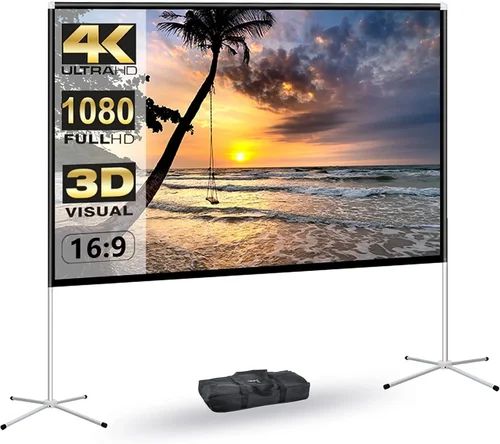
Outdoor movie nights have evolved from backyard experiments into a full-fledged entertainment trend, and at the heart of this transformation is the outdoor TV. Whether you’re hosting friends for a summer blockbuster or enjoying a quiet evening under the stars with family, having the right television can make all the difference. But unlike indoor TVs, outdoor models face unique challenges—direct sunlight, temperature swings, humidity, dust, and even curious wildlife. That’s why choosing the right outdoor TV isn’t just about screen size or resolution; it’s about durability, performance in harsh conditions, and long-term reliability.
This comprehensive buying guide is designed to help you navigate the often-confusing world of outdoor televisions. Whether you’re a first-time buyer or upgrading from an older model, we’ll walk you through every critical factor—from brightness and weather resistance to smart features and installation considerations. By the end of this guide, you’ll have a clear understanding of what to look for, how much to spend, and which models offer the best value for your specific needs. The market for outdoor TVs has expanded significantly in recent years, with more brands entering the space and technology advancing rapidly. From fully weatherproof commercial-grade displays to more affordable consumer options, there’s never been a better time to invest in an outdoor entertainment setup.
We’ll also debunk common myths, highlight frequent purchasing mistakes, and provide expert tips to help you get the most out of your investment. Our goal isn’t to push you toward the most expensive option, but to help you make a smart, informed decision based on your backyard environment, usage habits, and budget. Whether you’re setting up a permanent outdoor theater or need something portable for occasional use, this guide will equip you with the knowledge to choose wisely.

What to Look for When Buying Buying Guide
1. Brightness & Display Performance
When it comes to outdoor TVs, brightness isn’t just a nice-to-have—it’s essential. Unlike indoor environments where lighting is controlled, your backyard is subject to direct sunlight, glare, and shifting shadows throughout the day. A standard indoor TV typically ranges between 300 to 500 nits (a unit of brightness), which is perfectly fine for a dimly lit living room. However, for outdoor use, you’ll want a display that delivers at least 700 nits, with premium models pushing 2,500 nits or more. This high brightness ensures that images remain visible even under bright daylight or when viewed from an angle.
Look for TVs with anti-glare or anti-reflective coatings, which help reduce the impact of sunlight bouncing off the screen. Some manufacturers use optically bonded glass, which minimizes air gaps between the screen layers and improves clarity in bright conditions. Additionally, consider the panel type: IPS (In-Plane Switching) panels offer better viewing angles and color consistency, which is important if your seating area spans a wide arc around the TV. OLED panels, while stunning indoors, can struggle with brightness outdoors and are generally not recommended for permanent outdoor installations.
Color accuracy and contrast ratio also play a role. While HDR (High Dynamic Range) support is common, not all HDR implementations are created equal. Look for TVs that support HDR10 or Dolby Vision, and check real-world reviews to see how well the TV handles highlights and shadows in outdoor lighting. A high contrast ratio helps maintain image depth, especially during twilight or evening viewing when ambient light begins to fade.
2. Weather Resistance & IP Rating
One of the most critical factors in choosing an outdoor TV is its ability to withstand the elements. Unlike indoor electronics, outdoor TVs must endure rain, snow, dust, extreme temperatures, and UV exposure. This is where the Ingress Protection (IP) rating comes into play. The IP rating is a two-digit code that indicates how well a device is protected against solid objects (like dust) and liquids (like water).
For outdoor TVs, you should aim for at least an IP55 rating, which means the TV is protected against dust (limited ingress) and water jets from any direction. However, for full weather resistance—especially in areas with heavy rain or snow—look for IP65 or higher. IP65 means the TV is dust-tight and protected against low-pressure water jets, making it suitable for permanent outdoor mounting. Some high-end models even offer IP66 or IP67 ratings, providing protection against powerful water jets or temporary immersion.
Beyond the IP rating, consider the materials used in the TV’s construction. Look for aluminum or powder-coated steel enclosures that resist rust and corrosion. Avoid plastic housings unless they are specifically designed for outdoor use and UV-stabilized. Also, check whether the TV is designed for both hot and cold climates. Some models are rated for operation between -22°F and 122°F (-30°C to 50°C), which is ideal for year-round use in most regions.
3. Build Quality & Durability
Durability goes hand-in-hand with weather resistance, but it also encompasses the overall construction and longevity of the TV. Outdoor TVs are built to last, often using commercial-grade components that exceed the standards of typical consumer electronics. When evaluating build quality, pay attention to the chassis, mounting system, and internal components.
A well-built outdoor TV will have a robust metal frame, sealed ports, and reinforced connectors. Internal components like capacitors and power supplies are often rated for extended lifespans under stress. Some manufacturers use conformal coating on circuit boards to protect against moisture and corrosion. This is especially important in humid or coastal environments where salt air can accelerate degradation.
Mounting is another aspect of durability. Ensure the TV comes with a compatible outdoor-rated mount or is VESA-compatible with aftermarket options. The mount should be sturdy enough to handle wind loads and allow for secure tilt or swivel adjustments. Some outdoor TVs include built-in cooling fans or passive heat dissipation systems to prevent overheating during summer months. However, be cautious with models that rely solely on passive cooling in extremely hot climates—active ventilation may be necessary.
Longevity is also a factor. While indoor TVs may last 5–7 years with regular use, outdoor models are often designed for 10+ years of service. Check the manufacturer’s expected lifespan and whether they offer extended warranties or service plans. A durable TV not only saves you money in the long run but also reduces the hassle of frequent replacements.
4. Size & Viewing Distance
Choosing the right screen size for your outdoor space is crucial for an immersive experience. Unlike indoor viewing, where you might sit 6–8 feet from a 55-inch TV, outdoor setups often require larger screens due to greater distances and ambient light. A general rule of thumb is to multiply your viewing distance (in inches) by 0.84 to determine the ideal screen diagonal. For example, if you’re sitting 12 feet (144 inches) away, a 120-inch screen (144 × 0.84 ≈ 121) would provide an optimal experience.
However, outdoor TVs are typically available in smaller sizes—most commonly 43″, 50″, 55″, and 65″. This is due to practical limitations like weight, cost, and the need for robust weatherproofing. A 65-inch outdoor TV can weigh over 100 pounds and cost several thousand dollars, so ensure your mounting structure can support it.
Consider your seating layout. If viewers will be spread out in a semi-circle, a larger screen with wide viewing angles (like an IPS panel) is preferable. For smaller patios or decks, a 50″ or 55″ model may be sufficient. Also, think about how the TV will be used: will it primarily show movies, sports, or casual streaming? Sports fans may benefit from larger screens to catch fast action, while movie watchers might prioritize image quality over sheer size.
Portability is another consideration. Some outdoor TVs are designed to be moved between locations—say, from the patio to the poolside. These models often come with built-in handles, lighter frames, and optional wheeled carts. If you plan to relocate your TV frequently, look for a model under 65 inches and under 80 pounds.
5. Smart Features & Connectivity
Modern outdoor TVs are no longer just dumb displays—they come packed with smart features that rival their indoor counterparts. Most outdoor models now include built-in Wi-Fi, streaming apps (like Netflix, YouTube, and Disney+), and voice control via Alexa or Google Assistant. This allows you to enjoy your favorite content without needing an external streaming device.
When evaluating smart capabilities, check the operating system. Popular platforms include Android TV, webOS (LG), and Roku TV. Android TV offers the most app flexibility and customization, while Roku is known for its simplicity and reliability. Ensure the TV supports the latest Wi-Fi standards (Wi-Fi 5 or Wi-Fi 6) for smooth streaming, especially if you’re in a large yard with potential signal interference.
Connectivity is equally important. Look for multiple HDMI ports (at least 3), USB inputs, and audio outputs (optical or 3.5mm). Some models include Ethernet ports for wired internet connections, which can improve streaming stability. If you plan to connect a soundbar, gaming console, or Blu-ray player, verify that the TV has the necessary inputs and supports HDMI-CEC for device control.
One often-overlooked feature is app compatibility. Not all streaming services are optimized for outdoor use, and some apps may not function properly in bright environments due to interface design. Test the user interface in daylight conditions if possible, or read reviews that mention app performance under sunlight.
6. Audio Quality & Sound Solutions
While picture quality grabs the headlines, audio is just as important for an immersive outdoor movie experience. Unfortunately, most outdoor TVs have limited built-in speakers due to space and weatherproofing constraints. The sound is often tinny, lacks bass, and struggles to project over ambient noise like wind, traffic, or nearby conversations.
To compensate, many outdoor TVs are designed to work with external audio systems. Look for models with audio output options such as optical digital, 3.5mm aux, or Bluetooth. This allows you to connect a weatherproof soundbar, outdoor speakers, or a full home theater system. Some premium outdoor TVs even include built-in subwoofers or enhanced audio processing to improve sound quality.
If you plan to use wireless audio, ensure the TV supports Bluetooth 5.0 or higher for stable connections. Latency can be an issue with wireless audio, so test synchronization between video and sound, especially for live sports or action movies.
For larger gatherings, consider a multi-zone audio setup. You can place speakers around the seating area to create a surround sound effect. Some outdoor TVs support multi-room audio synchronization, allowing you to play the same soundtrack across multiple zones.
7. Installation & Mounting Requirements
Proper installation is critical for both performance and safety. Outdoor TVs must be mounted securely to withstand wind, vibration, and accidental bumps. Most models are VESA-compatible, meaning they can be attached to standard wall or ceiling mounts. However, outdoor mounts are specifically designed to handle the weight and environmental stress of outdoor TVs.
Wall mounts should be made of rust-resistant materials like stainless steel or aluminum and anchored into structural studs or concrete. Ceiling mounts are ideal for pergolas or covered patios but require careful planning to avoid obstructing views or creating tripping hazards. Some manufacturers offer custom outdoor enclosures that include built-in mounts and cable management systems.
Cable management is another important factor. All cables (power, HDMI, audio) should be routed through waterproof conduits or channels to prevent water ingress and tripping. Use outdoor-rated extension cords and surge protectors to safeguard against power surges, which are more common in outdoor environments.
If you’re not comfortable with DIY installation, consider hiring a professional. Many retailers offer installation services, and some manufacturers provide certified installers in your area. A poorly installed TV can lead to water damage, electrical issues, or even collapse, so it’s worth the investment.
8. Brand Reputation & Customer Support
Not all outdoor TV brands are created equal. Some specialize exclusively in outdoor electronics, while others adapt indoor models for outdoor use. When choosing a brand, prioritize those with a proven track record in weatherproof displays and strong customer support.
Look for brands that offer comprehensive warranties—typically 2–3 years for outdoor TVs, with some extending to 5 years. Check whether the warranty covers both parts and labor, and whether it includes on-site service. Brands like SunBriteTV, Samsung (The Terrace), and LG (OLED Flex) have established reputations for quality and reliability.
Read customer reviews on independent sites like Amazon, Best Buy, or specialized forums. Pay attention to comments about long-term durability, customer service responsiveness, and ease of repair. A brand that offers easy access to replacement parts and firmware updates is more likely to support your TV for years to come.
Also, consider the availability of local service centers. If your TV needs repair, having a nearby technician can save time and money. Some brands partner with national electronics repair networks, while others require you to ship the unit back to the manufacturer.

